Add MobilityArena as a preferred source on Google
One of the biggest challenges to using a smartphone is its battery life. If you’re an iPhone user, you know how frustrating it can be to constantly have to recharge your phone throughout the day. However, not all iPhones are created equal when it comes to battery life; there are some iPhone models that have better battery life than others.
In this article, I’ll discuss iPhones with the best battery life and what makes them stand out from the rest. Whether you’re a heavy smartphone user or just need a phone that can last you through the day, this guide has you covered.
What Are the iPhones with the Best Battery Life?
In today’s world, smartphones have become an integral part of our lives. From staying connected with friends and family to managing our daily tasks, we rely on our phones for almost everything. Battery life is an important factor to consider when choosing a new phone. With so many different iPhone models available, it can be difficult to determine which ones have the best battery life. Below are some of the iPhones with the longest battery life.
iPhone 14 Plus
The iPhone 14 Plus , according to Apple, has the best battery it has ever put inside a phone. It has the longest battery life with a battery capacity of 4,323 mAh among the iPhone series. This device has up to 26 hours of video playback, 20 hours of streamed video playback, and 100 hours of audio playback.
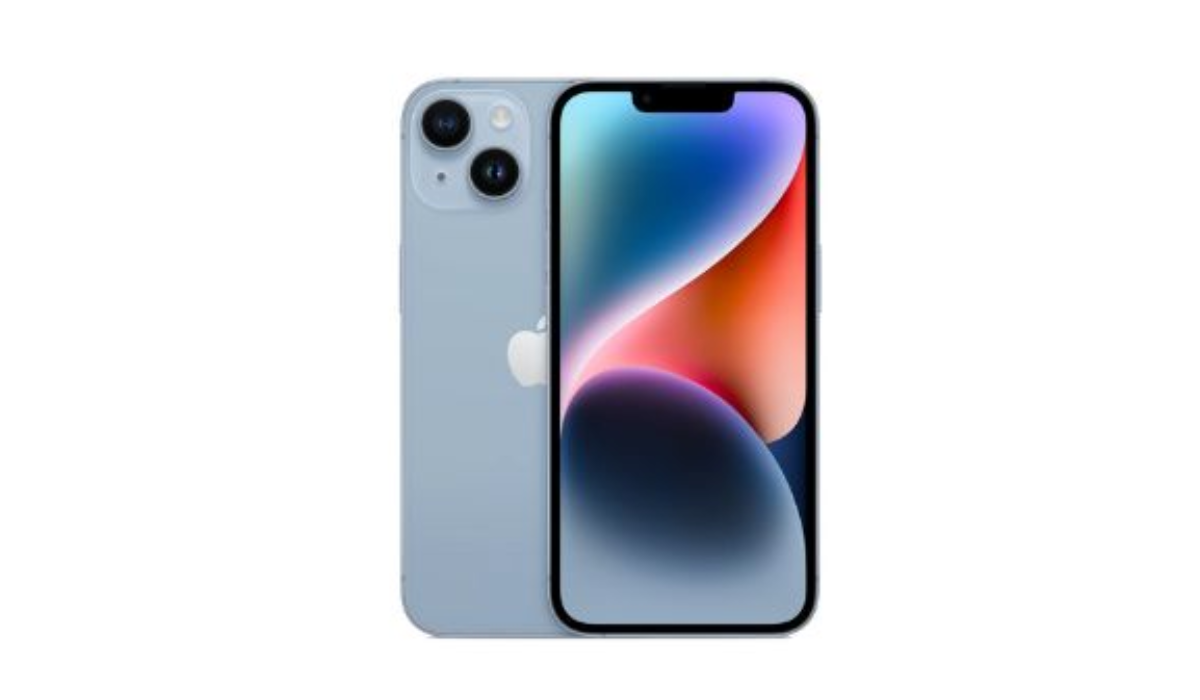
The iPhone 14 Plus is the best iPhone for battery life, even though the iPhone 14 Pro Max could outperform it in some situations. The iPhone 14 Plus will almost always last longer because it doesn’t have more demanding power features like an Always On display and ProMotion .
iPhone 14 Pro Max
The iPhone 14 Pro Max has the largest battery of any iPhone, also with a 4,323 mAh capacity. Your iPhone 14 Pro Max can play music all day long thanks to its 95-hour audio playback battery life. Long movie nights are made possible by its ability to stream for 25 hours and play videos for 29 hours.
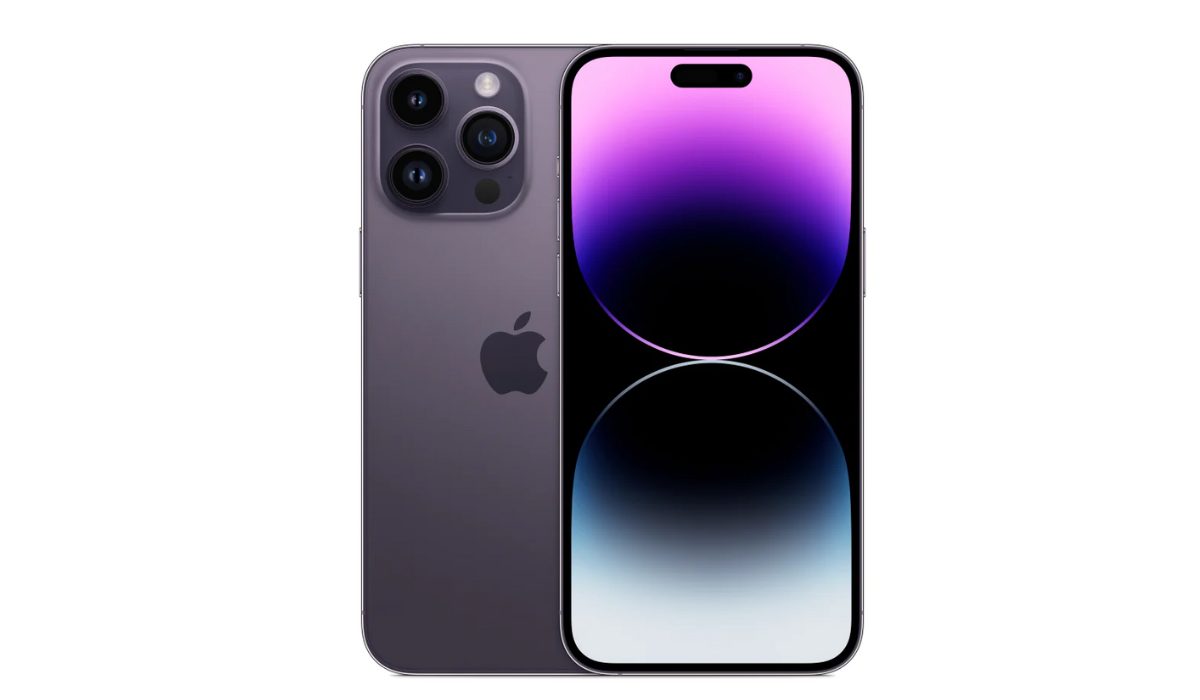
In addition, the iPhone 14 Pro Max has a 48MP camera, which is excellent for taking pictures and videos, and a 6.7-inch 120Hz display with an “ Always-On ” option. Additionally, it has Dynamic Island, a fresh feature that enables you to quickly glance at your phone’s activity.
iPhone 13 Pro Max
Many iOS users applauded the iPhone 13 Pro Max for having a large battery capacity that can last for hours even before the arrival of the iPhone 14 in 2022. The iPhone 13 Pro Max still has a strong battery life that rivals that of recent models.
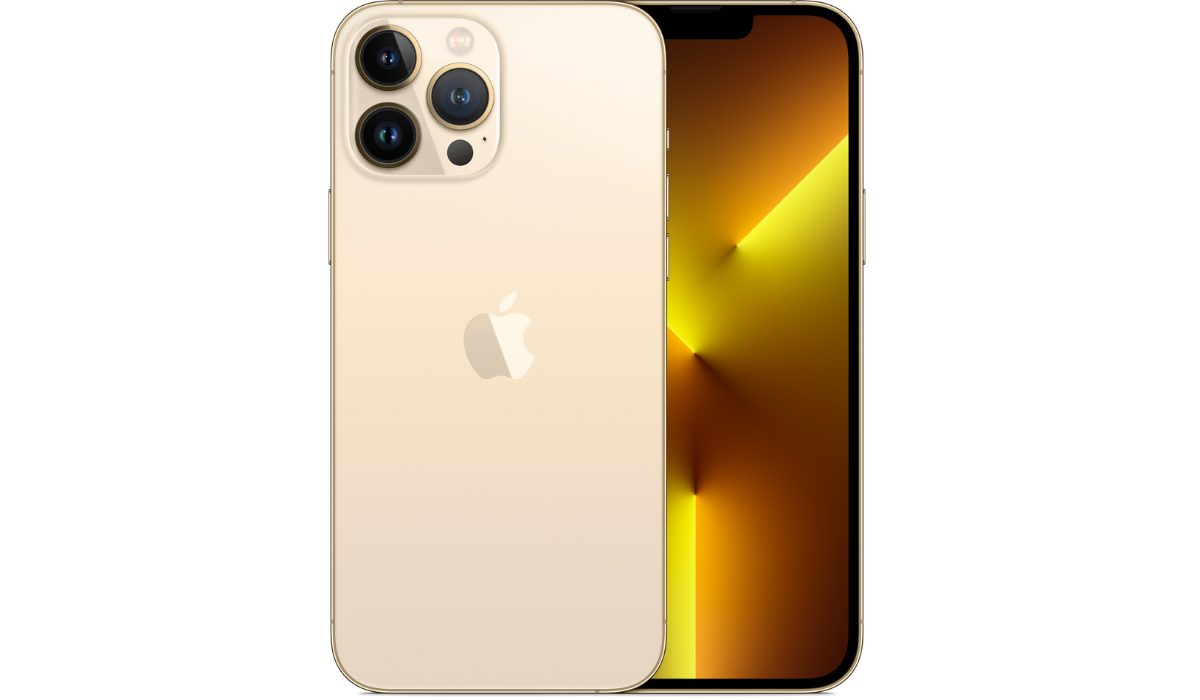
It can play videos for up to 28 hours, which is not much longer than the iPhone 14 Pro Max, which can play videos for up to 25 hours and audio for up to 95 hours. Additionally, this model has a scratch-resistant, super retina display that makes it ideal for streaming and playing games.
iPhone 13 Pro
The iPhone 13 Pro has a battery life of 12 hours on average. It can also play videos for 22 hours, streaming video for 20 hours, and audio for 75 hours, which means you can watch movies and listen to music all day with this phone.
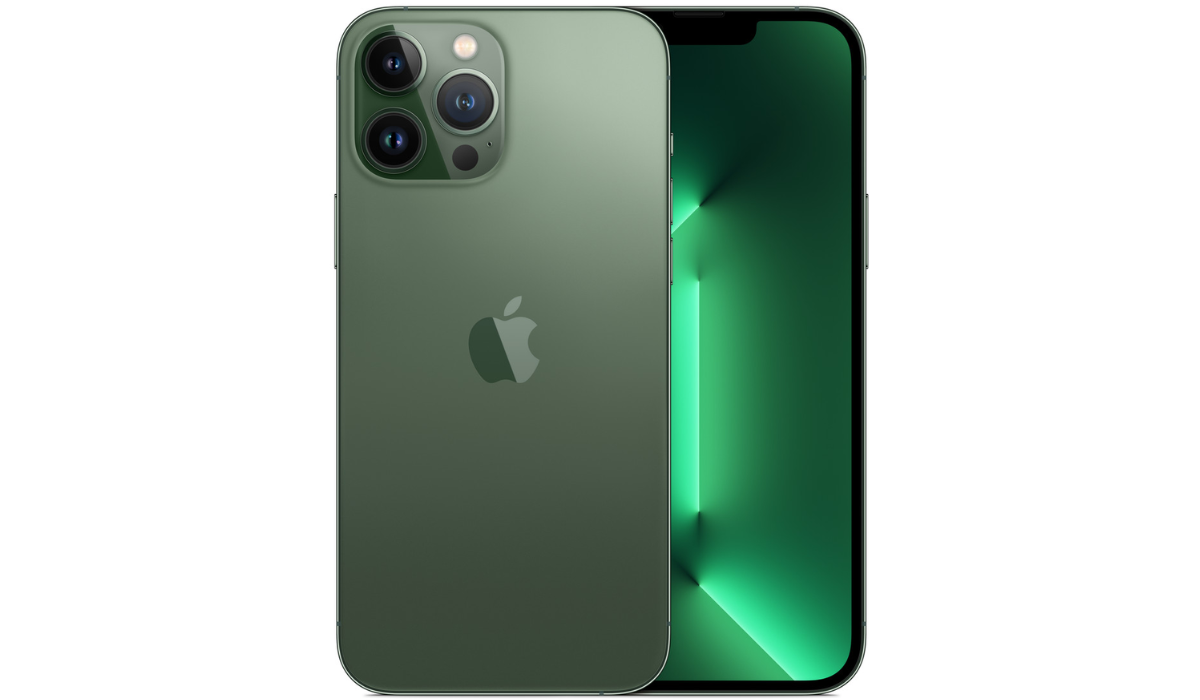
The iPhone 13 Pro, like the iPhone 14, is fast-charging capable, which means you can charge it up to 50% in 30 minutes with a 20W charger. The ceramic shield screen on the iPhone 13 also makes it more durable than other phones on the market.
iPhone 11 Pro Max
The iPhone 11 Pro Max still has a substantial battery life that can last through hours of use, despite having been released in 2019. For a model that was released almost four years ago, it can play videos for 20 hours and audio for 80 hours.
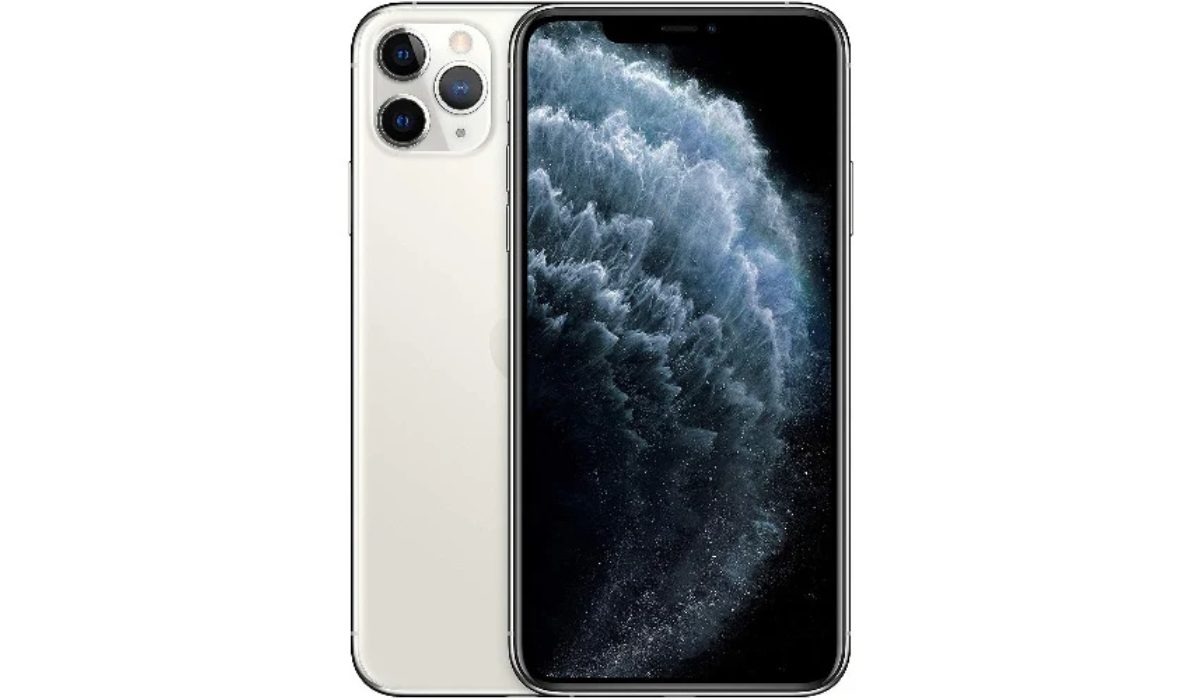
The iPhone 11 Pro Max has a triple camera system, a 6.5-inch super retina display, and long battery life in addition to these advantages. These features provide you with a clear, colorful display. With 12 megapixels on each of the cameras in this model, you can shoot sharp pictures.
To conclude, the iPhones described above have the best and longest battery life and can last really long, even with heavy usage. However, it’s important to keep in mind that battery life can vary depending on usage and other factors, so it’s always a good idea to monitor your phone’s battery usage and adjust settings as needed to maximize battery life. If you need a guide to get the best apps and devices available, check out this category .
Author:Joan Agie
Add MobilityArena as a preferred source on Google
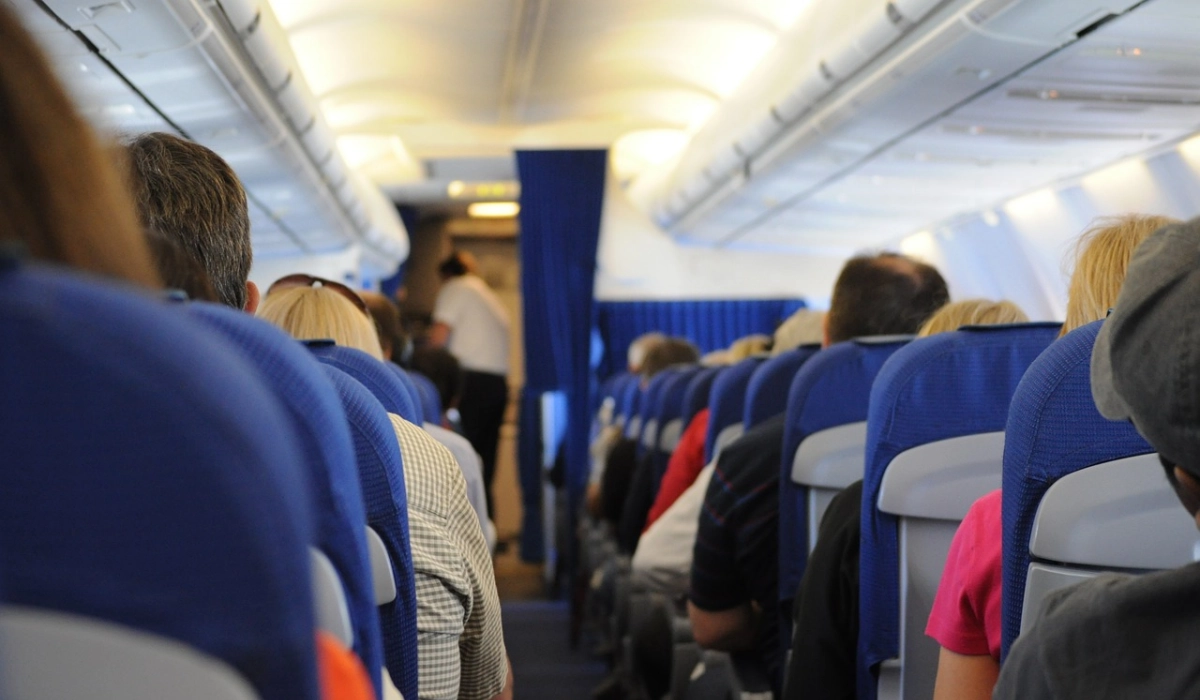
If you have ever been on a flight, one of the I structions given to passengers before the plane takes off is to put off their cell phones. It is a regulatory rule. Perhaps you have wondered why this rule exists and wondered what would happen if you didn’t turn off your cell phone on a plane.
Of course, the rule exists for a reason. But there is one other practical reason why you should do it. I explain both reasons to switch off your cell phone on a plane below.
- Reason to Turn Off Your Cell Phone on a Plane
- In The Future
- Turn It Off Or Switch to Flight Mode
Reason to Turn Off Your Cell Phone on a Plane
The number one reason I will give you is the extremely practical one that has an impact on you. Up in the air during a flight, your mobile phone is outside of the coverage area of any cell towers. In this scenario, your phone will keep searching for available networks to connect to, afterall it has no built-in intelligence to tell it that it is a futile activity during a flight. And I daresay that perhaps this is something that cell phone manufacturers should implement via AI.
But for now, your phone does not know that it is on a plane thousands of meters above cell phone towers and it keeps searching. This is a heavy drain on the battery, and depending on what resources you have available to charge it, you just might end up with a dead phone when you arrive at your destination. A dead phone on arrival is a bad idea, as you often need to communicate; right? So turn off your cell phone on a plane to preserve its battery charge.
Mobile phones connect wirelessly via electromagnetic waves, the very same waves that aircraft avionics and other tools use. As such, having your cell phone switched on during a flight presents a risk of interference with the aircraft’s electronic equipment.
That is a risk of things going wrong while you are flying at up to 5 miles (about 9 kms) and more in the plane. Experts say that it is best to avoid the risks of this happening, he CE the regulation requiring you to switch off your cell phone on a plane.
Yes, there are no conclusive studies showing that any aircraft accidents have been from electromagnetic interference from mobile devices of any kind, but the risk remains.
In The Future
It is likely that in the future, this risk may be proven to not exist. In the future, AI-equipped cell phones will also probably be able to tell when they are up in the air and stop searching for mobile networks till they drop back to ground level. This will eliminate the fast battery drain that happens when your device is continually searching for available mobile networks. Also, in the future, and it is happening already, we will see more phones with the capacity to connect via satellite technology and so be usable on a plane no matter how high the flight ceiling is.
Turn It Off Or Switch to Flight Mode
Those will be exciting times. But for now, it is generally a good idea to turn off your cell phone on a plane, or put it in Airplane Mode. Putting your phone in Airplane Mode (also called Flight Mode, Aeroplane Mode, Offline Mode, and Standalone Mode) turns off all the wireless communications of the phone, so you can still use it to take pictures, listen to on-device music, read offline documents, etc.
Author:Mister Mobility
Digital Skills and Communication Coach | Mobile Phone Connoisseur since 2001 | Tech Blogging since 2004
