Add MobilityArena as a preferred source on Google
Electric vehicles (EVs) have come a long way in recent years, but let’s be honest — many of them are still out of reach for the average driver. The sleek Tesla Model S or the luxurious Audi e-tron are great, sure, but their price tags make them more of a dream than a reality for most people. That’s why 2025 is shaping up to be such an exciting year for anyone who’s been waiting on the sidelines. With affordable EVs on the horizon, models like Tesla’s rumored Model Q and Volkswagen’s upcoming ID.2 are aiming to bring electric driving to the masses. These next-generation vehicles promise to deliver impressive performance, modern tech, and the all-important eco-friendly edge — without the luxury price point. What makes this shift so significant is how it opens the door for more people to finally consider making the switch. Until now, EV ownership has felt exclusive. But with affordable EVs on the horizon , we’re talking about a whole new chapter in transportation — one where cost is no longer a dealbreaker. Whether you’re a tech enthusiast excited about new innovation or someone simply looking for a smart, sustainable ride, these budget-friendly EVs could be game-changers. Affordable EVs on the horizon aren’t just about saving money — they’re about reshaping the future of how we move.

- Best Picks for Affordable EVs on the Horizon Tesla Model Q: The $25,000 Game Changer Volkswagen ID.2: The Stylish European Contender
- Why Affordable EVs Matter for Mass Adoption
- Challenges Ahead
- Conclusion
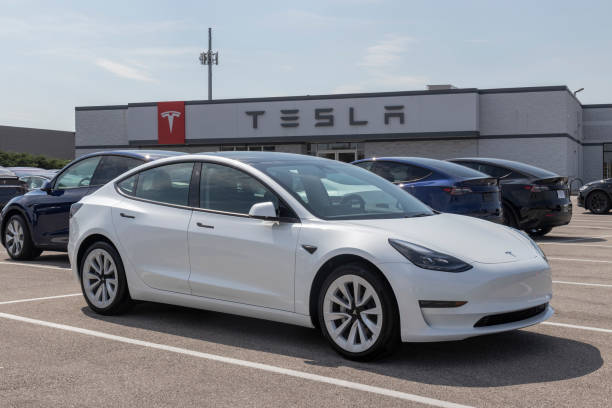
Best Picks for Affordable EVs on the Horizon
Tesla Model Q: The $25,000 Game Changer
Tesla is no stranger to innovation, but the Model Q (also known as Model 2) is a bold new chapter. Expected to roll off production lines as early as July 2025, this compact EV is rumored to start at around $25,000—a price point that’s downright revolutionary for Tesla. This is Elon Musk’s answer to the rising competition from Chinese automakers and a clear bid to bring Tesla’s technology to the masses.
Despite the affordable price, the Model Q isn’t skimping on performance. It’s expected to deliver a solid 250-300 miles of range, making it suitable for both city commutes and longer trips. Plus, full compatibility with Tesla’s Supercharger network means fast, convenient charging—no more hunting for a plug in the dark.
By leveraging existing production facilities in Fremont and Giga Texas, Tesla is speeding up the timeline to get this car into more driveways. The Model Q’s minimalist design and efficient LFP battery technology help keep costs down without sacrificing Tesla’s signature innovation and quality.
Volkswagen ID.2: The Stylish European Contender
Not to be outdone, Volkswagen is gearing up to launch the ID.2, a compact hatchback designed with affordability and sustainability in mind. Expected to debut in early 2025, the ID.2 is priced around $27,000, putting it squarely in the budget-friendly EV category.
The ID.2 sports Volkswagen’s signature minimalist style with aerodynamic lines and bold LED lighting, making it a head-turner in urban environments. Inside, expect a spacious cabin with eco-friendly materials and a tech-forward infotainment system that keeps you connected.
Performance-wise, the ID.2 is rumored to pack around 200 horsepower with a range of approximately 250 miles—enough juice for daily driving and weekend getaways. Fast charging capabilities allow for an 80% charge in about 30 minutes, perfect for those on the go.
Volkswagen’s ID.2 is part of a broader strategy to electrify its entire fleet by 2030, and this model is a key piece in attracting a wider audience who want electric without the premium price.
Why Affordable EVs Matter for Mass Adoption
The big question: will these affordable EVs actually drive mass adoption? The answer is a hopeful yes, and here’s why:
- Price Barrier Breaks Down: The high upfront cost of EVs has been the biggest hurdle for many buyers. Models like the Tesla Q and VW ID.2 bring prices closer to traditional internal combustion engine (ICE) vehicles, making EVs accessible to a broader demographic.
- Range Anxiety Eases: With ranges around 250-300 miles, these affordable EVs can cover most daily driving needs and more, reducing one of the main consumer fears.
- Charging Infrastructure Integration: Tesla’s Supercharger network and VW’s fast-charging plans mean that charging won’t be a hassle, even for budget-conscious buyers.
- Sustainability Becomes Practical: By offering affordable, efficient, and eco-friendly vehicles, manufacturers are helping shift public perception of EVs from luxury toys to practical, everyday machines.
- Global Market Impact: Affordable EVs from major players like Tesla and Volkswagen will push competitors to innovate and lower prices, creating a positive ripple effect worldwide.
Challenges Ahead
Of course, it’s not all smooth sailing. Producing affordable EVs at scale while maintaining quality and profitability is a tough balancing act. Tesla’s Model Q may compress profit margins, and Volkswagen faces fierce competition in the compact EV segment. Additionally, governments and industries need to ramp up charging infrastructure and battery production to meet growing demand.
Conclusion
The rise of affordable EVs on the horizon — like Tesla ’s Model Q and Volkswagen’s ID.2 — could finally make electric vehicles a practical choice for the everyday driver. These new models are doing more than just cutting prices; they’re offering real value with solid range, modern features, and the kind of reliability people expect. With affordable EVs on the horizon, the shift from gas to electric feels more within reach than ever. No longer just for early adopters, EVs are becoming a smart, accessible option for more households. So if you’ve been waiting for the right time to make the switch, know that affordable EVs on the horizon are driving us all toward a more sustainable future — one driveway at a time.
Author:Ifeoluwa Adeleke
Add MobilityArena as a preferred source on Google
The electric vehicle (EV) movement is gaining serious momentum in 2025, but it’s not all smooth driving. Like any big shift in technology, there are a few bumps in the road. According to BloombergNEF’s Electric Vehicle Outlook 2025, the global EV market is hitting new highs with record sales, but it also reveals a more complex story—with growth patterns varying by region and a few surprising slowdowns in some areas. The Electric Vehicle Outlook 2025 highlights how certain markets are accelerating faster than others, with China and Europe leading the charge, while North America is picking up pace more gradually. It also points out challenges such as battery supply chain constraints and policy uncertainty in some regions. Still, the overall picture remains optimistic, showing a clear shift toward cleaner, more sustainable transportation. For anyone interested in where the EV industry is really headed, the Electric Vehicle Outlook 2025 is a must-read. It’s not just about flashy car models—it’s about understanding the evolving landscape of global transportation and what it means for the future of driving. So buckle up—EVs are here to stay, and the road ahead is full of exciting turns.

- Record-Breaking Global Sales—But Not Everywhere
- The U.S. Market’s Bumpy Road
- Emerging Markets: The Unsung Heroes
- Market Share and Vehicle Types
- What’s Next? The Road Ahead for EVs
- A Half-Full Glass with a Dash of Optimism
- Conclusion
Record-Breaking Global Sales—But Not Everywhere
According to BloombergNEF, nearly 22 million battery electric and plug-in hybrid vehicles are expected to be sold globally in 2025—up a whopping 25% from 2024. That’s roughly one in four new cars sold worldwide this year being electric, a dramatic leap from less than 5% just a few years ago. The driving forces? Falling lithium-ion battery costs and a ramp-up in affordable EV models hitting the market.
But here’s the kicker: China dominates the global EV scene, accounting for nearly two-thirds of all EV sales. In fact, China’s annual EV sales are projected to surpass the total number of new vehicles sold in the entire U.S. next year. Europe follows with about 17% of sales, while the U.S. lags behind at a modest 7% share.
The U.S. Market’s Bumpy Road
While EV adoption is booming globally, the U.S. market is experiencing a notable slowdown. BloombergNEF has lowered its short- and long-term EV adoption forecasts for the U.S., citing shifting regulatory policies as the main culprit. Rollbacks of federal fuel-economy standards, the phasing out of EV tax credits, and potential changes to California’s ability to set its own air quality rules have created uncertainty that’s slowing sales growth.
The outlook now expects U.S. EV sales to grow from 1.6 million in 2025 to 4.1 million in 2030, making up 27% of new passenger vehicle sales by the decade’s end—a significant downgrade from previous estimates that predicted nearly half of sales would be electric by then. This policy turbulence also impacts global battery demand, leading to overcapacity and underutilized manufacturing plants, especially in China.
Emerging Markets: The Unsung Heroes
While the U.S. slows down, emerging markets in Asia and Latin America are surging ahead. Thanks largely to affordable EV models from Chinese automakers, these regions are seeing record sales growth. In rural China, for example, extended-range plug-in hybrids with smaller batteries are popular, offering practical electric driving even where charging infrastructure is sparse.
This shift is vital because it spreads EV adoption beyond wealthy urban centers and into broader populations, helping electrification become truly global.
Market Share and Vehicle Types
Battery electric vehicles (BEVs) continue to outpace plug-in hybrids (PHEVs) in sales, with BEVs expected to dominate the market share moving forward. The diversity of EV types—from compact cars to SUVs and even buses and two- and three-wheelers—is broadening, making electrification accessible to more users and use cases.
What’s Next? The Road Ahead for EVs
- Battery Costs Keep Falling: Continued declines in lithium-ion battery prices will make EVs more affordable, fueling further adoption.
- Charging Infrastructure Expansion: Investment in fast-charging networks remains critical to ease “range anxiety” and support mass adoption.
- Policy Uncertainty: The U.S. and some European markets face challenges that could slow growth unless policies stabilize or improve.
- Emerging Market Growth: Affordable EVs tailored to local needs will drive electrification in new regions, expanding the global footprint.
- Electrification Beyond Cars: Buses, trucks, and two- and three-wheelers are electrifying rapidly, contributing to emissions reductions on a larger scale.
A Half-Full Glass with a Dash of Optimism
Despite the U.S. slowdown and some policy headwinds, the global EV market is on a historic growth trajectory. Plug-in vehicles making up 25% of new sales worldwide is no small feat. China’s leadership and emerging market momentum are pushing the needle forward, while technological advances and cost reductions continue to make EVs more accessible.
For tech enthusiasts, this means the EV ecosystem will keep evolving rapidly—more models, smarter batteries, faster chargers, and deeper integration with renewable energy and smart grids. It’s an electrifying time to be watching the automotive world.
Conclusion
The Electric Vehicle Outlook 2025 from BloombergNEF shows that while the EV revolution is picking up speed, the journey looks different around the world. Some countries are charging ahead with strong growth, while others are still navigating challenges. The Electric Vehicle Outlook 2025 makes it clear: to see real global progress, we need a balance of smart policies, better infrastructure, ongoing innovation, and affordable options for consumers. If there’s one takeaway from the Electric Vehicle Outlook 2025, it’s that the shift to electric is happening — but how fast and how far we go will depend on the choices we make now.
