Add MobilityArena as a preferred source on Google
I am an avowed lover of Google’s Android One project. I have followed the project closely and owned a handful of Android One devices, including: Nokia 7 Plus, Nokia 6.2, Nokia 3.1 Plus, and Nokia 6.2, among others. But even I must admit that as far as meeting one of the objectives of the programme is concerned, Android One has been a monumental failure.
The Android One programme is built on two key pillars, which are to produce the following:
- smartphones that run pure Android OS
- smartphones that offer speedy Android software updates
Does Android One need to die?
While all Android One phones have lived up to the objective of the first pillar – they all run stock Android OS – as far as speedy updates are concerned, Android One has been a farce. There has been nothing speedy about the software updates for any of the Android One smartphones in the market in the last four years.
Manufacturers like Nokia, Xiaomi, Infinix, Motorola, BQ, HTC, Genral Mobile, and others have all produced Android One smartphones. Not one of them have lived up to the ideal of speedy updates.
Google’s goal for the programme was that manufacturers should be able to rollout software updates within days or even a few weeks of the rollout of new Android versions. For example, Google Pixel phones start getting a new software update the day it is announced. Essential PH-1 was the only other phone that lived up to this ideal and got a new update the same day Google pushes it out.
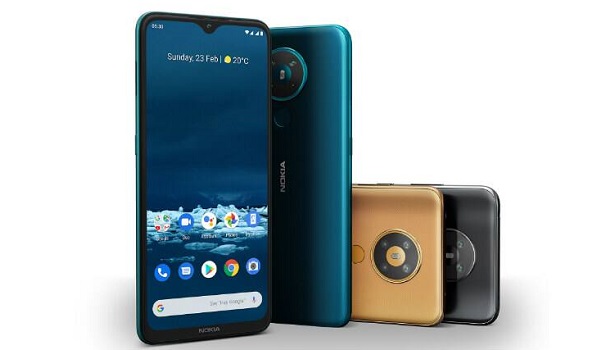
Nokia 5.3 is an Android one smartphone
But there is not one smartphone from Nokia or Motorola or any of the other Android One brands that has pushed out software updates speedily. Owners of thsoe devices wait months – many months mostly – before the update is available.
For example, Google officially rolled out Android 10 on September 3rd, 2019. My Nokia 6.2 did not get it until April 19, 2020 . That was 7 months after. And as we speak, some Nokia smartphones that are eligible for Android 10 are yet to get it. Note that Android 11 is already official and rolling out to various devices.
There is not one manufacturer that has lived up to the promise of speedy updates for Android One phones. Not even Nokia, the bright and shining knight and champion of the programme.
To make it worse, almost every other manufacturer that was on the programme has jumped off, having discovered that delivery software updates isn’t a walk in the park. It is a long list too. Xiaomi is out. Infinix is out. Motorola has not made any statement about exiting the proramme, but they have stopped mentioning Android One in their phone specs and promotional materials.
Only Nokia remains officially championing Android One, and as already noted, the software updates are anything but speedy. Not even Nokia’s premium flagships get software updates speedily.
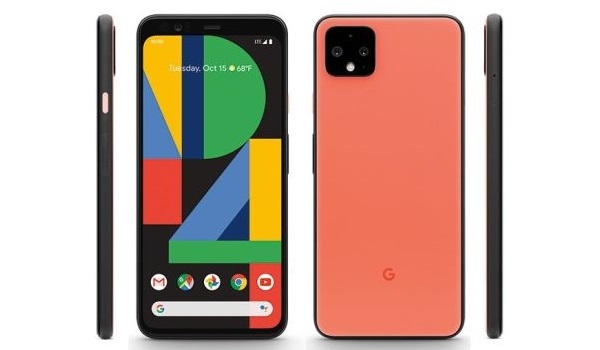
Google Pixel 4 Oh So Orange
The Android One programme needs to die and go away, because as things are right now, it exists only in name. If you want stock Android OS and speedy software updates, buy a Google Pixel device.
Or perhaps manufacturers need to stop making false promises of fast and timely updates, so our expectations do not keep getting dashed. Personally, unless things change with the current slow pace of Android updates, I am done with Android One. Can we have Android Two, please, whatever that may turn out to be?
Author:Mister Mobility
Digital Skills and Communication Coach | Mobile Phone Connoisseur since 2001 | Tech Blogging since 2004
Add MobilityArena as a preferred source on Google
Cross platform smartphone comparisons can throw up a subtle combination of interesting and confusing features for the everyday buyer. Not only do you have to grapple with a number of different (and occasionally confusing) specs, you also need to arrive at the better smartphone (if the comparison has a clear winner) and justify your buying decision.
Today’s battle sees two mid-range smartphones in the Samsung Galaxy A20s and Redmi Note 8 (6GB) take different sides of the divide. This match-up brings two rather popular 2019 mid-rangers against each other.
Both smartphones coincidentally launched in September of 2019, with solid specs, great cameras, durable batteries and a number of other features we will be taking a deeper look into shortly.
Our first point of duty takes us to the specifications on both smartphones in a side-by-side manner.
Samsung Galaxy A20s vs Redmi Note 8 Comparison Table
Here, we take a closer look at what both smartphones have to offer us.
| Samsung Galaxy A20s | Redmi Note 8 |
|---|---|
| 2G, 3G, 4G | 2G, 3G, 4G |
| 6.5 inches, 720 × 1560 pixels, 19.5:9 aspect ratio, IPS LCD display | 6.3 inches, 1080 × 2340 pixels, 19.5:9 aspect ratio, IPS LCD display |
| Android 9 Pie + One UI | Android 9 Pie + MIUI 10 |
| Octa-core Qualcomm Snapdragon 450 (14nm), 1.8GHz | Octa-core Qualcomm Snapdragon 665, 2.2GHz |
| 8MP selfie camera | 13MP selfie camera |
| 13MP + 8MP + 5MP triple rear cameras with LED flash | 48MP + 8MP + 2MP + 2MP quad rear cameras with LED flash |
| 32/64GB internal storage + dedicated microSD card slot up to 512GB | 64/128GB internal storage + dedicated microSD card slot up to 256GB |
| 3/4GB RAM | 4/6GB RAM |
| 4,000mAh battery with 15W fast charge | 4,000mAh battery with 18W Fast charge |
| ₦55,500 | ₦50,000/₦60,000/₦70,000 |
Samsung Galaxy A20s vs Redmi Note 8: Where The A20s Gains The Edge
The A20s is a cheaper option than its rival’s 6GB RAM variant (the variant under the microscope today), costing about ₦14,500 less than the Note 8. It also has a larger display (albeit with a significantly lower resolution) than its rival.
This smartphone weighs less than the Note 8, making it relatively easier to carry. It also supports high data transfer speeds (4G connectivity), giving users the opportunity to enjoy surfing the internet seamlessly.
It offers more external storage than the Note 8, with 512GB of external memory for users to store any extra information they want to.
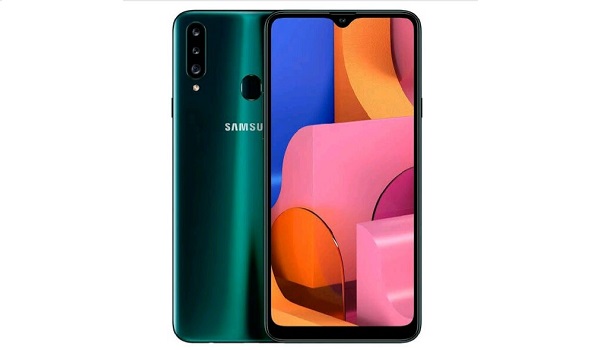
Samsung Galaxy A20s 2019
Samsung Galaxy A20s vs Redmi Note 8: Where The Note 8 Gains The Edge
The Note 8 has more RAM and onboard storage than its rival. It also brings a Qualcomm chipset with faster processing speeds under its hood.
The Note 8 has a battery pack with the same rating (4,000mAh) as its rival, but offers a faster charging rate than the A20s. It also provides a much higher screen resolution despite having a smaller display than the A20s.
In the camera department, this smartphone offers four rear cameras (one more than the A20s) and a 13MP selfie camera. Despite featuring more cameras (with better-looking numbers) than the A20s, this seemingly “better” camera setup does not necessarily promise a better photography experience.
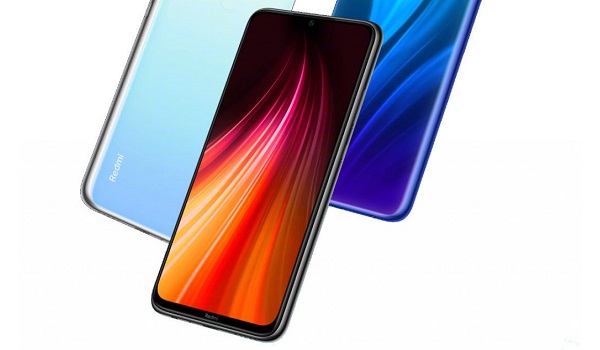
Samsung Galaxy A20s vs Redmi Note 8: Which Of These Devices Should You Go With?
In this Samsung Galaxy A20s vs Redmi Note 8 match-up, we have laid out what both devices have to offer us in terms of specs, features, and of course, price ranges. Now, the important question that’s been playing up on everyone’s mind comes up… which of these mid-range smartphones should you go for?
The A20s offers a number of good specs wrapped in a solid build and at a fair price. It boasts a larger display and has more external storage space than the Note 8. It also supports 4G technology and is cheaper than the Note 8.
The Note 8 shares a similar Android OS version (Android 9 Pie) as its rival. It also brings more RAM and onboard storage to the fore. Its battery pack charges faster than the A20s’, while it also brings a faster chipset and more rear cameras to the table.
The Note 8 comes out tops in this match-up. In spite of its higher price point, its better specs (RAM, display resolution, onboard storage) see it win this head-to-head.
Author:Alfa Baye
Staff Writer
