Add MobilityArena as a preferred source on Google
As a smartphone enthusiast, your primary interest in Google IO 2022 is likely the announcement of Pixel 6a 5G and of Android 13 features. In addition to that, news of the Pixel Bud Pro, Pixel Watch and Wear OS 3 just might catch your fancy as well. The event has come and gone, and we have compiled the product key announcements for your convenience.
- New Google Wallet
- Google Pixel 6a 5G
- Pixel Buds Pro
- Android 13 Developer Preview is rolling out
- Google Pixel Watch coming in Fall 2022
- Pixel 7 and 7 Pro are on the way
- Pixel Tablet in the works
New Google Wallet
If you are wondering, yes; a new Google Wallet has been announced. It supports debit/credit cards, digital IDs, vaccine certificates, and NFC for contactless payments, and will be available for Android and Wear OS devices in the coming weeks in “over 40 countries”.
Google Pixel 6a 5G
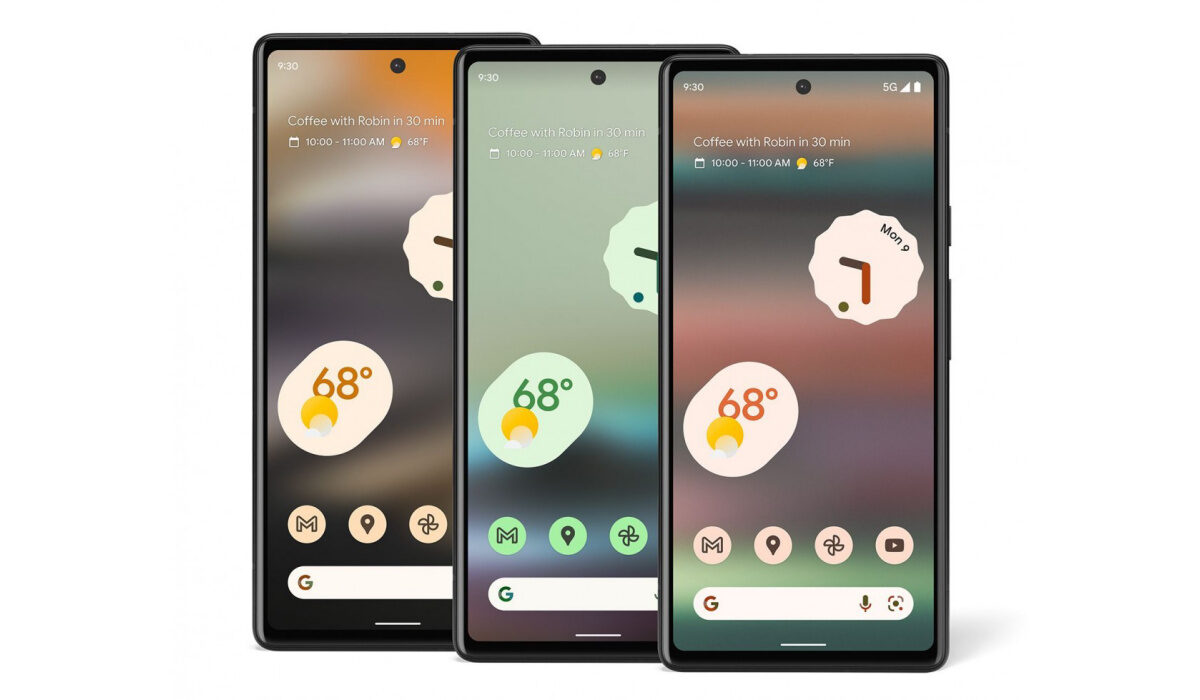
The Pixel 6a 5G is official and a bit of a mixed bag. Here are the specs:
- 6.1-inch display, 60Hz refresh rate, OLED, Gorilla Glass 3
- 6 GB RAM
- 128 GB built-in storage
- 4410mah battery
- 18W fast charging
- IP67 waterproof rating
- 5G network support
- Price: $449
We would have loved to see at least 90Hz refresh rate in that display, as well as faster charging. And Gorilla Glass 3 is almost a dinosaur now, if we are being honest. The Pixel 6a will be available in select markets from July 28.
Pixel Buds Pro
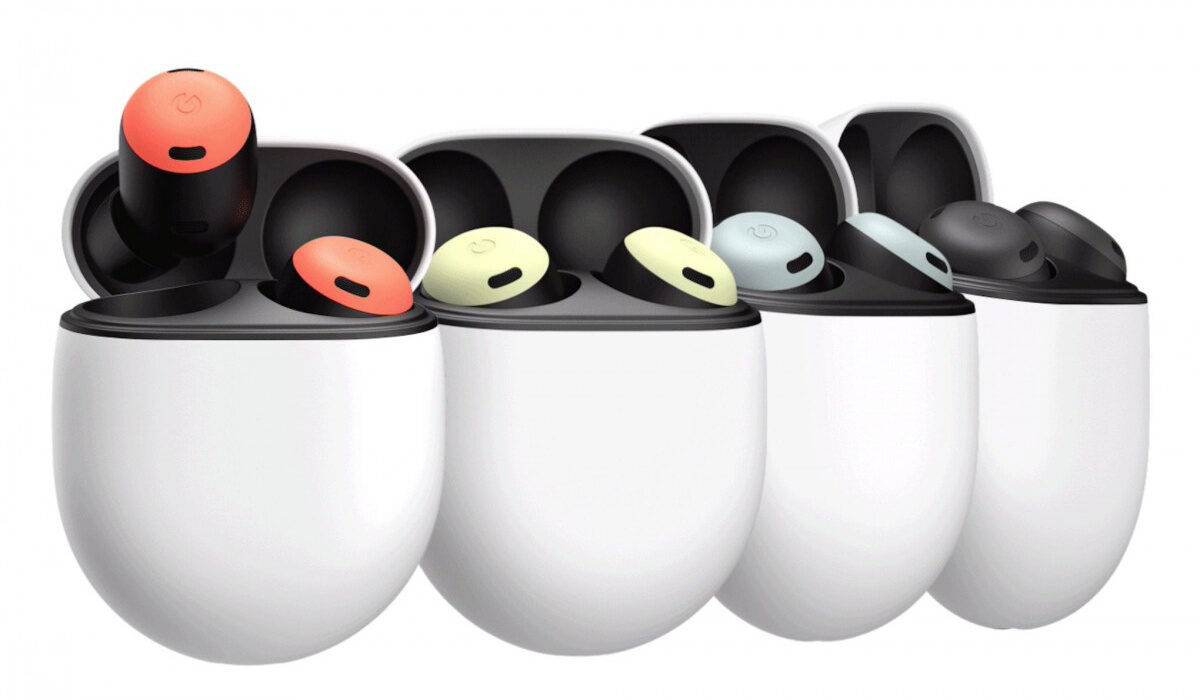
Another product announced at Google IO 2022 are the new premium Pixel Buds Pro in-ear wireless earbuds with Active Noise Cancellation. They have IPX4 water resistance, and the case is IPX2 water resistant.
The Pixel Buds Pro come in four colour options: Coral, Lemongrass, Fog and Charcoal, and carry a $199 price tag. They are available to order from July 21.
Android 13 Developer Preview is rolling out
Android 13 Developer Preview is rolling out to a number of devices, including: OPPO Find N, Find X5 Pro, OnePlus 10 Pro, and Relate GT 2 Pro. The preview is based on Android 13 beta 1 and meant for developers to test and fine-tune their apps. If you’re up for the adventure, why not? Do bear in mind that this version is not meant for every day use and can bug the heck out of you, should you install it.
Google Pixel Watch coming in Fall 2022
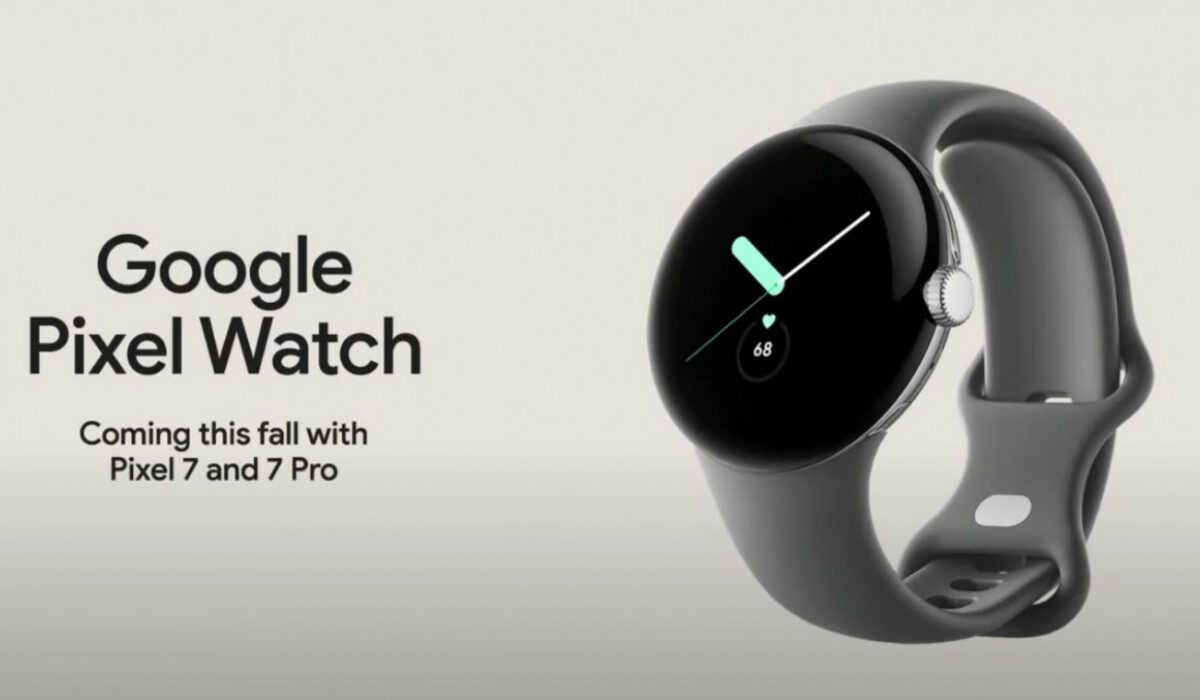
The much-anticipated Pixel Watch was not announced today at Google IO 2022. Instead, Google says it will be announced alongside the Pixel 7 and 7 Pro later in the year. You can expect it to come with Fitbit integration, which means all the great tools you expect, including fitness tracking, continuous heart rate tracking, and sleep tracking, among others.
Pixel 7 and 7 Pro are on the way
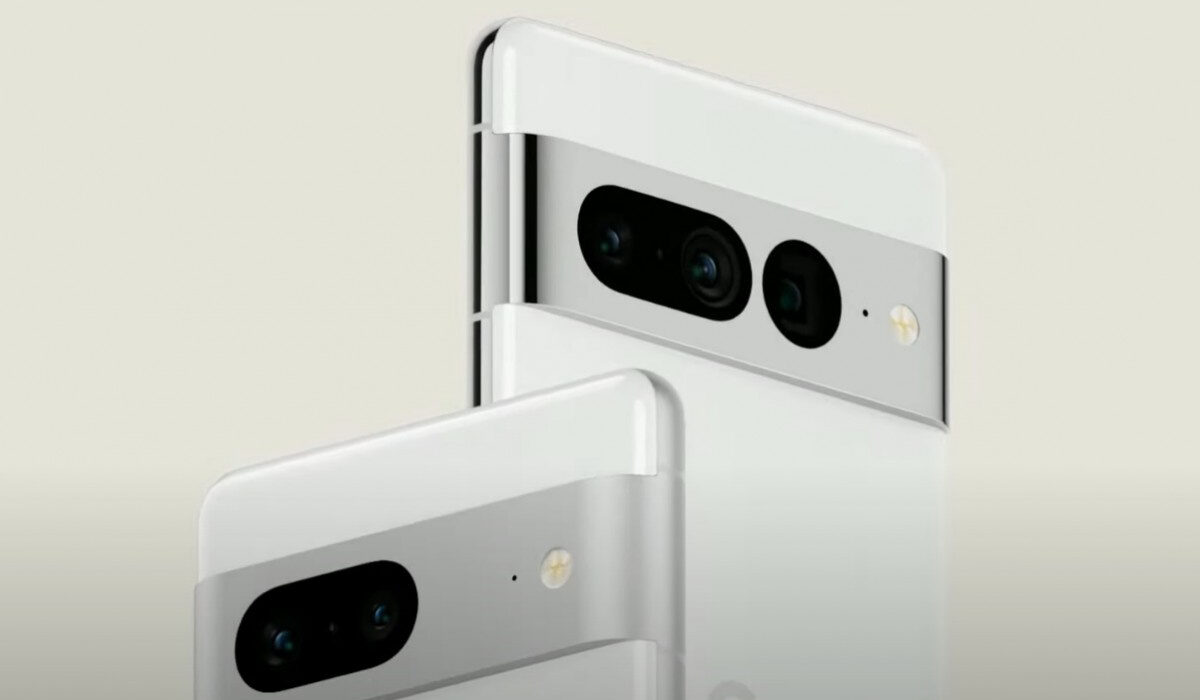
The Pixel 7 and 7 Pro were not announced at Google IO 2022, but will arrive later in the year. They will be powered by the next generation Tensor chipset. While the Pixel 7 will have two cameras at the back, the 7 Pro will have three.
Pixel Tablet in the works
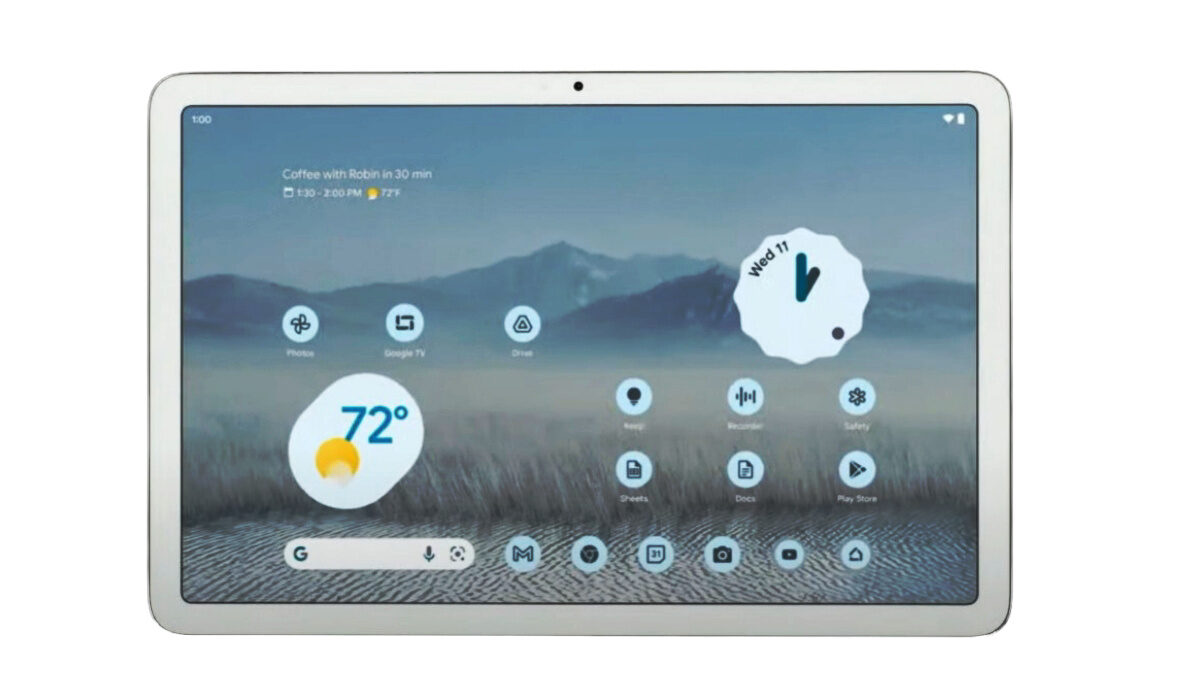
Google is working on a Pixel tablet too, to compliment the Pixel phones, and they provided a sneak peak of what it looks like at Google IO 2022. The company did not provide details, except that it will be powered by a Tensor chipset. When can you expect to see it in the market? Google did not say.
And it is a wrap with Google IO 2022. Which of the products announced at this event have you excited? Will you be buying the Pixel 6a when it becomes available, or waiting for the Pixel 7, or perhaps opting for a Pixel 6 or 6 Pro instead?
Author:MobileChic
That motivated, gadget-loving geeky chic who tries to stay on top of things. Unapologetic iFan.
Add MobilityArena as a preferred source on Google
If you pay attention to smartphone camera features and specs, you will have heard phrases like optical zoom, digital zoom, hybrid zoom, telephoto camera, periscope camera, and the like. It is easy to get confused about all those terms, but don’t worry, I am here to break them down so you understand them easily.
So, this article is about zoom and the different ways it happens. That’s the foundation. What does it mean to zoom? It means to make an item or object appear closer or further away in an image. If you zoom, you get a closer look at the object. Zooming in narrows down the focus of the image. If you zoom out, the object appears to be farther off and you capture a wider area.
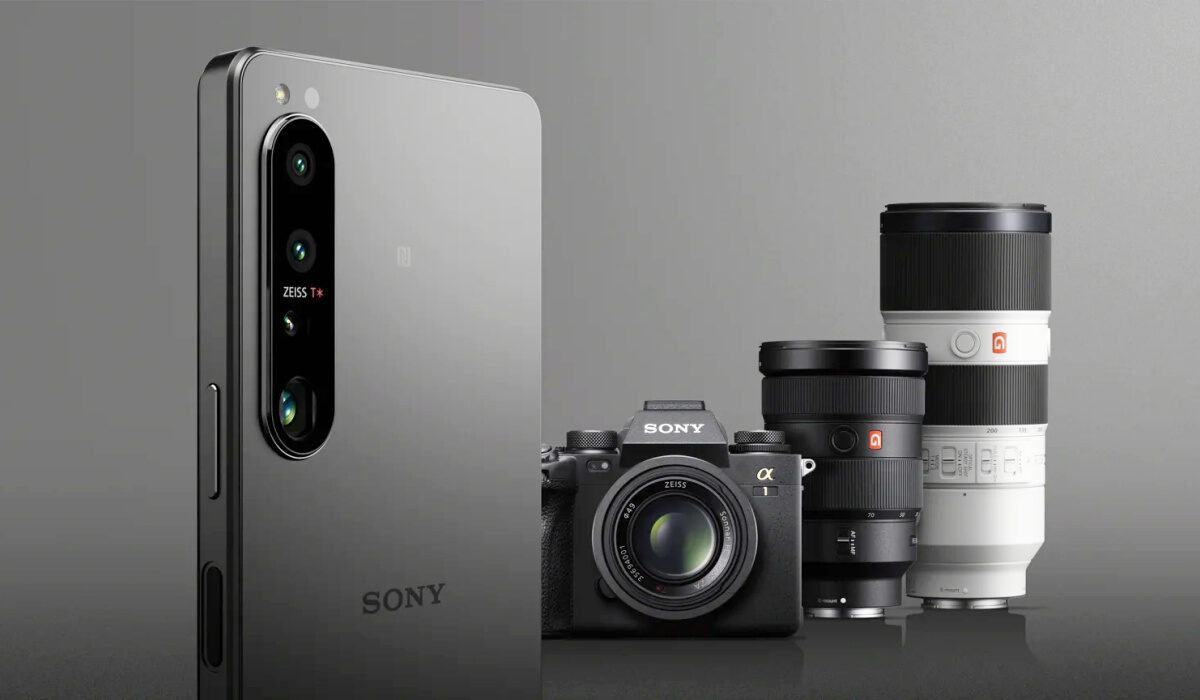
What is optical zoom? Optical zoom involves a physical camera lens movement, which changes the apparent closeness of the image subject by increasing the focal length. To zoom in, the lens moves away from the image sensor, and the scene is magnified. It is useful to think of digital zoom as photo-processing software built into your camera.
- Optical Zoom and Digital Zoom are two different ways to do the same thing
- Which is better?
- What of hybrid zoom? Is hybrid zoom better than optical zoom? Does optical zoom lose quality? How does a phone optical zoom work? What is the best kind of zoom? What is a periscope camera? Which is better optical zoom or digital zoom? What is optical zoom on a phone?
Optical Zoom and Digital Zoom are two different ways to do the same thing
Optical zoom uses a physical magnifying lens to zoom in. Remember what a magnifying glass from physics class? When you hold one in front of you to view an object, the object appears closer. Now, imagine a small magnifying glass in your camera phone for zooming. That is how optical zoom works. The magnifying lens is also called an optical lens.
Digital zoom, on the other hand, does not require a physical magnifying glass. Instead, it works by using software to achieve the magnification. Really? Can software do that? Yes; it can. Actually, the zoom in most camera phones is done with software, especially at the low end. What you have in those phones is digital zoom.
One big difference is that while digital zoom results in some loss of image quality, optical zoom preserves the quality of the image, and so produces better results. Digital zoom is just software manipulating images to produce magnification. Because real physical magnifying or optical lenses are expensive, optically zoom is found in higher end smartphones.
Which is better?
In summary, a camera phone with an optical lens/zoom is better. Where image magnification is important to you and you can afford it, get a smartphone with an optical lens camera.
What of hybrid zoom?
As the name implies, hybrid zoom is a combination of optical and digital zoom to extend the magnifying range of the camera. If the optical lens in a camera can only do 10x magnification, hybrid zoom can mix it with digital zoom to produce 50x zoom. The results will be better than what digital zoom alone can produce, but not as good as what optical alone can produce.
Let’s do a recap of the key points:
Is hybrid zoom better than optical zoom?
Hybrid camera zoom is a newer concept used in smartphones. It uses a combination of optical and digital zoom. As such, hybrid zoom produces slightly worse images than the optical lens produces on its own.
Does optical zoom lose quality?
The great advantage and benefit of an optical lens is that it does not affect the pixels of the captured image, and therefore maintains the same image quality at all focal lengths.
How does a phone optical zoom work?
Optical zoom uses a physical magnifying lens to get you a much closer-up view of a scene than you can see with your eyes. Digital zoom relies on software to get a similar effect.
What is the best kind of zoom?
Optical produces the best images. However, it is possible that in the future, hybrid zoom will take this spot from optical, as software processing improves.
What is a periscope camera?
A periscope lens or camera is one that uses mirrors. Read up about periscope lenses .
Which is better optical zoom or digital zoom?
Optical lenses produce much better zoom. When it comes to zooming, optical is better than digital.
What is optical zoom on a phone?
In regular camera, optical lenses work by moving to produce magnification. Because smartphones are small to maximise space, optical lenses used in phones do not have any moving parts.
Author:Mister Mobility
Digital Skills and Communication Coach | Mobile Phone Connoisseur since 2001 | Tech Blogging since 2004
