Add MobilityArena as a preferred source on Google
MicroLED displays are the future, combining the best features of OLEDs and LCD s, promising efficient, high-quality visuals for future cell phones and other devices. Which is why Apple making a move to switch to them, makes sense.
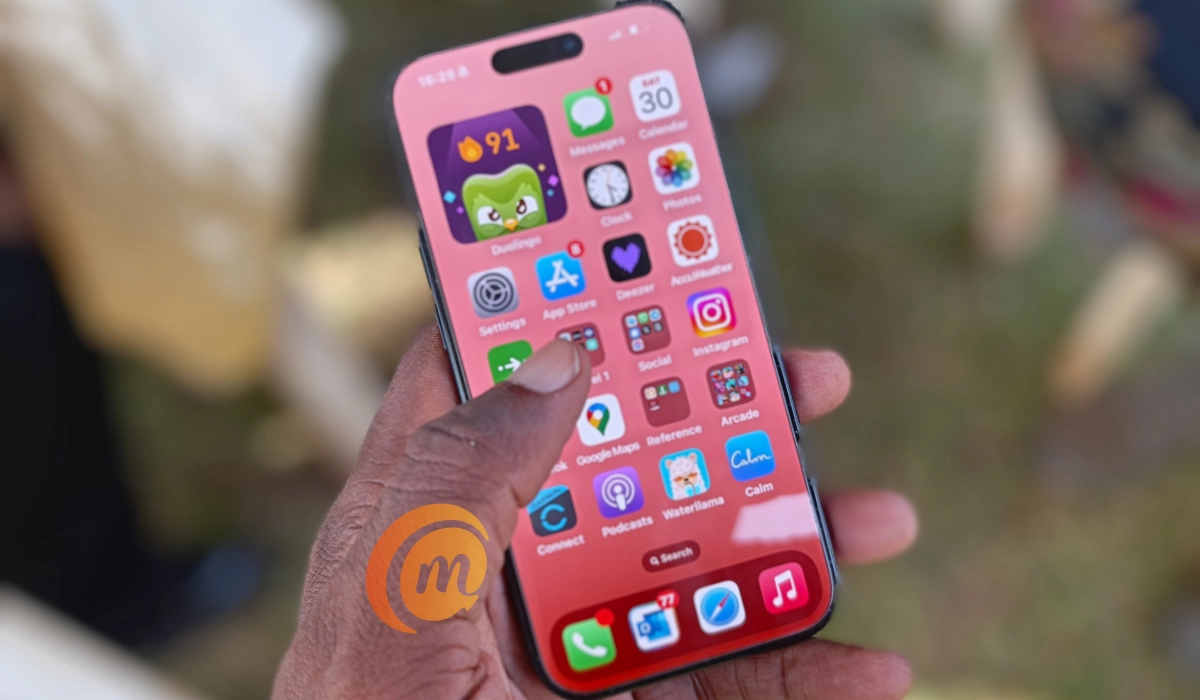
A MicroLED display — also known as micro-LED, mLED, or μLED — is a new type of display that is currently in development for deployment in smartphones, tablets, laptops, and other computing, gaming, and entertainment devices. It consists of arrays of microscopic LEDs forming individual pixel elements. These tiny LEDs directly create color pixels, offering multiple advantages over the LCD and OLED displays that you are used to.
- Advantages of Micro-LED
- What MicroLED Displays are used for
- MicroLED vs OLED
- Disadvantages and issues
- Apple is investing in MicroLED for the iPhone
- So are Samsung and LG
Advantages of Micro-LED
Contrast and Response Times : Compared to LCD technology, MicroLED displays provide better contrast and faster response times.
Energy Efficiency : They significantly reduce energy requirements while offering pixel-level light control and high contrast ratios.
Longer Lifetime : The inorganic nature of microLEDs allows them to produce brighter images with minimal risk of screen burn-in, something that often happens with OLED panels..
Speed and Modulation : MicroLEDs can achieve high-speed modulation, making them suitable for 3D/AR/VR displays.
The above are some of the biggest features of MicroLED display panels.
What MicroLED Displays are used for
MicroLED displays have a wide range of applications:
- Wearable Displays for 3D/AR/VR : MicroLEDs are ideal for high-speed three-dimensional/augmented reality/virtual reality (3D/AR/VR) displays, providing immersive experiences in compact wearables.
- Large Flat Panel Displays and TVs : MicroLEDs offer high brightness, contrast, and energy efficiency, making them suitable for large flat panel displays and TVs. Samsung and Sony already sell microLED “cabinets” that can be tiled to create large displays of any size.
- Automotive Heads-Up Displays (HUDs) : MicroLEDs enhance automotive HUDs, providing critical information to drivers without obstructing their view.
- Pico Projectors : These portable projectors require high brightness, and microLEDs fit the bill for compact, powerful projection.
- Visible Light Communications (Li-Fi) : MicroLEDs can serve as light sources for Li-Fi, a technology that uses visible light for wireless communication.
MicroLED vs OLED
For years, debates have raged over which is better between AMOLED and LCD displays , and the general consensus is that OLED panels have the edge over LCD products. With MicroLED displays joining the scene, it comes with several advantages over both. Let’s look at the differences and respective advantages and disadvantages between MicroLED and OLED displays.
OLED panels use organic materials that can degrade over time, while MicroLED panels utilize inorganic materials, which are more stable and durable. As such, MicroLED is more durable and longer lasting.
OLED have larger pixels. As the name indicates, MicroLED panels have smaller pixels, allowing for higher resolution and pixel density.
While OLED panels provide deep blacks due to individual pixel control, MicroLED promises higher brightness and a wider color gamut resulting in better color accuracy.
Lastly, OLED panels are known to be susceptible to screen burn-in over time. MicroLEDs do not have this problem.
Disadvantages and issues
There are two main issues that need resolving. They are:
Manufacturing Complexity : Part of the challenges of producing microLED displays is how intricate and costly the process is. Development work is ongoing to resolve these issues
Size Constraints : Miniaturizing microLEDs for smartphone screens remains a challenge that early adopters will have to resolve first before this new technology becomes ready for deployment in cell phones.
Apple is investing in MicroLED for the iPhone
Apple is convinced that MicroLEDs are the future, and they want those displays on their iPhones and iPads. Which is why the company has been quietly working to develop its own MicroLED displays. Samsung and LG have been the companies behind the displays used in Apple iPhones and iPads. It looks like Apple wants to bypass them this time and be directly involved in the design and production of their own MicroLED displays. There is no doubt that if they succeed at this, it will be a significant blow to Samsung and LG.
So are Samsung and LG
But it isn’t only Apple that is a believer in the gospel of MicroLED display. Both Samsung and LG have been carrying out microLED research and development, too, for a while. Neither of them is resting on their oars and they intend to be ready to meet demand when the industry begins its swing from OLED and LCD to MicroLED.
For now, MicroLED research is expensive business and only companies with deep chests are involved – pretty much the trio of Apple, Samsung, and LG. Who will achieve the required breakthrough first? It is difficult to tell, at this time. Only tie will tell.
Author:Mister Mobility
Digital Skills and Communication Coach | Mobile Phone Connoisseur since 2001 | Tech Blogging since 2004
Add MobilityArena as a preferred source on Google
The launch of Samsung’s Galaxy Ring in July 2024 will make smart rings even more popular, but how many mobile users will buy one?
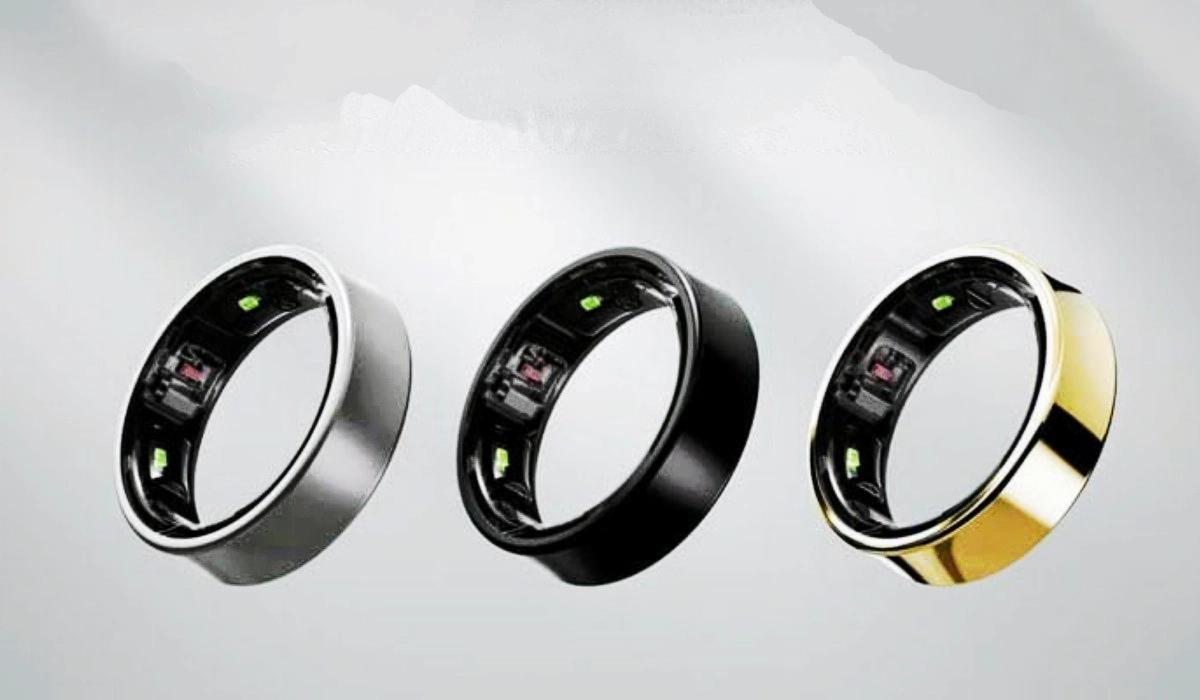
The world of wearable devices keeps seeing the introduction of smaller and smaller gadgets. Not too long ago, fitness trackers were the smallest items among wearable items. That has since changed with the arrival of smart rings, and the launch of Samsung;s Galaxy Ring, along with the Galaxy Z Fold6 and Galaxy Z Flip6 , in July 2024 will make these new items even more popular.
By definition, a smart ring is a ring with embedded electronics designed to track your health and wellness. But what does it do with the information it tracks? How do you access it? Unlike fitness trackers and smartwatches, smart rings do not have a display – and even if they did, they would be too small for you to interact much with most of it. What smart rings do is sync your fitness information with your smartphone (or tablet), so you can access them from there.
- Samsung Galaxy Ring was not the first
- Smart Rings are not cheap
- Wearable Devices and duplication of duties
Samsung Galaxy Ring was not the first
The first smart ring was manufactured and sold by a company called McLEAR in 2013. That was 11 years before the Samsung Galaxy Ring was released. Others have since been available in the market before the arrival of the Samsung Galaxy Ring. They include the Oura Ring, Ultrahuman Ring AIR, RingConn Smart Ring, and Amazfit Hello Ring. .
But Samsung is the first big name to make and sell a smart ring. The Galaxy Ring monitors your sleep, pulse and heart rate, and calculates your physical readiness. It then syncs it with the Samsung Health app on your Android smartphone.
if you are an iPhone owner and were considering giving the Galaxy Ring a spin, you are out of luck. It is Android-only. It can only be paired with an Android phone and that phone must have Samsung’s Health app installed.
One of the advantages of owning a Samsung Galaxy Ring, as against any of the competition, is that no subscription is required to use it. In contrast, the Oura Ring has a $5.99 monthly subscription attached.
Smart Rings are not cheap
Wearable Devices and duplication of duties
One issue I have had with wearable devices is how they are often simply providing features that already exist on another mobile device. That is true for fitness trackers, which essentially provide features that already exist on smartwatches. And it is true of smart rings which now provide services that already existed on both fitness trackers and smartwatches. I wonder if there will be those who wear both a smartwatch and a smart ring, or a fitness tracker alongside one. And should such people exist, I wonder what the purpose would be.
If you already wear a smartwatch or a fitness tracker, do you need or want a smart ring? What will the sales figures of these new embedded rings be like? I am convinced that fitness trackers will remain the most popular form of wearable gadgets – perhaps until other use cases arrive for them. Yes, you can also use double pinch gestures with the Galaxy Ring for remotely taking photographs via the paired smartphone, but unless you are James Bond or some other special agent working for one of the world’s security agencies, are you really going to choose a smart ring over a smartwatch or fitness tracker because of that feature?
Author:Mister Mobility
Digital Skills and Communication Coach | Mobile Phone Connoisseur since 2001 | Tech Blogging since 2004
