Add MobilityArena as a preferred source on Google
LG phones played a key role in the smartphone market in the US. The company had a fair share of the sub-$250 prepaid smartphone segment. With the announcement that LG is exiting the cell phone business, it is expected that some serious shifts will happen in the US market in the coming months.
According to Wave7 Research, a data/statistics analytics company, LG phones made up ober 25% of phones sold at Metro [1], for example. An exit of LG will mean that some other smartphone brands fill that vacuum.
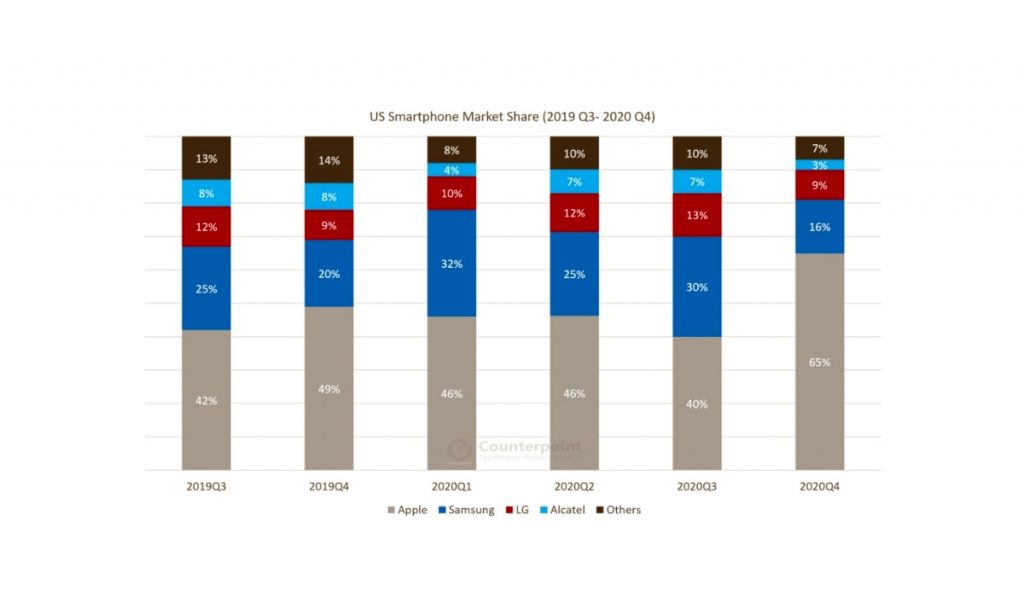
According to CounterPoint Research, another data company, LG phones had 9% share of the US smartphone market as at last quarter of 2020 [2]. That is unlikely to have changed significantly at this time. So, it is safe to say that contenders will be fighting for that spot.
That 9% share gave LG the number 3 spot behind Apple (with 64%) and Samsung (16%). Behind LG was Alcatel, with 3% market share. All the other brands filled the remaining 7% share.
The contenders include brands like Alcatel, Motorola, ZTE, and Nokia, all of whom have been pushing for a bigger slice of the US smartphone market. They are also better known for their budget phones in the US. This makes them perfect candidates to take up LG’s place.
Of course, Alcatel has a headstart with its 3% share at the end of 2020. If Alcatel doubles down, it will take a lot for Motorola or Nokia to stand a chance.
OnePlus would have been a contender too, but the Chinese brand does not produce smartphones for the sub-$250 segment of the market.
References
- Source
- Source
Author:MobileChic
That motivated, gadget-loving geeky chic who tries to stay on top of things. Unapologetic iFan.
Add MobilityArena as a preferred source on Google
My primary phone, a Xiaomi Mi Note 10 Pro, was running out of battery power. I had a Nokia 5.4 lying around with an almost full battery. Both of them have reverse charging. What would happen if I connected them?
You could argue that the phone with the higher charging rate would take over and charge the other, and you would be wrong. You could argue that the device with the bigger battery would take over and charge the other; and you would be wrong too.
I captured a 15-second video showing what happened.
Watch the 15-second video when two phones with reverse charging are connected
From the embedded video, you can see that the Nokia 5.4 began charging the Xiaomi. Which is quite interesting based on the available facts, as follows:
- The Xiaomi has the bigger battery (5020mAh vs the Nokia’s 4000mAh battery)
- The Xiaomi has the higher charging rate (30W vs the Nokia’s 10W). Not that it matters, because both of them offer standard reversible charging.
It looks like, by default, the phone with more juice charges the one with less battery power. That is what happened here. But perhaps there are other plausible explanations. I haven’t taken out time to study the phenomenon. Just thought to share my experience.
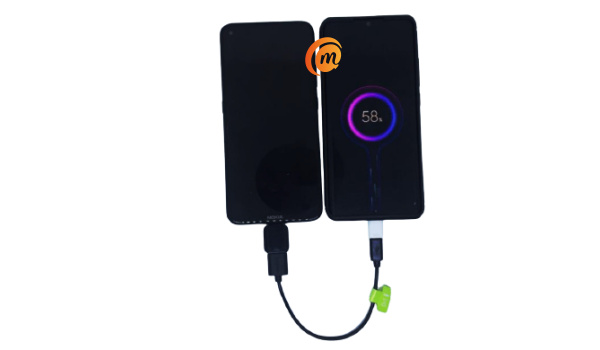
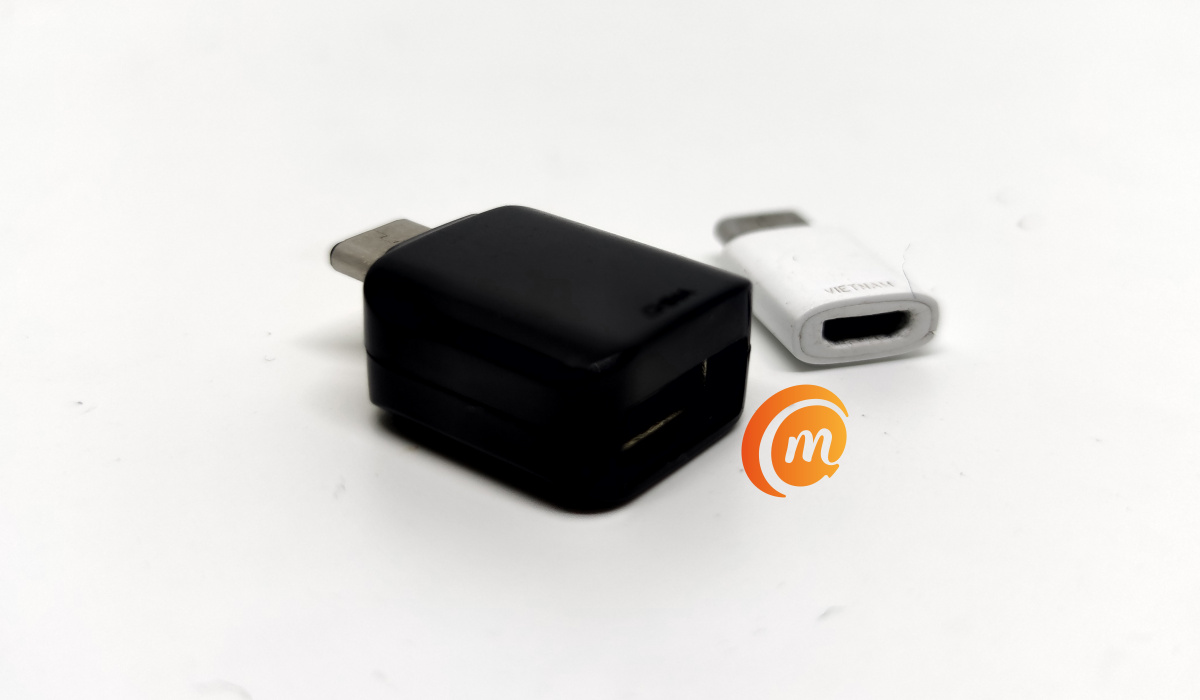
To be able to connect the two smartphones, I needed the right equipment, which ideally would be a cable that had micro USB C connector at both ends. But mine had gone missing some time ago. Thankfully, I keep a small collection of odd tools, like a micro USB-C adapter and a regular USB adapter. Those got the job done just fine.
Have you had a similar experience? How did it go? What did you observe? Do share using the Comment box below.
Copyright Notice : Reproduction of this article on any website, e-book, book, newspaper, magazine or other media without express written permission from MobilityArena is a violation of copyright rules and will result in appropriate action being taken against violators.
Author:Mister Mobility
Digital Skills and Communication Coach | Mobile Phone Connoisseur since 2001 | Tech Blogging since 2004
