Add MobilityArena as a preferred source on Google
If you are looking for the best Android phone with video stabilization, video recording must be important to you. Perhaps you are an enthusiast or a professional.
Video stabilization is a feature that helps to make videos less shaky. You know how when you’re recording a video on your phone and it can be really hard to keep the camera steady? Well, video stabilization helps to fix that by using special technology to make the video look smoother.
Basically, what happens is that the camera on your phone takes a bunch of pictures really quickly while you’re recording the video. Then, the video stabilization feature uses those pictures to figure out how the camera moved while you were recording and it tries to fix any shakiness or wobbling.
So, when you watch the video back, it looks a lot smoother and less shaky than it did when you were recording it. It’s a really cool feature that can make your videos look a lot more professional and easier to watch.
- How Does Video Stabilization in Smartphones Work?
- What are the benefits and demerits of video stabilisation in smartphones?
- Which Is The Best Android Phone With Video Stabilization in 2023
How Does Video Stabilization in Smartphones Work?
Video stabilization in smartphones works by using software algorithms to compensate for the shaky movements of the camera while recording a video.
There are two main types of video stabilization used in smartphones: electronic image stabilization (EIS) and optical image stabilization (OIS).
EIS works by analyzing the motion of the camera and then cropping and aligning the frames of the video to reduce the appearance of shaky movements. This is done by using the phone’s sensors to detect motion, and then adjusting the image digitally to compensate for the movement. EIS is typically used in smartphones that don’t have OIS.
OIS, on the other hand, uses hardware to stabilize the camera by physically moving the lens to counteract any movements. This is done by using small motors and gyroscopes to detect and counteract any movements. OIS is typically found in higher-end smartphones.
Some smartphones use a combination of both EIS and OIS to provide even better stabilization.
What are the benefits and demerits of video stabilisation in smartphones?
Video stabilization in smartphones has both advantages and disadvantages.
Benefits:
- Improved video quality: Video stabilization helps to reduce the appearance of shaky movements in videos, resulting in smoother and more professional-looking footage.
- Easier to capture action shots: With video stabilization, it’s easier to capture action shots and fast-moving objects without the footage appearing too shaky or blurry.
- Better low-light performance: Video stabilization can also help to improve low-light performance by allowing the camera to use slower shutter speeds without resulting in blurry footage.
- More accessible: Video stabilization is now a common feature in most smartphones, making it more accessible to everyday users who want to capture high-quality videos.
Demerits:
- Can result in cropped footage: Electronic image stabilization (EIS) works by cropping and aligning frames, which can result in some loss of image quality or a narrower field of view.
- Can reduce image sharpness: In some cases, video stabilization can reduce image sharpness or introduce artifacts into the footage.
- Can use more battery: Video stabilization can be a processor-intensive task, which can lead to increased battery usage on your smartphone.
- Not as effective as professional equipment: While video stabilization in smartphones has come a long way, it still can’t match the stabilization provided by professional equipment like gimbals or steady cams.
Which Is The Best Android Phone With Video Stabilization in 2023
Listed below are the very best Android smartphones with video stabilization that you can buy in 2023, from the very best down to the 10th place. We drew up this list from scores and verdicts of multiple smartphone reviewers around the world.
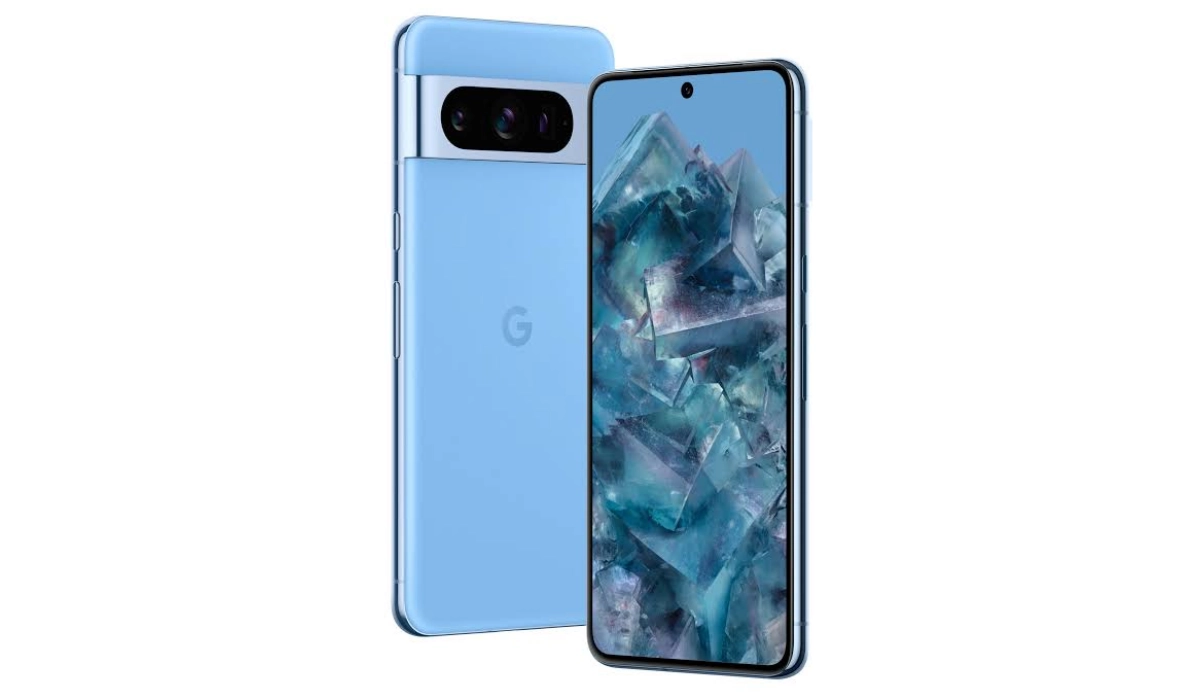
- Google Pixel 8 Pro.
- Google Pixel 7 Pro
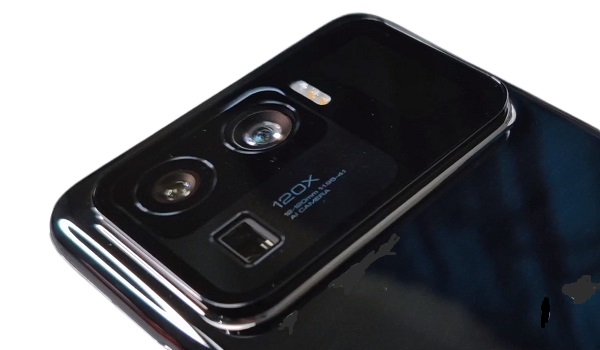
- Xiaomi Mi 11 Ultra
- Google Pixel 8
- Google Pixel 7
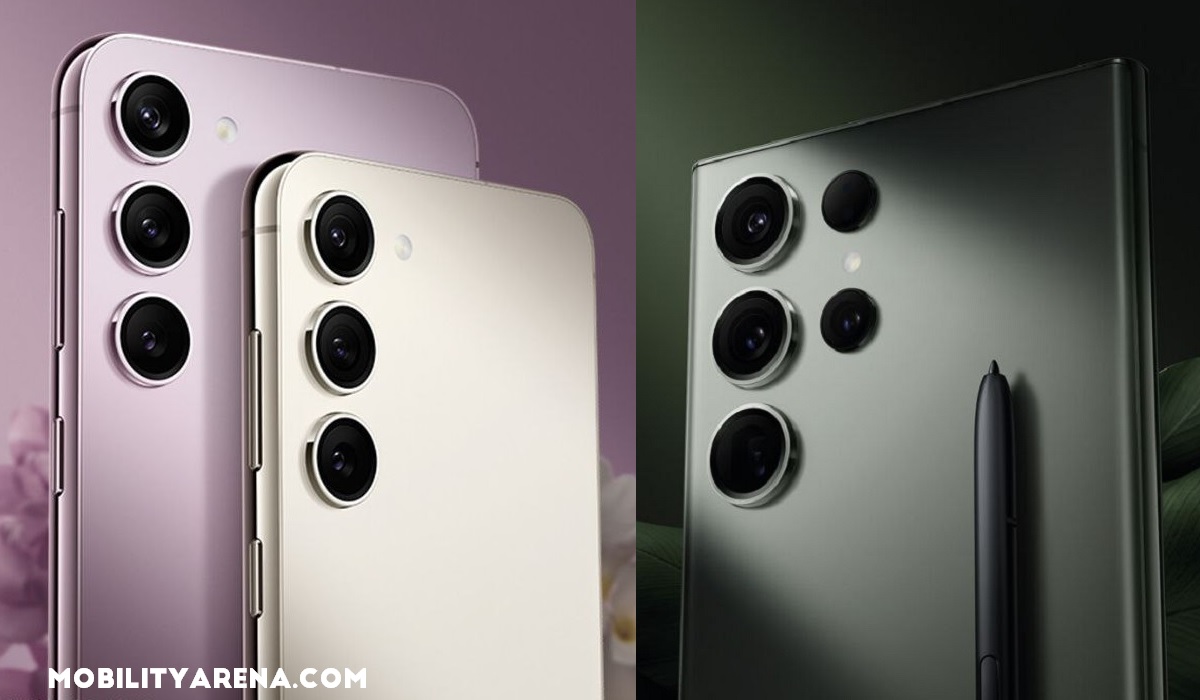
- Samsung Galaxy S23 Ultra.
- Xiaomi 13 Ultra
- Xiaomi 13 Pro
- Xiaomi 12S Ultra.
- Samsung Galaxy S22 Ultra.
Looking at the above list, you already know which is the is the best Android phone with video stabilization today; right? That honour goes to Google Pixel 8 Pro.
Author:Mister Mobility
Digital Skills and Communication Coach | Mobile Phone Connoisseur since 2001 | Tech Blogging since 2004
Add MobilityArena as a preferred source on Google
The original Starlink satellite service was (and still is) incapable of working with mobile phones. You need a dish to connect to the Starlink service for internet access. But SpaceX has announced a new service, called Direct To Cell, that allows regular 4G LTE phones to connect to, and roam on, Starlink satellites for voice, text, and data, when out of range of terrestrial cell towers.
- How Starlink Direct To Cell Service Works
- What Equipment Or Hardware Do You Need To Use Starlink Direct To Cell?
- When Is This Going To Be Available?
- How Much Will Direct To Cell Cost?
- Which Carriers Are Direct To Cell Global Partners?
How Starlink Direct To Cell Service Works
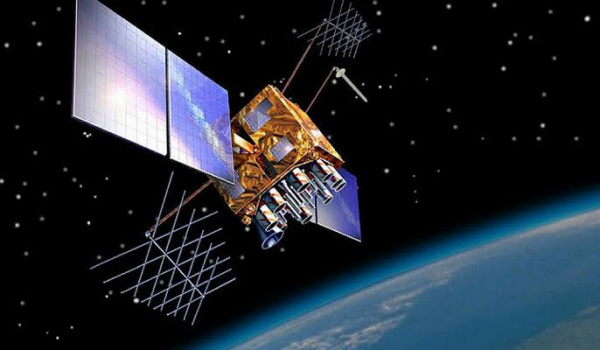
Starlink is going to launch I to space a new set of satellites with Direct to Cell capability. These satellites will have an advanced eNodeB modem onboard that acts like a mobile phone tower in space, “allowing network integration similar to a standard roaming partner”. In other words, this is a roaming service but uses satellites to provide the coverage you need.
If your mobile network operator is a roaming partner to this service, you will be able to roam on Starlink’s satellite network whenever you are out of your network operator’s coverage area. When fully implemented, you will be able to do text messaging, voice calls, and internet in the most remote parts of the planets, as long as you can see the sky.
Now, you can go on a boat cruise, camp on a remote island, or travel the Sahara desert, without having to do without wireless service. Think of all the possibilities.
What Equipment Or Hardware Do You Need To Use Starlink Direct To Cell?
At this point, you are already likely wondering what kind of add-on hardware you need to pair with your smartphone for this to work. Surprise! None. If you use a 4G LTE smartphone, it is already compatible with the beams from Starlink’s Direct To Cell satellites. You do not require any changes to your phone, any accessory, any software update, or special app, to be able to use this satellite roaming service.
Direct to Cell satellites operate like a cellphone towers in space. As long as your LTE smartphone has a clear line of sight to the sky, it will connect.
When Is This Going To Be Available?
Starlink says the service will kick off in 2024 with test messaging (SMS) only at first. Then, in 2025, voice and data will become available on the service, followed by access to iOT that same year. So, as exciting as this is, you have to wait till 2024 to be able to use it. When in 2024? I have no idea yet. Starlink has not specified.
How Much Will Direct To Cell Cost?
There is no publicly available I formation about the pricing and tariffs for this service yet. Of course, it will cost you a bit. Roaming services tend to be expensive. Seeing as this one is using satellites for its wireless transmission, it isn’t likely to come dirt cheap. We shall wait for SpaceX to announce tariffs.
Which Carriers Are Direct To Cell Global Partners?
A few carriers (mobile network operators) have already signed up as Direct To Cell partners. They include:
- T-MOBILE (USA)
- OPTUS (AUSTRALIA)
- ROGERS (CANADA)
- ONE NZ (NEW ZEALAND)
- KDDI (JAPAN)
- SALT (SWITZERLAND)
I expect that many others will jump on this service as soon as they can. Starlink Direct To Cell is groundbreaking in every way. For the first time ever, regular smartphones will be able to maintain wireless connectivity regardless of their location.
This is different from recent developments in the industry in which certain smartphones have satellite connectivity built into them . In contrast, the 4G smartphone you have in your hand now will work with Direct To Cell. Any 4G smartphone at all. Welcome to the future.
Author:Mister Mobility
Digital Skills and Communication Coach | Mobile Phone Connoisseur since 2001 | Tech Blogging since 2004
