Add MobilityArena as a preferred source on Google
Digital trust was one of the major discussions at the Annual Meeting of Federal, Provincial and Territorial Ministers of Canada on the 17th of September, 2024. This shows you how highly important it is. Digital trust and cyber-security is even a proposed 6 weeks course for visionary leaders at the London Business School , to happen between Feb. 24 to April 11th of 2025. This means one thing, it is becoming a major concern in the global system. Imagine this: You’re sitting in your favorite coffee shop, sipping a latte while scrolling through your phone. You casually enter your credit card details to order a new pair of shoes online. But as you do, a nagging thought crosses your mind—how secure is this transaction? Will my information be safe? This scenario highlights the critical importance of digital trust in our increasingly interconnected world. It is no longer just a buzzword; it’s the foundation upon which our online interactions are built. It encompasses the confidence users have in the security, privacy, and integrity of their digital experiences. Let me show you what digital trust means, why it matters, and how organizations can foster it to create a safer online environment for everyone.

- What is Digital Trust?
- Why Does Digital Trust Matter?
- How Can Organizations Foster Digital Trust?
- Conclusion
What is Digital Trust?

At its core, digital trust refers to the confidence that individuals and organizations have in the security and reliability of digital systems. It involves several key components:
- Identity Verification: Ensuring that users are who they claim to be is paramount. This includes robust identity management practices that prevent unauthorized access and protect sensitive information.
- Data Privacy: Users want assurance that their personal information will be handled with care and respect. Organizations must adhere to regulations like GDPR, ensuring transparency and accountability in data handling.
- Secure Communication: Encryption and secure protocols are essential for protecting data during transmission. This prevents eavesdropping and tampering, ensuring that conversations remain confidential.
- Risk Mitigation: Understanding potential threats and having strategies in place to address them builds trust. When users know that an organization is proactive about security, they are more likely to engage with it.
- Transparency: Open communication about how data is used and protected fosters trust. Organizations should be clear about their policies and practices, allowing users to make informed decisions.
Why Does Digital Trust Matter?

In today’s digital landscape, where cyber threats are rampant, establishing digital trust is more important than ever. Here’s why:
- User Confidence: When users feel secure, they’re more likely to engage with services, share personal information, and make purchases online.
- Competitive Advantage: Organizations that prioritize digital trust can differentiate themselves from competitors. Trustworthy brands attract loyal customers who value security.
- Regulatory Compliance: With increasing regulations surrounding data protection, maintaining digital trust helps organizations comply with legal requirements and avoid penalties.
- Reputation Management: A single data breach can tarnish an organization’s reputation for years. By building digital trust, companies can mitigate the impact of potential incidents.
How Can Organizations Foster Digital Trust?

Building digital trust requires a multifaceted approach. Here are some practical steps organizations can take:
- Implement Strong Identity Management: Use multi-factor authentication (MFA) to add an extra layer of security when users log in. This ensures that even if passwords are compromised, unauthorized access is still prevented.
- Prioritize Data Privacy: Clearly communicate privacy policies and ensure compliance with relevant regulations. Allow users to control their data preferences and provide options for opting out of data sharing.
- Enhance Security Measures: Regularly update software and systems to protect against vulnerabilities. Conduct security audits to identify potential weaknesses and address them proactively.
- Educate Users: Provide resources that educate users about online safety practices, such as recognizing phishing attempts or creating strong passwords.
- Be Transparent: Share information about security measures taken to protect user data. Transparency builds confidence and reassures users that their information is safe.
- Engage with Users: Create channels for user feedback regarding security concerns or experiences. Listening to user input helps organizations improve their practices and build stronger relationships.
Conclusion
As we navigate an increasingly digital world, the importance of digital trust cannot be overstated. It’s not just about securing transactions; it’s about fostering relationships built on confidence and reliability. By implementing robust security measures, prioritizing data privacy, and maintaining transparency, organizations can build a solid foundation of digital trust that empowers users to engage confidently in the online realm. So next time you enter your credit card information or share personal details online, remember that behind every secure transaction lies a commitment to building trust—a commitment that benefits us all in this interconnected digital landscape.
Author:Ifeoluwa Adeleke
Add MobilityArena as a preferred source on Google
The BMW i4 eDrive35 has made a significant impact in the electric vehicle market, combining luxury, performance , and sustainability. However, like any new model, it comes with its share of challenges that users have encountered. From concerns about drivetrain malfunctions to issues with advanced driving features and battery range discrepancies, these challenges can affect the overall enjoyment of the BMW i4 eDrive35. Understanding these problems and implementing effective solutions can help you maximize your experience with this exceptional vehicle. By addressing these concerns proactively, you can ensure that your time behind the wheel is as enjoyable and fulfilling as possible. Explore with me some of these common issues reported by users as I provide practical solutions to enhance your driving experience with this innovative electric vehicle.

- Drivetrain Malfunction Warnings
- Inconsistent App Connectivity
- Limited Advanced Driving Features
- Charging Range Discrepancies
- Visibility Issues with Heads-Up Display
- Conclusion
Drivetrain Malfunction Warnings

One of the most frequently reported issues among BMW i4 eDrive35 owners is the appearance of drivetrain malfunction warnings. Users have noted that these warnings can appear sporadically, often disappearing after a short period. If you’re also experiencing this, I have a list of solutions for you:
- Regular Software Updates: Ensure your vehicle’s software is always up to date. BMW frequently releases updates that can resolve bugs related to drivetrain performance.
- Consult Your Dealer: If the warning persists, schedule an appointment with your dealership. They can run diagnostics to identify any underlying issues and provide necessary repairs.
- Monitor Driving Conditions: Keep track of when these warnings appear—certain driving conditions or maneuvers may trigger the alerts. Sharing this information with your dealer can help them diagnose the problem more effectively.
Inconsistent App Connectivity
Some users of the BMW i4 eDrive35 have reported difficulties with the BMW app not communicating effectively with their vehicle, particularly when trying to check charging status or control features remotely. If this is also your experience, follow my recommendations below:
- Reinstall the App: Sometimes, a simple reinstall of the BMW app can resolve connectivity issues. Make sure to log back in after reinstalling.
- Check Bluetooth Settings: Ensure that Bluetooth is enabled on your phone and that it is properly paired with your BMW i4 eDrive35.
- Use Alternative Methods: If the app continues to malfunction, use the vehicle’s onboard controls for charging status and other features until the app is functioning correctly again.
Limited Advanced Driving Features

Several owners have expressed disappointment regarding the absence of certain advanced driving features that were expected upon purchase. Here are a list of what to do:
- Clarify Feature Availability: Before purchasing, confirm which features are included in your specific model. This can prevent misunderstandings regarding expectations.
- Explore Upgrades: If advanced driving features are critical for you, consider discussing upgrade options with your dealer for future models or software updates that may add these capabilities.
- Stay Informed: Join online forums or communities where other i4 owners share their experiences and solutions regarding feature availability and upgrades.
Charging Range Discrepancies
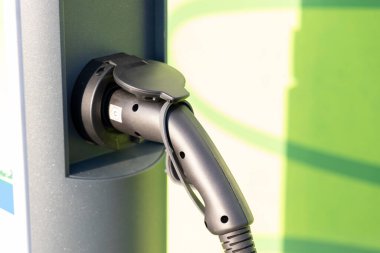
While many users appreciate the BMW i4 eDrive35’s advertised range, some have noted that real-world usage often falls short of expectations, especially under certain conditions. These are my recommended solutions:
- Optimize Driving Habits: Adopt energy-efficient driving techniques such as smooth acceleration and deceleration to maximize range.
- Utilize Regenerative Braking: Make use of regenerative braking features to recapture energy during stops, which can help extend your overall range.
- Plan Charging Stops: For longer trips, plan charging stops in advance using apps that show charging station locations along your route.
Visibility Issues with Heads-Up Display
Some drivers of the BMW i4 eDrive35 have found the heads-up display (HUD) visibility challenging, particularly during daytime driving. These are highlighted solutions to resolve it:
- Adjust Brightness Settings: Experiment with different brightness settings for the HUD to find a level that works best for you during various lighting conditions.
- Consult Your Manual: Review your owner’s manual for tips on adjusting HUD settings to optimize visibility based on personal preferences.
- Feedback to BMW: Provide feedback directly to BMW regarding HUD visibility issues so they can consider improvements in future software updates or models.
Conclusion
The BMW i4 eDrive35 is an exciting addition to the electric vehicle landscape, offering a blend of luxury and performance. While some challenges exist, many can be addressed through proactive measures and practical solutions. By staying informed about software updates, optimizing driving habits, and utilizing available resources, you can enhance your ownership experience. As electric vehicles continue to evolve, manufacturers like BMW are committed to improving their offerings based on user feedback. By embracing these solutions and engaging with the community of BMW i4 eDrive35 owners, you can navigate any hurdles and fully enjoy the innovative features this remarkable vehicle has to offer. Remember, every challenge presents an opportunity for growth—both for you as a driver and for BMW as a brand dedicated to excellence in electric mobility.
