Add MobilityArena as a preferred source on Google
In a world dominated by smartphones, the choice of device often boils down to the question of locked vs. unlocked. Buying unlocked iPhones, free from carrier restrictions, provides a unique set of advantages and disadvantages that can significantly impact your mobile experience.
Unlocked iPhones are not tied to a specific mobile carrier or network provider. This means that you can use these devices with various carriers by simply inserting a compatible SIM card into the phones. As such, buying unlocked iPhones means you are not bound by contractual agreements or restrictions imposed by a particular carrier.
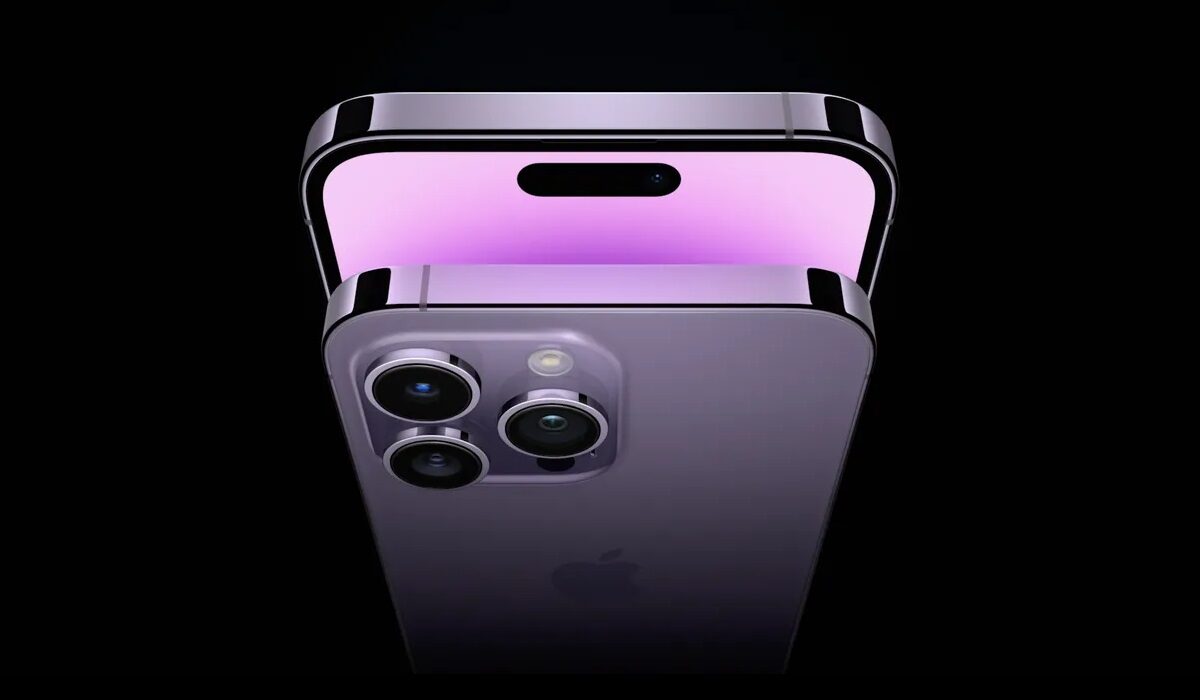
In this article, we’ll delve into the world of unlocked iPhones, exploring their benefits and drawbacks, as well as essential factors to consider when making your purchase.
- Advantages of Buying Unlocked iPhones
- Drawbacks of Buying an Unlocked iPhones
- What to Consider When Buying Unlocked iPhones
- Buying Unlocked iPhones: Known Retailers
- Conclusion
Advantages of Buying Unlocked iPhones
- Freedom of Carrier Choice: Unlocked iPhones are not tied to a specific carrier. This freedom allows you to switch carriers without changing your device, making it ideal for those who frequently travel or wish to change plans for better deals.
- International Use: Unlocked iPhones can use local SIM cards in different countries, saving you from hefty roaming charges while traveling. This flexibility enhances convenience and cost-efficiency.
- No Carrier Bloatware: Unlocked iPhones come without carrier-specific apps and bloatware that can occupy storage space and potentially slow down your device.
- Easier Resale Value: Unlocked iPhones generally have higher resale value since they can be used with a broader range of carriers and buyers.
- Timely Updates: Unlocked iPhones often receive software updates more promptly since they don’t need carrier approval. This ensures access to the latest features, security patches, and improvements.
Drawbacks of Buying an Unlocked iPhones
- Higher Upfront Cost: Unlocked iPhones are typically sold at their full retail price, which can be more expensive than carrier-subsidized models. This initial cost may be a deterrent for some buyers.
- Lack of Subsidized Deals: Carrier-locked iPhones often come with subsidized pricing and financing options, allowing you to spread the cost over time. Unlocked iPhones don’t offer such deals.
- Limited Carrier-Specific Features: Some carrier-specific features, such as Wi-Fi calling or Visual Voicemail, might not work or may have limited functionality on unlocked iPhones.
What to Consider When Buying Unlocked iPhones
- Compatibility with Carriers: Ensure the unlocked iPhone you’re considering is compatible with the carrier you intend to use. Different iPhone models support different network technologies.
- Network Bands and Frequencies: Verify that the iPhone supports the network bands and frequencies used by your carrier for optimal connectivity.
- Warranty and Support: Confirm that the unlocked iPhone comes with a valid warranty and that Apple or authorized service centers can provide support.
- Seller Reputation: If buying from third-party sellers, research their reputation and authenticity to avoid potential scams or counterfeit devices.
- Storage Capacity: Choose a storage capacity that suits your needs, as unlocked iPhones offer a range of options.
Buying Unlocked iPhones: Known Retailers
- Apple Store: Of course, the most sure place to buy an unlocked iPhone is the Apple Store. They offer the latest iPhone models directly from Apple, and you can choose the unlocked version during the purchasing process.
- Best Buy: Best Buy is a popular electronics retailer that offers a variety of unlocked iPhones both online and in their physical stores.
- Amazon: Amazon has a wide selection of unlocked iPhones available through various sellers. Be sure to buy from reputable sellers with positive reviews.
- B&H Photo Video: B&H is known for its extensive electronics offerings, including unlocked iPhones. They provide a range of models and storage capacities.
- Walmart: Walmart offers unlocked iPhones through their online store. You can choose from different models and configurations.
- Gazelle: Gazelle specializes in selling certified pre-owned devices, including unlocked iPhones. They ensure the quality and functionality of their devices.
- Swappa: Swappa is a marketplace for buying and selling gently used electronics. You can find unlocked iPhones listed by individual sellers.
- Target: Target carries unlocked iPhones both online and in their physical stores. They offer a variety of models and colors.
There are many other sources of unlocked iPhones. For example, check your favourite neighbourhood cell phone store or online store. Ask around.
Conclusion
Navigating the realm of buying unlocked iPhones brings with it a wealth of options and advantages. By choosing an unlocked device, you’re embracing the freedom to select your carrier, switch plans without restrictions, and even explore international opportunities without the fear of exorbitant roaming charges. The advantages, from easier resale to timely software updates, further enhance the appeal of an unlocked iPhone.
Author:MobileChic
That motivated, gadget-loving geeky chic who tries to stay on top of things. Unapologetic iFan.
Add MobilityArena as a preferred source on Google
Mobile Network Operators (MNOs) and Mobile Virtual Network Operators (MVNOs) are two types of mobile service providers that operate in the United States of America. While they both offer mobile services, there are some key differences between the two.
MNOs are the primary mobile service providers in the United States. They own and operate their own physical network infrastructure, including cell towers and other equipment. MNOs are responsible for maintaining their network, providing customer support, and billing their customers directly.
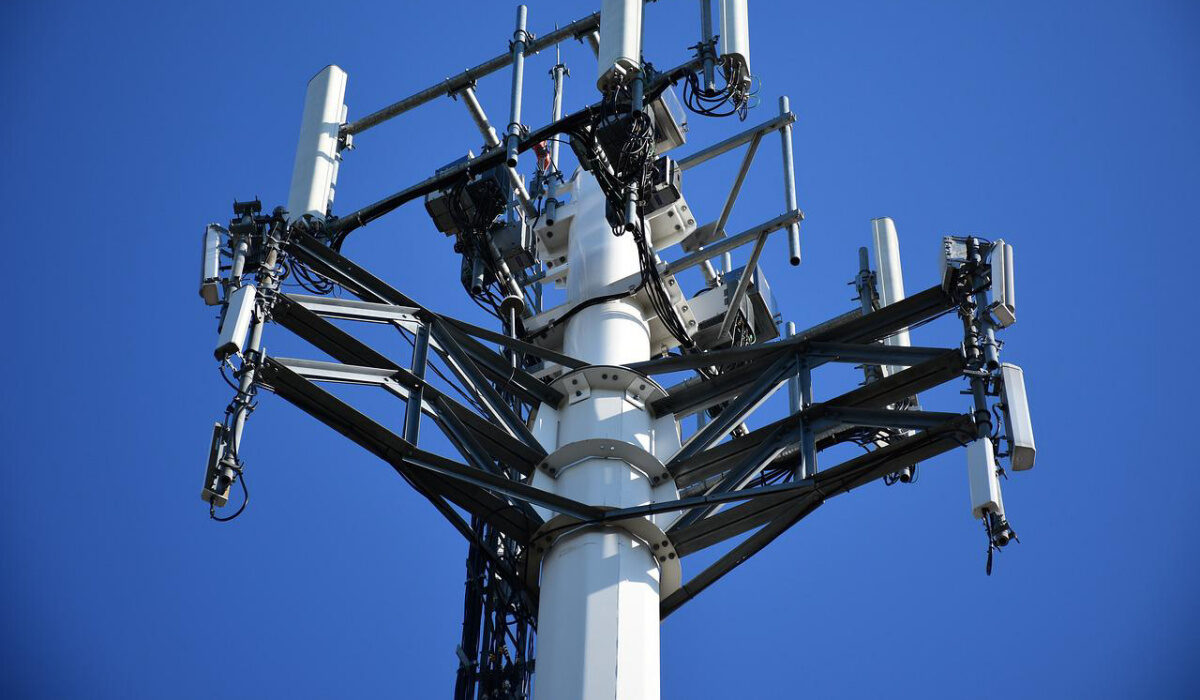
A Mobile Virtual Network Operator (MVNO) does not own physical infrastructure like cell towers.
- What is a Mobile Virtual Network Operator (MVNO)?
- Similarities between MNOs and MVNOs
- Differences between MNOs and MVNOs
- How Mobile Virtual Network Operators (MVNOs) operate in the United States
- Examples of Mobile Virtual Network Operators in the United States
- Recap
What is a Mobile Virtual Network Operator (MVNO)?
Mobile Virtual Network Operators (MVNOs), on the other hand, do not own their own physical network infrastructure. Instead, they lease network capacity from MNOs and resell it to their own customers. MVNOs typically do not have their own cell towers or other network equipment, but instead rely on the network infrastructure of the MNO they are leasing from. MVNOs are responsible for providing customer support and billing their customers, but they do not have to maintain their own network infrastructure. Examples of MVNOs in the United States include Boost Mobile, Cricket Wireless, and Straight Talk.
Similarities between MNOs and MVNOs
Despite their differences, MNOs and MVNOs share some similarities. Both types of mobile service providers offer similar services, such as voice, text, and data plans. They also both offer prepaid and postpaid plans, and many offer unlimited data plans as well. In addition, both MNOs and MVNOs offer a variety of devices, including smartphones and tablets, for purchase.
Differences between MNOs and MVNOs
One of the biggest differences between MNOs and MVNOs is pricing. MNOs typically charge more for their services than Mobile Virtual Network Operators (MVNOs), as they have to recoup the costs of building and maintaining their own network infrastructure. MVNOs, on the other hand, are able to offer lower prices by leasing network capacity from MNOs and reselling it to their own customers.
Another difference between MNOs and MVNOs is coverage. MNOs typically have better coverage than MVNOs, as they own and operate their own network infrastructure. MVNOs, on the other hand, may have more limited coverage, as they are dependent on the network infrastructure of the MNO they are leasing from.
How Mobile Virtual Network Operators (MVNOs) operate in the United States
In the United States, MNOs and MVNOs are both regulated by the Federal Communications Commission (FCC), which sets rules and guidelines for the mobile industry. Both MNOs and MVNOs must comply with FCC regulations regarding network security, emergency services, and other issues.
MNOs and MVNOs also compete with each other in the mobile market. While Mobile Network Operators (MNOs) generally have a larger market share and more resources, Mobile Virtual Network Operators (MVNOs) are able to offer lower prices and more flexible plans. This competition has led to a variety of pricing and plan options for consumers, as well as increased innovation in the mobile industry.
Examples of Mobile Virtual Network Operators in the United States
Here are some examples of Mobile Virtual Network Operators (MVNOs) in the USA and the carriers they are riding on:
- Boost Mobile : Boost Mobile is an MVNO that operates on the T-Mobile and AT&T networks.
- Cricket Wireless : Cricket Wireless is an MVNO that operates on the AT&T network.
- Metro by T-Mobile : Metro by T-Mobile is an MVNO that operates on the T-Mobile network.
- Straight Talk : Straight Talk is an MVNO that operates on the AT&T, T-Mobile, and Verizon networks.
- Ting : Ting is an MVNO that operates on the T-Mobile and Verizon networks.
- TracFone : TracFone is an MVNO that operates on the AT&T, T-Mobile, and Verizon networks.
- US Mobile : US Mobile is an MVNO that operates on the Verizon and T-Mobile networks.
You can access a more detailed list of the top Mobile Virtual Network Operators (MVNOs) in the United States . Note that these carriers may change their network partners over time, so it is important to check with each carrier for the most up-to-date information.
Recap
Mobile Network Operators (MNOs) and Mobile Virtual Network Operators (MVNOs) are two types of mobile service providers that operate in the United States. While MNOs own and operate their own physical network infrastructure, MVNOs lease network capacity from MNOs and resell it to their own customers.
Both types of mobile service providers offer similar services, but differ in pricing and coverage. MNOs typically charge more for their services but have better coverage, while MVNOs are able to offer lower prices but may have more limited coverage. Both MNOs and MVNOs are regulated by the FCC and compete with each other in the mobile market.
Author:Mister Mobility
Digital Skills and Communication Coach | Mobile Phone Connoisseur since 2001 | Tech Blogging since 2004
