Add MobilityArena as a preferred source on Google
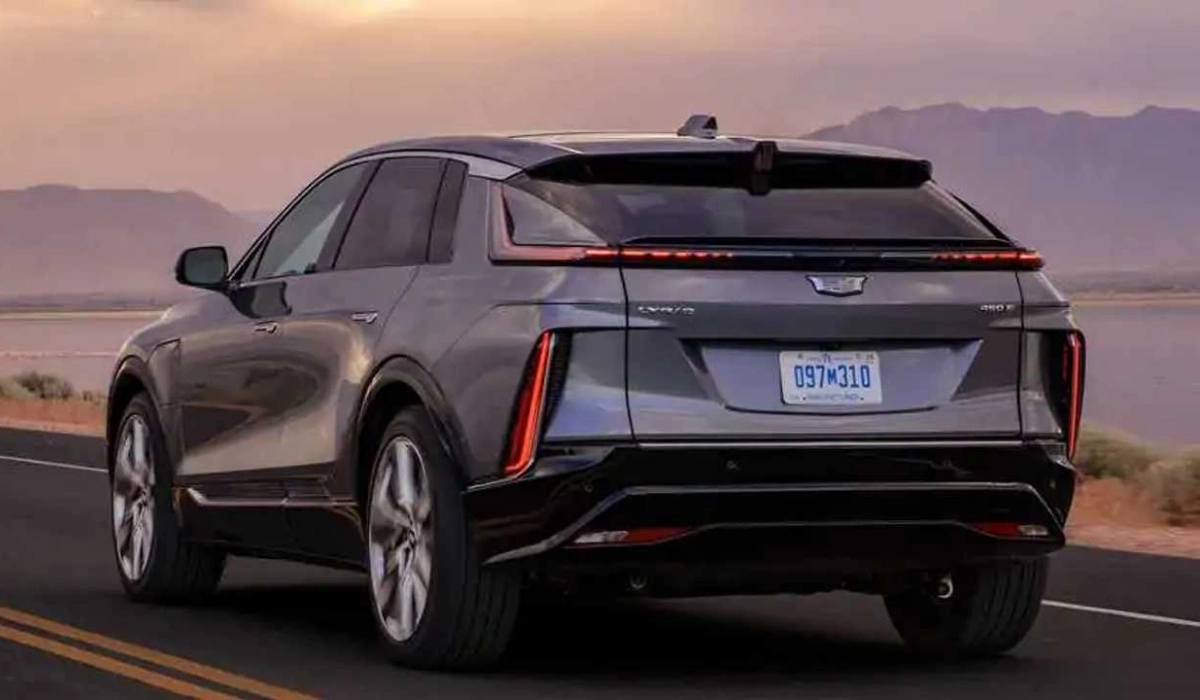
The Cadillac Lyriq RWD is an all-electric SUV that is set to revolutionize the electric vehicle market. This stylish and luxurious vehicle is designed to provide a comfortable and eco-friendly driving experience, without sacrificing performance or style. It was released in March 2022.
The Lyriq RWD is powered by a 100 kWh Ultium battery, which provides up to 300 miles of range on a single charge. The vehicle is also equipped with a 19.2 kW onboard charger, which can charge the battery from 0 to 100% in just 9 hours.
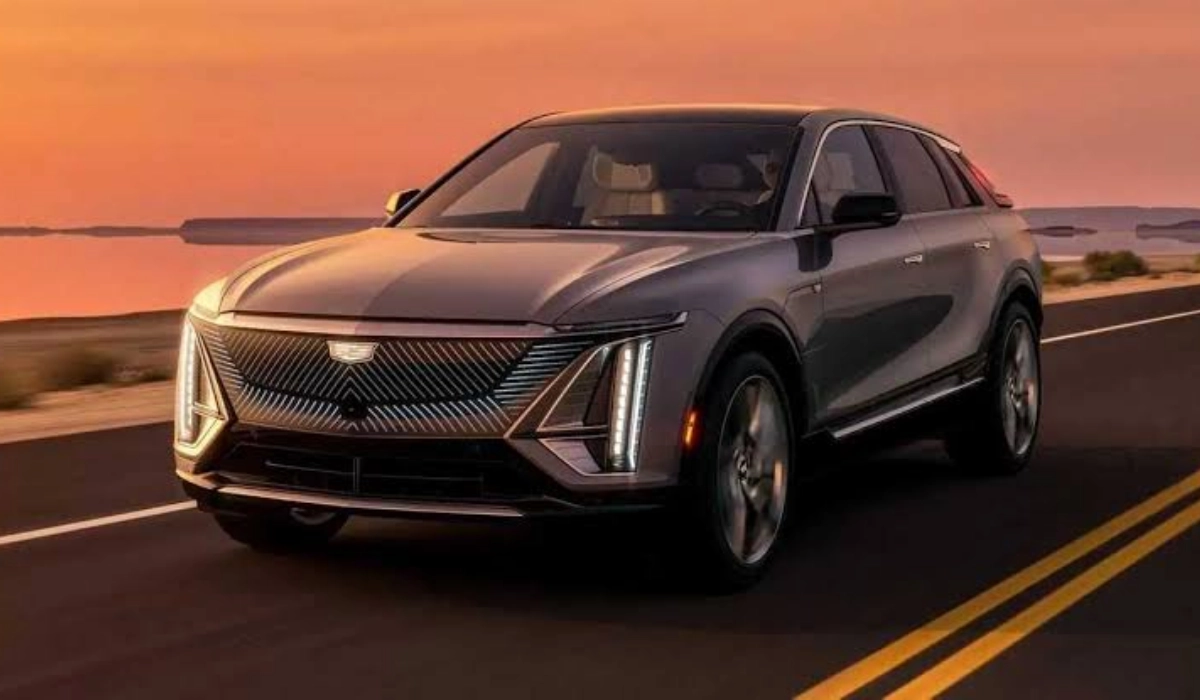
The Lyriq RWD features a sleek and modern design, with a spacious and comfortable interior that includes a 33-inch diagonal advanced LED display and a premium sound system. The vehicle also includes several advanced safety features, such as automatic emergency braking and lane departure warning.
- Specs and features
- Price
- Last word
Specs and features
- 5-door SUV
- 33-inch touchacreen driver display
- Wireless Android Auto ; Wireless Apple CarPlay
- Front, side, rear airbag system
- 255kW rear-wheel drive
- 100kWh battery
- 496km range
Price
In the United States, the Cadillac Lyriq RWD has a starting price of $59,990, making it a competitive option in the luxury electric vehicle market. The vehicle is also eligible for the federal tax credit of up to $7,500, which can help to offset the cost of the vehicle.
Last word
With its impressive range, luxurious design, and advanced features, the Cadillac Lyriq RWD is a top choice for anyone looking for a high-performance electric SUV.
Author:MobileChic
That motivated, gadget-loving geeky chic who tries to stay on top of things. Unapologetic iFan.
Add MobilityArena as a preferred source on Google
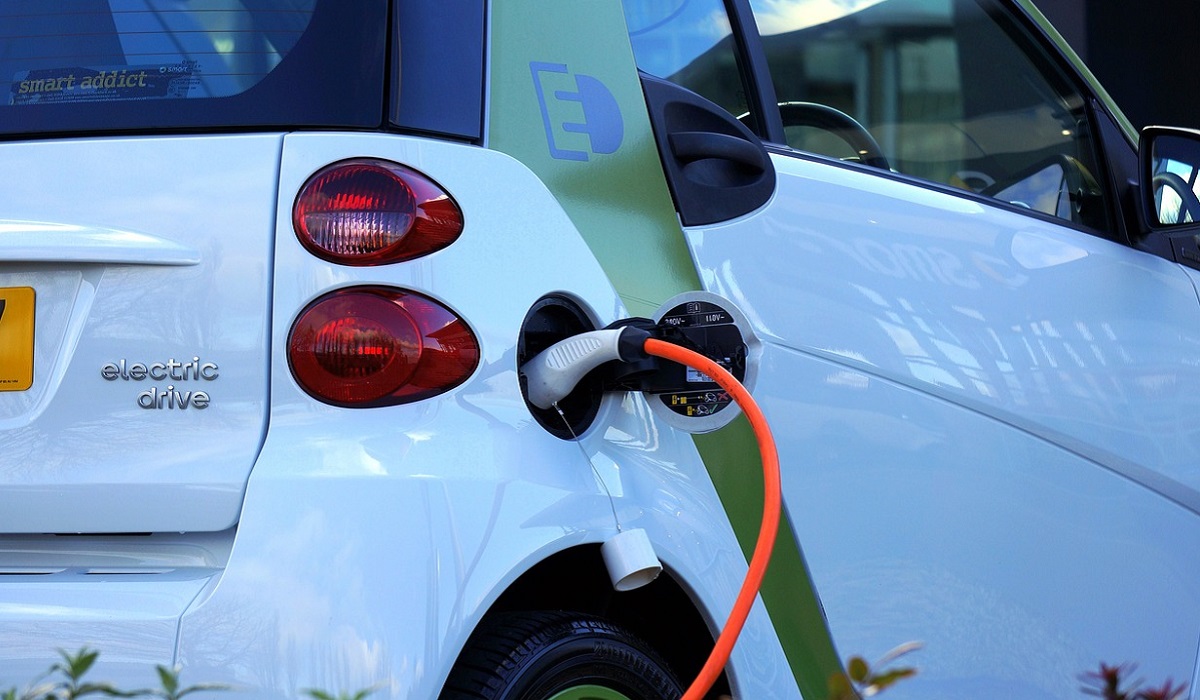
Electric vehicles (EVs) and internal combustion engine vehicles (ICEVs) are two different types of vehicles with distinct differences. As you can tell from the names, the main differences between them are in the types of propulsion system in use – the engine. One uses an electric motor powered by a battery; the other uses an engine that burns fossil fuel.
Beyond that, while they share a number of features that are common to all road vehicles, including steering, suspension, shock absorbers, springs, wheels, tires, brakes, air conditioning and heating, navigation, airbags, ABS, and other safety features, there are other differences in how EV and ICEV work.
The main differences between EV and ICEV
- Power Source : The main difference between EVs and ICEVs is their power source. EVs are powered by electricity stored in a battery, while ICEVs are powered by gasoline or diesel fuel.
- Emissions : EVs produce zero emissions at the tailpipe, while ICEVs produce emissions that contribute to air pollution and climate change. This makes EVs more environmentally friendly. ICEVs emit pollutants like carbon dioxide, nitrogen oxides, and particulate matter, contributing to air pollution and climate change.
- Fuel Efficiency : EVs are more fuel-efficient than ICEVs, as they convert more of the energy stored in their battery into motion. ICEVs waste a significant amount of energy as heat and noise.
- Maintenance : EVs require less maintenance than ICEVs, as they have fewer moving parts and do not require oil changes or other regular maintenance associated with ICEVs.
- Driving Experience : EVs provide a quieter and smoother driving experience than ICEVs, as they do not have the noise and vibration associated with an internal combustion engine.
- Gear System : While ICEVs have gear systems that range from 3 steps to 8 steps, most EVs have only one gear.
- Range : EVs have a limited range compared to ICEVs, as their batteries need to be recharged periodically. ICEVs can be refueled quickly and have a longer range.
- Cost : EVs can be more expensive than ICEVs, although the cost is decreasing as battery technology improves and production scales up.
EVs are relatively new to many car owners and road users, but they will become more and more popular as they gain acceptance. For now, both EVs and ICEVs will continue to share our roads, but eventually, ICEVs will give way and become history. It is only a matter of time.
Already some countries have announced dates beyond which they will not sell ICEVs. In Strasbourg, France, this year, the European Union (EU) voted to place a ban on the sale of any new ICEVs in the 27-nation bloc from 2035. many car makers will definitely shift more of their production to EVs before that date.
Author:MobileChic
That motivated, gadget-loving geeky chic who tries to stay on top of things. Unapologetic iFan.
