Add MobilityArena as a preferred source on Google
Electric bikes (electric bicycles) have gained tremendous popularity in recent years, offering an eco-friendly and convenient mode of transportation. As their popularity continues to rise, many people are curious about their functionality. One common question that arises is whether you can ride an electric bike without pedaling.
There are different types of ebikes , and some allow you to ride without pedaling, while others require that you pedal. Let’s look at the mechanics of electric bikes to understand how they operate and explore the possibilities and limitations of moving without pedaling.
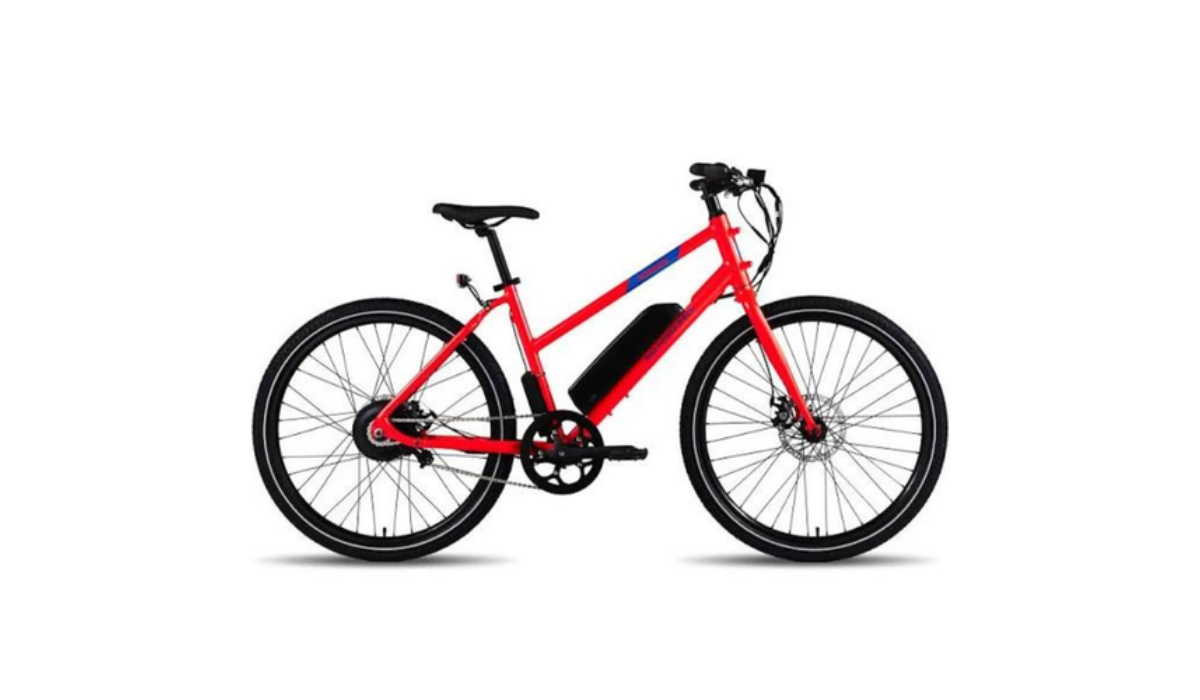
Can you ride an electric bike without pedaling?
- Understanding Electric Bikes
- How Electric Bikes Work
- Can you ride an electric bike without pedaling?
- When you ride an electric bike without pedaling: Benefits and Drawbacks
- Safety and Practical Considerations
- Last words
Understanding Electric Bikes
To grasp the concept of an electric bike, it’s important to understand its components. Electric bikes, also known as e-bikes, are equipped with an electric motor and a battery system. These components distinguish them from traditional bicycles. The electric bike motor provides additional power to aid the rider, making pedaling easier and more efficient. The battery system supplies the necessary energy to run the motor.
How Electric Bikes Work
There are two primary modes of operation for electric bikes: pedal-assist and throttle mode. In pedal-assist mode, the motor provides assistance while the rider is pedaling. It amplifies the pedaling effort, making it easier to tackle inclines or ride at higher speeds. On the other hand, throttle mode allows riders to engage the motor without pedaling. By using a handlebar-mounted throttle, the rider can control the speed and power of the electric bike solely through the motor.
Can you ride an electric bike without pedaling?
The short answer is yes, an electric bike can move without pedaling, thanks to the throttle mode. However, it is important to consider the limitations and factors that come into play. The functionality of an electric bike’s motor allows it to propel forward even without pedaling. However, the speed and distance covered solely by the motor’s power are influenced by various factors. These include the capacity and charge level of the battery, the power output of the motor, and the weight of the rider and the bike itself.
It is worth noting that legal regulations and restrictions regarding electric bikes might differ depending on the region. Some jurisdictions only permit electric bikes to move with motor assistance when the rider is actively pedaling. Therefore, riders should familiarize themselves with the specific laws governing electric bikes in their area to ensure compliance.
When you ride an electric bike without pedaling: Benefits and Drawbacks
Moving without pedaling can be advantageous in certain situations. For instance, riders who have physical limitations or fatigue may rely on throttle mode to continue their journey. It can also be beneficial when maneuvering through congested areas or for a quick burst of speed when needed. However, relying solely on the motor’s power has its drawbacks. It can drain the battery quickly, reducing the overall range of the electric bike. Additionally, continuous motor use may lead to increased wear and tear on the motor and battery system.
Safety and Practical Considerations
While moving without pedaling is possible, riders should exercise caution and be aware of safety considerations. Attentiveness and control are essential, especially when relying on motor power. It’s important to maintain situational awareness and adjust the throttle settings accordingly to maintain a safe and comfortable speed. Regular maintenance of the battery system is crucial to ensure optimal performance and prevent unexpected power loss during rides.
Last words
An electric bike can indeed move without pedaling, thanks to the throttle mode available in many models. However, the extent and limitations of pedal-free operation are influenced by various factors such as battery capacity, motor power, and regional regulations. While the ability to move without pedaling provides convenience in certain situations, it’s crucial to strike a balance between relying on motor power and utilizing pedal-assist to optimize battery life and overall riding experience.
As the popularity of electric bikes continues to soar, understanding their functionalities and limitations will empower riders to make informed choices and fully enjoy the benefits of this sustainable mode of transportation.
Author:MobileChic
That motivated, gadget-loving geeky chic who tries to stay on top of things. Unapologetic iFan.
Add MobilityArena as a preferred source on Google
This was one of the first questions I asked in my early days of interest on electric bikes. I needed to know for sure whether electric bikes charge when you pedal, and I am betting that you need that information, as well.
Electric bikes have become a popular mode of transportation, providing an eco-friendly and efficient way to navigate through cities and beyond. With the rise in electric bike usage, questions arise about their charging capabilities. This article aims to explore whether electric bikes can charge their batteries while pedaling, unraveling the mechanisms behind their charging systems and debunking common misconceptions.
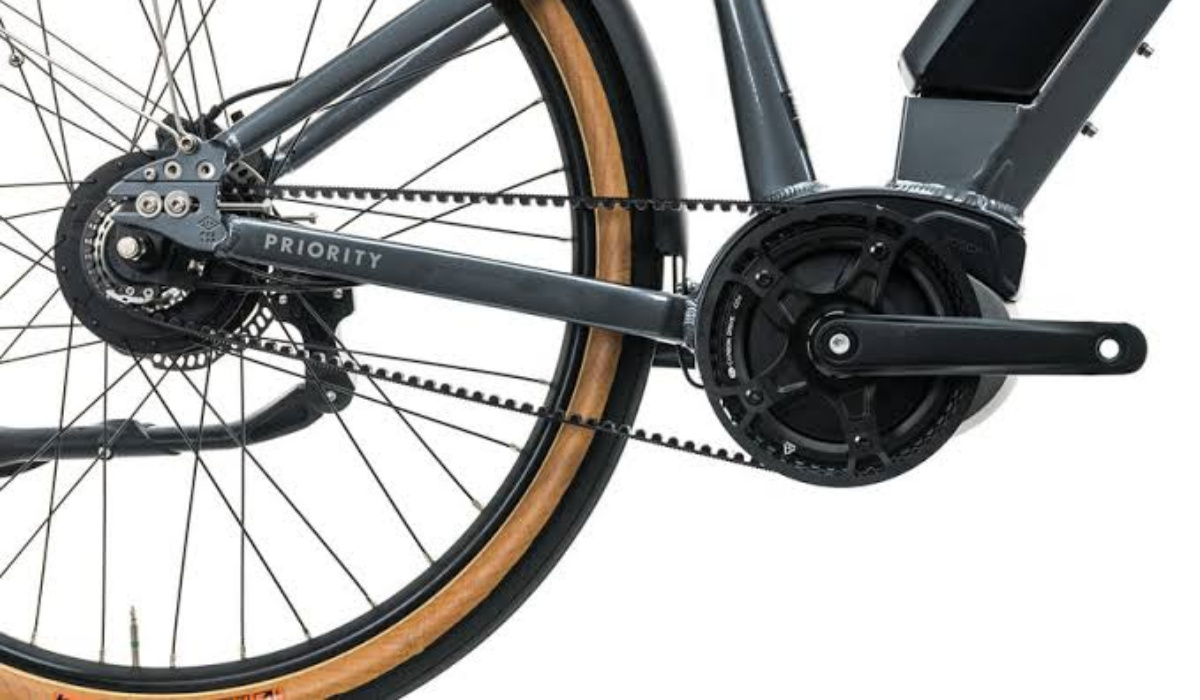
- Understanding Electric Bike Charging Mechanisms
- Electric Bike Battery and Charging Systems
- Pedal-Powered Charging: Debunking the Myth
- Regenerative Braking: The Source of Potential Charging
- Factors Affecting Regenerative Charging Efficiency
- Charging Strategies and Maximizing Battery Life
- Do electric bikes charge when you pedal?
Understanding Electric Bike Charging Mechanisms
To comprehend the charging process of electric bikes, it is crucial to understand the key components involved. Electric bikes consist of a motor, a battery, and often a regenerative braking system. The battery stores the electrical energy, while the motor provides power for propulsion. The regenerative braking system harnesses kinetic energy during braking to potentially contribute to charging the battery.
Electric Bike Battery and Charging Systems
Electric bikes typically rely on plug-in charging to replenish their batteries. This involves connecting the bike to an electrical outlet using a charging cable. However, some electric bikes also employ regenerative charging as an additional method. Regenerative charging utilizes the energy generated during braking to convert it back into electrical energy and store it in the battery. This system offers the potential for self-charging while on the go.
Pedal-Powered Charging: Debunking the Myth
Despite popular belief, pedaling alone does not generate significant charging power in electric bikes. Electric bikes predominantly operate in pedal-assist mode, where the motor provides assistance to the rider’s pedaling efforts. The primary function of the motor is to amplify the pedaling force, making it easier for riders to navigate various terrains and overcome challenging inclines. However, the energy generated from pedaling is primarily used to power the motor rather than charge the battery.
Regenerative Braking: The Source of Potential Charging
While pedaling does not directly charge electric bike batteries, regenerative braking presents a potential source of charging. Regenerative braking systems capture kinetic energy produced during braking and convert it into electrical energy, which can be stored in the battery. This process allows for a limited amount of charging while riding, particularly during frequent braking instances, such as descending hills or coming to a stop.
Factors Affecting Regenerative Charging Efficiency
The efficiency of regenerative charging is influenced by various factors. The speed and intensity of braking play a significant role in the amount of energy captured. Higher speeds and stronger braking force yield more energy for charging. Additionally, terrain and riding conditions impact regenerative charging potential. Hilly areas with frequent stops and starts offer more opportunities for charging compared to flat terrains with consistent speeds.
Charging Strategies and Maximizing Battery Life
To maximize the battery life and optimize charging efficiency, riders should consider a few strategies. Balancing pedal-assist and battery usage is essential for extended range. Utilizing the pedal-assist mode when necessary and relying on the battery for longer distances can help preserve the battery charge. Additionally, proper charging practices, such as avoiding overcharging and utilizing compatible charging equipment, can enhance battery performance and longevity.
As technology advances, the future of electric bike charging holds promising possibilities. Innovations such as solar charging panels and kinetic energy recovery systems may enhance the overall charging efficiency of electric bikes. Solar panels integrated into the bike’s frame or accessories could supplement battery charging, while kinetic energy recovery systems might capture more energy during riding, further reducing the reliance on external charging sources.
Do electric bikes charge when you pedal?
Electric bikes do not significantly charge their batteries through pedaling alone. While pedaling powers the motor and enables pedal-assist functionality, it does not generate enough energy to significantly contribute to battery charging.
However, regenerative braking offers a potential source of charging, converting kinetic energy into electrical energy during braking. By understanding the limitations and capabilities of electric bike charging systems, riders can make informed decisions about battery usage, optimize their charging strategies, and explore the potential of regenerative braking to enhance their overall riding experience.
If till now, you had wondered if electric bikes charge when you pedal, that question has been laid to rest permanently.
Related : Can you ride an electric bike without pedaling .
Author:MobileChic
That motivated, gadget-loving geeky chic who tries to stay on top of things. Unapologetic iFan.
