Add MobilityArena as a preferred source on Google
The iPhone 12 launched in the last quarter of 2020, going on to become an instant hit with iPhone lovers. It brought the iPhone 12, iPhone 12 Mini, iPhone 12 Pro and iPhone 12 Pro Max in this launch. In this article, we will take a look at some of the more popular iPhone 12 bugs and how to fix them yourself.
The iPhone 12 series launched in October last year, with four devices in its fold. It brought a slew of new features, while also bringing the iOS 14 to the fore. However, these smartphones still experienced a number of bugs and this is what we will take a closer look at in this article.
- Battery draining quickly: While most users of the iPhone 12 have had good reviews and nothing but good words to say about the battery life, quite a number have seen their iPhone 12’s battery drain rather too soon, making the device a bit difficult to use. This bug may be the result of turning on 5G too often, as 5G tends to drain battery faster than LTE or due to the presence of a malicious app. These tips below can help you deal with a fast-draining battery.
- Restart your iPhone and see if there’s any difference.
- Update the software on your device.
- Turn off 5G when not in use, as this can help you save your battery from unnecessary strain. Go to Settings > Cellular > Cellular Data Options > Voice & Data . You can then select the preferred setting from here.
- Check your apps to ensure there’s no app that constantly drains your phone’s power, if there is, delete the app especially when it is not a frequently used app. Go to Settings > Battery > Battery Usage tool , you should be able to investigate any suspicious apps from here and get rid of them if need be.
- Disable Background Refresh on your device. This feature helps you stay updated with all the current information on your apps but can put a significant strain on your phone’s battery. To disable, go to Settings > General > Background App > Refresh , then turn off for applications you do not use often.
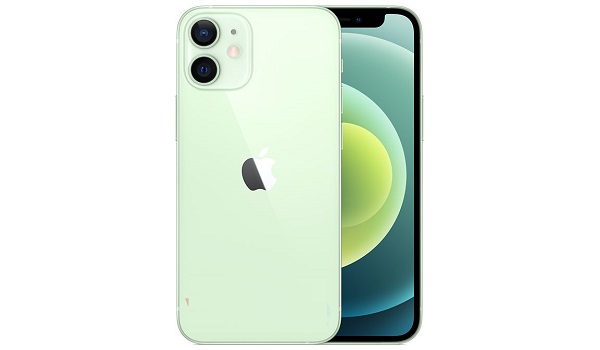
5G Not Available: The iPhone 12 series offers 5G support, providing data transfer at breakneck speeds. However, if you have noticed your device is missing 5G, then ensure you are on a plan that supports 5G. Also, make sure that your region has 5G service and your phone is connected. You should be able to enjoy 5G services once these factors are in place.
Bluetooth Connectivity Issues: At a time where many individuals rely on Bluetooth to listen to music, having a Bluetooth connection that falters is not a great look on any device. If you notice this anomaly, which is one of the more popular iPhone 12 bugs, first off, forget the device that is causing this problem in your Bluetooth settings. Go to Settings > Bluetooth > Select connection > Forget this Device , after this, try reconnecting this device. If this does not work, try to reset your Network Settings by following these simple steps, go to Settings > General > Reset > Reset Network Settings . This second alternative will make your iPhone forget known Wi-Fi networks, so you may need to keep your passwords handy.
iPhone 12 Wireless charging issues: One of the common iPhone 12 bugs that has made a number of forums online is the charging conundrum. This time, a number of users have complained that their wireless charging feature does not work like it should. If you are in this category, try resetting your iPhone by pressing and releasing Volume Up , Volume Down and then hold the Power Button till the device shuts off. Turn on your device and see if it works properly now.
Also, if you use your phone case to store credit cards, it’s best to remove them before charging the device wirelessly.
Author:Alfa Baye
Staff Writer
Add MobilityArena as a preferred source on Google
The Samsung Galaxy S21 series is finally official, after weeks of leaks and speculations around the devices. This series brings three smartphones in the Samsung Galaxy S21, Galaxy S21+ and Galaxy S21 Ultra, with the launch taking place at the Unpacked Event. All three smartphones provide displays with a 120Hz refresh rate and a new camera setup the company calls “Contour Cut Camera”.
Samsung Galaxy S21
The Samsung Galaxy S21 is built around a 6.2-inch Flat full-HD+ (1,080×2,400 pixels) Dynamic AMOLED 2× Infinity-O display with a 20:9 aspect ratio. The display also brings HDR10+ certification and an adaptive 120Hz. Under the hood, the Exynos 2100 SoC available in al regions (except the United States where a Qualcomm Snapdragon 888 is expected) is paired with 8GB of LPDDR5 RAM and 128/256GB of onboard storage. This smartphone runs the Android 11 with One UI on top.
In the optics department, a triple-rear camera setup with a 12MP ultra-wide sensor, another 12MP primary Dual Pixel sensor and a 64MP sensor with phase detection autofocus and optical image stabilization take care of photos and videos while a 10MP front camera takes care of selfies. The Galaxy S21 boasts a 4,000mAh battery that supports USB PD 3.0 fast charging. There is also fast wireless charging and reverse wireless charging for this device.
Connectivity options available for this device include 5G, 4G LTE, Wi-Fi, and USB Type-C Port for charging the device. It weighs 171 grams and measures 151.7×71.2×7.9 mm.
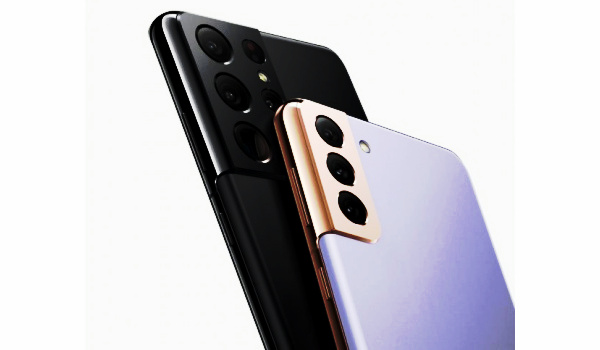
Samsung Galaxy S21 Ultra
The Galaxy S21 Ultra launched with the Android 11 with One UI on top. It has a larger display with a 6.8-inch Edge QHD+ (1,440×3,200 pixels) Dynamic AMOLED 2× Infinity-O display with a 20:9 aspect ratio. It also brings HDR10+ support and a 120Hz screen refresh rate. The Galaxy S21 Ultra launched with Wacom technology offering S Pen support.
This smartphone shares the same chipset as the S21 in the global and US markets but is paired with more RAM, as 12/16GB of LPDDR5 RAM options are available for users.
This smartphone features a quad-rear camera setup with a 108MP main camera with OIS support, it is supported by a 12MP Dual Pixel sensor, a 10MP telephoto sensor and another 10MP sensor. Up front, a 40MP camera takes care of video calls and selfies. The Galaxy S21 Ultra launched with a 5,000mAh battery that supports USB PD 3.0 fast charging and Wireless Charging 2.0.
This smartphone offers a variety of storage options with 128/256/512GB of onboard storage. Connectivity options for this device include 5G, 4G LTE, Wi-Fi 6E, Bluetooth, GPS/A-GPS and USB Type-C Port for charging the device. It weighs 227/229 grams and measures 165.1×75.6×8.9 mm.
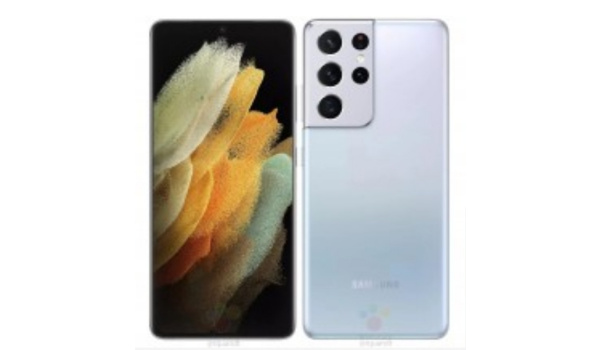
Samsung Galaxy S21+
The Samsung Galaxy S21+ is built around a 6.7-inch Flat full-HD+ (1,080×2,400 pixels) Dynamic AMOLED 2× Infinity-O display with a 20:9 aspect ratio. The display also brings HDR10+ certification and an adaptive 120Hz with Eye Comfort Shield. Under the hood, the Exynos 2100 SoC available in all regions (except the United States where a Qualcomm Snapdragon 888 is expected) is paired with 8GB of LPDDR5 RAM and 128/256GB of onboard storage.
In the optics department, this device features a similar camera setup as the Galaxy S21. The Galaxy S21+ boasts a 4,800mAh battery that supports USB PD 3.0 fast charging. There is also fast wireless charging and reverse wireless charging for this device.
Connectivity options available for this device include 5G, 4G LTE, Wi-Fi, and USB Type-C Port for charging the device. It weighs 200/202 grams and measures 161.5×75.6×7.8 mm.
The Galaxy S21 starts at $799 while the Galaxy S21+ sells for $999 and the pick of the pack, the Galaxy S21 Ultra costs $1199. These smartphones will be available for pre-orders from today, while they are expected to go on sale from the 29 th of January in the U.S.
Author:Alfa Baye
Staff Writer
