Add MobilityArena as a preferred source on Google
This was one of the first questions I asked in my early days of interest on electric bikes. I needed to know for sure whether electric bikes charge when you pedal, and I am betting that you need that information, as well.
Electric bikes have become a popular mode of transportation, providing an eco-friendly and efficient way to navigate through cities and beyond. With the rise in electric bike usage, questions arise about their charging capabilities. This article aims to explore whether electric bikes can charge their batteries while pedaling, unraveling the mechanisms behind their charging systems and debunking common misconceptions.
- Understanding Electric Bike Charging Mechanisms
- Electric Bike Battery and Charging Systems
- Pedal-Powered Charging: Debunking the Myth
- Regenerative Braking: The Source of Potential Charging
- Factors Affecting Regenerative Charging Efficiency
- Charging Strategies and Maximizing Battery Life
- Do electric bikes charge when you pedal?
Understanding Electric Bike Charging Mechanisms
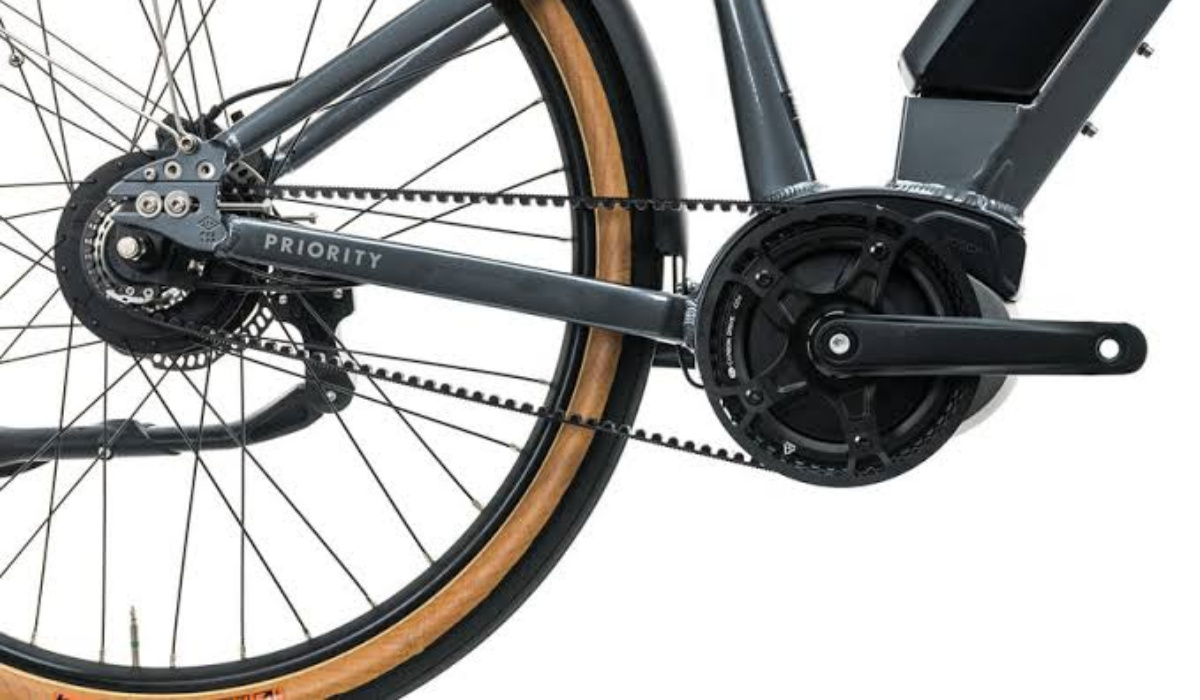
To comprehend the charging process of electric bikes, it is crucial to understand the key components involved. Electric bikes consist of a motor, a battery, and often a regenerative braking system. The battery stores the electrical energy, while the motor provides power for propulsion. The regenerative braking system harnesses kinetic energy during braking to potentially contribute to charging the battery.
Electric Bike Battery and Charging Systems
Electric bikes typically rely on plug-in charging to replenish their batteries. This involves connecting the bike to an electrical outlet using a charging cable. However, some electric bikes also employ regenerative charging as an additional method. Regenerative charging utilizes the energy generated during braking to convert it back into electrical energy and store it in the battery. This system offers the potential for self-charging while on the go.
Pedal-Powered Charging: Debunking the Myth
Despite popular belief, pedaling alone does not generate significant charging power in electric bikes. Electric bikes predominantly operate in pedal-assist mode, where the motor provides assistance to the rider’s pedaling efforts. The primary function of the motor is to amplify the pedaling force, making it easier for riders to navigate various terrains and overcome challenging inclines. However, the energy generated from pedaling is primarily used to power the motor rather than charge the battery.
Regenerative Braking: The Source of Potential Charging
While pedaling does not directly charge electric bike batteries, regenerative braking presents a potential source of charging. Regenerative braking systems capture kinetic energy produced during braking and convert it into electrical energy, which can be stored in the battery. This process allows for a limited amount of charging while riding, particularly during frequent braking instances, such as descending hills or coming to a stop.
Factors Affecting Regenerative Charging Efficiency
The efficiency of regenerative charging is influenced by various factors. The speed and intensity of braking play a significant role in the amount of energy captured. Higher speeds and stronger braking force yield more energy for charging. Additionally, terrain and riding conditions impact regenerative charging potential. Hilly areas with frequent stops and starts offer more opportunities for charging compared to flat terrains with consistent speeds.
Charging Strategies and Maximizing Battery Life
To maximize the battery life and optimize charging efficiency, riders should consider a few strategies. Balancing pedal-assist and battery usage is essential for extended range. Utilizing the pedal-assist mode when necessary and relying on the battery for longer distances can help preserve the battery charge. Additionally, proper charging practices, such as avoiding overcharging and utilizing compatible charging equipment, can enhance battery performance and longevity.
As technology advances, the future of electric bike charging holds promising possibilities. Innovations such as solar charging panels and kinetic energy recovery systems may enhance the overall charging efficiency of electric bikes. Solar panels integrated into the bike’s frame or accessories could supplement battery charging, while kinetic energy recovery systems might capture more energy during riding, further reducing the reliance on external charging sources.
Do electric bikes charge when you pedal?
Electric bikes do not significantly charge their batteries through pedaling alone. While pedaling powers the motor and enables pedal-assist functionality, it does not generate enough energy to significantly contribute to battery charging.
However, regenerative braking offers a potential source of charging, converting kinetic energy into electrical energy during braking. By understanding the limitations and capabilities of electric bike charging systems, riders can make informed decisions about battery usage, optimize their charging strategies, and explore the potential of regenerative braking to enhance their overall riding experience.
If till now, you had wondered if electric bikes charge when you pedal, that question has been laid to rest permanently.
Related : Can you ride an electric bike without pedaling .
Author:MobileChic
That motivated, gadget-loving geeky chic who tries to stay on top of things. Unapologetic iFan.
Add MobilityArena as a preferred source on Google
Electric bikes have experienced a surge in popularity, offering an eco-friendly and efficient alternative for transportation and recreation. For potential buyers, understanding the cost factors associated with electric bikes is essential.
As part of my series introducing you to the subject of electric bikes, I explore the various types of electric bikes, factors influencing their costs, and provide an overview of price ranges to help you make informed decisions.
How Much Do Electric Bikes Cost?
- The Different Types of Electric Bikes
- Factors Affecting Electric Bike Costs
- How Much Do Electric Bikes Cost?
- Additional Cost Considerations
- Cost-Effectiveness of Electric Bikes
- Tips for Budgeting and Affordability
- Last words
The Different Types of Electric Bikes
Electric bikes come in different categories, each designed for specific purposes. Commuter electric bikes are ideal for daily commuting, while mountain electric bikes are built for off-road adventures. Folding electric bikes offer convenience and portability. The cost of an electric bike can vary based on its type, with specialized features and components tailored to different riding preferences.
Factors Affecting Electric Bike Costs
Several key factors contribute to the cost of an electric bike:
- Battery Technology and Capacity : Advanced battery technologies with higher energy density tend to increase the price of electric bikes. Bikes equipped with larger-capacity batteries typically come with a higher price tag.
- Motor Power and Performance : More powerful motors with higher torque capabilities are often found in higher-priced electric bikes. Enhanced motor performance translates to improved speed, acceleration, and climbing ability.
- Frame Material and Build Quality : Electric bikes made from lightweight and durable materials, such as carbon fiber or high-quality aluminum, tend to be pricier due to their superior strength and weight-saving properties.
- Components and Accessories : The quality and brand of components, such as gears, brakes, suspension systems, and displays, impact the overall cost. Additional accessories like lights, racks, and fenders can also contribute to the price.
- Brand Reputation and Quality Assurance : Established brands known for their quality and reliability may have higher-priced electric bikes. These brands often invest in research, development, and customer support.
How Much Do Electric Bikes Cost?
Electric bikes are available in a wide range of prices to accommodate different budgets:
- Entry-Level Electric Bikes : Budget-friendly options can start from around $500 and go up to approximately $1,500. These bikes typically feature basic components, smaller battery capacities, and simpler designs.
- Mid-Range Electric Bikes : Value-for-money options fall within the range of $1,500 to $3,500. They offer better components, larger battery capacities, and improved performance suitable for a variety of riding needs.
- High-End Electric Bikes : Premium electric bikes can range from $3,500 to $10,000 or more. These bikes feature top-of-the-line components, advanced technology, premium materials, and superior performance for avid riders and enthusiasts.
- Custom-Built Electric Bikes : The cost of custom-built electric bikes can vary significantly depending on individual specifications and preferences. Customization options allow riders to choose specific components, design features, and accessories, which can drive up the overall cost.
Additional Cost Considerations
When budgeting for an electric bike, it is important to consider additional cost factors:
- Maintenance and Repairs : Ongoing maintenance and potential repairs should be factored into the overall cost. Those are the costs that can wipe out your savings. Regular servicing, battery replacements, and component upgrades may incur additional expenses.
- Accessories and Upgrades : Optional accessories such as racks, lights, locks, and upgraded components can increase the overall cost of an electric bike. Buyers should assess their needs and prioritize accessories accordingly.
- Warranty and After-Sales Service : Checking the warranty coverage and after-sales service provided by the manufacturer is important. A comprehensive warranty and reliable customer support can offer peace of mind and potential cost savings in case of any issues.
Cost-Effectiveness of Electric Bikes
Electric bikes, despite their upfront costs, can be cost-effective in the long run. Compared to traditional transportation methods, electric bikes offer savings in fuel and parking expenses. Additionally, electric bikes require minimal maintenance compared to cars, reducing ongoing costs. Riders can experience significant savings by replacing short car trips or daily public transportation with electric bike commutes.
Furthermore, electric bikes contribute to environmental sustainability by reducing carbon emissions. Choosing an electric bike as a primary mode of transportation helps lower the carbon footprint and promotes a greener lifestyle.
Tips for Budgeting and Affordability
To make electric bikes more affordable, consider the following tips:
- Research and Comparison Shopping : Explore different brands, models, and retailers to find the best value for your budget. Comparing prices, features, and customer reviews can help identify cost-effective options.
- Consider Used Electric Bikes : Purchasing a used electric bike can offer substantial savings. However, it’s essential to inspect the bike’s condition, battery health, and verify its history before making a purchase.
- Financing Options : Some retailers offer financing plans that allow you to spread out the cost over a certain period. Check if this option is available and evaluate the terms and interest rates.
- Subsidies and Incentives : Research local government subsidies or incentives for electric bikes. Certain regions may offer financial support or tax benefits to encourage sustainable transportation choices.
Last words
The cost of electric bikes varies based on factors such as battery technology, motor power, frame material, components, and brand reputation. Entry-level electric bikes are available at a lower price point, while high-end models with advanced features can be significantly more expensive. Considering the long-term savings on fuel, parking, and maintenance, electric bikes prove to be a cost-effective transportation solution. By assessing personal needs, researching options, and exploring affordability measures, individuals can find an electric bike that fits their budget while reaping the benefits of sustainable and enjoyable commuting.
Author:MobileChic
That motivated, gadget-loving geeky chic who tries to stay on top of things. Unapologetic iFan.
