Add MobilityArena as a preferred source on Google
In 2024, the Pixel series got a big boost, as they both evolved and grew in range. From the traditional two devices, the Google Pixel 9 series is made up of five devices. Six, if we add the Pixel 9a that will arrive in 2025. Here are the detailed specifications and prices of the Google Pixel 9, Pixel 9 Pro, Pixel 9 Pro XL, and Pixel 9 Pro Fold.
The Pixel 9 series devices all support eSIM, aptX HD, and wireless charging. They also have official ingress protection (IP) rating. None of them has an IR blaster or a 3.5mm headphone jack.
The Pixel 9 devices have some things in common – they all launch with Android 15, all use the new Tensor G4 chipset, and share the same design language. In terms of software support, they will receive at least seven years of Android platform updates and security patches. You can expect to update your Pixel 9 device to Android 22, and also push out security updates to to until October 2031.
For more detailed specifications of the devices, have a look at the sections below.
- Google Pixel 9 Pricing
- Google Pixel 9 Pro Pricing
- Google Pixel 9 Pro XL Pricing
- Google Pixel 9 Pro Fold Pricing
Google Pixel 9
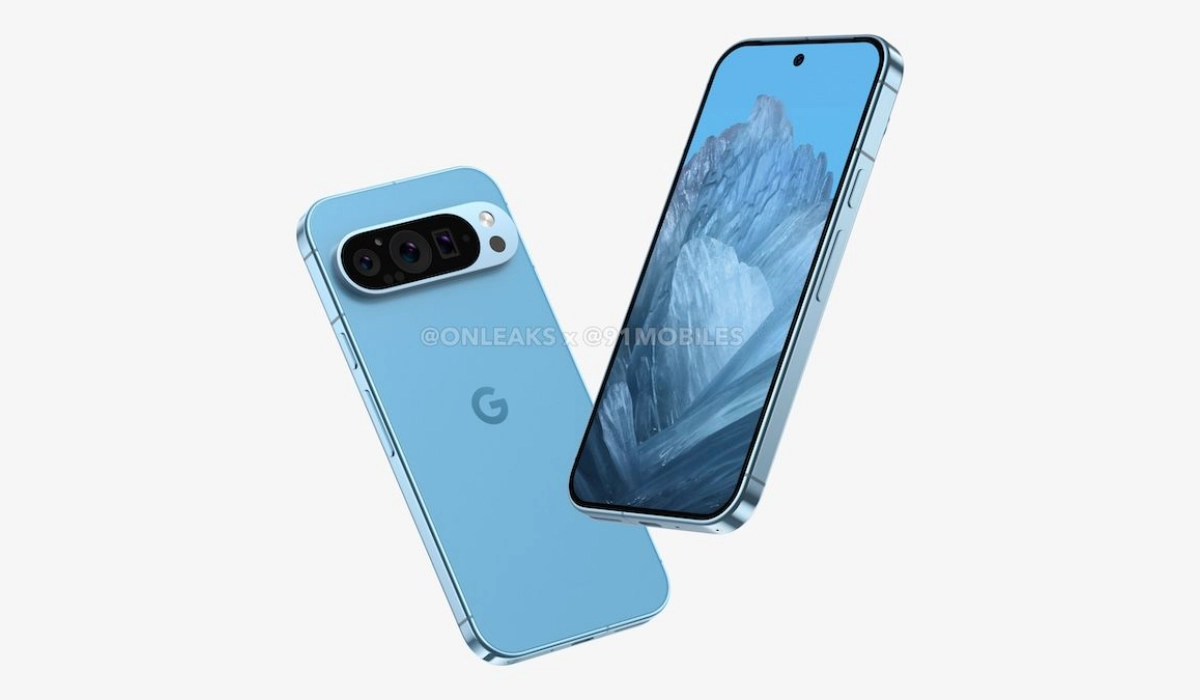
Mobile Wireless Network and Software
- 2G mobile network bands : GSM, GPRS, EDGE 850 / 900 / 1800 / 1900 MHz.
- 3G mobile network bands : UMTS, WCDMA, HSDPA 850 / 900 / 2100 MHz
- 4G mobile network bands : LTE.
- 5G mobile network bands : NSA/SA
- SIM Type : Nano-SIM, Dual SIM, eSIM
- Software / OS : Android 15
- Software Updates : 7 years of major updates and security patches.
Design, Form Factor, Appearance
- Dimensions : 161 x 76.5 x 8.3 mm
- Weight :
- Display Size : 6.24 inches,
- Screen Resolution : 1080 x 2424 pixels, 1,800nits
- Refresh Rate : 120 Hz refresh rate
- Screen Type : pOLED
- Frame : Glass front, metal frame,
- Back/Rear Cover : Glass back (Gorilla Glass Victus)
- Ingress Protection/IP Rating : IP68 dust/water resistant (up to 1.5 meters for 30 minutes)
- Colorways : Obsidian, Porcelain, Rose, Hazel.
Internal Hardware Specs
- Central Processor ( CPU ): 64-bit, 3.1 GHz Octa-core
- Chipset : Google Tensor G4 (4 nm)
- Graphics Processing Unit ( GPU ): ARM Mali G715 GPU
- RAM : 8GB / 12GB.
- Extended/Virtual RAM :
- Internal Storage : 128 GB / 256 GB UFS 3.1
- External Storage : No.
Photography, Video Recording
- Main Camera : 50MP Samsung GNK 1/1.31-inch main sensor + 50MP Sony IMX858 1/2.51-inch ultrawide camera, autofocus, LED flash, 4k video@30fps, 1080p@30fps video recording
- Front Camera : 11 MP, auto focus, Face Recognition, 4k video, 1080p@30fps video capture
Audio, Video Playback
- Music Support : PCM, AAC / AAC + / eAAC + / MP3 / AMR – NB / WB / APE
- 3.5 mm audio headphone jack : No.
- Loudspeaker : Stereo speakers
- Video Support : H.264/MP4/MPEG4 player
- FM Radio : No.
Phone Sensors
- Digital Compass : Yes.
- Accelerometer : Yes.
- Proximity Sensor : Yes.
- Ambient Light Sensor : Yes.
- Barometer : Yes.
- Pedometer : No.
- Heart Rate Monitor : No.
- Gyroscope (G-Sensor) : Yes.
- Fingerprint Scanner : Yes; in-display.
- Face Unlock : Yes.
- Iris Scanner : No.
- Motion Sensing / Gesture Control : No.
- Voice Control : No.
- Intelligent Digital Assistant : Yes; Google Assistant.
- Infra-red/IR Blaster : No.
Connectivity Options
- Bluetooth Version : 5.3
- Bluetooth Profiles : A2DP, LE
- aptX Bluetooth Codecs : aptX HD
- WiFi : Wi-Fi 802.11 a/b/g/n/ac, hotspot
- GPS : Yes, A-GPS, GLONASS, GALILEO, BDS, QZSS
- USB : microUSB v2.0. Type-C.
- NFC : Yes.
Miscellaneous Specs and Features
- Battery Type : Non-Removable Lithium-Ion
- Battery Capacity : 4600 mAh
- Battery Charging : 27W fast charging, PD3.0, PPS, 50% in 30 minites.
- Wireless Charging : 18W
- Reverse Charging : Wireless.
- Model Version/Number :
Launch/Release Dates and Information
- Announced : August 13, 2024
- Release Date : August 2024
Pricing
Google Pixel 9 comes in two storage variants – 128GB and 256GB. Below are its prices in the US, the UK, Germany, and Australia.
- United States of America (USA) : $800 for the 128GB variant, and $900 for the 256GB variant.
- United Kingdom (UK) : £800 for the 128GB variant, and £900 for the 256GB variant.
- European Union (EU) : €899 for the 128GB base storage, €999 for the 256GB storage option.
- Australia : from AUD
Google Pixel 9 Pro
The Pixel 9 Pro is almost the same size as the Pixel 9, but with better specifications. It has a 6.34″ display, and a 50 MP selfie camera. The rear camera consists of a 50 MP main camera + 48 MP ultrawide camera + 48 MP telephoto lens.
It is fitted with 16GB RAM and comes in four colorways – Obsidian, Porcelain, Rose, and Hazel.
Pricing
The Pixel 9 Pro comes in three storage variants – 128GB, 256GB, and 512GB. Below are its prices in the US, the UK, Germany, and Australia.
- United States of America (USA) : (128GB) $999, (256GB) $1,099, (512GB) $1,219.
- United Kingdom (UK) : (128GB) £999, (256GB) £1,099, (512GB) £1,219, (1TB) £1,449.
- European Union (EU) : €1,099 for the 128GB base storage, €1,199 for the 256GB storage option, and €1,329 for the 512GB storage option.
- Australia : from AUD
Google Pixel 9 Pro XL
The Pixel 9 Pro XL is bigger in size, as it sports a 6.73” display.
Pricing
Pixel 9 Pro XL comes in four storage variants – 128GB, 256GB, 512GB, and 1TB. Below are its prices in the US, the UK, Germany, and Australia.
- United States of America (USA) : (128GB) $1,099, (256GB) $1,199, (512GB) $1,319. (1TB) $1,549.
- United Kingdom (UK) : (128GB) £1,099, (256GB) £1,199, (512GB) £1,319, (1TB) £1,649.
- European Union (EU) : €1,199 for the 128GB base storage, €1,299 for the 256GB storage option, €1,429 for the 512GB option, and €1,689 for the 1TB option.
- Australia : from AUD
Google Pixel 9 Pro Fold
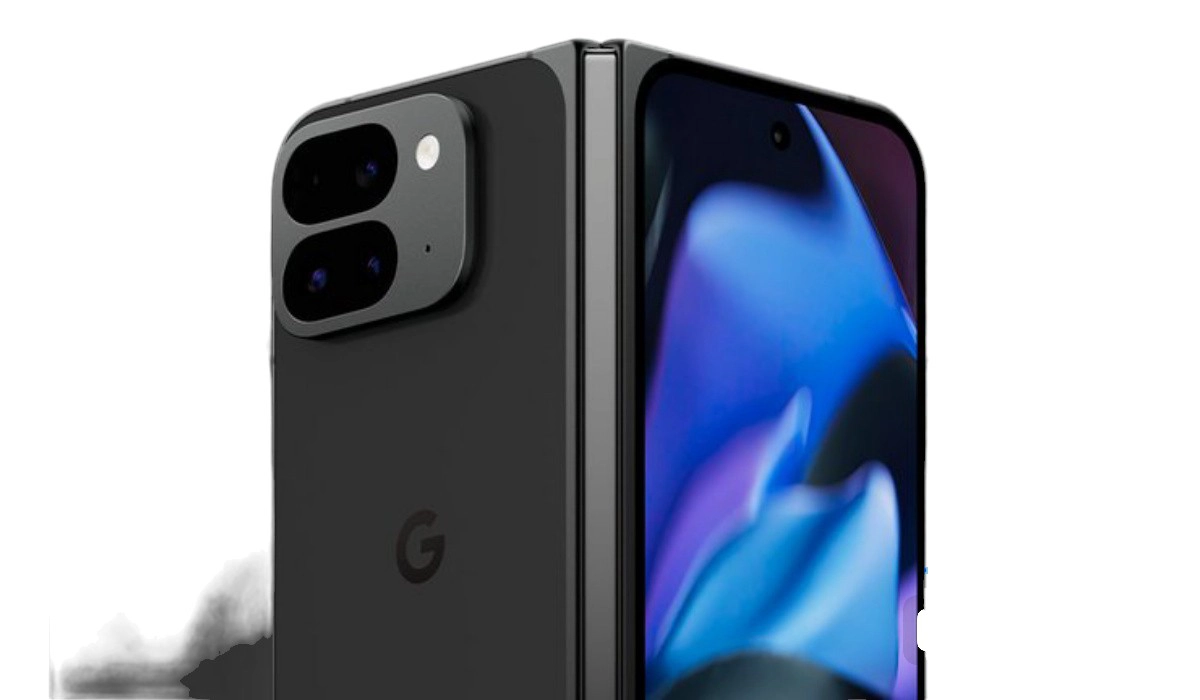
Google Pixel 9 Pro Fold
Lastly, we come to the foldable device in this range, the Pixel 9 Pro Fold. It is available on two colorways only – Obsidian and Porcelain only.
Pricing
The Pixel 9 Pro Fold comes in two storage variants – 256GB, and 512GB. Below are its prices in the US, the UK, Germany, and Australia.
- United States of America (USA) : (256GB) $1,799. (512GB) $1,919.
- Canada : (256GB) C$2,399, (512GB) C$2,569.
- United Kingdom (UK) : (256GB) £1,749, (512GB) £1,869
- European Union (EU) Germany, Netherlands: €1,899 for the 256GB base storage, €2,029 for the 512GB storage option.
- Australia : from AUD
Author:InfoDesk
Add MobilityArena as a preferred source on Google
If you replace your phone every year because you believe you are buying a better device, I have an island on Mars to sell you.
Apple iPhones get a minimum of 5 years of software updates. Google’s newer Pixel devices get up to 7 years, and the same goes The more recent crop of Samsung phones get up to 7 years. Nothing smartphones get 3 years of Android updates.
And Samsung has recently announced the Galaxy A16 5G and the Galaxy A06 with promises of 6 and 2 years of software updates respectively.
So, why exactly are people replacing their smartphone every year?
Why do you replace your phone every year? Image source: Mister Mobility
It doesn’t make sense to me. The whole idea of software support is that mobile users should be comfortable using their devices years after their release dates. But it appears that people really do prefer to replace their smartphones every year. At least, a highly vocal, visible demography of users, at the least. What is really interesting is that it is this very vocal demography that advocates and agitates the most for years of software support.
The paradox is interesting to see. People advocate for a benefit, then totally make buying decisions that ignore that very benefit. That is really wild.
Someone will say newer hardware is why they do it. That isn’t a satisfactory answer to me. Why? Have you compared the differences in hardware with each yearly release? Have you compared the hardware of iPhone 15 to that of iPhone 14, and that of Samsung Galaxy S24 to Samsung Galaxy S23? If you haven’t, you should.
I have, and I can tell you, straight up, that the differences are marginal. Nothing groundbreaking. Nothing that moves the needle significantly. The phone brands print a number of buzz words to market the newer releases, but if you look at the specs and features, you are spending $1,000 or $500 or $250 every year in essentially the same phone. At least this is true for most phones released two years apart. Most of the time, it isn’t until the 3rd year that the hardware difference makes any sense.
You could put an iPhone 12 and an iPhone 15 in a photoshoot, and you would be disappointed to find out that you have to pixel peep and squint to notice any difference in the photo results. The same is true for performance, battery life, and other features. Do you really replace your phone because of a 10% improvement in performance – a performance difference that makes zero difference in your every day usage of the device?
If you are one of the few honest individuals around, you might admit that you replace your phone every year to keep up with the Joneses. Only a very few individuals will be that honest. And if that is what you want to do, that’s fine. I imagine that there is some validity in that. But if you replace your phone every year because you believe you are buying a better device, I have an island on Mars to sell you.
Your premium flagship smartphone will remain powerful and up-to-date for years after it was released. For example, my Lumia 950 was a better camera phone than the flagships from Samsung, Apple, and other brands for two years after its release in 2015 . What would be the point of replacing it in that period?
Your Apple iPhone 13 and iPhone 14 run the exact same apps and services that the iPhone 15 does. Why replace the former with the latter? Skip the 15. Maybe skip the 16. And should you skip the iPhone 17, I assure you that you wouldn’t be missing much either. As a matter of fact, if you are like most smartphone users, you do not use most of the processing power and features of your device . So, why replace your phone every 12 months?
As a gadget reviewer, I enjoy the privilege of having multiple devices pass through my hands every year, and so I get to indulge myself and switch phones often – sometimes multiple times each year. But I am clear in my head about it: if my job did not require it and make it easy, I wouldn’t catch me, dead or alive, replacing my smartphone every year. I’d use each one for the lifetime of available software support and only when support ends, or the phone dies, would I replace it.
Yes, I would replace my phone every three (3) to seven (7) years, depending on the software support policy of the brand in question. My last car was purchased brand new and it saw 11 years of usage before I sold it. My shoes last for years of usage. The same goes for TV, fridge, and pretty much everything else. Why would I want to switch my phone every single year?
Ask yourself the same. Perhaps you replace your phone every year only because marketing buzz words are messing with your head. They are likely messing with your finances, too.
Author:Mister Mobility
Digital Skills and Communication Coach | Mobile Phone Connoisseur since 2001 | Tech Blogging since 2004
