Add MobilityArena as a preferred source on Google
E-Ink also referred as “Electronic Ink”, “Paperlike”, “Electronic Paper” or “ePaper” is a type of display technology that looks like paper with high visibility and contrast. This technology is used in devices that prioritize reading of text over watching animated images and video. Examples of these devices include eBook readers, digital notepads, electronic shelf labels, digital signage, smartwatches, and a small number of smartphones.
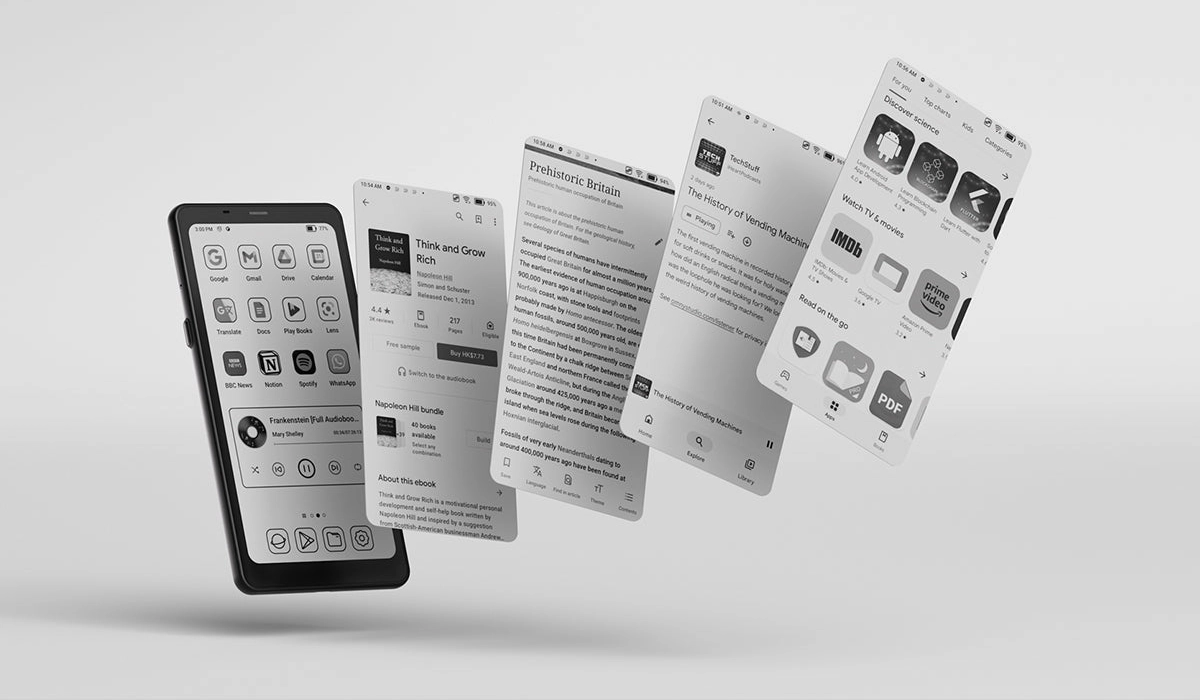
BOOX Palma mobile ePaper is an e-Ink smartphone
The technology was developed in the 1990s and the E Ink Corporation was co-founded in 1997 by MIT undergraduates JD Albert and Barrett Comiskey, MIT Media Lab professor Joseph Jacobson, Jerome Rubin and Russ Wilcox, to commercialize it.
Electronic ink displays do not emit light on their own, which is why they do not have the problem of glare and so are much easier on the eyes than other types of displays. This makes them perfect for reading for long periods of times. As such, they are used in devices that are more about reading text than any other kind of activity.
By default, ePaper displays are grayscale, and that is how you will find them in most products, but full color types have been displayed for use in smartphones and tablets. For example, Nxtpaper is a type of color e-ink display that was developed by TCL Corporation for use that way.
- Benefits of e-Ink Displays and Monitors
- Disadvantages of e-Ink Displays
- e-Ink vs LCD
- e-Ink vs AMOLED
E-Ink displays are primarily used in devices that require a paper-like reading experience and low power consumption. Here are some common examples:
- E-readers : Devices like Amazon Kindles and Kobo e-readers are almost exclusively equipped with electronic paper displays.
- Digital notepads : These devices simulate the experience of writing on paper, using ePaper technology to display handwritten content. Examples include Boox Note Air3 C, Amazon Kindle Scribe, and reMarkable 2.
- Electronic shelf labels (ESL) : Many retail stores use ePaper displays to dynamically update product prices and text information.
- Smartwatches : Some smartwatches incorporate electronic paper displays for their low power consumption and readability in various lighting conditions. e-Ink smartwatches include EPSON Smart Canvas, Sony Fes Watch U, Sony Smartband 2, and Radwear Wearable.
- Digital signage : Paperlike displays are also used for outdoor signage, as they are highly readable in sunlight and have low power requirements.
- Smartphones : Yes, some smartphones use an E-Ink displays. A cell phone brand like TCL uses full-color NXT paper-like displays in their products. Examples of smartphones and tablets with ePaper screens include Hisense A9, Bigeme HiBreak Color E Ink, BOOX Palma Mobile ePaper, TCL NxtPaper 14 tablet, TCL 50 NxtPaper 5G, and TCL 50 Pro NxtPaper 5G.
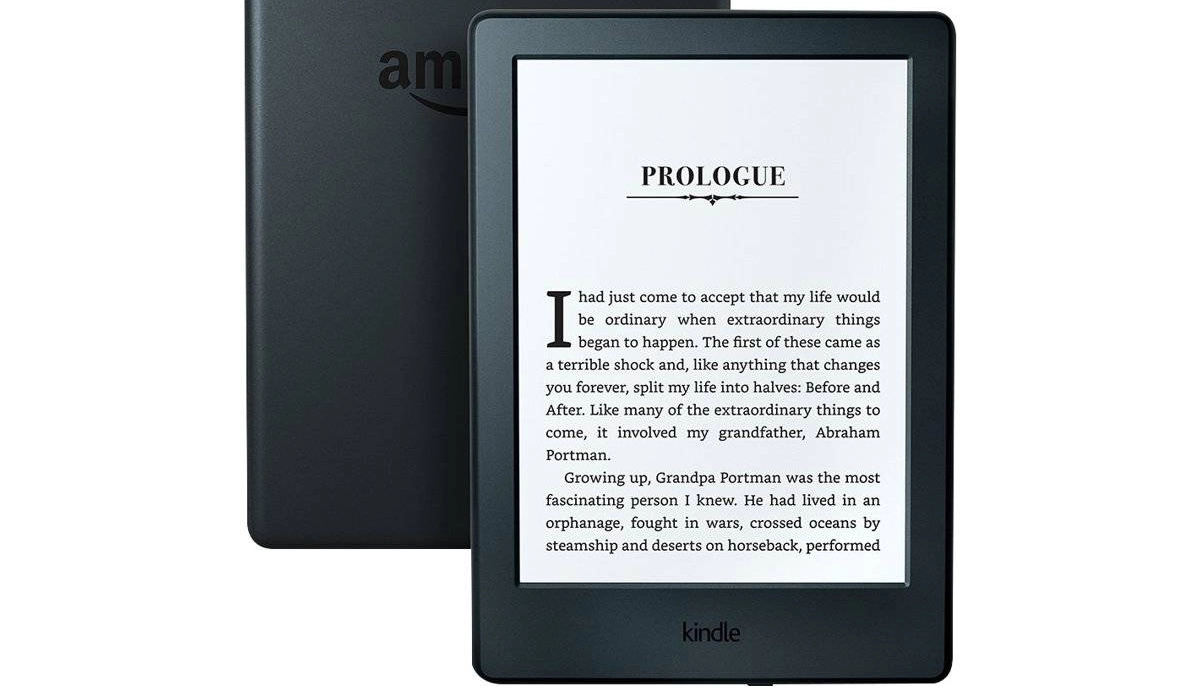
Amazon Kindle 11th Generation eBook reader has an e-ink display
Benefits of e-Ink Displays and Monitors
ePaper displays have a more natural feel to reading, which is why they are great for devices like e-readers and the like.
Another advantage is that of high contrast. And then, there is no glare which makes them easier on the eyes. As such, they are suitable for reading, for hours on end.
Paperlike display have extremely low-power consumption, meaning that the batteries of devices incorporating them last for days of extensive use.
E-Ink screens are more durable than other types of displays. They handle scratches and impact much better than others.
Disadvantages of e-Ink Displays
Electronic Ink displays have slow refresh rates compared to other types of displays. This can lead to ghosting in use.
An extension of the ghosting problem is that over time, an electronic ink display has the tendency to develop permanent marks or scars on the screen.
Electonic Ink technology is also subject to the limitations of lower resolution and limited color range. Thes, along with the limited refresh rates, makes electronic paper screens largely unsuitable for video consumption.
Lastly, because of the more challenging manufacturing process, electronic paper displays are expensive to produce. This limits their usage in smartphones, for example, as cell phone brands are often trying to keep costs down.
e-Ink vs LCD
Compared to LCD panels, Paperlike readers have higher contrast, no glare, and a more natural reading experience. LCD screens, on the other hand, are both more dynamic and more affordable. This makes ePaper screens easier to read but not very good for animations and videos which LCD panels are better suited to.
e-Ink displays use reflective technology and so do not emit light. This makes them more power efficient and more legible in direct sunlight than LCD panels.
e-Ink vs AMOLED
Similar to the comparison with LCD panels, electronic paper readers have higher contrast, no glare, and a more natural reading experience, while AMOLED screens are both more dynamic and more affordable. This makes ePaper screens easier to read but not very good for animations and videos which AMOLED panels are better suited to.
e-Ink displays use reflective technology and so do not emit light. This makes them more power efficient and more legible in direct sunlight than AMOLED panels.
Author:Mister Mobility
Digital Skills and Communication Coach | Mobile Phone Connoisseur since 2001 | Tech Blogging since 2004
Add MobilityArena as a preferred source on Google
Living in the U.S. means you ought to be interested in alternatives to the Samsung Galaxy A55, because you won’t find that phone anywhere to buy in God’s own country. If you hadn’t heard this before now, Samsung decided that they would not sell the Galaxy A55 in the United States. This took everyone by surprise, considering that its predecessor, Samsung Galaxy A54 from last year, turned out to be highly successful in the states.
- Samsung Galaxy A54
- Samsung Galaxy A35
- Samsung Galaxy S23 FE
- Motorola Moto G Power 2024
- OnePlus Nord N30 5G
- Google Pixel 7a
- The Most Affordable Samsung Galaxy A55 Alternative
- The Overall Best Samsung Galaxy A55 Alternative Smartphone
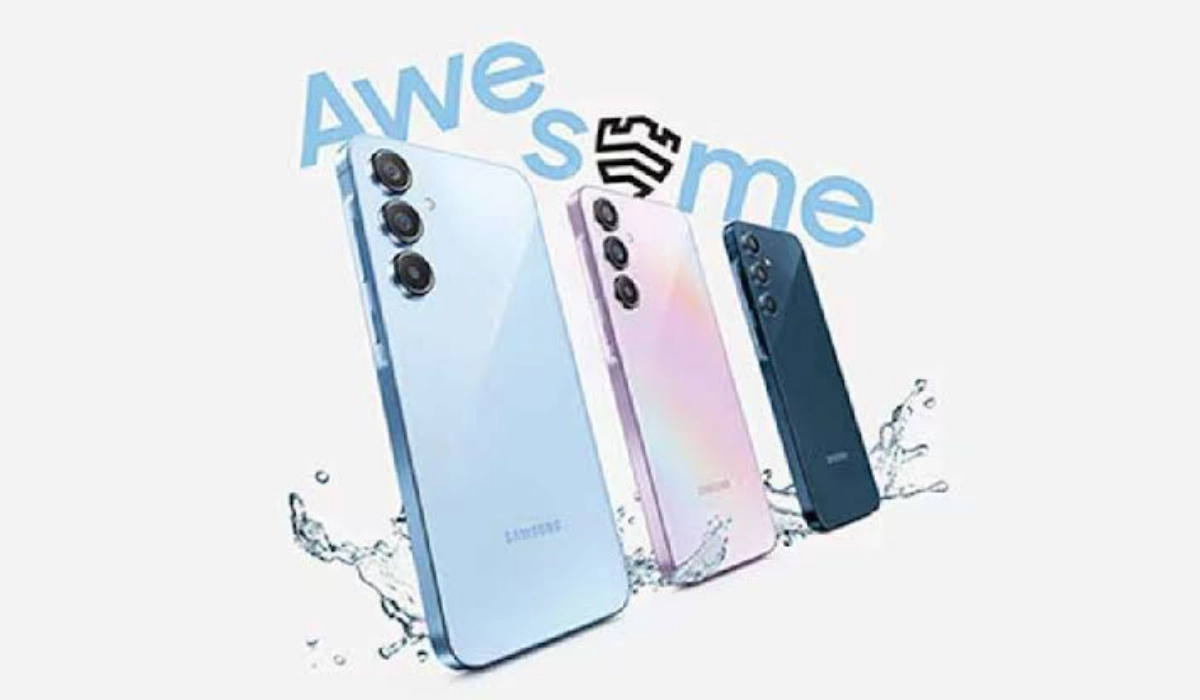
And that is fine. So, which mid-range smartphones in the USA are the best alternatives to the Samsung Galaxy A55? The price range we are looking at for alternative devices is in the range of $300 to $600, as the U.S. dollar price of the Galaxy A55 is estimated at around $500-642. Let’s have a look at the list.
Samsung Galaxy A54
The first Samsung Galaxy A55 alternative we have for you to consider is its predecessor, the Galaxy A54. The two phones are as similar as it gets, with the A55 offering a few upgraded specs. For example, the processor is more capable, the frame is aluminum, and the Gorilla Glass version is newer. That aside, the Galaxy A54 (and the A35) have close resemblance to the A55.
Samsung Galaxy A35
Next on our list is the Galaxy A35. Why is it one of the best Samsung Galaxy A55 Alternatives? They have quite a number of specs in common, including similar dimensions, same screen size and features, same IP67 rating, same software, similar RAM and storage, and same battery capacity and charging.
Where the A35 offers less is in the inferior processor (same one in the Galaxy A54, by the way), rear and selfie cameras, as well as having a plastic frame instead of an aluminum like the A55.
Price: The Galaxy A35 is available from $249-349.99 at Best Buy, and from $399.99 on Samsung.com
Samsung Galaxy S23 FE
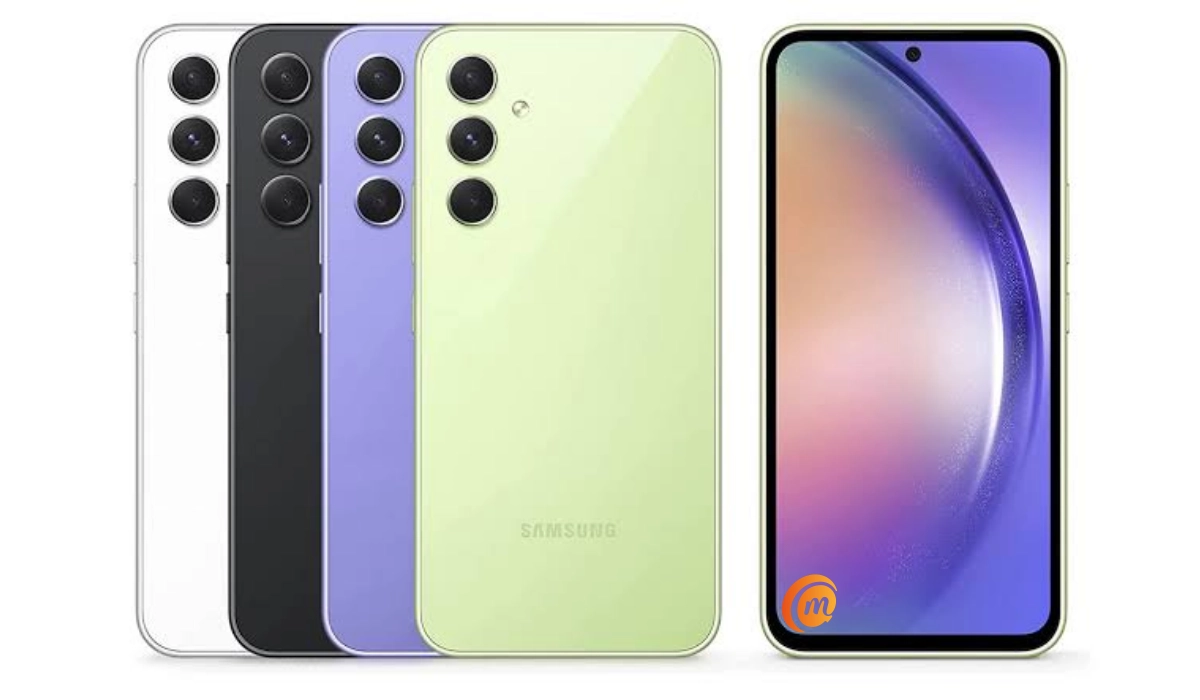
If the slightly lower specs of the Galaxy A54 and A35 irk you and you want something closer to premium territory, the Samsung Galaxy S23 FE is definitely where to look. As the name implies, it has the prowess and looks of the Galaxy S23, but with some downgraded features that still puts it well above the territory of the A55.
You get slightly smaller dimensions and weight, a much more powerful processor, IP68 dust/water protection, a slightly smaller but superior display, better cameras, and both wireless and reverse charging thrown in.
There are a few minor downgrades though. The 4500mAh battery is smaller and the Gorilla Glass protection on the display is older. But in all, the Galaxy SE23 FE is the superior smartphone.
Price: It is available for $485-599 at Best Buy, and for $599.99 on samsung.com.
Motorola Moto G Power 2024
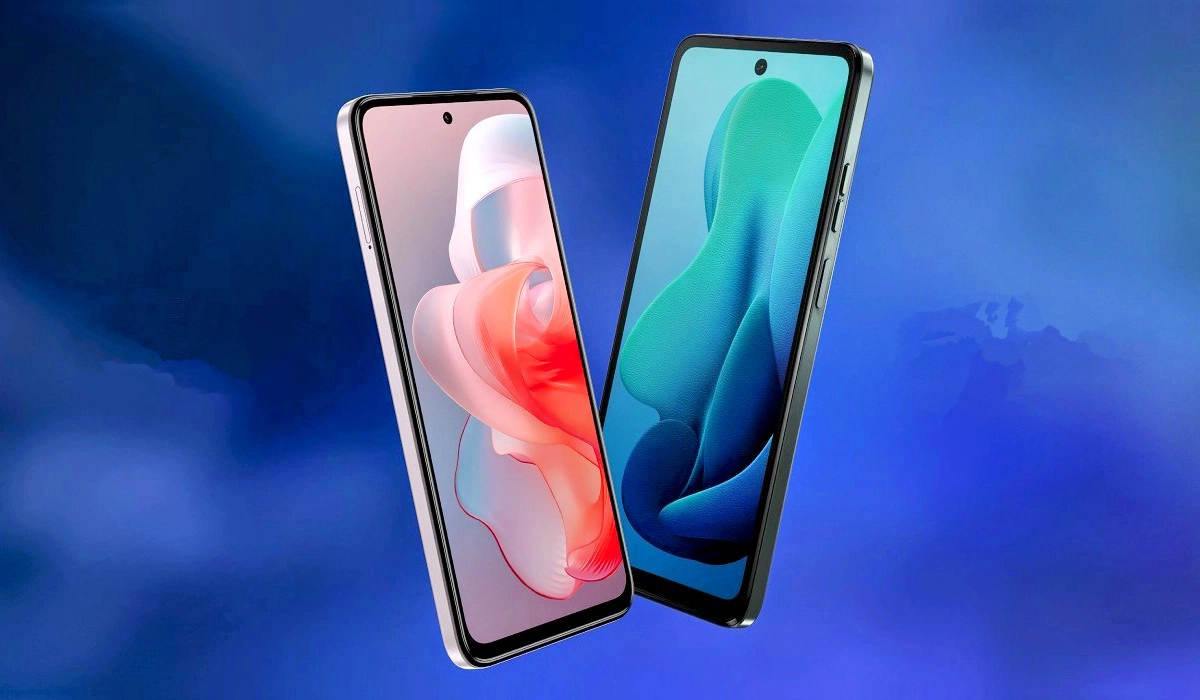
The processor inside of Motorola Moto G Power 2024 has the Dimensity 7020 running the show. It is less powerful than what is in the Galaxy A55. But the Moto G Power 2024 has faster wired charging and has wireless charging (a feature that is absent in the Galaxy A55). Note that the fingerprint scanner is embedded in the power button on the side.
The Moto G Power 2024 has what Motorola calls a water-repellant design but no official dust/water resistance rating like the Galaxy A55 and has no Gorilla Glass protection on the display either.
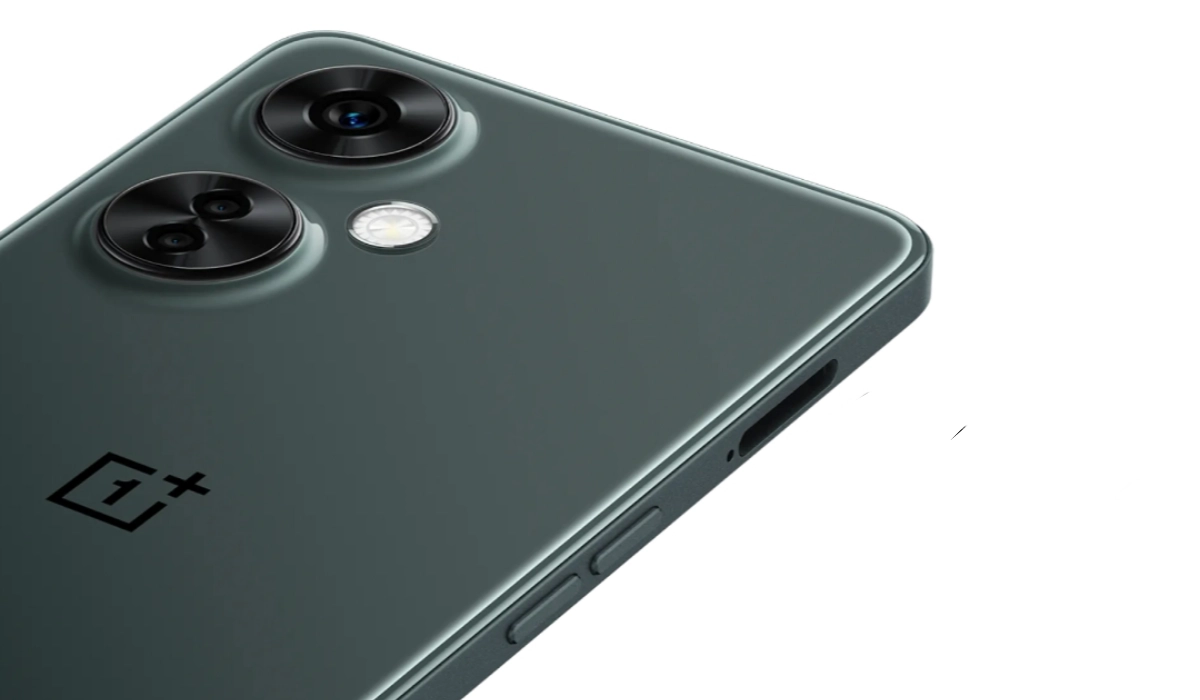
OnePlus Nord N30 5G
Google Pixel 7a
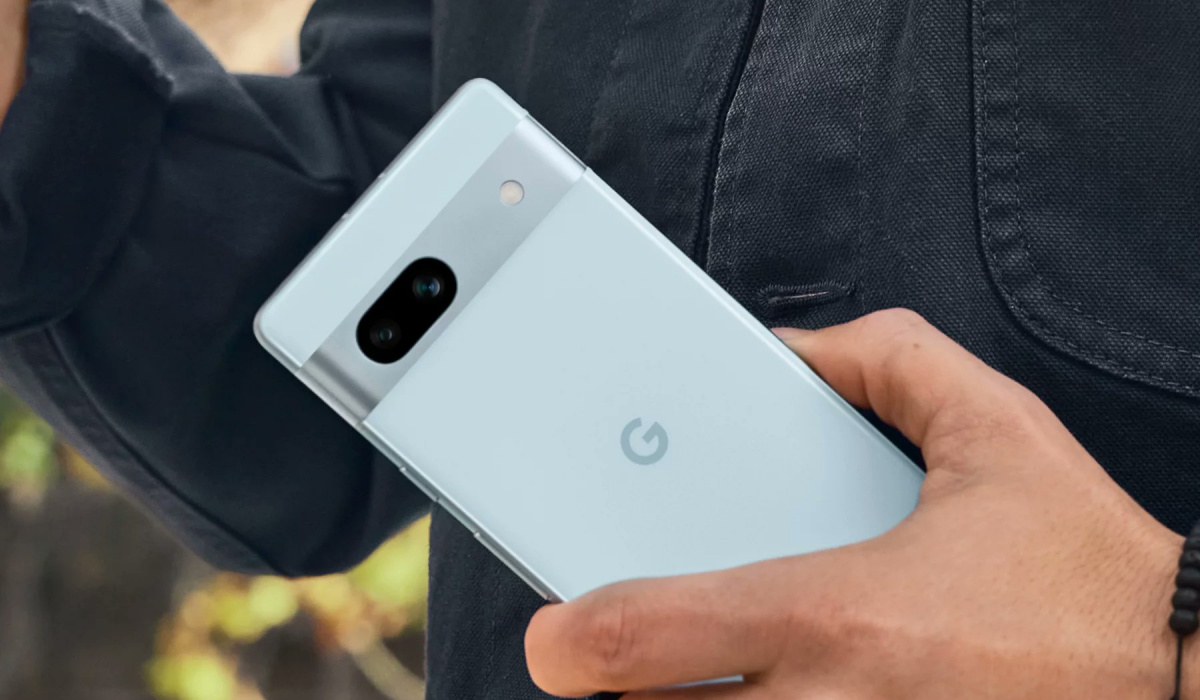
Also from 2023, the Pixel 7a is an excellent option as a Samsung Galaxy A55 alternative if you are particular about getting the best camera phone available on your budget. It doesn’t offer much otherwise and is especially known for overheating and optimization issues , especially if you use it for heavy tasks for extended periods.
The Most Affordable Samsung Galaxy A55 Alternative
If price is the most important factor for you and you are on a tight budget, the most affordable alternative to the Galaxy A55 is the Motorola Moto G Power 2024.
The Overall Best Samsung Galaxy A55 Alternative Smartphone
As far as we can tell, all other things being equal, the Samsung Galaxy S23 FE is the overall best Samsung Galaxy A55 alternative that you can buy in the United States. It is available unlocked from independent retailers, as well as from all major carriers and even smaller ones. It is also the priciest smartphone on this list. Understandably so, too.
Author:Mister Mobility
Digital Skills and Communication Coach | Mobile Phone Connoisseur since 2001 | Tech Blogging since 2004
