Add MobilityArena as a preferred source on Google
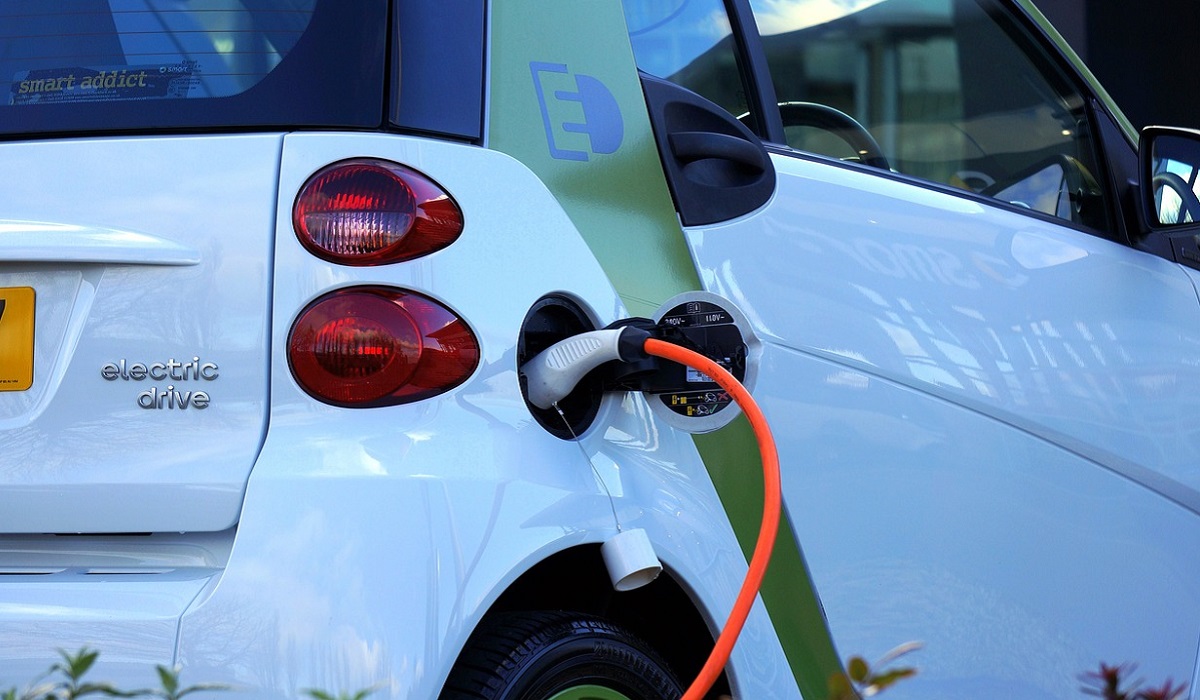
The future of transportation is electric, and it holds great promise for our environment and economy. Electric means of transportation refers to the use of electric-powered vehicles and modes of transportation as an alternative to conventional fossil fuel-powered options .
Electric transportation relies on electric motors powered by electricity stored in batteries or obtained from an external power source, e.g. solar panels. These kinds of vehicles are increasingly being adopted by consumers. If you are new to the subject, I provide detailed, useful information about it below. Come along.

Benefits of Electric Means of Transportation
Electric means of transportation, in general, offer numerous benefits for the environment and society. I list out the major ones below.
Reduced Carbon Emissions And Improved Air Quality
Transitioning to electric vehicles, such as EVs, is a powerful solution in the fight against climate change. These vehicles significantly reduce greenhouse gas emissions and contribute to a cleaner environment. By adopting electric transportation options, we can play an active role in minimizing our carbon footprint and creating a sustainable future.
With their much lower emissions compared to traditional gasoline-powered cars, electric transportation is instrumental in reducing air pollution and improve the quality of the air we breathe.
- Electric transportation eliminates tailpipe emissions
- Switching to electric power decreases harmful pollutants
- Improved air quality positively impacts public health and reduces respiratory disease risks
Lower Operating Costs
Electric vehicles (EVs) offer significant benefits in terms of lower operating costs. Compared to traditional combustion engine cars, EVs have lower maintenance costs, saving owners money in the long run. Additionally, charging an electric vehicle is more cost-effective than refueling with gasoline or diesel on a long-term basis.
- Electric vehicles have lower maintenance costs compared to traditional combustion engine cars.
- Charging an electric vehicle costs less than refueling with gasoline or diesel on a long-term basis.
- Government incentives and tax credits further reduce the overall operating expenses of owning an electric vehicle.
Challenges and Limitations of Electric Means of Transportation
As with all new technology, electrical transportation comes with its own set of challenges and limitations.
Limited Driving Range and Charging Infrastructure
Improvements in battery technology have significantly addressed the limited driving range of electric vehicles. With advancements in energy storage, electric cars now offer longer distances on a single charge, making them more practical for everyday use. Additionally, the expansion of charging station networks has made it easier than ever to find a place to recharge while on the road.
- Longer driving ranges due to improved battery technology
- Increased availability of charging stations across different locations
- Potential for wireless charging infrastructure development
Longer Charging Times
Advancements in fast-charging technology have significantly reduced charging times for electric vehicles. These technological breakthroughs allow drivers to recharge their batteries more quickly, minimizing the inconvenience of longer charging periods.
Higher Initial Costs
Reduction in the cost of electric vehicle production has been a positive development, but it hasn’t completely eliminated higher initial costs. While advancements in technology and economies of scale have made electric vehicles more affordable to produce, the upfront price for consumers is still higher compared to traditional gasoline-powered vehicles.
“Cash-for-Clunkers” programs for incentivizing trade-ins have helped mitigate the higher initial costs of electric vehicles. These programs provide financial incentives or discounts to individuals who trade in their old, polluting vehicles for new electric ones. By offering these incentives, governments aim to encourage consumers to make the switch to cleaner transportation options.

Types of Electric Means of Transportation
There are several types of electric means of transportation options available today. Listed below are some of the most common types:
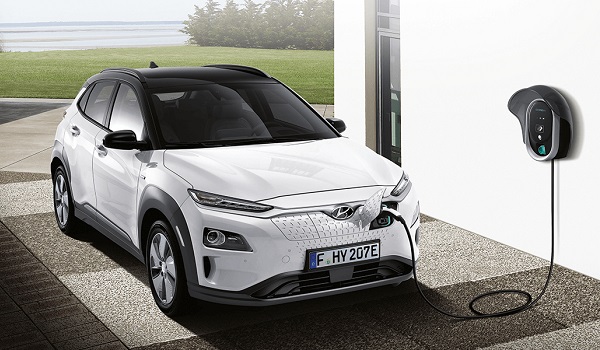
Electric Cars (EVs) : Electric cars, also known as electric vehicles (EVs), are the most well-known and widely used form of electric transportation. These vehicles are powered by electric motors and rely on rechargeable batteries to store electricity. EVs come in various forms, including plug-in hybrid electric vehicles (PHEVs) that combine an electric motor with an internal combustion engine and battery electric vehicles (BEVs) that solely use electricity for propulsion.
Electric Bicycles (e-bikes) : Electric bicycles, or e-bikes , are bicycles equipped with an electric motor that assists with pedaling. They typically have a rechargeable battery that powers the motor, providing extra assistance to riders. E-bikes are becoming increasingly popular as a sustainable and efficient mode of transportation, especially for urban commuting.
Electric Scooters : Electric scooters are similar to e-bikes but are designed for one rider. They are powered by an electric motor and use a rechargeable battery. Electric scooters are becoming a popular option for short-distance travel in urban areas, as they are convenient and emit zero emissions.
Electric Motorcycles : Electric motorcycles are two-wheeled vehicles that are powered by an electric motor. They operate similarly to traditional motorcycles but use electricity instead.
Electric skateboards are another form of electric transportation that has gained popularity in recent years. These compact and portable devices are equipped with an electric motor and a rechargeable battery, allowing riders to travel at higher speeds without the need to push off the ground like traditional skateboards.
Technological Advances in Electric Means of Transportation
Battery technology innovations have been a driving force behind the advancements in electric vehicles. With the development of solid-state batteries, we can expect significant improvements in energy density and charging capabilities. This will result in longer driving ranges and reduced charging times, making electric transportation more practical and convenient for everyday use.
Fast charging technologies are also revolutionizing the electric vehicle industry. The introduction of ultra-fast chargers capable of delivering high power levels allows EV owners to recharge their vehicles quickly, similar to refueling a conventional car at a gas station. This eliminates range anxiety and enables long-distance travel without inconveniently long stops for recharging.
Autonomous and connected electric vehicles are poised to transform the way we commute. With advancements in artificial intelligence and sensor technology, self-driving cars are becoming safer and more reliable. Additionally, these vehicles can communicate with each other through advanced connectivity systems, enabling better traffic management and optimizing efficiency on our roads.
The Future of Electric Transportation
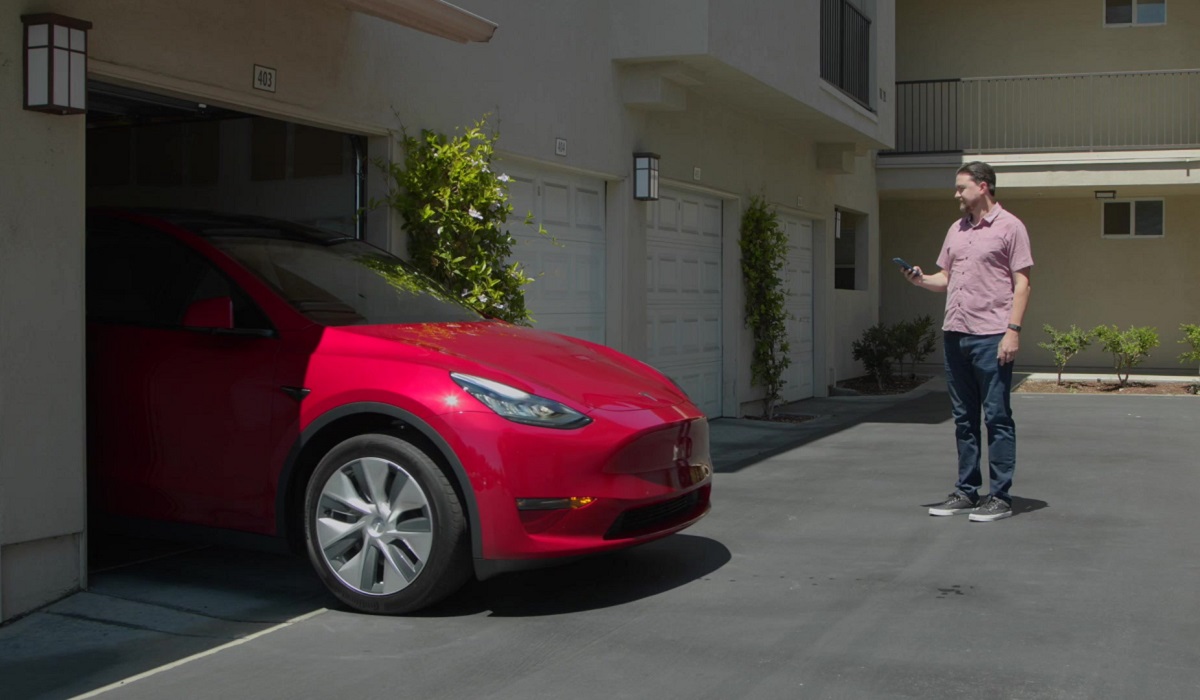
The future of electric means of transportation will follow a similar evolutionary path to mobile technology. We will see bigger and more powerful batteries to increase driving range. Faster connectivity via 5G (and later 6G) will see the arrival of more advanced models. AI-powered vehicles will one day become the norm.
I am excited about electric means of transportation as much as I was excited about cell phone technology when it began to go mainstream decades ago. The future is exciting. The future is electric. You will find my article on why electric vehicles are cleaner to the environment than gasoline and diesel powered vehicles .
Author:Mister Mobility
Digital Skills and Communication Coach | Mobile Phone Connoisseur since 2001 | Tech Blogging since 2004
Add MobilityArena as a preferred source on Google
In today’s world, smartphones have become an indispensable part of our daily lives. Whether it’s for work, entertainment, or staying connected with loved ones, we rely heavily on our phones. With everything we depend on our phones for, it makes sense to look for devices with a lasting battery capacity to carry out the day’s activities.
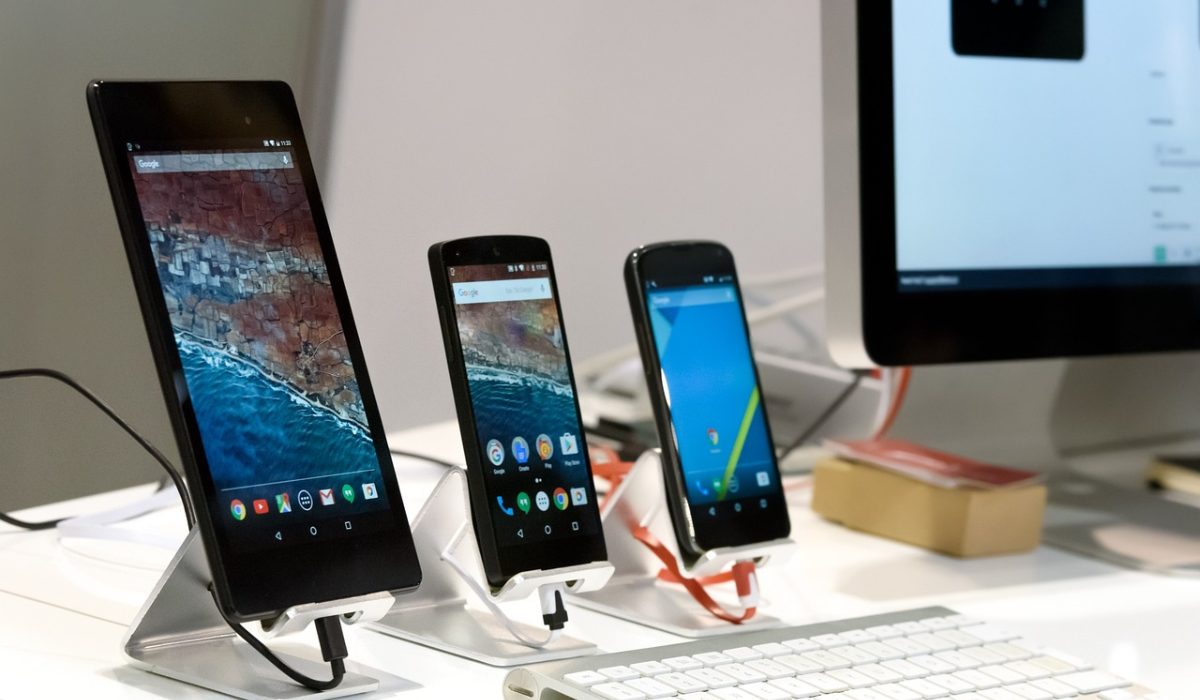
In this article, I’ll discuss the top Android phones with the best battery life, so you can make an informed decision when it comes to choosing your next device. With the options in this guide, you can stay connected without having to worry about running out of battery.
What Are Android Phones With The Best Battery Life?
I use my phone for practically everything, from making calls and setting alarms and reminders to important work meetings. As such, I can relate to the fact that Android phones with the best battery life are a must-have for anyone who uses their devices in the same manner.
But with so many options available, it can be overwhelming to choose the right one. So here are some useful recommendations – check out the options below for Android smartphones with the longest battery life.
Samsung Galaxy S23 Ultra
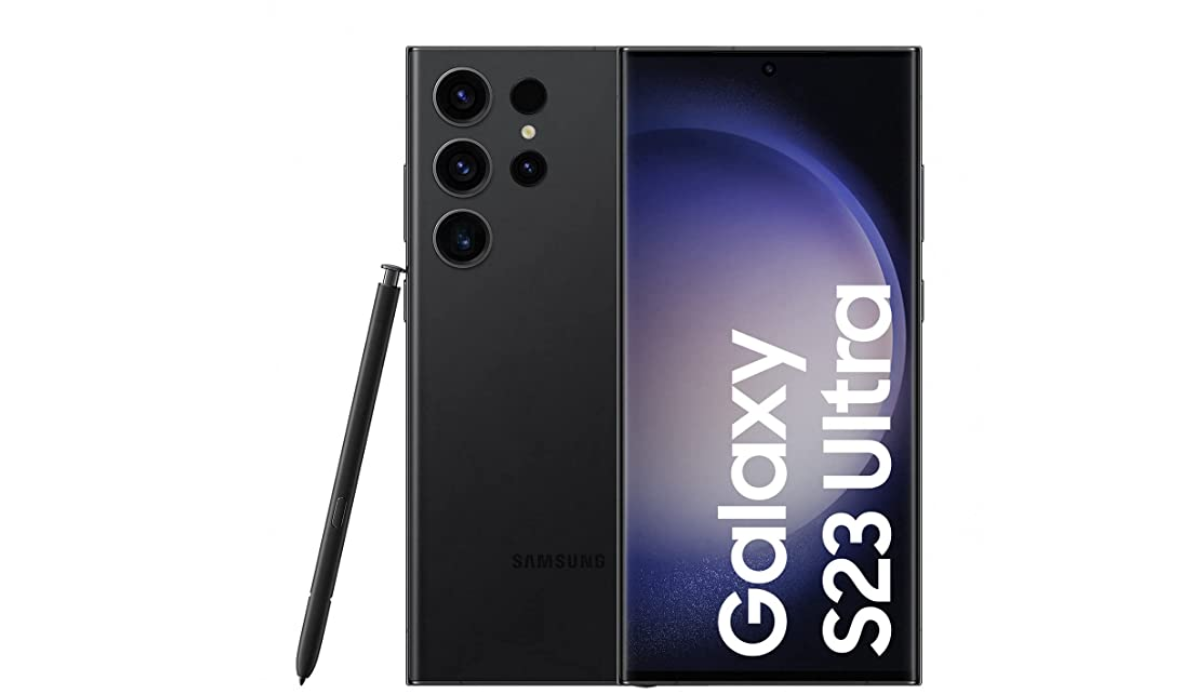
The Samsung Galaxy S23 Ultra has an outstanding battery performance with a 5,000 mAh battery that enables up to 25 hours of Wi-Fi internet usage, 26 hours of wireless video playback, 49 hours of conversation time, and approximately 100 hours of wireless audio playback. This excellent battery life means that the phone can handle demanding tasks all day.
It presents other appealing features like a 6.8-inch Infinity-O screen with a resolution of 3088×1440 and Dynamic AMOLED 2X display technology, a Qualcomm Snapdragon 8 Gen2 CPU with up to 12 gigabytes of RAM, and 1 terabyte of storage. It also supports Wi-Fi 6, Bluetooth 5.3, NFC, 5G network technologies, and Bluetooth 5.3, making it one of the most feature-rich Android devices that offer the best battery life. You also wouldn’t be wrong to call it the Samsung Galaxy device with the best battery overall.
Sony Xperia 10 IV
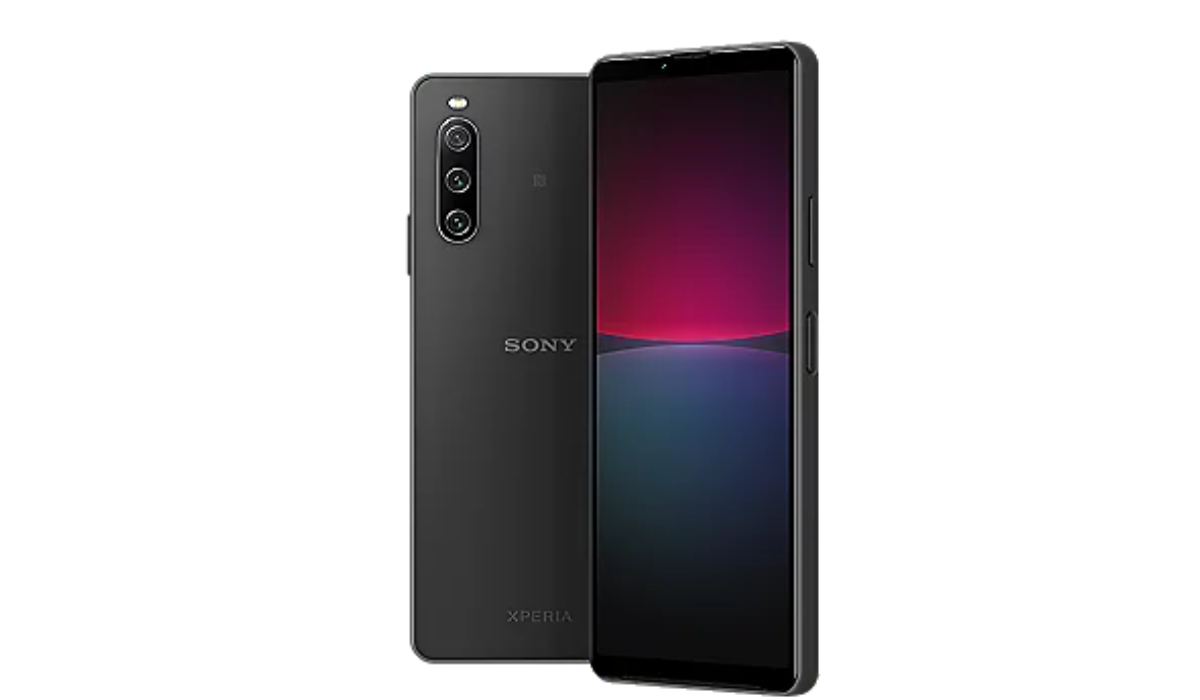
Another fully functional Android phone that offers one of the best battery lives on the market is the Sony Xperia 10 IV . It earned 24 hours and 52 minutes in the PC Mark battery test, surpassing the second-place phone by more than six hours. With modest usage, this phone can go three days without a charge, based on this remarkable score.
The fact that the Xperia has an 8.3mm thickness and 161g weight while offering an admirable battery capacity makes it one of the most reliable mid-range phones. It stands out further due to its waterproofing, headphone jack, and 6″ screen with a 21:9 aspect ratio. The phone charges slowly and may look unappealing overall, yet its battery is one of the best in the market considering the great features it supports.
ASUS ZenFone 9
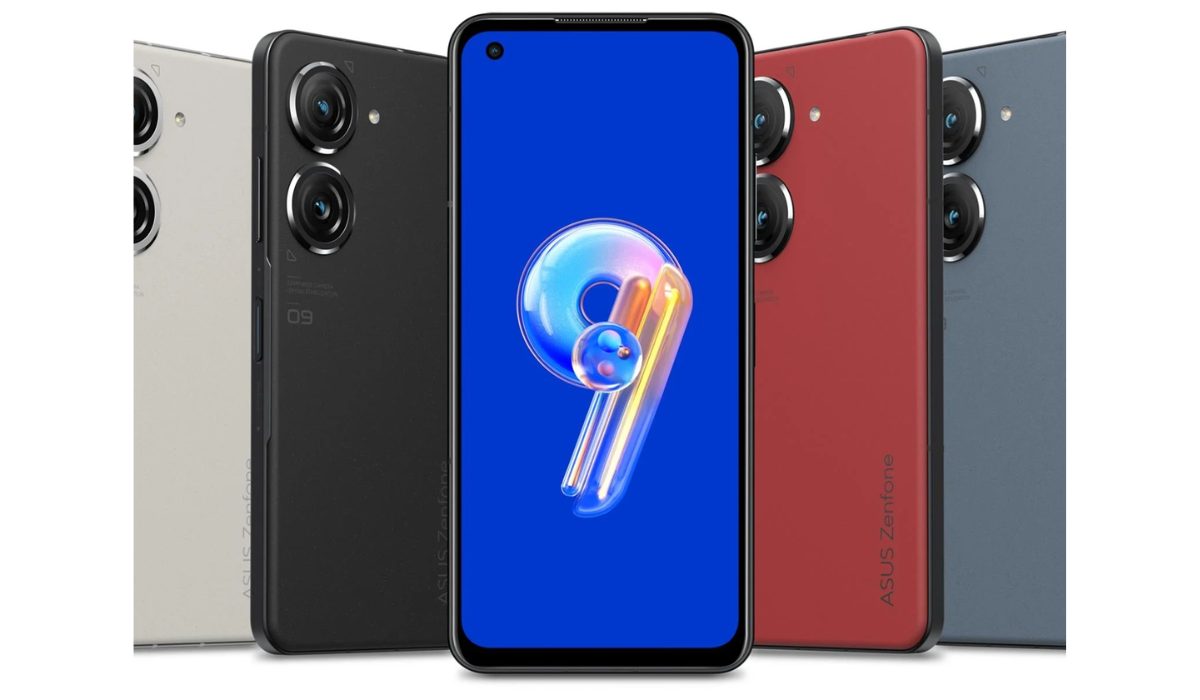
The ASUS ZenFone 9 comes with a 4,300 mAh battery that is capable of 30W fast charging using the HyperCharge adapter. Despite its reduced battery capacity, the ZenFone 9 can last up to 1.9 days on the company’s standard usage model and up to 18.5 hours when watching videos. Actual usage may vary depending on individual user circumstances. The ZenFone 9 has a plethora of features, including a 5.9-inch AMOLED display, a Snapdragon 8+ Gen 1 processor, and a redesigned cooling system.
The updated dual-camera system has a 50-megapixel primary camera with a Sony IMX766 sensor, a 12-megapixel ultra-wide camera with a Sony IMX363 sensor, and a 12-megapixel front-facing camera for selfies and facial recognition unlocking.
Samsung Galaxy F54
The Samsung Galaxy F54 , with its massive 6,000 mAh battery, is certainly one of the best battery-life smartphones to consider in 2023. For most users, this is one phone that can easily last nearly two days on a single charge. Additionally, the smartphone includes a 108MP camera and a 120Hz AMOLED display, as well as a powerful Exynos 1380 SoC with up to 8 GB RAM and 256 GB of internal storage.
Pixel 7 Pro
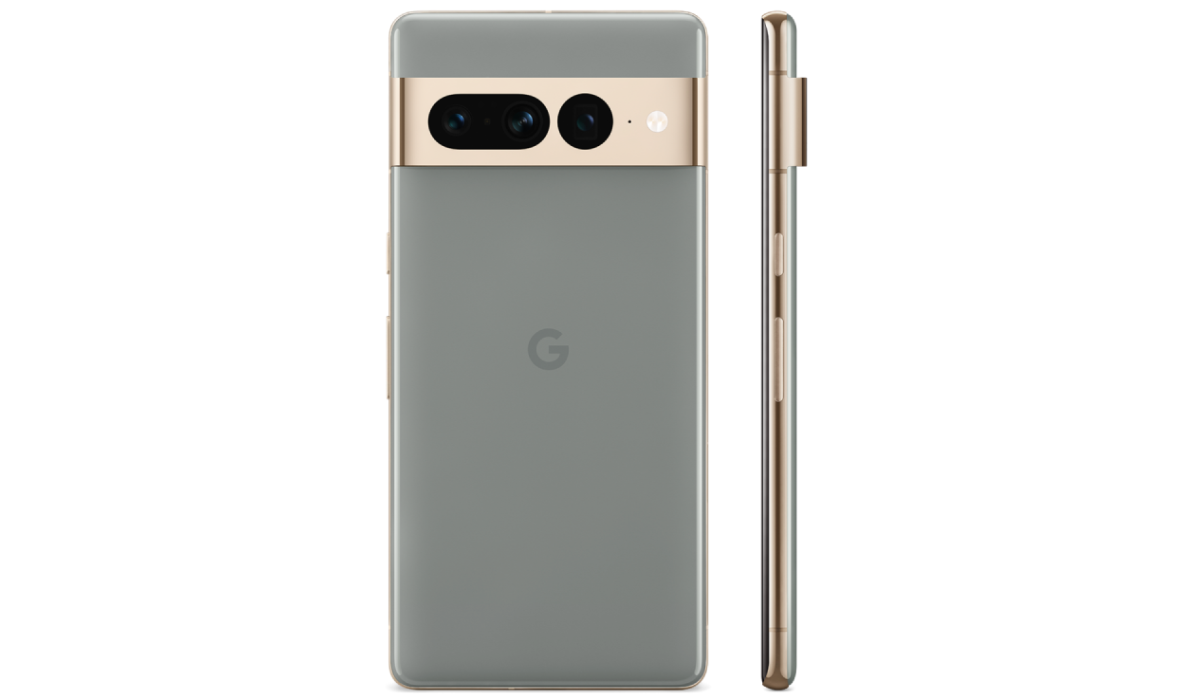
With a 5,000mAh battery and a 30W charger, Google’s flagship phone, the Pixel 7 Pro , offers the best battery life and fastest charging times. It can run for about a day and a half on a single charge, and its Hazel color, build quality, and overall design elevate it to real flagship status. The phone has a Google Tensor G2 chipset, 12GB of RAM, and a big AMOLED screen with a QHD+ resolution and a refresh rate of 120Hz.
The battery life of the phone can be increased by up to 72 hours by enabling Extreme Battery Saver mode. This mode inhibits certain background activities and reduces brightness, although most people will not leave it on all the time to get the 72-hour battery life.
The Pixel 7 Pro, priced at $899, boasts a 6.7-inch OLED display, facial recognition, and an ultra-wideband chip. Although it runs hot at times, its battery is one of the best on the market. With 12 gigabytes of RAM and 512 gigabytes of storage, it’s a powerful device for those seeking a high-quality smartphone experience.
Samsung Galaxy A54
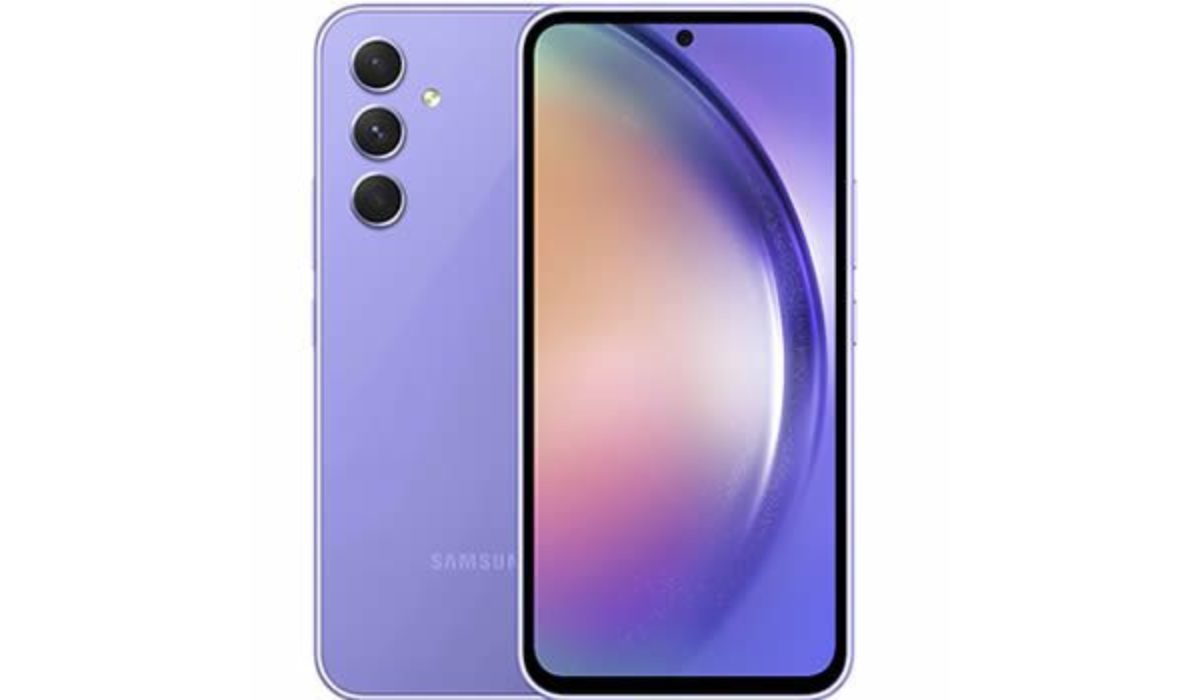
With a 5,000 mAh battery, the Galaxy A54 is another Android phone with one of the longest battery capacities. It provides up to 46 hours of conversation time, 19 hours of Wi-Fi internet usage, 68 hours of wireless audio playback, and 21 hours of wireless video playback.
Depending on daily use, the battery life can last up to two days. An octa-core engine, a 6.4-inch Super AMOLED Infinity-O display with a resolution of 2340×1080 pixels, 6 gigabytes of RAM, and 128 gigabytes of storage are also key features of this device.
It is covered for four generations of Android OS upgrades and five years of security upkeep, and it supports Bluetooth 5.3 and 5G speeds. The Galaxy A54 is evidence that you don’t have to break the bank to have a great phone with the best battery life.
All in all, there are several Android phones with impressive battery life that can last all day with heavy usage, and the ones listed above are among the top contenders. However, battery life is only one aspect of a phone, and other factors such as performance, camera, and price should also be considered when choosing an Android phone. Feel free to check out other guides for useful smartphone recommendations.
