Add MobilityArena as a preferred source on Google
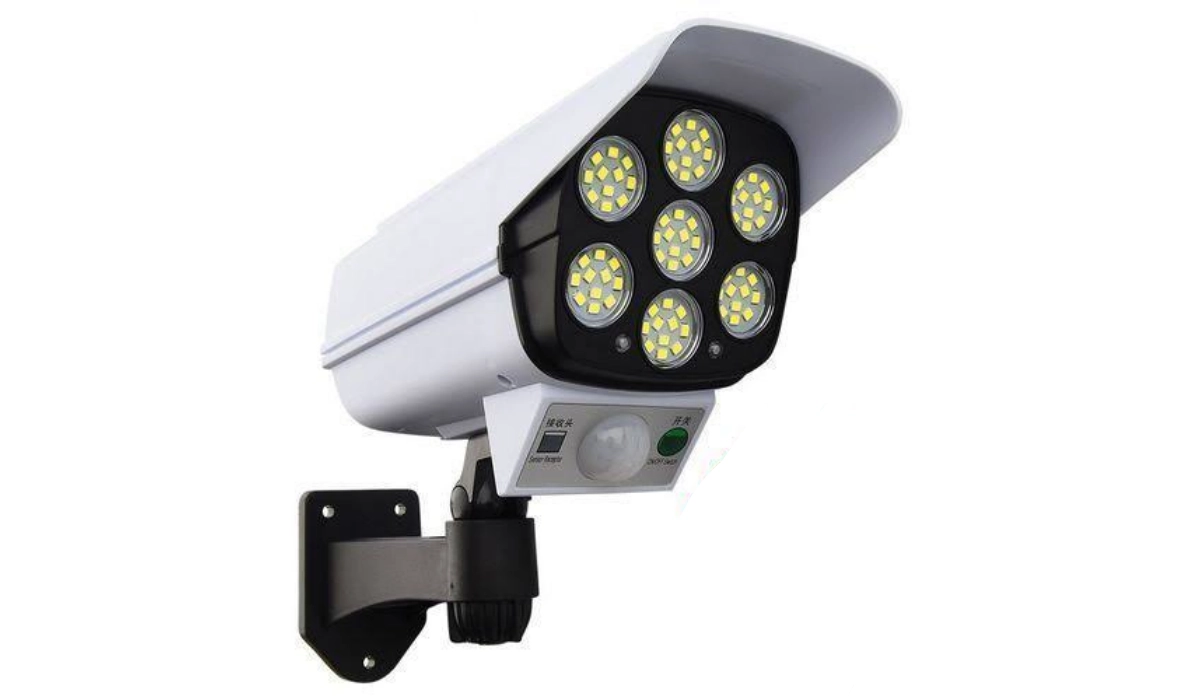
A motion sensor light, also known as a motion-activated light, is a type of lighting system that is designed to turn on automatically when it detects motion. It is also sometimes called a motion detector light or a security light.
As far as appearances are concerned, a motion-activated light doesn’t look markedly different from regular lights. The two look mostly the same. If you take a closer look, though, you might notice the presence of a sensor in a motion-activated light. And that is the main difference, internally and externally.
- Locations and places where motion-activated lights can be used
- Benefits of motion sensor lights
- Disadvantages of motion-activated lights
- How much do motion sensor lights cost?
Locations and places where motion-activated lights can be used
Motion sensor lights can be used in a variety of places, both indoors and outdoors. Here are some examples of places where these automated lights can be used:
- Outdoor Security Lighting: Motion-activated lights can be used as an outdoor security lighting system, illuminating the area around a home or business when motion is detected.
- Driveways and Walkways: Motion sensor lights can be installed along driveways and walkways to provide illumination when someone approaches.
- Porches and Entryways: Motion detection lights can be installed on porches and entryways to provide illumination when someone approaches the door.
- Stairways and Hallways: Motion-activated lights can be used in stairways and hallways to provide illumination when someone enters the area and can help prevent accidents in these areas.
- Garages and Workshops: They can be used in garages and workshops to provide illumination when someone enters the area.
- Closets and Pantries: Motion-activated lights can be used in closets and pantries to provide illumination when the door is opened.
- Bathrooms: Motion-activated lights can be used in bathrooms to provide illumination when someone enters the room.
Benefits of motion sensor lights
Benefits of of using motion-activated lights include:
- Increased Security: Motion sensor lights can help to deter intruders and burglars by illuminating the area around a home or business when motion is detected.
- Energy Efficiency: Motion sensor lights only turn on when motion is detected, which can help to save energy and reduce electricity costs .
- Convenience: Motion sensor lights can be more convenient than traditional lights, as they turn on automatically when motion is detected and do not require a switch to be manually turned on or off.
- Longer Bulb Life: Because motion sensor lights are only activated when motion is detected, the bulbs tend to last longer than traditional bulbs that are left on for extended periods of time.
Disadvantages of motion-activated lights
As with most things on life, motion detection lights have disadvantages too. Here are the key ones:
- False Alarms: Motion detection lights can be triggered by animals, such as cats or raccoons, which can lead to false alarms.
- Limited Range: They have a limited range and may not detect motion beyond a certain distance.
- Limited Control: These lights may not be as easy to control as traditional lights, as they only turn on when motion is detected and cannot be turned on or off manually.
How much do motion sensor lights cost?
There is a wide range of different types of motion-activated lights. As such, the prices vary depending on several factors, including the type of light, bulb, sensor, brightness, and power source. Here are some general price ranges:
- Hardwired Motion Sensor Lights: These type of motion detection lights typically range from as low as $350 all the way up to $750. These lights are best left to professional installation.
- Battery-Powered Motion Sensor Lights are a good DIY option for use in homes and offices. Prices can go from as low as $10 to $50.
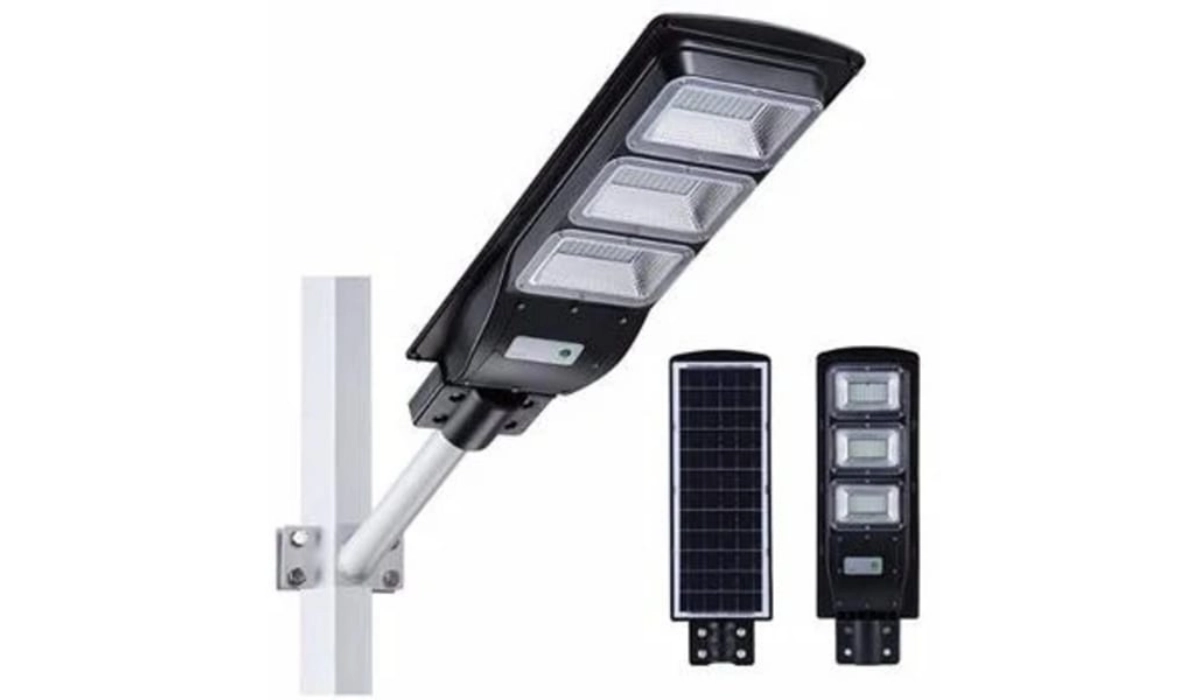
- Solar-Powered Motion Sensor Lights are another DIY option for outdoor use and can range from $10 to $100 in price.
- Outdoor Motion Sensor Floodlights can cost as low as $15 and as high as $150. Some of these are solar-powered.
Motion detection lights are an affordable and convenient way to add a cool factor to your home or workplace. Besides the cool factor, it can also enhance safety and convenience in your environment.
Author:Mister Mobility
Digital Skills and Communication Coach | Mobile Phone Connoisseur since 2001 | Tech Blogging since 2004
Add MobilityArena as a preferred source on Google
Energy conservation and energy efficiency are two related but different approaches to reducing total energy consumption. One seeks to reduce the demand for energy, while the other seeks to use available energy to produce more.
The two are related, yet different. Ideally, it is best to combine both in different measures for maximum effect and best results. I explain further below.
- Energy Conservation
- Energy Efficiency
- Differences Between Energy Conservation and Energy Efficiency
- Examples of Energy Conservation And Energy Efficiency
Energy Conservation
Energy conservation seeks to reduce the total amount of energy consumed in carry out tasks. For example, residents of a neighbourhood or building can opt to switch off appliances and lights when they are out of the house. That is energy conservation. It simply seeks to reduce consumption by cutting down on demand.
Energy Efficiency
Energy efficiency, on the other hand, seeks to find more efficient ways to use energy, such that users can achieve more with the same energy as before or with less. Energy efficiency uses newer, more advanced technology to make better use of available energy.
Differences Between Energy Conservation and Energy Efficiency
Here are the key differences between energy conservation and energy efficiency:
- Definition: Energy conservation refers to reducing energy consumption by reducing the amount of energy used. Energy efficiency, on the other hand, refers to reducing energy consumption by using energy more efficiently to achieve the same or better results with less energy.
- Focus: Energy conservation focuses on reducing the overall demand for energy, while energy efficiency focuses on reducing the amount of energy needed to perform a specific task.
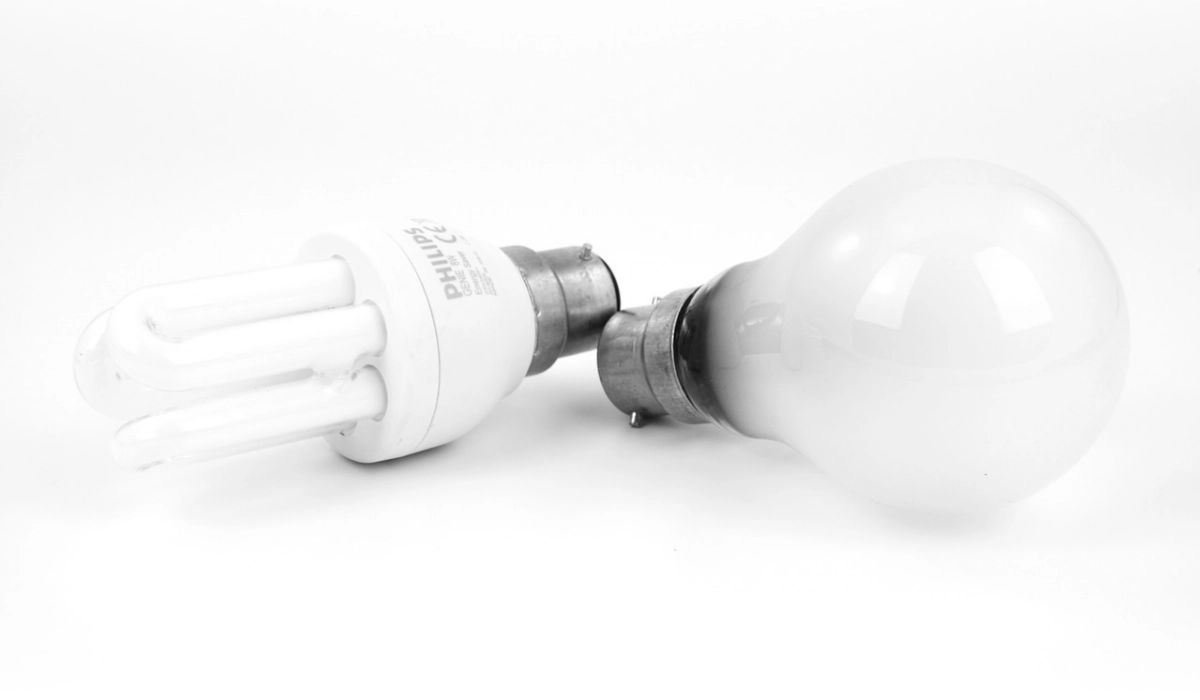
- Methods: Energy conservation can be achieved through behavioral changes, such as turning off lights when they are not needed or using public transportation instead of driving. Energy efficiency, on the other hand, is achieved through the use of energy-efficient technologies, such as LED light bulbs or Energy Star-rated appliances.
- Benefits: Energy conservation can help to reduce overall energy consumption and save money on energy bills. Energy efficiency can also help to save money on energy bills, but it can also improve performance and reduce environmental impact.
- Limitations: Energy conservation can be limited by the need to maintain a certain level of comfort or productivity, while energy efficiency can be limited by the availability and cost of energy-efficient technologies.
Examples of Energy Conservation And Energy Efficiency
Here are examples of energy conservation and energy efficiency:
- Energy Conservation: One example of energy conservation is turning off lights and electronics when they are not in use. This simple action can help to reduce overall energy consumption and save money on energy bills. An energy efficient home is one that is designed to consume as little electricity as possible by using adequate natural lighting and ventilation, so there is little or no need for electric lights, electric fans, and air conditioning.
- Energy Efficiency: One example of energy efficiency is using LED light bulbs instead of traditional incandescent light bulbs. LED light bulbs use less energy to produce the same amount of light, which can help to reduce energy consumption and save money on energy bills over time. An energy efficient home is one in which LED light bulbs are used instead of incandescent bulbs. This provides lighting at lower power consumption.
Both energy conservation and energy efficiency are important approaches to reducing energy consumption and can be used together to achieve greater energy savings and reduce environmental impact.
For example, you can have a home designed from the ground up to depend on natural ventilation such that there is no need for electric fans or A/C at all (in tropical climates). This same home can also be fitted with energy-efficient LED lights, as well as motion sensor lights , such that night lighting is achieved at lower energy consumption. This is an example of how both approaches can be combined.
Author:Mister Mobility
Digital Skills and Communication Coach | Mobile Phone Connoisseur since 2001 | Tech Blogging since 2004
