Add MobilityArena as a preferred source on Google
Accessing a mobile-friendly version of a site is made possible and simple by websites that use mobile responsive design. This is something that almost all modern websites do. However, there may be times when you need to view or use a site’s desktop version. What can you do in that case, especially if your computer is miles away?
Fortunately, there is an easy way to enable desktop mode in mobile devices for any site. In this article, I’ll show you convenient settings on your mobile phone that allows you to view and access the original desktop version of any website.
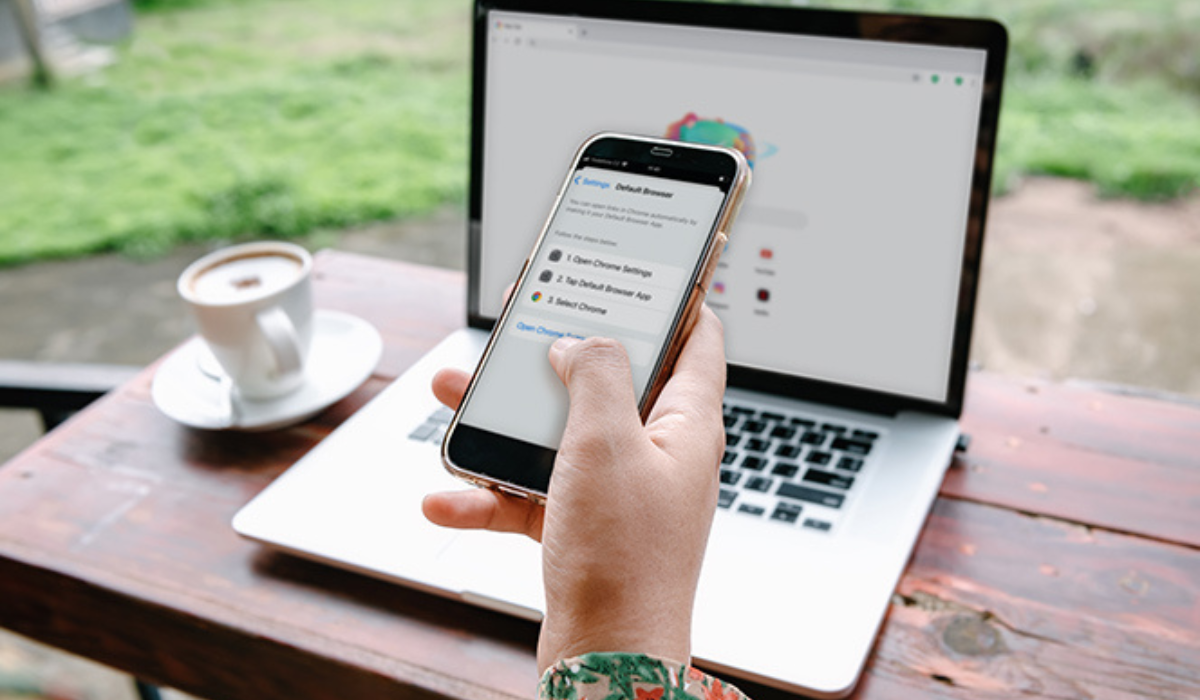
How to Enable Desktop Mode in Mobile for Any Android Browser
You can quickly enable desktop mode for any open tab in Android, Google Chrome, and Mozilla Firefox. Until it is closed or mobile mode is restored, a tab in desktop mode will continue to load websites and web pages in desktop mode.
The same is true for Microsoft Edge and Opera Browser, but both browsers also allow you to load desktop versions of websites across all tabs.
Enable Desktop Mode in Google Chrome
Begin by accessing the Chrome menu in the Google Chrome browser. (press the three-dot icon in the upper right corner of the screen). To enable desktop mode, tap the box next to the Desktop site on the menu that appears.
To disable the desktop view for a tab, open the Chrome menu again and disable the option beside Desktop site .
Enable Desktop Mode in Mozilla Firefox
To enable desktop mode in any Mozilla Firefox tab, enter the Firefox menu (touch the three dots next to the URL bar) and toggle the option next to Desktop site .
To disable desktop mode for the tab, reopen the Firefox menu and remove the switch next to Desktop site .
Enable Desktop Mode in Microsoft Edge
In Microsoft Edge for Android, you can enable desktop mode for a tab by selecting View desktop site from the Edge menu (on the bottom of the screen, press the three-dot icon to access this menu). Click on the Mobile site option in the same menu to disable the function.
You can also set Edge to function as a desktop browser on your Android phone. To do so, open the Edge menu and select Settings . Next, proceed to General > Site Display Settings , then click on the radio button beside Show desktop site as default .
How to Enable Desktop Mode in Mobile for Any iOS Browser
You can temporarily enable desktop mode for a tab in Apple Safari, the standard browser included with iOS, and enable desktop mode in mobile for any website. Even better, the browser can be configured to open all websites in desktop mode.
You can only set up individual tabs to load websites in desktop mode if you use a third-party browser on your iPhone, such as Google Chrome, Mozilla Firefox, or Opera Browser. Microsoft Edge is an exception, allowing you to browse all websites on their desktop form by default.
Enable Apple Safari’s Desktop Mode
To load any website on the tab in desktop mode while using Safari, open the Safari menu (touch the aA icon) and choose Request Desktop Website . To turn off the desktop mode for the tab, tap Request Mobile Site .
If you want the Safari browser to always load a site in desktop mode, go to Website Settings and toggle the switch next to Request Desktop Website .
Also, if you want to set up Safari to load all websites in desktop mode, launch the Settings app on your iPhone, scroll down to Safari, hit Request Desktop Website , and then toggle the option next to All Websites on.
Enable Desktop Mode in Google Chrome
Open the Chrome menu (three dots on the navigation bar) in Google Chrome for iOS, scroll down the list of options, and click Request Desktop Site .
Simply open the Chrome menu once more and select Request Mobile Site if you want the tab to start loading websites in mobile mode once more.
Enable Desktop Mode in Mozilla Firefox
To enable desktop mode in mobile for a tab in Firefox, tap the More icon (three dots next to the address bar) and and choose Request Desktop Site from the drop-down menu.
Simply reopen the More menu and select Request Mobile Site to reload the tab in mobile mode.
Enable Desktop Mode in Microsoft Edge
To enable desktop mode in mobile for a site while viewing it in Microsoft Edge, open the Edge menu (tap the three-dot icon in the bottom-center), scroll down the list of options, and tap View desktop site . On the same menu, you can also select View mobile site if you want to turn off desktop mode.
You can also set Edge to load all websites in desktop mode by default on your iPhone. Press the three-dot button and then select Settings . Then, go to General > Site Display Settings and select the box beside Show desktop site as default .
Using the procedures described above, you should now be able to enable desktop mode in mobile for any site, whether you’re using an iOS or Android device. So enjoy the effortless switch between mobile and desktop versions while browsing your favorite websites.
Author:Joan Agie
Add MobilityArena as a preferred source on Google
Many of us use our AirPods both to listen and talk at the same time. Apple has created them for top-quality that exceeds most competitors so as to accommodate all the talking. AirPods are usually dependable, but sometimes the microphone seems to stop working.
In this article, I’ll walk you through some step by step instructions to fix AirPods’ microphones not working. AirPod microphone issues can be really annoying because they make it impossible to use Siri or make hands-free calls. So keep reading to find out helpful troubleshooting tips.
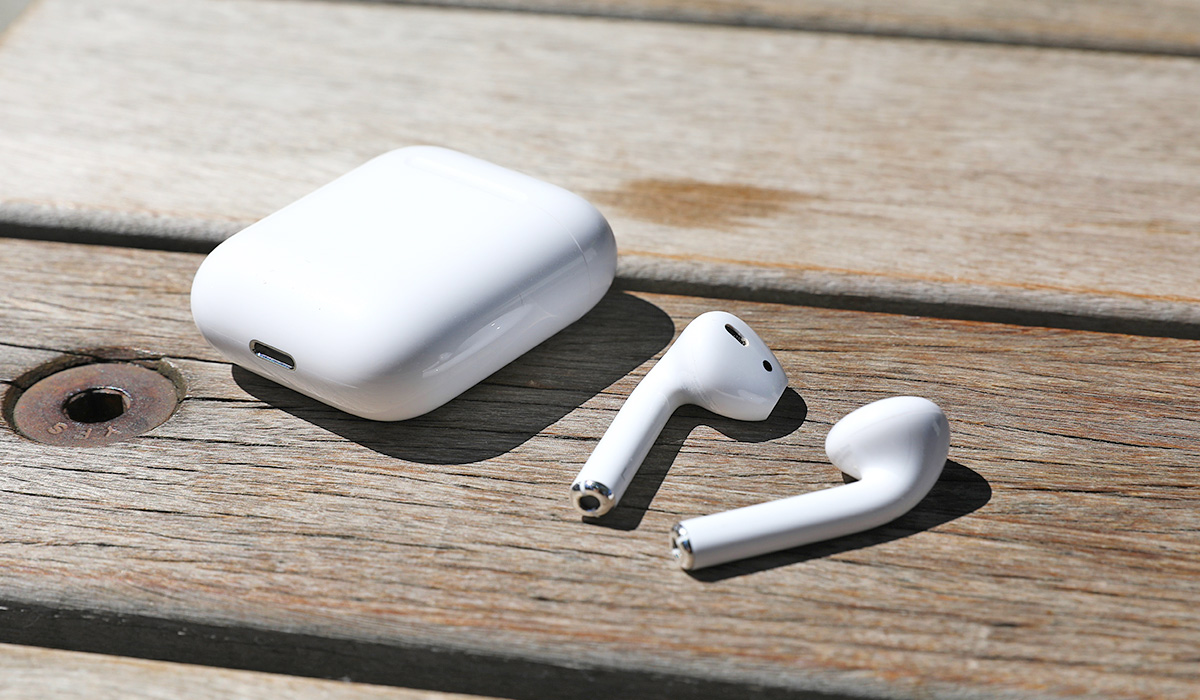
- How Can You Fix AirPods’ Microphones Not Working? Reconnect the AirPods to your iPhone Disable Noise Cancellation Examine the Microphone Settings Update AirPods Firmware Restart your iPhone Reset and Re-pair your AirPods Reset the Network Settings on Your iPhone
How Can You Fix AirPods’ Microphones Not Working?
The qualities of AirPods undoubtedly make them one of the best earphones available. However, it might be annoying when your Airpods stop working, especially if you use them frequently to take calls. Here are some typical ways to fix AirPods’ microphones not working.
Reconnect the AirPods to your iPhone
Most times, you can fix AirPods’ microphones not working by establishing a new connection with your iPhone, especially if they worked properly just a moment earlier. Simply place both earphones in their charging case (or the Smart Case if you have the AirPods Max) and pull them out again.
Additionally, it’s a good idea to check the battery level in your AirPods because, if it falls below ten percent, audio quality may suffer. Before attempting again, make sure your AirPods have had at least a 30-minute charge. Another step in the troubleshooting process to narrow down microphone problems to a particular device is to disable AirPods’ automatic device switching.
Disable Noise Cancellation
Effective noise cancellation mostly depends on crystal-clear microphone audio, however some people disable this function to enhance the sound of their AirPods.
Open the Control Center while wearing the earphones, and hold down the Volume slider for a long time until the extra controls display. Next, turn it off by tapping the Noise Control symbol in the lower-left corner of the screen. Disabling noise cancellation this way may be just what you need to fix AirPods’ microphone not working.
Examine the Microphone Settings
Both AirPods include a microphone, and by default, they’re set to use the one in the best earbud. However, there is a feature that allows you to pick which earpiece the AirPods should always use. You may have set this back to default and forgotten about it, or it may have been altered by accident.
You can check necessary settings to fix AirPods’ microphones not working. Allow the AirPods to switch microphones automatically to achieve optimal performance. This can prevent complications, such as if one of the AirPods’ batteries is nearly or completely dead. Follow these steps:
- Place the AirPods in your ears and connect them to your iPhone. If your AirPods aren’t connected to your iPhone at this point, this won’t work.
- Launch the Settings app on your iPhone.
- Select Bluetooth .
- Tap the i to the right of your AirPods in the list of Bluetooth devices.
- Click on Microphone , then click Automatically Switch AirPods on the Microphone page.
Update AirPods Firmware
Due to issues in some firmware, the Airpods mic might not function. Apple usually releases a fix as quickly as possible when such issues are discovered. As such, you can update your AirPods to the most recent firmware to fix AirPods’ microphones not working.
Also consider upgrading your iPhone to the most recent version while you are updating your AirPods. Updated to the most recent versions of their respective software, AirPods and iPhones are more likely to function at their peak levels.
Restart your iPhone
It’s a common belief that shutting down your smartphone and turning it back on solves a number of issues. Restarting the iPhone may thus be the quickest way to fix AirPods’ microphones not working and get them back up and running.
This is especially true if the issue with your AirPods is related to something inside your iPhone, such as a software driver that allows the microphone to function with a specific app.
To restart your iPhone:
- Hold the Side and either Volume button for a few seconds while using Face ID devices.
- Hold the Side button until you see the shutdown screen on your iPhone if it has a physical Home button.
- Following that, to turn the device off, slide the Power symbol to the right. For your iPhone to restart, wait 30 seconds and then press and hold the Side button once again.
Reset and Re-pair your AirPods
If one or both of the microphones on your AirPods aren’t working, you can also try to reset the earphones. Place both of your AirPods in the charging case, then hold down the Status button on the back (or the Noise Control button and the Digital Crown on the AirPods Max) for a few seconds to cause the LED status indicator on the front to turn amber.
Once you’ve successfully reset your AirPods, open the lid (or remove your AirPods Max from the Smart Case) and place the charging case next to your iPhone. When a pop-up of nearby AirPods appears on your iPhone, tap Connect to continue reconnecting the earbuds. Check afterwards to see if this works to fix AirPods’ microphones not working.
Reset the Network Settings on Your iPhone
AirPod microphone issues can also be brought on by incorrect iPhone network settings. So to fix AirPods’ microphones not working, go to Settings > General > Transfer or Reset iPhone > Reset > Reset Network Settings to try to reset them. To confirm the operation, you need to type in your passcode.
I’m sure you’ll find the tips and suggestions above helpful to fix AirPods’ microphones not working. Keep in mind that a certified technician may be required to fix your AirPods if they have hardware problems.
