Add MobilityArena as a preferred source on Google
I have been itching to do an article of this sort exploring the multiple dimensions of mobility, as that is the scope of this website, MobilityArena. For some reason, I held back, perhaps because it is a departure from our traditional content style. Anyway, I finally got to doing it.
Mobility generally refers to the ability to move or be moved freely and easily. In the context of human beings, mobility can refer to physical movement such as walking, running, or cycling , as well as the ability to travel from one place to another using various modes of transportation such as cars, buses, trains, or planes. In the context of technology, mobility can refer to the ability of devices such as smartphones, laptops, or tablets to be used and accessed from anywhere, without being tied to a specific location.
The Importance Of Mobility In Our Lives
Mobility is important in daily life for several reasons. Firstly, physical mobility allows individuals to perform daily activities such as walking, running, and carrying out household chores. It also helps individuals maintain their independence and autonomy as they age.
Secondly, transportation mobility enables individuals to travel to work, school, and other important destinations. This can improve access to healthcare, education, and job opportunities, among other things.
Thirdly, device mobility means that we can stay connected and stay productive without being tied to one location. This has a massive ripple effect on our lives, as we can be more flexible with our schedules, especially for work, but also for other things.
Finally, mobility can have positive impacts on mental health by reducing stress and improving mood. Let’s face it, mobility is essential for maintaining physical and mental well-being, as well as for participating fully in social and economic activities. Life is mobility. Mobility is life.
Factors Affecting Physical Mobility

There are several factors that can affect physical mobility. These include:
- Age : As individuals age, their muscles, bones, and joints may become weaker, stiffer, or more prone to injury, which can affect their ability to move freely and easily.
- Health conditions : Certain health conditions such as arthritis, Parkinson’s disease, stroke, or spinal cord injuries can affect physical mobility by causing pain, weakness, or paralysis.
- Obesity: Excess weight can put strain on joints and muscles, making it more difficult to move around.
- Lifestyle factors : Sedentary lifestyle habits such as sitting for long periods of time or lack of exercise can weaken muscles and reduce flexibility, which can affect physical mobility.
- Environmental factors : Physical mobility can also be affected by environmental factors such as uneven surfaces, stairs, or lack of accessibility features in buildings and public spaces.
- Mental health : Mental health conditions such as depression or anxiety can also affect physical mobility by reducing motivation and energy levels.
- Genetics : Some individuals may be genetically predisposed to certain conditions that affect physical mobility, such as muscular dystrophy or multiple sclerosis.
Types Of Transportation Mobility
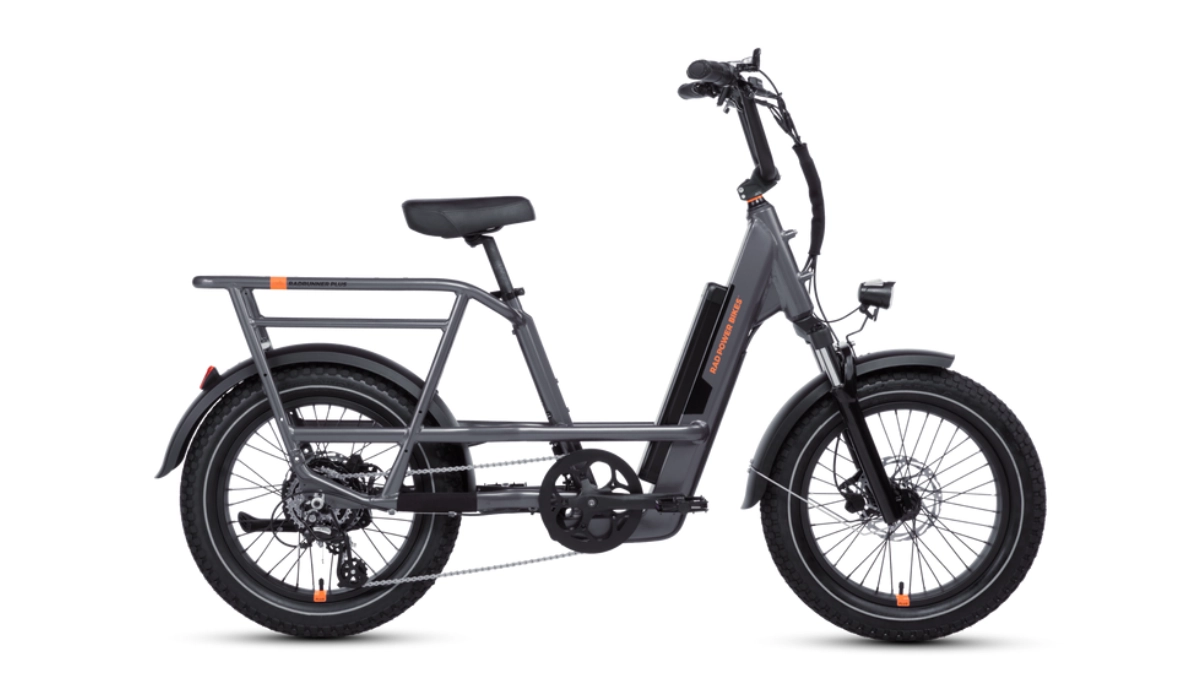
There are several types of transportation mobility , each with its own advantages and disadvantages. These include:
- Personal vehicles (cars, motorcycles, etc.): Personal vehicles offer the convenience of being able to travel directly from one destination to another, without having to rely on public transportation schedules or routes. They also offer privacy and flexibility in terms of travel times and destinations. However, personal vehicles can be expensive to purchase and maintain, and they contribute to traffic congestion, air pollution, and carbon emissions.
- Public transportation (buses, trains, subways, etc.): Public transportation is often more affordable than personal vehicles, and it can be more environmentally friendly by reducing traffic congestion and air pollution. It also offers the opportunity for social interaction and reduced stress by allowing individuals to relax or work during their commute. However, public transportation schedules and routes may not always be convenient, and it may require walking or transferring between modes of transportation.
- Bicycles : Bicycles are a cost-effective and environmentally friendly mode of transportation that also offer physical exercise and health benefits. They can be used for short trips or longer distances, depending on the individual’s fitness level and the terrain. However, bicycling may not be practical in certain weather conditions or on busy roads, and it may require additional safety equipment such as helmets and reflective clothing.
- Walking : Walking is a simple and affordable mode of transportation that also offers health benefits such as improved cardiovascular health and weight management. It can also be a way to explore and appreciate the local environment. However, walking may not be practical for longer distances or in certain weather conditions, and it may require additional safety precautions such as wearing comfortable shoes and reflective clothing.
- Ride-sharing services (Uber, Lyft, etc.): Ride-sharing services offer the convenience of personal vehicles without the expense of owning and maintaining a car. They can also reduce traffic congestion and emissions by reducing the number of cars on the road. However, ride-sharing services may be more expensive than public transportation, and they may not be available in all areas.
Types Of Device Mobility

Let’s look at the types of device mobility, as well as their advantages and disadvantages:
- Laptops : Laptops are portable computers that offer the convenience of being able to work or access the internet from anywhere. They also offer more processing power and storage capacity than many other types of mobile devices. However, laptops can be heavy and bulky, and their batteries may not last as long as other mobile devices.
- Smartphones : Smartphones are small, handheld devices that offer a wide range of features such as calling, texting, email, internet browsing, and app usage. They are highly portable and offer long battery life, making them ideal for on-the-go use. However, their small screens and keyboards may not be as comfortable for extended use, and they may be more prone to theft or loss.
- Tablets : Tablets are larger than smartphones but smaller than laptops, offering a balance between portability and functionality. They are ideal for activities such as reading, watching videos, or browsing the internet, and they offer longer battery life than laptops. However, their processing power and storage capacity may be more limited than laptops, and their screens may be too small for extended work or productivity tasks.
- Wearable devices : Wearable devices such as smartwatches or fitness trackers offer the convenience of being able to access information or track fitness goals without having to carry a separate device. They are highly portable and offer long battery life, making them ideal for continuous use. However, their screens and input methods may be limited, and they may not offer the same level of functionality as other types of mobile devices.
The future of mobility
The future of mobility is likely to be shaped by several key trends, including:
- Autonomous driving : The development of autonomous driving technology is expected to revolutionize transportation by reducing the need for human drivers and improving safety, efficiency, and accessibility.
- Electrification : The shift towards electric vehicles is expected to continue, driven by concerns about climate change and air pollution, as well as improvements in battery technology and charging infrastructure.
- Connectivity : The integration of vehicles with digital and mobile technology is expected to improve the driving experience by providing real-time information and personalized services.
- Shared mobility : The sharing economy is expected to continue to grow, with more people opting to use shared transportation services such as ride-sharing, car-sharing, or bike-sharing, rather than owning their own vehicles.
The future of mobility is likely to be characterized by a shift towards more sustainable, efficient, and connected transportation solutions that are designed to meet the needs of a rapidly changing world. All of these will change how we move and work and play. Whether it is physical, transportation, or device, mobility will continue to shape our present and future.
Introducing Automobility
You can enjoy rich, detailed content about ICE and electric vehicles on our sister website, Automobility.site .
Author:Mister Mobility
Digital Skills and Communication Coach | Mobile Phone Connoisseur since 2001 | Tech Blogging since 2004
Add MobilityArena as a preferred source on Google
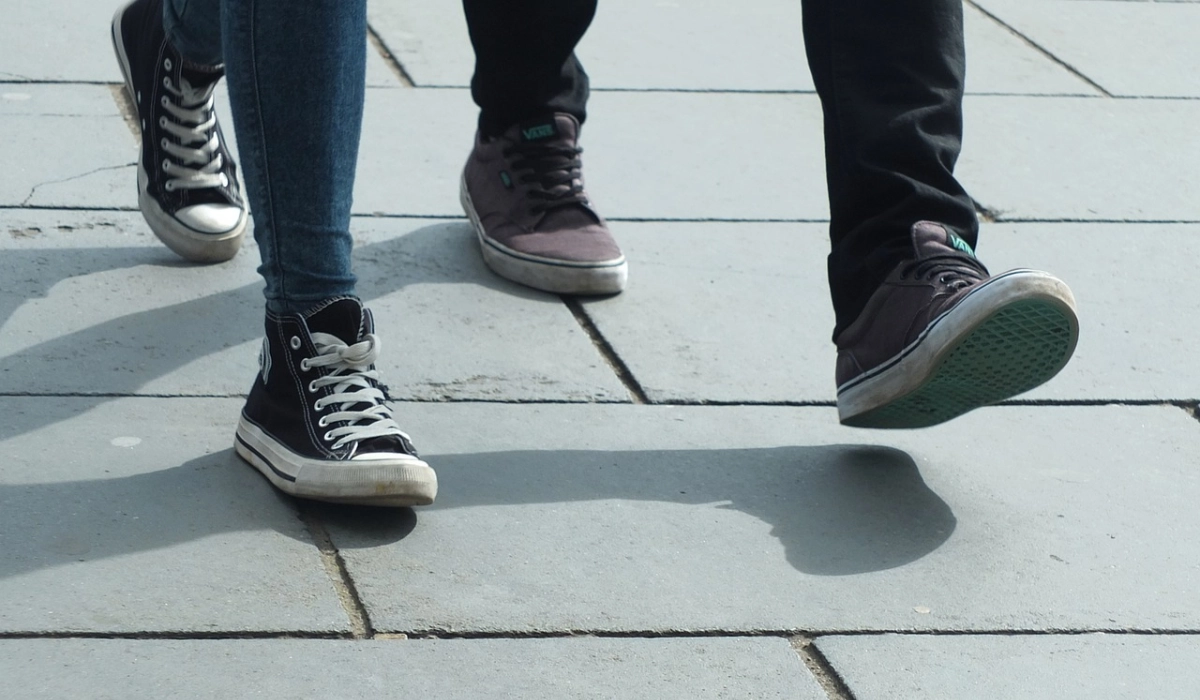
Are you tired of walking around in uncomfortable shoes that lack support and cushioning? Investing in a good pair of walking shoes is essential for anyone who enjoys walking as a form of exercise or daily activity.
I do a fair bit of walking – sometimes covering 6.2 miles (10 km) in one stretch. I have done more than that, too, but my regular range is between 3 and 6 miles (5 and 10 km). The last thing you want is to do a lot of walking in uncomfortable shoes. You will end up with blisters, other discomforts, and possibly an injury, too.
- What are the different types of walking shoes?
- What features should I look for when buying walking shoes?
- Are there any special considerations for finding the right walking shoe for me?
- Are walking shoes suitable for running?
- How often should I replace my walking shoes?
- How to prolong the life of your walking shoes
- Examples of walking shoes
What are the different types of walking shoes?
When it comes to finding the perfect walking shoes, it’s important to consider the specific needs and preferences of your feet. There are several different types of walking shoes available, each designed to cater to different foot types and walking styles. In this blog post, we’ll explore some of the most common types of walking shoes to help you find the best fit for your feet.
Stability Shoes : Stability shoes are ideal for people who overpronate, meaning their feet roll inward excessively when walking. These shoes are built with a firm midsole and a supportive arch to help control the inward rolling motion and maintain stability.
Cushioned Shoes : If you’re looking for maximum comfort and shock absorption, cushioned shoes are the way to go. These shoes feature extra padding in the midsole and heel, providing a plush and comfortable feel while walking. Cushioned shoes are great for people with high arches or those who prefer a soft and cushioned walking experience.
Motion Control Shoes : Motion control shoes are specifically designed for individuals with severe overpronation. These shoes typically have a stiffer midsole and a reinforced heel to prevent excessive inward rolling of the feet. They offer maximum stability and control for those who need extra support.
Lightweight Shoes : If you prefer a lighter and more flexible shoe, lightweight walking shoes are a good choice. These shoes are designed to be breathable, flexible, and weigh less than traditional walking shoes. They are perfect for people who value speed and agility.
What features should I look for when buying walking shoes?
Comfort : This is the number one consideration. Comfort should always be your top priority when buying walking shoes. Look for shoes that have a cushioned insole to provide a soft and supportive feel. Additionally, choose shoes with ample toe room to avoid any discomfort or blisters.
Arch Support : Good arch support is crucial for walking shoes, especially if you have high arches or flat feet. Look for shoes that offer proper arch support to help maintain your foot’s natural alignment and prevent any strain or discomfort.
Stability : Stability is important to prevent any ankle rolling or twisting while walking. Look for shoes that have a firm and supportive heel counter, as well as a wider base to provide stability and prevent any wobbling.
Breathability : Walking can make your feet sweat, so it’s important to choose shoes that are breathable to keep your feet cool and dry. Look for shoes made from materials like mesh or other breathable fabrics.
Durability : Walking shoes should be able to withstand the demands of regular use. Look for shoes with sturdy construction and durable materials, especially in high-wear areas like the soles and toe box.
Are there any special considerations for finding the right walking shoe for me?
Yes, there are definitely special considerations when it comes to finding the right walking shoe for you. Walking shoes are designed specifically for the activity of walking, so it’s important to find a pair that meets your individual needs and preferences.
I have already mentioned stability, cushioning, and fit. In addition to these, special considerations are things that are unique to you. Everyone’s feet are unique in some way. Also, your environment is a factor. For example, if you often walk in wet or slippery conditions, look for walking shoes with a non-slip outsole for better traction. If you have any specific foot conditions or concerns, consult with a podiatrist or footwear specialist to get their recommendations on the best walking shoes for your needs.
Lastly, personal preference. By this, I mean something that doesn’t impact your ability to walk but is important to you all the same. For example, I dislike laces. I find it tedious lacing up shoes, so my preference for any types of shoes is one that does not have laces.
Are walking shoes suitable for running?
Walking shoes are generally not suitable for running. While they may provide some level of comfort and support, they lack the necessary features for high-impact activities like running. I found out this the hard way. I am a solid walker. At some point, I decided to try running and found out that my walking shoes were not exactly as good for running.
Running puts a lot more stress on your feet, ankles, and knees compared to walking. To minimize the risk of injury, it’s important to wear shoes specifically designed for running.
Running shoes are engineered to provide stability, cushioning, and support in all the right places. They typically have a firmer midsole to absorb the impact of each stride and a flexible outsole that allows for a natural range of motion.
In contrast, walking shoes are designed for a different type of motion and have a more flexible sole. They are usually lighter and less cushioned than running shoes. While they may be comfortable for walking, they lack the necessary shock absorption and stability features needed for running.
Wearing walking shoes for running could lead to discomfort, pain, and potential injuries such as shin splints, plantar fasciitis, or stress fractures. It’s important to invest in a good pair of running shoes that are specifically designed for the activity.
How often should I replace my walking shoes?
I would say, as soon as they start wearing out and giving you some discomfort. Replacing walking shoes regularly is important to ensure comfort, stability, and support during your daily walks. Here are a few tips.
Pay attention to the cushioning in your shoes. Over time, the cushioning material can break down and lose its ability to absorb shock. If you start feeling more impact during your walks or notice that your shoes no longer provide the same level of comfort, it may be time to replace them.
If the tread on the outsole of your shoes has worn down significantly or if you notice any areas of uneven wear, it can affect your stability and increase the risk of slipping or tripping.
Additionally, consider the overall condition of your shoes. If you see visible signs of wear and tear, such as holes, rips, or loose stitching, it’s a good indication that your shoes have reached their limit. Damaged shoes can compromise the support they provide and potentially lead to foot discomfort or injuries.
How to prolong the life of your walking shoes
To prolong the lifespan of your walking shoes, there are a few tips you can follow. For starters, avoid wearing them for activities other than walking. Using your walking shoes for running or other high-impact activities can accelerate wear and tear. It’s best to have a separate pair of shoes for those activities.
Secondly, try to rotate between multiple pairs of walking shoes if possible. This allows each pair to have time to “rest” and recover from the stress of walking. It can also help prevent excessive wear on one pair.
Thirdly, take care of your shoes by cleaning them regularly. Use a mild soap and warm water to clean the exterior of the shoes, and remove any dirt or debris from the outsole. This can help prevent buildup and maintain the traction of the shoes.
Lastly, store your walking shoes in a cool, dry place when you’re not wearing them. Excessive heat and moisture can degrade the materials and shorten the lifespan of the shoes.
Examples of walking shoes
When it comes to walking shoes, there are plenty of options available from various brands. Here are a few examples of walking shoe brands that are known for their stability and cushioning:
New Balance : New Balance offers a wide range of walking shoes that are designed for comfort and support. Their popular models include the New Balance 928, New Balance 577, and New Balance 411.
Skechers : Skechers is another well-known brand that offers comfortable and stylish walking shoes. Their popular models include the Skechers GOwalk series, Skechers Arch Fit, and Skechers Elite Flex. My first walking shoes were Skechers and I have stayed with the brand so far, because I found the shoes comfortable. Who knows? I might try another brand along the way.
ASICS : ASICS is known for its athletic footwear, and they also have a selection of walking shoes. Their popular models include the ASICS Gel-Quickwalk, ASICS Gel-Contend, and ASICS Gel-Venture.
Brooks : Brooks specializes in running shoes but also offers walking shoes that provide excellent cushioning and stability. Their popular models include the Brooks Addiction Walker, Brooks Dyad Walker, and Brooks Addiction Walker V-Strap.
Hoka One One : Hoka One One is a brand known for its maximalist cushioning and supportive designs. Their walking shoe options include the Hoka One One Bondi, Hoka One One Gaviota, and Hoka One One Arahi.
Nike : Nike is another popular brand that offers walking shoes in their product line. One example of a walking shoe by Nike is the Nike Revolution 5 Walking Shoe. It is designed to provide comfort and support for walking activities.
These are just a few examples of walking shoe brands that offer stability and cushioning. Of course, there are many other brands that are less prominent than these for you to buy from.
I hope this article has helped you with insightful information to picking the best walking shoes for your use. Let me know if I can answer any questions you may have.
Author:Mister Mobility
Digital Skills and Communication Coach | Mobile Phone Connoisseur since 2001 | Tech Blogging since 2004
