Add MobilityArena as a preferred source on Google
The buzz surrounding the impact of 5G on mobile usage continues to grow, promising a transformative shift in how we interact with our mobile devices. Imagine a world where downloading a movie takes mere seconds, video calls are crystal clear without any lag, and smart devices seamlessly communicate with one another. This is not just a futuristic dream; it’s becoming a reality thanks to the widespread rollout of 5G networks across the United States. With 5G technology, users can expect significantly faster data speeds, enhanced connectivity, and improved overall performance. This transformation is not only reshaping how we use our smartphones but also paving the way for innovative applications that were previously unimaginable. Let’s dive into the impact of 5G on mobile usage and what it means for everyday consumers, from gaming enthusiasts to remote workers and beyond.
- The Promise of 5G
- Enhanced Speed and Performance
- The Rise of Innovative Applications
- AR and VR Experiences
- Increased Connectivity for IoT Devices
- Security Considerations
- Conclusion
The Promise of 5G

5G, or fifth-generation wireless technology, is designed to be faster, more reliable, and capable of connecting more devices than its predecessor, 4G. With speeds up to 100 times faster than 4G and significantly lower latency — down to just one millisecond — 5G opens up a world of possibilities for mobile users. Picture this: you’re at a café, and while waiting for your coffee, you download an entire season of your favorite show in seconds. That’s the power of 5G.
Enhanced Speed and Performance
Talking about the impact of 5G on mobile usage is its ability to support high-speed data transfer. This means that streaming high-definition content will become smoother than ever before. No more buffering or pixelated images; instead, you can enjoy uninterrupted viewing experiences. For avid gamers, this translates to seamless online gameplay with minimal lag, allowing for more competitive and enjoyable gaming sessions. Imagine playing your favorite multiplayer game while on the go, with graphics that rival console gaming—all thanks to the enhanced capabilities of 5G. As developers create more bandwidth-intensive applications, users will benefit from richer experiences that were previously unattainable. The impact of 5G on mobile usage is vast.
The Rise of Innovative Applications
With the introduction of 5G technology, app developers are now able to create applications that leverage its speed and low latency. From augmented reality (AR) shopping experiences to virtual reality (VR) gaming, the potential for innovation is vast.
AR and VR Experiences
Still on the impact of 5G on mobile usage, consider how AR apps can transform shopping: you could try on clothes virtually or see how furniture looks in your home before making a purchase. With 5G’s fast data speeds, these experiences will be more immersive and responsive, making online shopping not just convenient but also engaging. Similarly, VR gaming will reach new heights. Imagine stepping into a fully immersive world where you can interact with other players in real-time without any delays. This level of engagement will redefine gaming as we know it.
Increased Connectivity for IoT Devices
As smart homes become more prevalent, the need for reliable connectivity increases. 5G networks are designed to handle a massive number of connected devices simultaneously—up to one million devices per square kilometer. This capability is crucial for Internet of Things (IoT) applications, where various devices communicate with each other. Again, the impact of 5G on mobile usage is profound.
Security Considerations
While the impact of 5G on mobile usage is compelling, it’s essential to consider security implications as well. With increased connectivity comes increased risk; more devices mean more potential entry points for cyber threats. As users embrace this new technology, understanding how to protect personal information becomes paramount.
Conclusion
The impact of 5G on mobile usage in the U.S. is profound and far-reaching. As we embrace this new era of connectivity, consumers can look forward to faster speeds, innovative applications, and enhanced experiences across various aspects of life—from entertainment to smart home management. So whether you’re streaming your favorite shows in ultra-high definition or exploring new AR shopping experiences, 5G technology is set to revolutionize how we interact with our mobile devices. As this technology continues to roll out nationally, staying informed about its capabilities and implications will ensure that you make the most out of your smartphone experience in this exciting new landscape!
Author:Ifeoluwa Adeleke
Add MobilityArena as a preferred source on Google
In the US, there has been a shift from using the older USB Type-A to Type-C charger and cable to using USB Type-C to Type-C chargers and cables for cell phones.
Most phone chargers in the world are of the USB Type-A to Type-C standard, with the big Type-A end plugging into the adaptor or wall charging brick. The two ends of the cable looks like this:
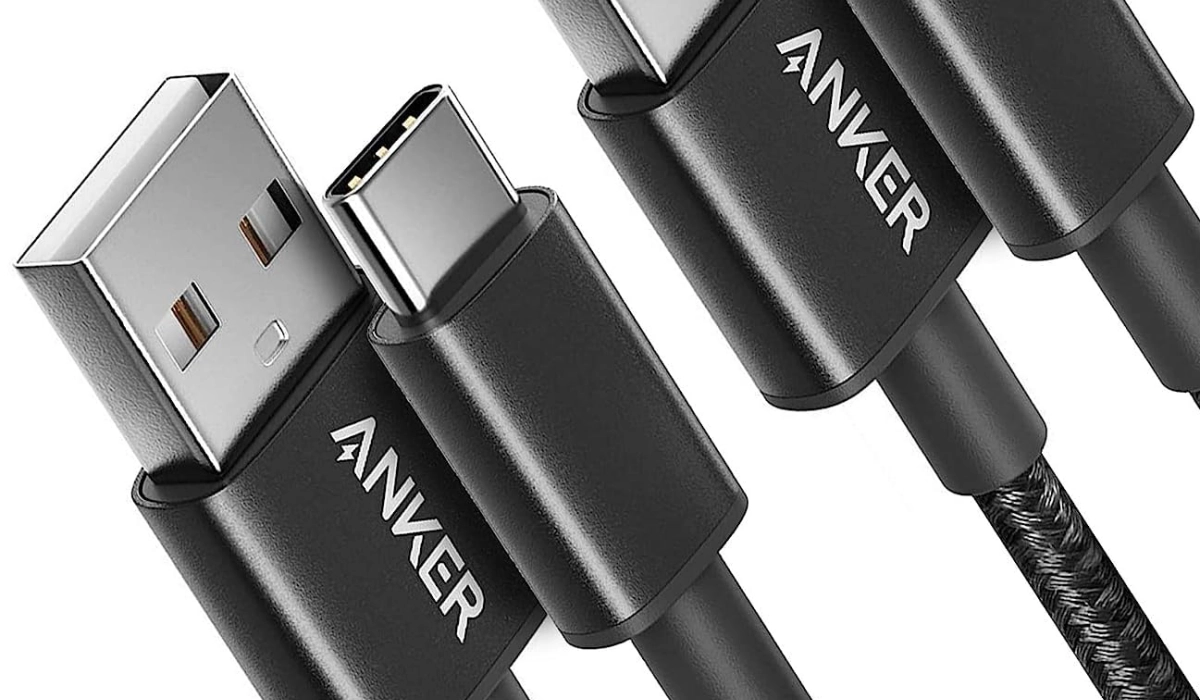
You are familiar with it, because it is the most common type of charging cable these days. A USB Type-C to Type-C charger is different: the common Type-A end of the cable and slot in the adaptor is replaced with a Type-C end and slot, so that both ends of the cable are Type-C and fit into the adaptor. Which is why they are called reversible connectors: you can plug in either end.
Here is what a Type-C to Type-C charger and cable look like:
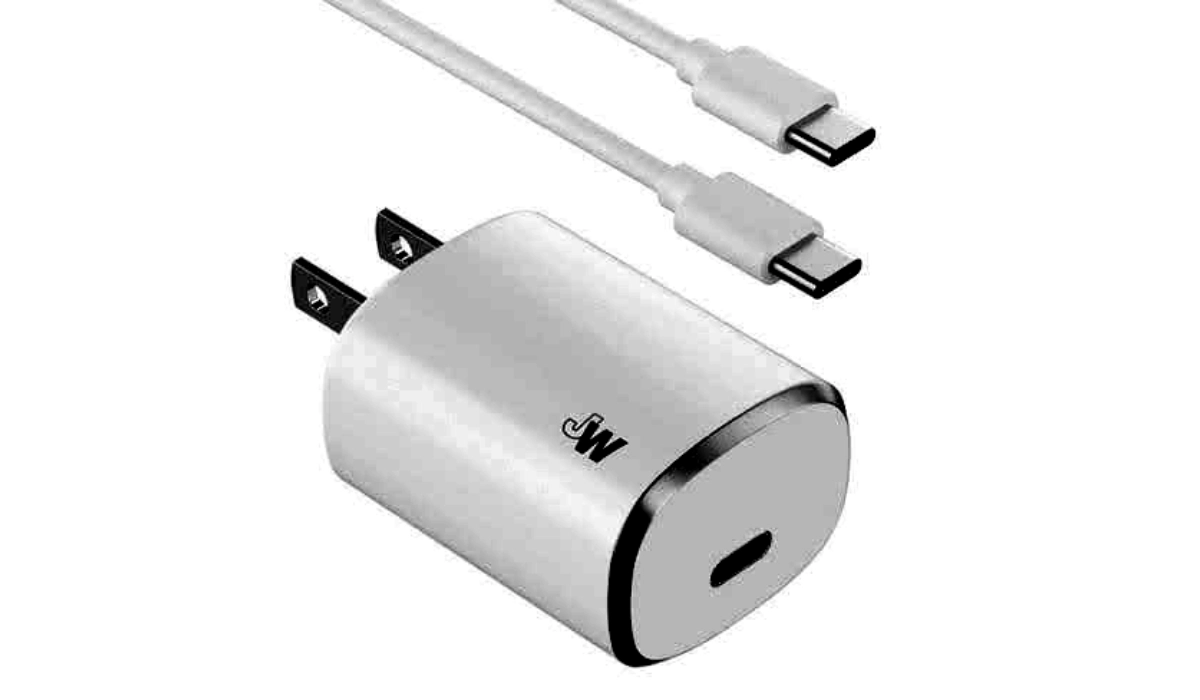
In the United States, at least three major phone brands have embraced Type-C to Type-C chargers and cables – Apple, Samsung, and Google Pixel. The official iPhone charging brick has a Type-C port for the cable. The same goes for Google Pixel and Samsung Galaxy phones. It is the type of charger and cable that you will find in their product boxes.
I remember that my last Pixel phone, the 5a 5G , and my last Samsung, the Galaxy S23 , both had the Type-C reversible type of charger and cable. Between Apple, Samsung, and Google, over 80% of the US smartphone market is covered.
This means that the USB Type-C to Type-C charger is now the dominant phone charger type in the US. And that’s great news. You never have to worry about compatibility. Outside of the US, though, there are still many countries and regions that the older USB Type-A to Type-C charger is still the default.
- Advantages of using a USB Type-C to Type-C charger and cable
- Other uses of Type-C reversible cables beside charging
- Disadvantages of using a Type-C to Type-C charger
Advantages of using a USB Type-C to Type-C charger and cable
Using a USB Type-C to Type-C charger has several advantages. Let’s have a look at them:
- Fast Charging : USB-C supports higher power delivery, enabling faster charging for devices like smartphones, tablets, and laptops.
- Universal Compatibility : A wide range of devices, from all the major phone manufacturers, now use USB-C, making it easier to use a single charger for multiple devices.
- Reversible Connection : The USB-C connector is reversible, so there’s no wrong way to plug it in, reducing wear and tear on both the cable and the port.
- Data Transfer Speed : USB-C cables can support higher data transfer rates, allowing for quicker file transfers between devices.
- Durability : USB-C cables are often more durable and designed to withstand frequent plugging and unplugging.
- Future-Proof : As more devices adopt USB-C, having these chargers ensures you’re ready for newer technology.
Other uses of Type-C reversible cables beside charging
Having a Type-C to Type-C cable also .wants that you can use it to connect two smartphones to move files across and even to charge one another. There are times when I have been in low battery situations and had to charge the phone with another phone, and my trusty Type-C to Type-C charger cable came in handy. You can watch a video tutorial that I did showing how this works. Check the YouTube video out .
Disadvantages of using a Type-C to Type-C charger
To be honest, I can’t think of any disadvantage of using a Type-C to Type-C charger and cable. I have given it a lot of thought and couldn’t come up with one disadvantage, at least if you are resident in the US.
There are simply no downsides to it. This is a straightforward case of, “out with the old, in with the new”. USB Tyoe-C reversible connector cables and chargers are here to stay and if you aren’t using one yet, you should fix that situation.
Author:Mister Mobility
Digital Skills and Communication Coach | Mobile Phone Connoisseur since 2001 | Tech Blogging since 2004
