Add MobilityArena as a preferred source on Google
In the modern academic environment, a laptop is more than just a device; it is a tool that, if used properly, can significantly enhance a student’s educational experience. From accessing online resources to organizing study materials, the potential applications of a laptop in the context of student life are extensive. This article will explore five key ways students can maximize the use of their laptops, thus transforming this everyday device into a powerful ally in their academic journey.
- The Value of Laptops For Students
- Way 1: Leveraging Educational Apps and Websites
- Way 2: Using Productivity Tools
- Way 3: Employing Cloud Storage
- Way 4: Mastering Keyboard Shortcuts
- Way 5: Keeping Your Laptop Secure and Maintained
- Conclusion
The Value of Laptops For Students
Laptops play a pivotal role in today’s digital education landscape. As academic institutions increasingly leverage digital technologies to support teaching and learning, students find themselves needing to adapt to these changes. And a laptop, with its versatility and power, is the ideal tool to navigate this digital academic environment.
Whether you’re researching for a project, participating in an online discussion, or even asking a service to write my paper for me , your laptop serves as a gateway to a world of resources and possibilities. It facilitates learning by granting instant access to a vast array of educational material online. Furthermore, it enables efficient organization of study materials and aids in seamless communication with peers and educators. In essence, a laptop, when utilized effectively, becomes an integral part of a student’s academic success toolkit.

Way 1: Leveraging Educational Apps and Websites
With a laptop in hand, you have access to a plethora of educational apps and websites designed to enhance learning and studying. These digital platforms offer a range of resources, from interactive tutorials and educational games to comprehensive study guides.
For instance, websites like Khan Academy provide free courses on a wide range of subjects, while apps like Quizlet offer tools for creating digital flashcards, a proven method for improving memory retention. Other platforms like Coursera and edX allow you to take courses from top universities worldwide right from your laptop.
Learning to leverage these educational platforms can greatly enhance your academic performance. By incorporating them into your study routine, you can complement your classroom learning, delve deeper into topics of interest, and gain a competitive edge in your academic pursuits.
Way 2: Using Productivity Tools
One of the major benefits of using a laptop as a student is access to an assortment of productivity tools. These digital resources can streamline your academic tasks, promote better organization, and foster effective time management.
Applications such as Microsoft OneNote or Evernote serve as powerful note-taking tools, allowing you to compile, organize, and search your lecture notes efficiently. For task management and planning, tools like Trello or Asana can help you break down your academic assignments into manageable tasks, track your progress, and meet deadlines.
Furthermore, software like Grammarly can proofread your assignments, while citation tools like Zotero or Mendeley can simplify the often-complicated process of referencing in academic papers. Mastering these productivity tools can save you considerable time and energy, allowing you to focus more on learning and less on administrative tasks.
Way 3: Employing Cloud Storage
As a student, your laptop is likely filled with a myriad of files – from lecture notes and research papers to presentation slides and eBooks. Managing all these files can be challenging, but this is where cloud storage comes to the rescue.
Cloud storage services like Google Drive, Dropbox, or Microsoft OneDrive offer a reliable and accessible solution for storing your academic files. They not only free up valuable storage space on your laptop but also allow you to access your files from any device with internet access, offering flexibility and convenience.
Moreover, these services often come with features like file sharing and collaborative editing, making group projects and information sharing with peers significantly easier. Adopting cloud storage is a step towards a more organized and efficient academic experience, helping you ensure that your valuable work is safely stored and always within reach.
Way 4: Mastering Keyboard Shortcuts
When used correctly, keyboard shortcuts can be a game-changer for your productivity. They help you perform tasks faster, saving valuable time that you can use for studying or relaxation. Though it might take a while to get used to them, once mastered, these shortcuts can significantly enhance your efficiency.
Common keyboard shortcuts like Ctrl+C for copying, Ctrl+V for pasting, and Ctrl+S for saving are probably already part of your workflow. However, there are many more shortcuts that can prove beneficial. For example, shortcuts for taking screenshots, navigating between browser tabs, and even for advanced formatting in word processors can be real time-savers.
Consider creating a list of the most useful shortcuts for your tasks and practice using them regularly. Over time, they will become second nature and contribute to a smoother, faster workflow.
Way 5: Keeping Your Laptop Secure and Maintained
Keeping your laptop secure and well-maintained is essential for uninterrupted academic work. Regular maintenance keeps your laptop running smoothly, reducing the risk of unexpected breakdowns or slow performance during critical moments, like during an online examination or while availing of the best assignment writing services .
On the digital security front, ensure you have good antivirus software installed and keep your operating system and applications up to date. Regularly backup your important files to avoid loss of data. Remember to protect your personal information and use strong, unique passwords for your accounts.
Physical maintenance matters too. Regular cleaning, using a laptop-friendly surface, and ensuring good ventilation can prolong the lifespan of your device. By taking care of your laptop, you are essentially safeguarding your digital academic life.

Conclusion
Your laptop is one of the most powerful tools in your academic arsenal. By leveraging educational apps and websites, utilizing productivity tools, employing cloud storage, mastering keyboard shortcuts, and keeping your laptop secure and maintained, you can transform your laptop into a comprehensive hub for your academic life. The goal is to not just use your laptop but to use it wisely and efficiently, maximizing its potential to support and enhance your academic journey.
Author:Content Partner
Add MobilityArena as a preferred source on Google
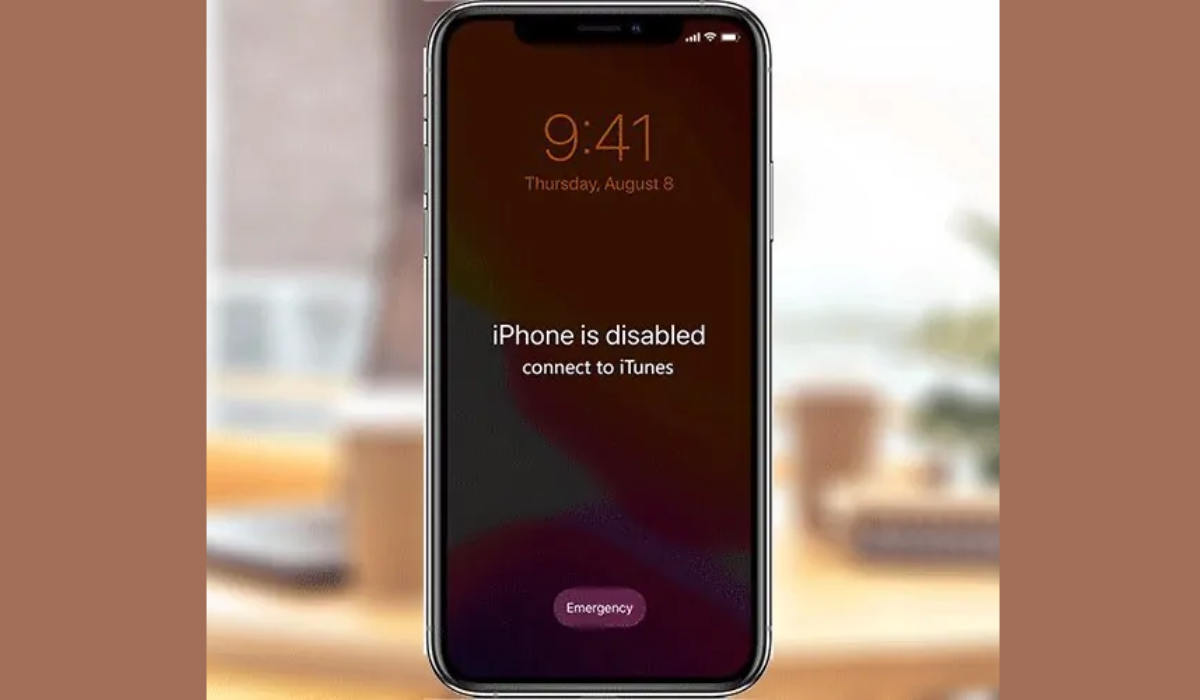
Adding a passcode to your iPhone is a great way to protect your personal data. But if you find yourself in a situation where you’ve forgotten your iPhone password or are locked out for any reason, unlocking your iPhone in iTunes can be an effective solution. iTunes, the official software from Apple, allows you to restore your iPhone to its factory settings, removing any lock or restrictions in the process.
In this article, I’ll show you how to unlock an iPhone in iTunes step by step. By the end of this article, you’ll know everything necessary to complete this process easily and get back to using your phone like normal.
How Can I Unlock An iPhone in iTunes?
Unlocking your iPhone in iTunes can be handy in different situations, for instance, if you’ve forgotten your passcode, purchased a second-hand iPhone with a locked screen, or encountered any other lock-related issue. However, it’s important to note that unlocking your iPhone in iTunes will erase all data and settings on the device. That’s why it’s crucial to have a recent backup of your iPhone to restore your data afterward.
How to Unlock an iPhone in iTunes via Standard Mode
When you are locked out of your iPhone and have no passcode to enter, check whether you have synced it with iTunes in the past. If you have already connected your device to a trusted computer, you can directly unlock it using iTunes. The procedure is straightforward, as demonstrated below:
For Windows:
- To begin, ensure you have the latest version of iTunes installed on your computer.
- Connect your iPhone to the computer using a USB cable, and open iTunes.
- Select your iPhone from the list of devices in iTunes.
- Click Summary in the sidebar.
- Click Backup Now to back up your iPhone. Make sure to wait until the backup process is complete before attempting to unlock your iPhone with iTunes.
- Click Restore iPhone and follow the on-screen prompts to unlock your iPhone.
For Mac:
- Connect your iPhone to your Mac using a USB cable.
- Open Finder/ iTunes on your Mac.
- Select your iPhone from the list of devices in Finder.
- Click General in the sidebar.
- Click Backup Now to back up your iPhone.
- Click Restore iPhone and follow the on-screen prompts to unlock your iPhone.
How to Unlock an iPhone in iTunes via Recovery Mode
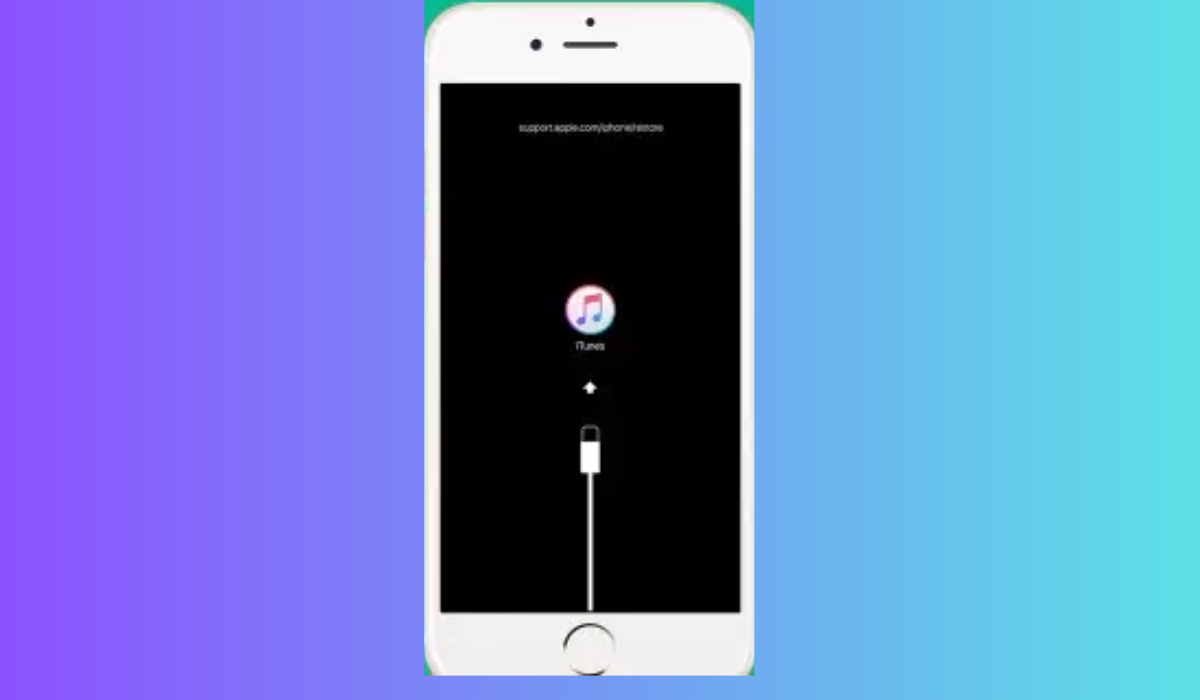
To unlock an iPhone when you don’t trust the computer you’re using, you’ll have to enter recovery mode in iTunes. To unlock your iPhone with iTunes on a computer in recovery mode, follow these steps:
Connect your iPhone to your computer using a USB cable.
Open iTunes on your computer.
You must totally power off your device before entering recovery mode. Turn off your iPhone by following the instructions for your specific iPhone model:
For iPhone 8, iPhone 8 Plus, iPhone X, and later models, including iPhone SE (2nd and 3rd generation) : Press and hold both the side button and the Volume down button until the power off slider appears.
For iPhone 7 and iPhone 7 Plus : Press and hold both the side button and the Volume down button until the power off slider appears.
For iPhone 6s and earlier models : Press and hold the side button (or top button) until the power off slider appears.
Remember to slide the power off slider to the right to turn off your iPhone.
Now, boot your iPhone into recovery mode. Different iPhone models have different ways to enter recovery mode; you can enter recovery mode using the methods listed below:
For iPhone 8, iPhone 8 Plus, iPhone X, and later models, including iPhone SE (2nd and 3rd generation): Press and quickly release the volume up button, then press and quickly release the Volume down button. Finally, press and hold the side button until the recovery mode screen appears on your iPhone.
For iPhone 7 and iPhone 7 Plus : Press and hold both the volume down button and the side button until the recovery mode screen appears.
For iPhone 6s and earlier models : Press and hold both the home button and the side button until the recovery mode screen appears.
iTunes should detect your iPhone in recovery mode and prompt you to restore it.
Click “ Restore iPhone ” to restore your iPhone and unlock it.
Once iTunes has finished unlocking the phone, you can set it up as a new phone or restore it from an iTunes or iCloud backup.
Unlock your iPhone with Best iTunes Alternatives
If you’re looking for alternatives to unlock your iPhone with iTunes, there are a few options available. Some popular choices include using third-party software like iMyFone LockWiper , iPhone Unlocker , EaseUS MobiUnlock , or Tenorshare 4uKey . These tools provide similar functionalities to iTunes for unlocking iPhones. However, it’s important to note that using third-party software comes with risks, so make sure to research and choose a reputable option.
To sum up, unlocking an iPhone in iTunes is a simple and effective method. By following these steps, you can successfully unlock your iPhone using iTunes. It’s always a good idea to keep your iPhone and its data secure by regularly backing up your device and using a strong password.
If you encounter any issues, there are alternative software options available to unlock your iPhone. Remember to choose reputable tools and follow their instructions carefully. You can also reach out to Apple Support for further assistance if you encounter any difficulties during the unlocking process. Also, check out these useful iPhone tips and recommendations and take advantage of them if the need ever arises.
