Add MobilityArena as a preferred source on Google
With Android smartphones, flickering on your phone’s screen can occur for a variety of reasons. Most times, it can be fixed quickly, but occasionally, hardware replacement or repair may become necessary.
In this guide, we’ll show you different ways to fix flickering on a phone’s display. Read on to learn how to get your smartphone’s display to work correctly.
- How to Fix Flickering on your Phone’s Display Reboot your smartphone Hard Reset your Device Deactivate Auto-Brightness Turn Off Hardware Overlay Update your Device
How to Fix Flickering on your Phone’s Display
Here are several solutions you can try to fix flickering on your phone’s display.
Reboot your smartphone
To make sure you’re not encountering a short-term problem, first restart your phone before trying other options to fix the flickering on your phone’s display. Any active third-party background processes that typically cause flickering should be terminated by restarting the computer.
If any of your device’s memory components have crashed while performing a task, restarting will also refresh those parts. If the display stops flickering or glitching after rebooting, you should go through all recently installed apps to identify the problem and get rid of it.
Hard Reset your Device
The most fundamental troubleshooting technique you can try to fix flickering on a phone’s display is a reboot, and it usually solves issues. You should however consider hard resetting your phone if our first suggestion doesn’t work to fix your flickering display.
A hard reset will immediately erase any unprocessed data preventing your phone from operating correctly. But, remember to back up your iPhone or Android device before conducting a factory reset.
You can reset your Android phone by following these steps:
● Click on Settings > System > Advanced . You could also look for Reset Options on your device.
● Click on Erase All Data (factory reset) under Reset Options
● Choose the Reset phone option. If you use a PIN, input it.
● Tap Erase everything to complete the action.
If you’re an iOS user, follow these instructions:
● Click on Transfer or Reset iPhone under Settings > General .
● Click on Erase All Content and Settings .
Deactivate Auto-Brightness
Based on information from the light sensor, the auto-brightness (Adaptive brightness) option controls the continuous change of the screen’s illumination.
However, a software upgrade or a hardware flaw could also cause issues, including display flickers. Deactivating the option from the Settings menu is another option to fix the flickering on a phone’s display.
On Android, go to Settings > Display > Adaptive brightness , and on iOS, go to Settings > Display & Brightness to access this function.
If your phone has trouble adjusting to different lighting conditions, there is also the choice to reset the adaptive brightness. Follow these steps:
● Go to Settings on your phone.
● Click on Apps or Apps & notifications .
● Locate and then choose the Device Health Services app.
● Choose the Clear all data option after selecting Manage storage , then press OK to confirm.
Turn Off Hardware Overlay
Your phone typically determines whether to render graphics using its CPU or GPU. Even though most transitions are flawless, a broken or old phone may have trouble with screen compositing (layering images).
So, when the phone has nothing to display, there is a slight delay between tasks which could cause flickering. Not to worry though, you can disable hardware overlays to fix flickering on your phone’s display.
Note that you have to activate Developer settings first. To do this:
● Navigate to Settings > System > About phone . Head to Software information if you’re using a Samsung smartphone.
● You’ll need to click on Build number seven times in a row before you see the message “ You are now a developer! “
Return to your phone’s settings after entering developer mode and scroll down until you see Developer options . Afterward, toggle on Disable HW overlays .
Keep in mind that removing overlays causes the phone to use GPU rendering, so this will result in additional power consumption.
Update your Device
It’s also likely that a faulty software build causes the flickering display issue you’re experiencing on your device.
So, if you’re trying to fix flickering on your phone’s display, check to see if your device has an update available. This is because most issues can be resolved easily with a software update.
Go to Settings > System > System update on Android to view your current software version and update it if necessary.
If you’re using an iOS device, go to Settings > General > Software Update .
If none of the above recommended solutions to fix flickering on your phone’s display works, consider taking the device to a trusted professional for expert help.
Author:Joan Agie
Add MobilityArena as a preferred source on Google
Apple’s AirPods Pro earbuds have been popular since coming out, and most people believe they are worthy competitors to other wireless headphones at comparable prices.
However, some AirPods Pro users have complained about disappointing bass, poor noise cancellation, or overall poor sound quality.
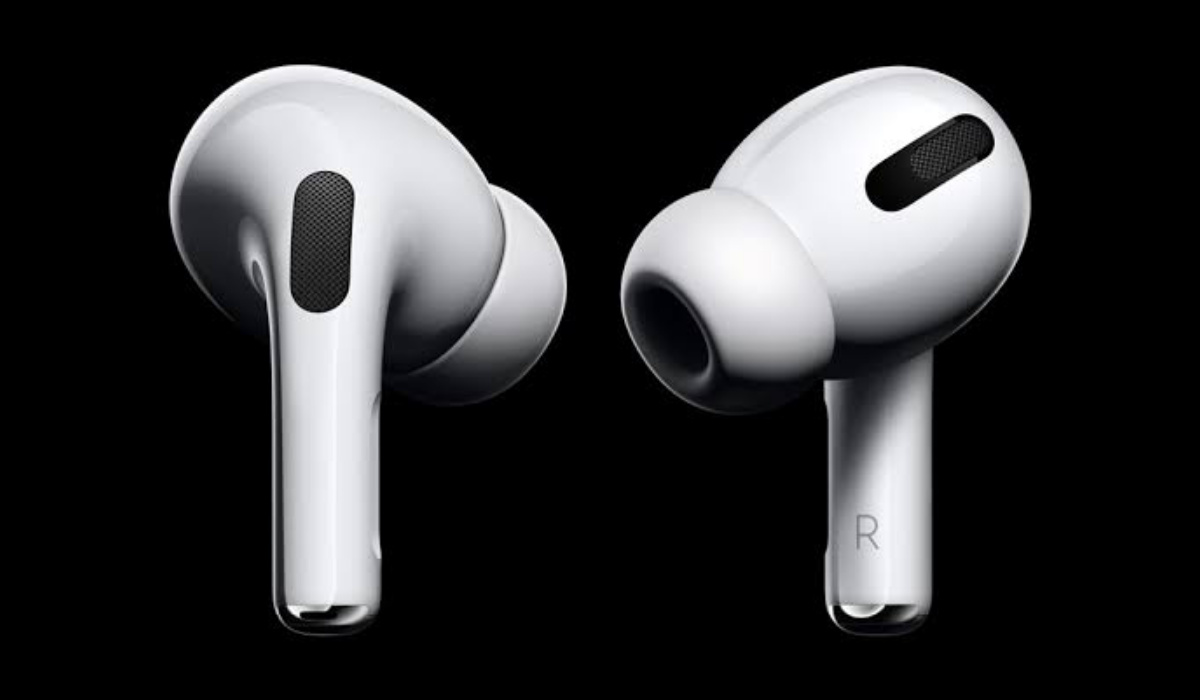
In this article, I will show you how to improve the sound quality of your AirPods Pro to get the most out of them. We’ll look at the best ways to improve the AirPods Pro’s bass, EQ, and some other important sound quality features.
How Can I Improve the Sound Quality of My AirPods Pro?
If you use AirPods Pro, you’ll know that the sound quality is noticeably better than standard AirPods. But did you know there are ways to improve the sound quality of your AirPods Pro even more? Follow these suggestions to get even better sound.
Update Your AirPods Pro
Our first tip to improve the sound quality of your AirPods Pro is verifying that they are updated. Apple issues firmware updates for the AirPods on a regular basis to tweak the equalizer and improve the sound quality.
Since the AirPods are set to update automatically in the background, you may not have noticed. You can, however, configure your AirPods to manually check for and install firmware updates.
Here’s how to update the firmware on your AirPods Pro:
● Ensure that your AirPods Pro are inside the charging case.
● Charge the case by plugging it in or wirelessly.
● Verify that your iPhone is connected to the internet.
● Maintain close proximity to your AirPods Pro or connect them to your iPhone.
Your AirPods Pro will automatically update, and the sound quality should improve depending on the update.
Perform the Ear Tip Fit Test
If your AirPods Pro still don’t sound right, it could be because the included ear tips are not properly sealing your ears. However, there’s an easy way to determine which size (small, medium, or large) is best for you.
On your devices, Apple includes a software-based Ear Tip Fit Test. This indicates which ear tip size best prevents sound from leaking into or out of your ears.
To locate the Ear Tip Fit Test and use it to improve the sound quality of your AirPods Pro, follow these steps:
● Connect your iPhone to your AirPods Pro.
● Go to Settings and then Bluetooth .
● Then, next to your AirPods Pro, press the i button.
● Scroll down to Ear Tip Fit Test and then follow the onscreen instructions.
● Try again with a different size ear tip if the first one doesn’t provide a good seal. Each ear may require a different size.
You will hear music playing during the test but this is part of the test to help determine what setting produces the best sound.
Change the EQ on Your AirPods Pro
Everyone has different ears, preferences, and levels of hearing loss. So what sounds great to someone else may sound horrible to you. As a result, Apple includes Headphone Accommodations , which allow you to customize the equalizer (EQ) on your AirPods Pro.
These settings are especially useful for people who have significant hearing loss, but they can also be useful for anyone looking for a good way to improve the sound quality of their AirPods Pro.
Here’s how to change EQ on an iPhone:
● Navigate to the Settings > Accessibility menu.
● Scroll to the bottom and select Audio/Visual .
● Enable the toggle at the top of the screen by tapping Headphone Accommodations .
● You can now select one of three presets that optimize the sound for Balanced Tone , Vocal Range , or Brightness .
This is an easy and effective way to improve the sound quality of your AirPods Pro. Alternatively, select Custom Audio Setup to run a quick hearing test and then adjust the EQ on your AirPods Pro based on the results. After finishing the test, select Audiogram from the EQ options.
Improve Sound Quality from your Streaming service
Did you know that your music streaming app may not be providing you with the best possible music quality? Fortunately, depending on which service you use, changing these settings is simple, so you can do that to improve the sound quality on your AirPods Pro.
We’ll cover how to do this in Spotify and Apple Music because those are the most popular music streaming apps.
Here’s how to improve Spotify Premium audio quality:
● Open Spotify and select the Settings option.
● Select Audio Quality .
● For each type of streaming and downloading, select High or Very High .
Choose your music quality in Apple Music by following these steps:
● Navigate to Settings > Music .
● Tap Audio Quality under Audio .
● Select High Quality from the Mobile Data Streaming menu. You can also activate Lossless Audio, but AirPods Pro don’t support it, so it won’t affect the sound quality when listening through them.
In conclusion , using the techniques we’ve listed above should help you adjust the right features to improve the sound quality of your AirPods Pro.
