Add MobilityArena as a preferred source on Google
Google Glass was supposed to become everyone’s next portable computer. However, the device didn’t quite catch on. But now, a version of the product has been tested and deployed across many factories in the United States by companies such as Boeing, GE and DHL. This edition is known as Google Glass Enterprise Edition (EE).
Google Glass Enterprise Edition is a wearable technology device developed by Google, specifically designed for business and industrial use. It is a hands-free, head-mounted display that allows users to access information, take photos or videos, make calls, and perform other tasks using voice commands and gestures. The device features an augmented reality display and can be customized with software applications to meet the needs of different industries such as healthcare, manufacturing, and logistics. The Enterprise Edition is an upgraded version of the original Google Glass, with improved hardware and software, longer battery life, and enhanced security features.
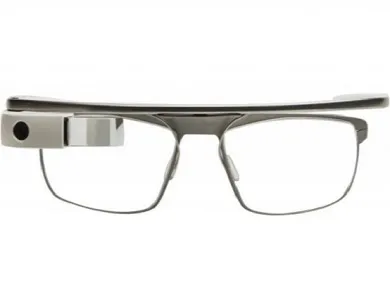
There have been quite some upgrades to the Enterprise Edition. It has a better camera, extended battery life, faster Wi-Fi and processor and a new red light that turns on when recording video. The electronics of the Glass have also been made modular in the shape of a Glass Pod, which can be detached and reattached to Glass-compatible frames. These include things like safety goggles and prescription glasses.
Right now, the scale of the Google Glass Enterprise Edition rollout is quite small, though. Wired reports that sales have been in the hundreds, and most of the biggest customers buying the product are only doing so on a trial basis. However, Google’s parent company Alphabet remains optimistic about the project. In fact, feedback from workers and companies have been positive, with the device providing assistive information on the work floor and improving productivity.
However, the approach and direction with the Google Glass Enterprise Edition are more cautious. The chief of Alphabet’s experimental X division, Astro Teller, says:
“We’re not going to prejudge exactly what that path is. We’ll focus on the places that are actually getting value out of that and go through the journey with them, being open minded about where it’s going to go.”
Recently, Alphabet lifted its non-disclosure agreement on its Glass EE partners. Now, the company is opening up the program for other businesses to participate. It certainly appears that Google’s failure in making the original Google Glass a mass market product might bring about success for Alphabet’s workplace-focused assistive device.
Benefits of Google Glass Enterprise Edition
Google Glass Enterprise Edition offers several benefits for businesses and industries, including:
- Hands-free operation: The device is worn on the head, allowing users to operate it without using their hands. This can be especially useful in industries where workers need to use both hands for tasks such as manufacturing or healthcare.
- Augmented reality display: The device features a heads-up display that overlays digital information onto the user’s view of the real world. This can be used to display instructions, checklists, or other information that can improve productivity and accuracy.
- Voice commands: Google Glass Enterprise Edition can be controlled using voice commands, making it easy to access information or perform tasks without the need to use a keyboard or touch screen.
- Customizable software: The device can be customized with software applications to meet the needs of different industries. For example, healthcare providers can use the device to access patient records or monitor vital signs.
- Improved safety: Google Glass Enterprise Edition can help improve safety in industries such as manufacturing or logistics by providing workers with real-time information or alerts about potential hazards.
- Enhanced productivity: By providing workers with instant access to information or tools, the device can help improve productivity and efficiency in various industries.
Author:EmmyCN
Add MobilityArena as a preferred source on Google
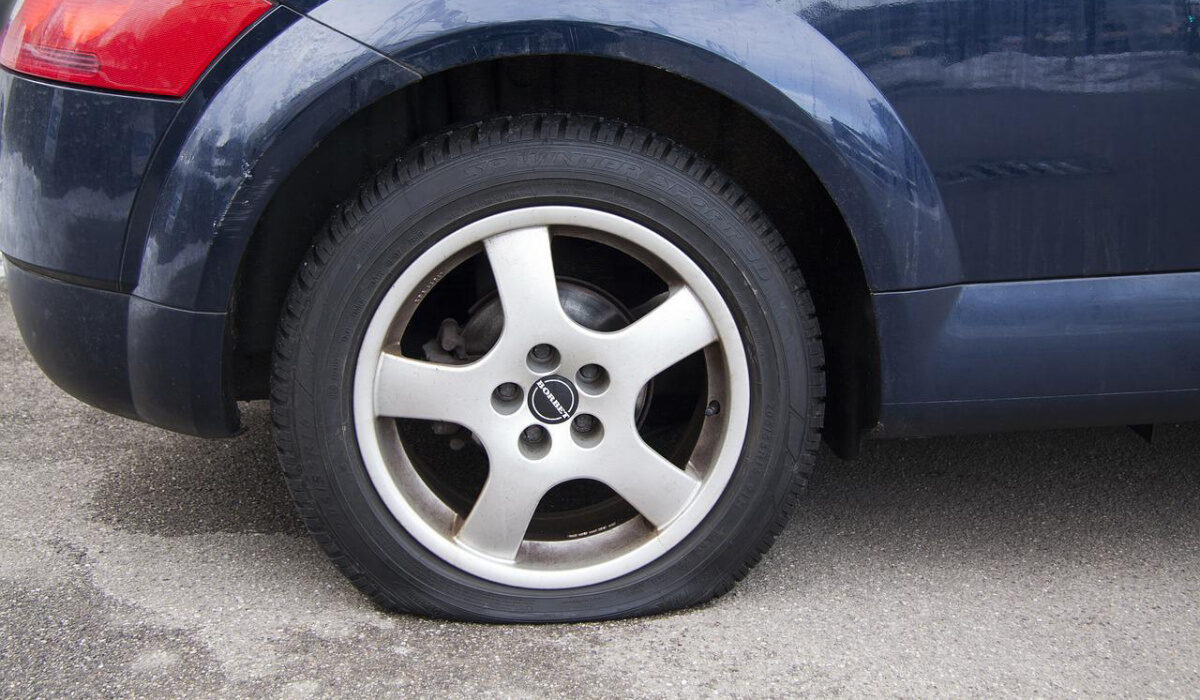
Once a car tire (tyre) loses a large amount of air pressure, it results in a flat. There are several reasons for a flat tire on a car, which could include overuse, improper air pressure, and punctures. Now, driving on such a tire can cause increased wear on the tire and various other damage. Here are some reasons why you should not drive on a flat tire.
YOU COULD DAMAGE THE TIRE BEYOND REPAIR
If a flat tire is driven for long periods of time, it could end up costing you thousands to fix. If the flat was caused by a puncture to the tread, it can generally be repaired. For passenger tires, large cuts, sidewall punctures, and ties with internal damage, a replacement is necessary.
YOU COULD DAMAGE THE RIMS
Driving a flat tire that is completely underinflated means you are driving on your rims. This means you are damaging your rims. This could cause a fire, due to friction between the rim and the road.
YOU COULD DAMAGE THE VEHICLE
If you change a tire when required, it could cause the brake lines, calipers, rotors, suspension components, fenders, wheels and the braking system to suffer damage. This makes it more difficult to stop the vehicle, among other things.
YOU COULD LOSE CONTROLS AND SERIOUSLY HURT SOMEONE
F you continue to drive on an underinflated tire, the car will pull heavily to one side, making it difficult to drive in a straight line. Furthermore, driving on rims could cause the driver to lose control, which could lead to an accident, injury o death to the passengers in the vehicle or those around it.
It is not advisable to drive on tires that have visible defects, such as bumps or bulges on the sidewall of the tire. Other useful habits that help keep your tires in good condition include observance of the following:
Proper tire size, type, and load capacity/range
Proper inflation pressure
Proper vehicle loading
Regular tie rotation
Regular inspection, proper tire repair
Vehicle condition, alignment, and maintenance
Good driving habits
Don’t miss our reviews .
Follow our news on Google News .
Join our WhatsApp Group , to be notified of the most important articles and deals,
Follow us on Instagram , Facebook , Twitter , and YouTube .
Author:Mister Mobility
Digital Skills and Communication Coach | Mobile Phone Connoisseur since 2001 | Tech Blogging since 2004
