Add MobilityArena as a preferred source on Google
When true AI phones arrive, you will have to give up your dependency on a screen and individual apps as the primary means of interacting with your device.
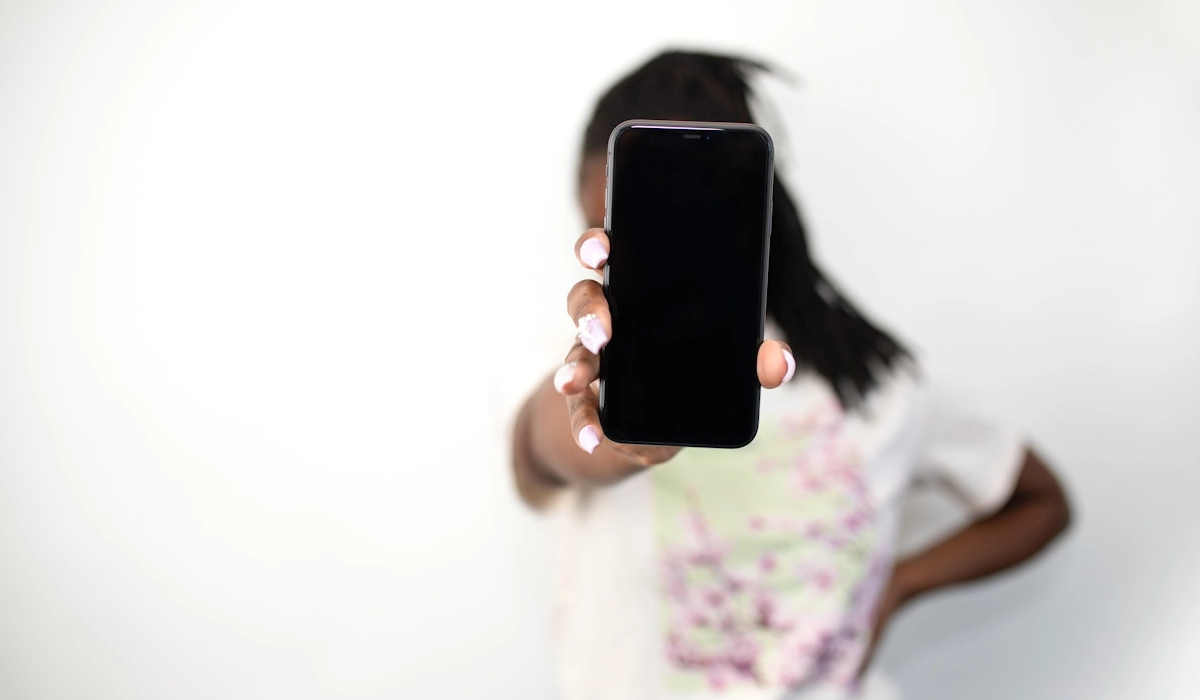
We have seen AI in operation in modern smartphones, but in the future, AI phones will be totally different from how today’s smartphones work.
- Today’s AI Phones
- How we interact with cell phones
- True AI Phones of the future will change that
Today’s AI Phones
What we call AI phones today are an elementary stage in the evolution of the concept of Artificial Intelligence. They are like the early stage embryo of a baby’s development. They are at such an early stage that they look nothing like what the true AI phones of the future will be like.
What we have right now are the same old smartphones that we are used to, infused with a smattering of rudimentary AI features in their cameras, image editors, and voice assistants.
Almost every modern smartphone, from the premium flagship models to entry-level Android phones, has some measure of this features. For photography, they use AI to enhance the camera’s performance, including helping the camera to recognize the scene and adjusts settings for optimal results. That’s the most common implementation of AI in smartphones today.
Thanks to Google, almost every Android smartphone also has AI in Google Photos, so they can carry out a number of smart editing activities, including Portrait, Photo Unblur and Magic Eraser, among others.
Voice Assistants have become the poster boys for Artificial Intelligence in smartphones. Whether you are using Siri in an iPhone or Google Assistant in a Samsung, OnePlus, or Google Pixel phone, talking to your phone and having it speak back to you with intelligent answers is cool, next-generation stuff.
It feels like science fiction come true; right? Almost every futuristic movie has humans speaking to computers and vice versa. Beyond the optics, it is a convenient way of interaction, afterall that is primarily how humans have evolved to interact with one another – by talking.
But what we are experiencing with GA and Siri are still pretty basic, because they are unable to actually carrying out a lot of instructions just by talking. We still need to tap and scroll on those big (and small) screens. Today’s smartphones are still tied primarily to screens.
How we interact with cell phones
The biggest shifts in cell phones have been about how we interact with them. The earliest cellphones had alphanumeric keypads. Then a shift happened when a new generation of phones arrived with QWERTY keyboards, allowing much easier and convenient interaction.
Then the first generation of touchscreen phones arrived with stylus-enabled resistive screens. You couldn’t use your finger to interact with a resistive touchacreen; only a stylus. And after that, the iPhone arrived with a capacitive touchscreen, allowing for even greater interactivity via the screen, and we have been tapping and scrolling on screens ever since then. This will again change with the arrival of true AI phones.
True AI Phones of the future will change that
When these futuristic AI phones arrive, the primary means of interacting with them will not be screens or displays, but voice. Imagine speaking to your phone for everything you want to do – to launch your web browser, login to your blog, type an article, and publish it. Does it sound far-fetched? It will happen. You will not need to pick up your AI phone first in order to use it.
Finally, smartphones will be advanced enough to free up our eyes and hands for other activities, the really important ones – to spend time with our family and loved ones, to work, to play, without interrupting our lives. You would no longer have to stop one thing to pick up your phone for anything. Just talk to it like you would talk to your partner, colleague, or your dog. The phone can stay in your pocket or bag, or on the table all day, except for when you need to read an article or book, or watch a video.
This also means that apps will essentially die. AI phones will not rely on individual apps as today’s smartphones do. You simply talk to your phone to navigate tasks seamlessly without needing to open specific apps.
Also, consider a scenario in which your cell phone understands your ever-changing environment per time, so it can anticipate what you need. Your AI phone knows when you get in the driver’s seat of your car and connects to the car’s onboard system, adjusts the seat, the rear mirrors, temperature, and even does a quick diagnostics of the car to alert you of any potential issues. That is super convenience.
Imagine mentioning that you are hungry and your smartphone responds with a list of nearby spots where you can grab a quick bite. That’s the kind of natural interactions that happen between two humans; isn’t it? That’s the whole idea of Artificial Intelligence, and future AI phones will do it.
When you get in bed at night and out your AI phone down, it adjusts to a night mode, powering down volume for everything else but your wake-up alarm (if you have one set), turns off mobile data or wi-fi (if Google, Apple, and con will ever allow that, considering how they are obsessed with always needing to access your data and location), and adjusts in multiple other ways to conserve data, processing power, and battery.
The same way your friend or partner knows what you like to read and watch, your AI phone will learn from your behavior, interests, and interactions, and recommend books, movies, or activities that it knows you will enjoy. It might seem far-fetched now, buy when that time comes, some will say, “If one has an AI phone, who needs a friend?” Trust me; humans can be crazy like that. I won’t be surprised if that phrase ever becomes a buzz word some day.
The whole idea is that AI phones will radically change how we interact with our devices. It will be mostly free us from looking at and tapping/scrolling through screens. The whole idea of having to manage screen time will largely become a non-issue.
Simply put, true AI Phones will make it possible for you to put your device away. And I can’t wait to see that happen.
Author:Mister Mobility
Digital Skills and Communication Coach | Mobile Phone Connoisseur since 2001 | Tech Blogging since 2004
Add MobilityArena as a preferred source on Google
MIL-STD-810 military-grade devices are built tough, but are they indestructible? Far from it. Everything ever built by humans is destructible. What is it about then, and what does it mean?
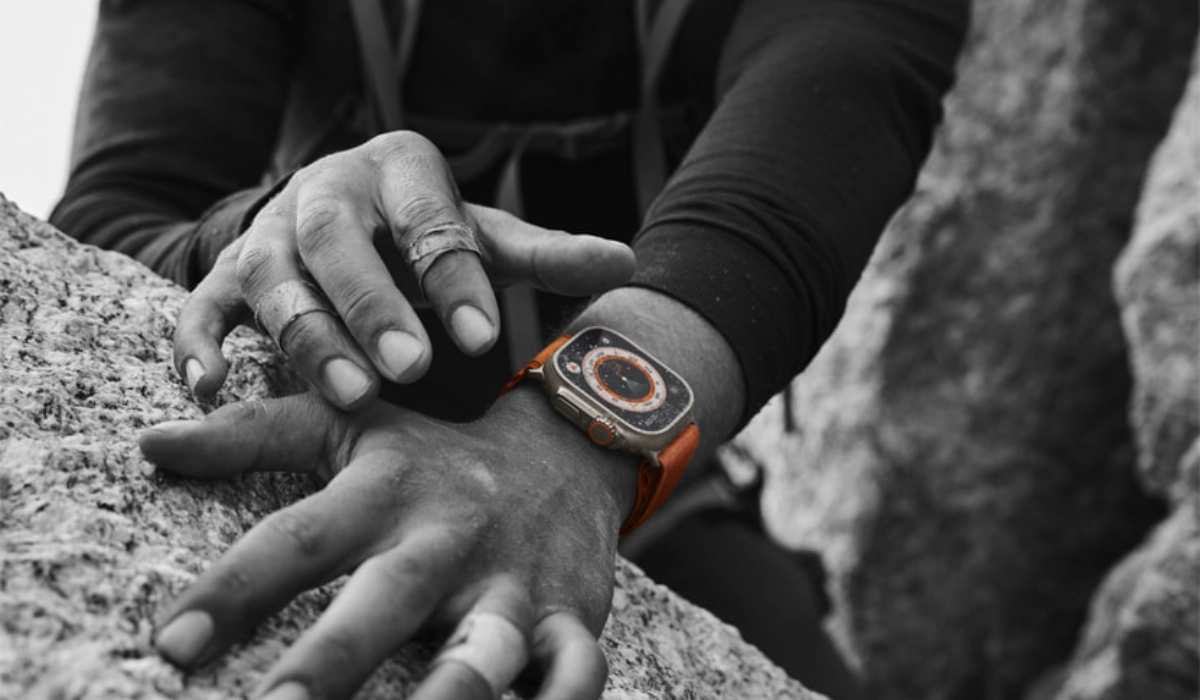
Apple Watch Ultra is an MIL-STD-810H military grade smartwatch
MIL-STD-810 is a comprehensive United States Military Standard that addresses a wide range of environmental conditions. Here are some key aspects covered by this standard:
- Temperature and Temperature Shock : Testing equipment under high and low temperatures, both during operation and storage.
- Rain and Wind-Blown Rain : Evaluating resistance to rain exposure.
- Humidity and Fungus : Assessing performance in humid environments.
- Salt Fog : Testing for rust resistance.
- Sand and Dust Exposure : Ensuring equipment can withstand abrasive particles.
- Explosive Atmosphere : Evaluating safety in potentially explosive environments.
- Leakage : Verifying seals and protection against liquid ingress.
- Acceleration and Shock : Assessing resistance to sudden acceleration and shocks.
- Transport Shock : Simulating shocks during transportation.
- Gunfire Vibration and Random Vibration : Testing resilience to vibrations.
In summary, a MIL-STD-810 smartphone is one that has been tested and confirmed to be able to withstand any of the harsh conditions that it could have to deal with in US military service. This includes testing by replicating actual environmental situations encountered in the field – humidity, rain, water, drops, on sand and rock, among others.
Manufacturers of smartphones who want to serve the market of security personnel, hikers, explorers, engineers, loggers, divers, and indeed anyone involved in tough outdoor environments, design and test the specific phones to these military grade standards. The testing varies from one manufacturer to another and are not confirmed or verified by any independent agency or regulator.
Does this mean that MIL-STD-810 smartphones are indestructible? Far from it. Everything ever built by humans is destructible. Even tanks, armoured up as they are, are destructible. You can break or damage an MIL-STD-810 smartphone if you abuse it hard enough, but for all intents and purposes, it will survive severe conditions like rain, wind, humidity, fungus, rust, sand and dust, explosive atmospheres, and shock, more than the average smartphone.
Does MIL-STD-810 mean that military grade smartphone or wearable are waterproof and dust-proof? While it might be tempting to think that is what it means, it is not so. However, military grade devices also often have official IP water ad dust proof protection, which adds that layer of waterproof and dust-proof to them.
For example, I own an AGM G2 Guardian rugged smartphone ( see my review ). I also used to own a Unihertz Tank, another military grade smartphone ( here is my review ). The G2 Guardian is both military grade and dust/water proof. It has MIL-STD-810H and IP68/IP69K. The IP rating means it can be submerged in water of up to 1.5 meters for up to 30 minute.
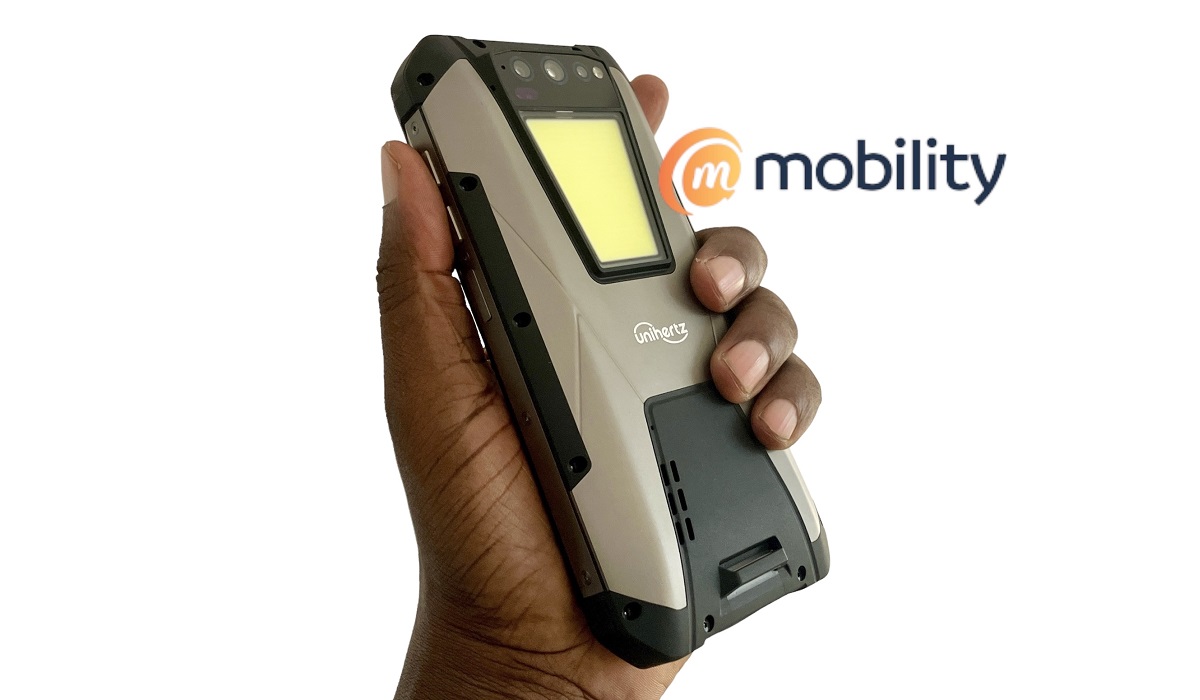
Unihertz Tank military grade smartphone in my hand.
Which brings us to the question: What is the difference between MIL-STD-810 and MIL-STD-810H?
Revised standards
The reason for the different labelling is that the military grade standard keeps being revised over time. MIL-STD-810H, published in 2019, is the most recently revised version of the standard, replacing MIL-STD-810G. It will likely be followed by a further revised version labelled MIL-STD-810I sometime in the future.
List of MIL-STD-810 military-grade devices
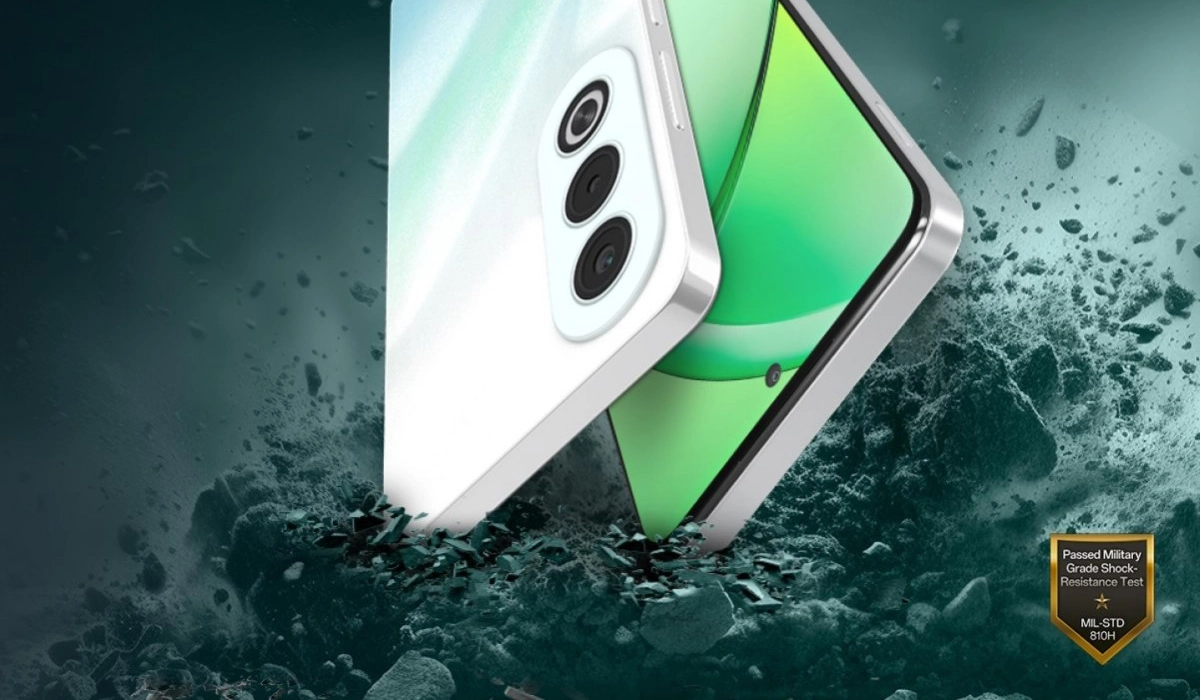
These days, a good number of smartphones, smartwatches and laptops market their devices with claims of being MIL-STD-810 standard. Manufacturers of rugged or industrial smartphones are a core base, but other brands, including Apple and Samsung, are also playing in this territory now.
- Unihertz Tank
- Unihertz Tank 2
- AGM Glory Pro
- AGM G2 Guardian
- AGM X6 Phantom
- Samsung Galaxy Watch 4
- Apple Watch 4nm
- DooGee V Max
- Galaxy Watch 5 Pro
- Samsung Galaxy XCover 6 Pro
- Samsung XCover FieldPro
- Apple Watch Ultra
- OPPO K12x 5G
This list is not exhaustive, but the manufacturers of these devices say that they have been subjected to various measures of tests in high and low altitudes, high temperature, low temperature, temperature shock, immersion, freeze/thaw, shock, and vibration in order to be labelled “military grade”. Note also that there is now way to tell how much testing each product was subjected to.
Remember that a military grade label does not mean that the device in question is water or dust proof, unless the manufacturer includes an official IP rating . It does mean that the device is built tough to withstand extreme conditions better than normal smartphones and wearable devices can. That is all that you can hold the manufacturer to.
MIL-STD-810 military grade devices also tend to be bulkier than the average regular device. In the case of the AGM G2 Guardian, it has a tough rubber armor that keeps it protected from shock if it falls. The Unihertz Tank is built similarly with body armor. As a rule, expect a military grade device to come with some heft; all of that extra toughness has to come from some extra protection built into them.
Lastly, they also tend to cost more than the average device in their class. Yes, building some extra toughness into a smartwatch or smartphones increases the production costs.
Author:Mister Mobility
Digital Skills and Communication Coach | Mobile Phone Connoisseur since 2001 | Tech Blogging since 2004
