Add MobilityArena as a preferred source on Google
From 5G to AI, technological advances continue to stretch our human minds and give us hope for previously unimaginable possibilities. There is no question about tech’s contribution to civilization and our development.
We have witnessed the massive impact technology has on our lives – how it has helped us stay connected and contributed to giving more people hope for endless possibilities. Mobile technology has enabled individuals across different races and tribes to explore new cultures, learn new languages, and erase divides, as we discover our inherent similarities and engage in our now physical-virtual integrated world.
Tech’s contributions to development are visible in developing economies like Nigeria and Kenya, where connectivity and mobile technology aids critical needs. It has resulted in the proliferation of mobile payments and what many know today as the Fintech industry. Fintech has provided access to finance and empowered vulnerable lower-income groups for business and living.
For example, within the first three years of the launch of the renowned mobile money platform, M-PESA, adoption grew by 40 percent, including previously unbanked populations within the financial system. More people living in cities could send money home to families living in less developed communities without the concerns of funds being intercepted.
In the same vein, mobile technology has strengthened education and health access. Edutech and health tech have gained prominence in the past few years and even more with physical distancing and lockdown restrictions. Students are connecting with educators through mobile technology and gaining new skills using online learning platforms, while doctors are now more empowered to reach patients and save lives through telemedicine – all from the comfort of their homes and offices.
Mobile technology continues to enhance the everyday lives of people around the world. We now depend on technology to make our daily activities more seamless. The reality of the COVID-19 health crisis makes this more apparent. Many people believe that our world’s economies have leaped five years ahead than previously thought possible. Because of this increasing dependence, our core values of trust and security have become even more relevant today. We design products not only for convenience but for the greater good.
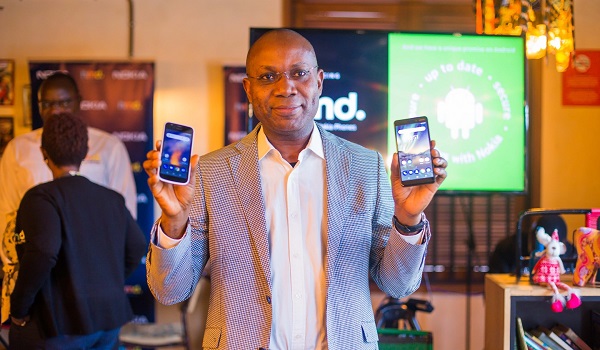
Developing technology for good is at the heart of our work with Nokia smartphones, at HMD Global. We understand that mobile technology and connectivity play a crucial role in maintaining connections, facilitating access to improved education, financial services, and healthcare. More importantly, with the right technology, we can protect against malicious attacks that leave users vulnerable to erosion of their privacy and security.
That is why we are committed to providing the best in software and security upgrades for our consumers and enterprises that choose our devices and accessories. Nokia mobile devices have led the trust rankings for the second year running , with the most frequent software and security updates for several years.
Our products are built to last and designed with human happiness in mind. As a result, we encourage more positive uses of mobile technology to make daily impact; this way, inspiring change for a better society. For example, since 2020, we have worked with different personalities across the globe to explore the power of change in just 48 hours – especially the power of embracing and creating change in the moment – and are excited to see the impact this has made locally.
This year, as we experience the changes that our environments bring and seek to solve the apparent challenges, we believe through technology, we can discover the pathway to continuously interact and share our learnings for a better world.
For more information, follow HMD Global, the home of Nokia phones on Instagram and Facebook or visit www.nokia.com/phones .
Author:Content Partner
Add MobilityArena as a preferred source on Google
Apple released the iOS 13 to considerable fanfare in 2019, with fans and critics alike welcoming this iOS eagerly. However, after a number of weeks, different bugs and stability issues surfaced, forcing users who’d installed this iOS version to seek for fixes and solutions in different places.
Today, we will take a look at some of the more common iPhone software problems on a wider scale (not just the iOS 13) out there and how to fix them. Just before we dive headlong to see what’s on the plate, we will advise you to always keep your device up to date, as this can help you keep some of the bugs away. That said, let’s take a look at some of the more common iPhone software problems and some of its possible solutions.
- Keyboard freezing while typing: One of the more common iPhone software problems that has lingered, this issue occurs intermittently in different iPhones, which is a major source of worry for its owners. If your keypad is freezing intermittently, you can try toggling off Zoom in your phone settings, as this could help take care of this issue and make your device operate more smoothly.

Certain apps not opening up properly: An issue that may spring up from a number of causes, this occasionally happens with iPhones, as certain apps just refuse to open. If you notice this with a particular app, you can try uninstalling the app or better still, reset your smartphone. To do this, go to Settings > General > Reset > Reset all settings.
iPhone freezing during update: A bit like the keyboard conundrum, this is an occasional head-scratcher for certain iPhone users. You can bypass this by rebooting your device, then trying the update again.
- Battery drain issues: A rather common issue with the iPhone, this glitch may be due to a number of factors, including a new update. You see, when you newly update your iPhone, the new OS needs to go through a number of system operations to bring your device up to date with some of the new features the update may bring. Aside that, a battery that drains quickly may be the result of certain heavy apps or games. If you’ve been battling this issue, you can follow these tips to improve the situation.
- Plug in your device and wait for a while. It could also help to turn on the Wi-Fi and ensure it is connected, in a few hours your device should return to normal. This method is particularly useful if you are restoring a heavy volume of data from iCloud or synchronizing data from a number of sources.
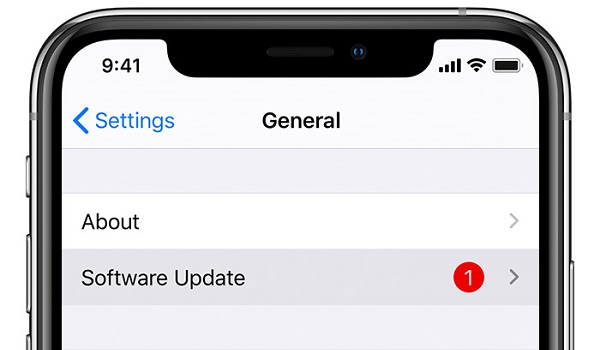
- Check your device for updates by going to Settings > General > Software Update . Some software updates feature fixes for certain bugs, meaning that a software update may be helpful in this instance.
- Check out the apps putting the most strain on your battery. Go to Settings > Battery , if you notice any app that you don’t use often putting a significant strain on your battery, uninstall the app.
- Toggle the Raise to Wake feature off. This feature uses your iPhone’s accelerometer, meaning that your screen may be on more than you know. To turn it off, go to Settings > Display & Brightness > Raise to Wake .
- If none of the above tips are helpful, you may just need to try a forced reboot of your iPhone.
While these tips are helpful with common iPhone software problems, hardware problems need a different approach, as you’d likely need to visit an Apple care center or see a certified technician.
Author:Alfa Baye
Staff Writer
