Add MobilityArena as a preferred source on Google
Winter in Canada isn’t for the faint of heart—between the freezing temperatures, snow-packed roads, and biting winds, it’s enough to make anyone second-guess a drive. And if you own an electric vehicle (EV), you already know winter can throw a few extra curveballs your way. Cold weather doesn’t just make things uncomfortable—it can really affect how your EV runs. That’s where things get interesting. How cold weather affects EV performance isn’t just about reduced range—it impacts everything from battery efficiency to how fast (or slow) your car charges. You might notice your EV taking longer to charge, your battery draining quicker than usual, and the cabin heating using up more power than you’d like. Suddenly, that morning commute feels a bit more unpredictable. But here’s the good news: once you understand how cold weather affects EV performance , there are plenty of ways to outsmart the chill. Pre-conditioning your car while it’s still plugged in, keeping it parked in a garage when possible, and driving more efficiently are just a few tips that can make a big difference. So don’t let winter put a freeze on your driving plans. Knowing how cold weather affects EV performance—and what you can do about it—means you’ll stay in control, no matter how frosty it gets outside.

- The Cold Truth: How Winter Saps Your EV’s Power
- Tips to Keep Your EV Running Strong in the Cold
- What About Battery Longevity?
- Real-World Canadian Experience
- Conclusion

The Cold Truth: How Winter Saps Your EV’s Power
Reduced Battery Capacity and Range Cold temperatures slow down the chemical reactions inside lithium-ion batteries, meaning your EV’s battery can’t hold or deliver as much charge. Research shows that EV drivers can expect 15-40% less range in winter compared to summer. The Canadian Automobile Association (CAA) found that EVs drove 14 to 39 percent fewer kilometers in sub-zero conditions during real-world tests. So, if your EV’s official range is 300 km, you might only get around 180-260 km in the cold.
Longer Charging Times Charging a cold battery is like trying to fill a frozen water bottle—it just takes longer. Lithium-ion batteries prefer a cozy 60-80°F (15-27°C) to charge efficiently. When cold, charging speeds can slow down dramatically, sometimes doubling the time it takes to reach a full charge. This means your quick pit stop could turn into a coffee break.
Extra Energy Drain from Heating Unlike gas cars that use waste heat from the engine, EVs rely on battery power to heat the cabin. Running the heater, defroster, and heated seats can gobble up a significant chunk of your battery, further reducing your driving range.
Tips to Keep Your EV Running Strong in the Cold
Preheat While Plugged In One of the simplest and most effective tricks is to precondition your EV while it’s still plugged in. Use your car’s app or onboard timer to warm the battery and cabin before you hit the road. This way, the energy for heating comes from the grid, not your precious battery charge.
Keep Your Battery Between 20% and 80% Avoid letting your battery drop below 20% or charging it to 100% all the time. Cold weather puts extra strain on batteries, and maintaining this range helps preserve battery health and ensures you have enough juice to handle unexpected detours.
Use Seat Warmers and Heated Steering Wheels Instead of blasting the cabin heater, use targeted heating like seat warmers and heated steering wheels. They consume less energy and keep you cozy without draining your range.
Charge During the Warmest Part of the Day If you can, schedule charging sessions during daylight hours when temperatures are relatively higher. Even a slight temperature bump can improve charging efficiency.
Invest in a Level 2 Charger and Heated Garage A Level 2 home charger offers faster, more efficient charging compared to standard outlets. If you have the option, park your EV in a heated garage or use a thermal cover to protect it from extreme cold.
Drive Smoothly and Plan Ahead Gentle acceleration and regenerative braking help conserve battery power. Also, plan your trips with extra buffer for charging stops and reduced range.
What About Battery Longevity?
Repeated exposure to extreme cold can stress your EV’s battery and potentially shorten its lifespan. However, most modern EVs come equipped with thermal management systems that heat or cool the battery to keep it in an optimal temperature range. Features like heat pumps also improve energy efficiency by using outside air to warm the cabin with less battery drain.
Real-World Canadian Experience
The CAA’s winter road tests showed that while all EVs lose range in cold weather, some models handle the chill better than others. For example, the Chevrolet Silverado EV and Polestar 2 only saw about a 14% drop in range, outperforming many competitors. So, choosing an EV with good cold-weather performance can make a big difference.
Conclusion
Yes, winters can be tough, and how cold weather affects EV performance is something every Canadian driver should be aware of. But the good news? With a little planning and some smart habits, your EV can handle the chill just fine. Preheating your vehicle, charging strategically, and leaning into the latest EV technology can make all the difference. How cold weather affects EV performance doesn’t have to be a dealbreaker—it’s just part of the learning curve. Think of it like layering up before heading out: a little prep goes a long way. So, as you sip your morning coffee and head out into the snow, remember: understanding how cold weather affects EV performance is the key to enjoying electric driving all year round.
Author:Ifeoluwa Adeleke
Add MobilityArena as a preferred source on Google

- Design: Minor Tweaks, Major Familiarity
- Health and Fitness: The Real Upgrades
- Software and Compatibility: Android-Only, and Proud
- Battery Life and Charging: Steady as She Goes
- What’s Staying the Same?
- Should You Upgrade?
- Conclusion
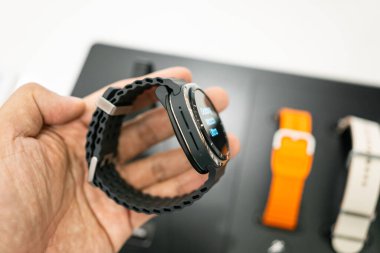
Design: Minor Tweaks, Major Familiarity
If you loved the original Galaxy Watch Ultra’s bold, rugged look, you’re in luck—the 2025 model keeps the DNA intact. Samsung has opted for a minor design refresh rather than a full makeover. Think of it as your favorite leather jacket getting a new lining: familiar, comfortable, but with subtle improvements.
- Build: Titanium frame remains, ensuring durability without the weight of a small boulder on your wrist.
- Bezel and Buttons: Slight refinements to the rotating bezel and buttons for a smoother feel and better tactile feedback.
- Display: Same large, bright AMOLED screen with Gorilla Glass Victus 2 protection—because who wants a cracked watch face after a weekend hike?
In short, if you’re rocking the original Ultra, you won’t feel like you’re wearing a completely different watch, but you’ll appreciate the thoughtful polish.
Health and Fitness: The Real Upgrades
Here’s where the 2025 Galaxy Watch Ultra steps up its game. Samsung is introducing a new blood glucose monitoring sensor, a feature that’s been eagerly awaited by health-conscious users and those managing diabetes. While it’s not a full replacement for medical devices, this sensor offers convenient, on-the-go insights that can help you better understand your body’s responses throughout the day.
Improved sleep tracking is another highlight. The new Ultra uses enhanced AI algorithms to provide deeper analysis of your sleep stages, breathing patterns, and even stress levels. It’s like having a mini sleep coach on your wrist, minus the annoying wake-up calls.
Other health features like heart rate monitoring, SpO2, ECG, and body composition analysis remain top-notch, ensuring the Ultra continues to be a comprehensive wellness companion.
Software and Compatibility: Android-Only, and Proud
Samsung sticks to its guns with Android-only compatibility for the Galaxy Watch Ultra. Sorry, iPhone users—this isn’t the Apple Watch, and Samsung isn’t trying to be. But for Android aficionados, the Ultra offers seamless integration with Samsung Health, Google services, and the ever-improving One UI Watch 8 interface.
The 2025 model comes preloaded with the latest One UI Watch 8 OS, featuring smoother animations, better battery optimization, and enhanced Galaxy AI capabilities. If you’re a fan of voice commands, smart notifications, and customizable watch faces, this update keeps the Ultra feeling fresh and responsive.
Battery Life and Charging: Steady as She Goes
Battery life remains solid, with the Ultra delivering around 3-5 days depending on usage—a respectable figure for a smartwatch packed with sensors and a bright display. Charging speeds haven’t dramatically changed, but Samsung’s reliable fast charging means you can top up quickly when needed.
What’s Staying the Same?
- Rugged durability: Waterproof, dustproof, and ready for adventure.
- Display quality: Bright, sharp, and easy to read even in direct sunlight.
- Fitness tracking: Comprehensive and accurate, covering everything from running to scuba diving.
- Pricing: Expect a premium price tag consistent with last year’s model, reflecting the Ultra’s flagship status.
Should You Upgrade?
If you’re a health data junkie excited about blood glucose monitoring or want the latest sleep tracking tech, the 2025 Galaxy Watch Ultra is worth considering. But if you already own the original Ultra and are happy with its performance, the minor design tweaks and software updates might not justify an immediate upgrade.
Conclusion
The Samsung Galaxy Watch Ultra 2025 isn’t trying to reinvent the smartwatch—it’s simply making a great thing even better. Think of it like your favorite hiking boots getting upgraded with a tougher sole: same reliability, more endurance. With improved features, a rugged design, and a strong focus on health and performance, it’s built to keep up—whether you’re in a boardroom or on a mountain trail. For Android users who want a smartwatch that truly delivers, the Samsung Galaxy Watch Ultra 2025 is hard to beat. It’s smart, strong, and ready for anything. If you’re after a dependable wearable that fits every part of your day, the Samsung Galaxy Watch Ultra 2025 is still one of the best choices out there.
