Add MobilityArena as a preferred source on Google
If there was one thing that drew me to cell phones and smartphones after I completed my university education back in the late 90s, it was the idea of using wireless technology in business. I had zero interest in being an employee, and so knew that to succeed as an entrepreneur, I was going to have to embrace digital technology in a cutting edge way.
Wireless technology refers to any number of digital solutions that allow for communication without wires. This places connected mobile phones, mobile carriers, Wi-Fi services, VoIP, and the like, all under the umbrella of wireless technology.
Using Wireless Technology In Business: My story
In my own case, based on the unique circumstances of my location, the most logical wireless tool for me to adopt and deploy for business was the cell phone. In the early 2000s, smartphones were not yet mainstream. It could be argued that PDA-style phones like the Nokia 9230 Communicator, Motorola Accompli A008, and Ericsson R380s, all which I put to use, were precursors of modern smartphones.
Those devices had no app stores, but they had built-in software that made them fit for business, and I was fascinated by that. And so it was that I embraced them and began to put them to use. The Motorola A008 Accompli was my first deployment.
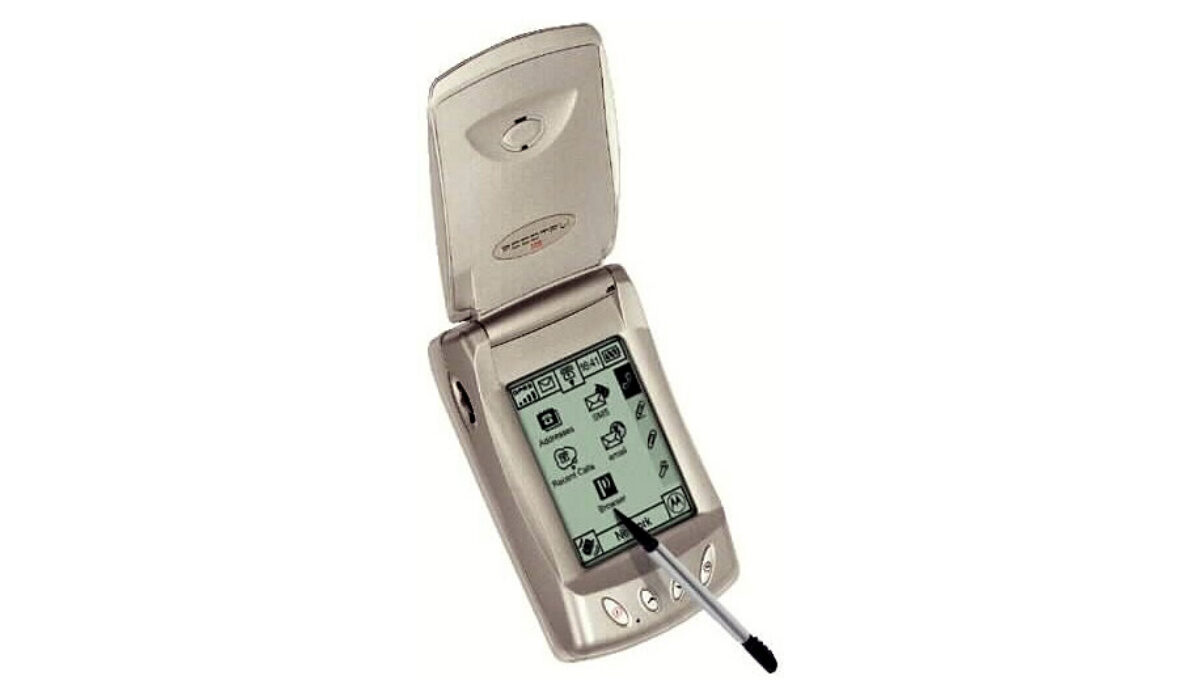
Obtaining a Motorola A008 Accompli was my first step in deploying wireless technology in business in the early 2000s
How did I go about it and what did I do? In the early 2000s, Internet service was expensive, and mobile networks were new in the country. Most people who used the Internet patronised cyber-cafes. I was one of those. But I kept looking for opportunities to improve efficiency.
You see, I was offering website development and support services at the time, meaning that I didn’t know when I had mails unless I went to a cyber cafe. I had to go multiple times daily to keep up. It was stressful and inefficient.
Eventually, I got wind of news that one of the mobile networks was offering dial-up mobile Internet. This was before the era of GPRS, EDGE, 3G, etc. I bought myself the Accompli, hunted down the configuration settings for the dial-up service, and configured my email on the phone. This was a cutting edge solution at the time. 99.9% of the population had no idea this was possible.
I had the email app setup to dial in to the server every hour on the dot to pull in new email and send any mails I had in my outbox. This was POP mail back then, in contrast to the Always-On, pull service that IMAP offers today.
Did it work? It did! It worked so well that my clients back then – over 400 individuals and businesses spread across 24 states – all thought that the business was a big, well-founded operation with support staff working round the clock. The efficient response times and customer support that I provided, single-handedly, at the time could only have been otherwise pulled off by a team.
But using wireless technology in business at that time gave me that big edge over competitors. The business grew. I later pivoted to running MobilityArena to educate more people about what is possible with mobile wireless technology.
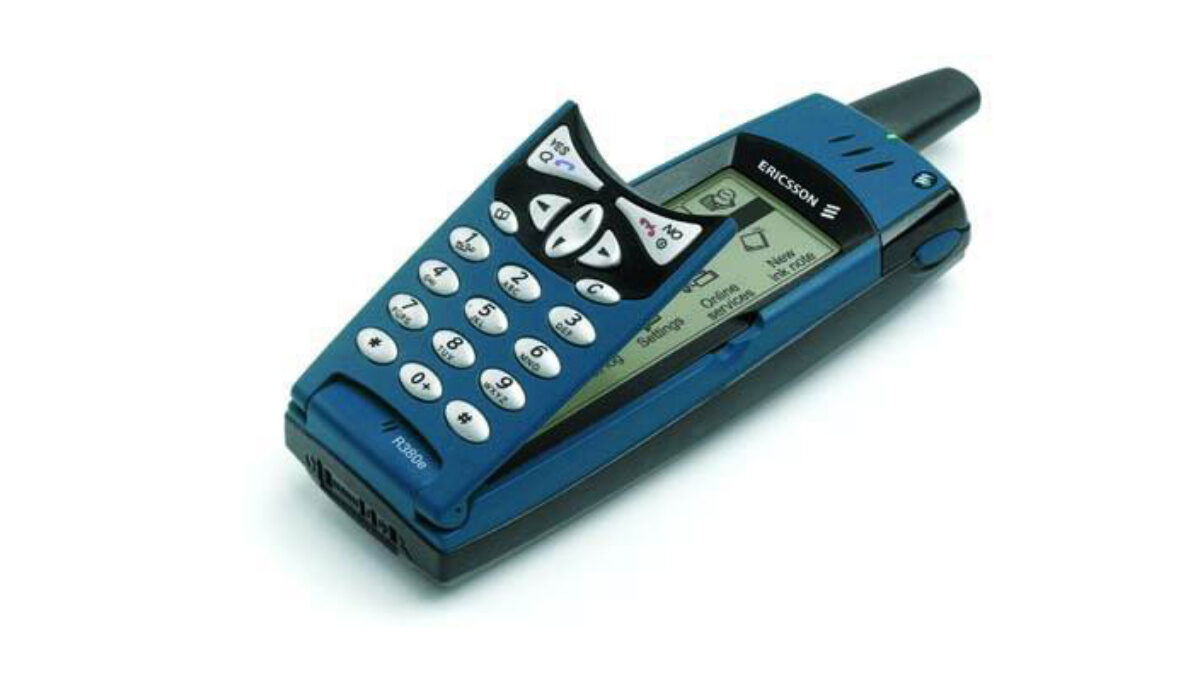
Ericsson R380s was another mobile tool I deployed to use wireless technology in business.
I repeated the same principle when GPRS and its follow-up standards arrived. More advanced mobile devices keep being made and released as well. Today, we have wireless hotspots at locations around the country. We have 3G and 4G networks, and 5G services are on the way.
It does not matter what new technologies show up; wireless is the present and the future. We are getting wireless charging already. The convenience of being able to get things done without plugging in a cable is something everyone acknowledges.
Bluetooth, mobile networks, smartphones, routers, mifi, WiFi, NFC, Internet of Things (IoT) devices, and other new technologies will turn the world of business into one giant wireless, interconnected ball.
Today, wireless technology is no longer a novelty as it was in the early 2000s, as it has now been widely adopted. But whether you are a freelancer, an entrepreneur, or you run some other business team, using wireless technology in business will keep you competitive, even if it no longer gives you an edge.
- Don’t miss our reviews .
- Join our WhatsApp Group , to be notified of the most important articles and deals,
- Follow us on Instagram , Facebook , Twitter , and YouTube .
Author:Mister Mobility
Digital Skills and Communication Coach | Mobile Phone Connoisseur since 2001 | Tech Blogging since 2004
Add MobilityArena as a preferred source on Google
The Moto Edge X30 fascinates me. My fascination with it isn’t just because it is the first phone to use the Snapdragon 8 Gen 1 chipset. After all, other similarly-equipped phones are already popping up.
Instead, it starts with the looks, extends all through the specs and features, and hits a climax with the pocket-friendly price. In summary, this package is solid value for money. This is a phone I want. The sad news was that it was released in China. And now, the good news is here: it is coming to international markets as Motorola Edge 30 Pro. Exact same design and specs, but with a different name.
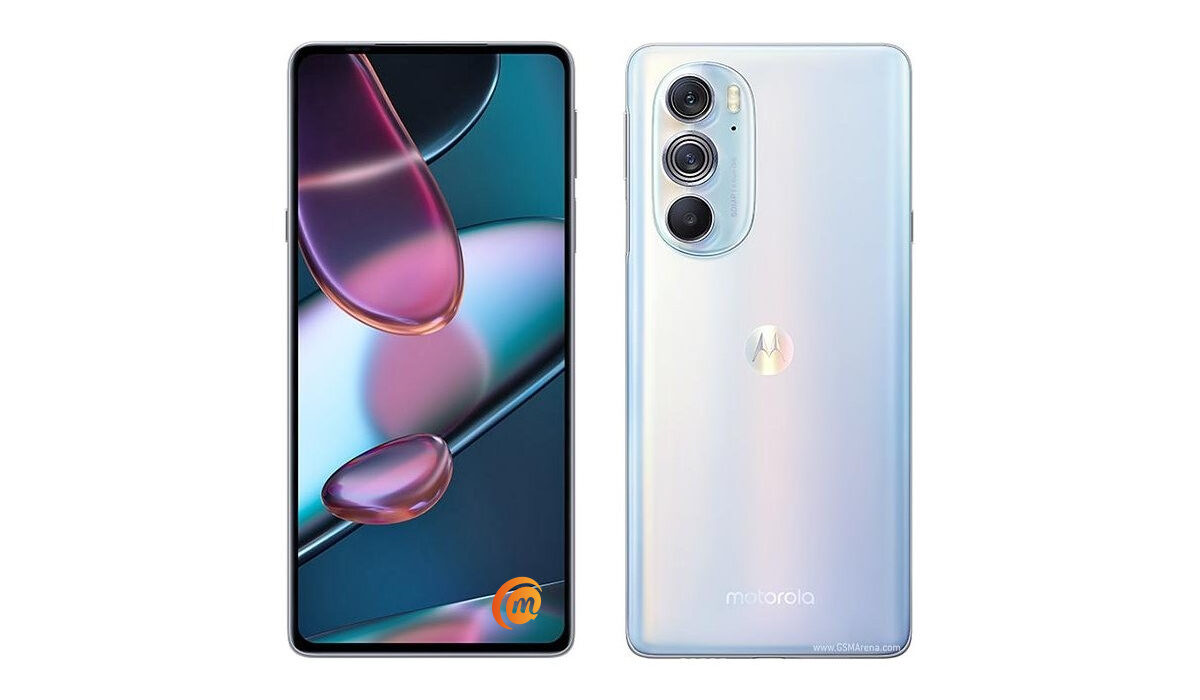
Motorola Edge 30 Pro
A rose, by any other name, remains a rose. The Motorola Edge 30 Pro is the very same device that has held my attention. What is in a name?
Motorola Edge 30 Pro Specs
Key specs of the Edge 30 Pro include the following:
- Android 12
- 5G wireless network
- 6.7-inch 1080×2400 pixels, 144 Hz refresh rate, OLED touchscreen, with Gorilla Glass protection
- 60 MP selfie camera
- Qualcomm Snapdragon 8 Gen 1 5G SoC
- 8/12GB of RAM
- 128/256GB of built-in storage
- 50 MP main lens with OIS + 50 MP ultrawide lens + 2 MP depth sensor
- 4,800 mAh battery
- 68W fast charging (zero to 100% in 35 minutes).
- 15W wireless charging
- 5W reverse wireless power sharing
- Colours: Cosmos Blue, Stardust white.
How much is Motorola Edge 30 Pro in India?
It was launched in India with a retail price of ₹49,999.
How much is Motorola Edge 30 Pro in Europe?
it was launched in Europe at €799 for the 12 GB + 128 GB variant.
What is not to like? I already have an earlier article in which I extolled the virtues of the Moto Edge X30. If the phone interests you, do check that out.
Which specific markets is it coming to? I have no information about that yet. I will update this article with any new details about the international availability of the Motorola Edge 30 Pro as more information becomes available.
But in the meantime, Yes! This is great news, and I can’t wait to get my hands on it.
- Don’t miss our reviews .
- Join our WhatsApp Group , to be notified of the most important articles and deals,
- Follow us on Instagram , Facebook , Twitter , and YouTube .
Author:Mister Mobility
Digital Skills and Communication Coach | Mobile Phone Connoisseur since 2001 | Tech Blogging since 2004
