Add MobilityArena as a preferred source on Google
Apple’s iPhones have a reputation for years of support after their releases. By support, I mean iOS software updates, bug fixes, and security patches. The whole essence of this kind of support is that iPhones do not become obsolete quickly, because they continue to receive new features for years. The question is, How many years of iOS software updates do iPhones get?
- How many years does Apple continue to update an iPhone with iOS software updates after release?
- How many years will the iPhone 15 Pro Max get iOS updates?
- How many years will the iPhone 14 Pro Max get updates?
- What of iPhone 13 series and older iPhones?
How many years does Apple continue to update an iPhone with iOS software updates after release?
Typically, it is five years, though there is no official statement to this effect. In some cases, Apple has issued iOS software updates for longer than that. But it is safe to keep your eyes on five years. Let’s explore the implications of this on each iPhone.
May 2024 Update : Thanks to the UK’s Product Security and Telecommunications Infrastructure (PSTI) regulation, Apple has issued an official stement to say that its official support policy is “a minimum of five years from the first supply date.” That’s a minimum of five years from when each model first ships. So, now we have a clear, official line from Apple.
How many years will the iPhone 15 Pro Max get iOS updates?
The iPhone 15 Pro Max and it’s siblings, the iPhone 15 Plus, iPhone 15 Pro, and the iPhone 15, all hit the market with iOS 17. Five years of updated means each of them will get up to iOS 22, at the least. They will get iOS 18, iOS 19, iOS 20, iOS 21, and iOS 22. You can read my iPhone 15 Pro review or watch the video review .
If you own one of the iPhone 14 series, your device will get updated to iOS 17, iOS 18, iOS 19, iOs 20, and iOS 21. Yes, 5 years of iOS software updates.
What of iPhone 13 series and older iPhones?
The iPjone 13, iPhone 13 Pro, and iPhone 13 Pro Max all were released with iOS 15. They have received iOS 16 and iOS 17 already, as at press time. They will get updated all the way to iOS 20.
The iPhone SE 2022 was also released with iOS 15 and so will get the same supported updates as the iPhone 13 series.
Similarly, iPhone 12 series will get updated all the way to iOS 19, and iPhone 11 series will get updated to iOS 18.
Like the iPhone 11 series, the iPhone SE 2020 was released with iOS 13 and so will also get updated with versions 14, 15, 16, 17, and 18 of iOS.
As at 2024, iPhone X, XS, and XR models, along with older models like the iPhone 9, 8, 7, and 6 series, have reached the end of their support cycles. As such, they are no longer being supported with iOS software updates.
All of the above projections are based on the proven 5-year update cycle for past Apple iPhones. Apple might change things up a bit, especially now that competitors like Samsung and Google are officially supporting their devices for up to 7 years of Android software updates.
Author:Mister Mobility
Digital Skills and Communication Coach | Mobile Phone Connoisseur since 2001 | Tech Blogging since 2004
Add MobilityArena as a preferred source on Google
HMD Global began releasing smartphones under its own brand name this year and I have been keeping an eye on things. Up till now, the company had announced nothing that really triggered my interest. Every model that has been announced has been pretty mundane entry-level Android smartphones. But the upcoming HMD Skyline has some interesting specs and features that place it higher up in mid-range territory.
Take the Qualcomm Snapdragon 7s Gen 2 chipset used in the Skyline, for example. It isn’t among the most powerful midrange chipsets around, but it offers decent performance in the territory and includes 5G connectivity. There is also a 120Hz refresh rate OLED display, under-display fingerprint scanner, IP67 certification for dust and water resistance, 8GB RAM, stereo speakers, a 32MP selfie camera, and a 108-megapixel rear camera. It will run Android 14 out of the box, and there is also 33W fast charging.
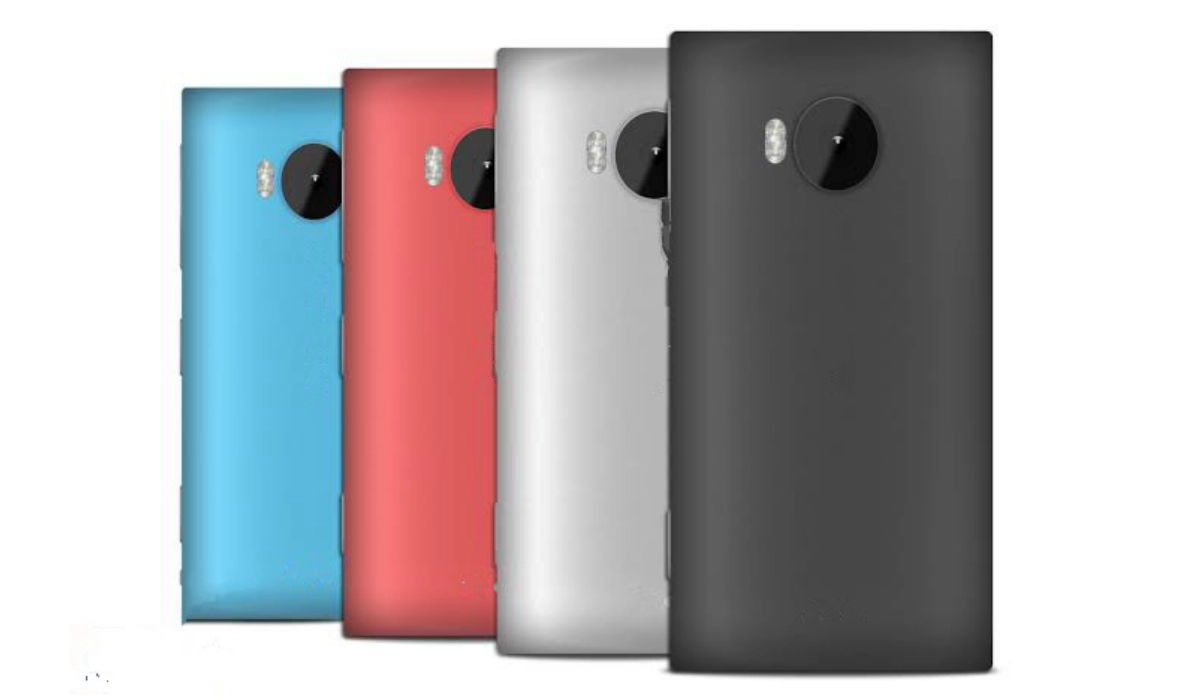
HMD Skyline will have a fabula design familiar from Lumia phones.
What is no surprise to me is that HMD Skyline has a fabula design familiar from Lumia phones. I saw indications of this from the images that HMD Global released ehen announcing that they would make phones under their own brand name.
HMD Skyline is a dual-SIM device and reports say it will cost around €520 when it hits the market in June 2024.
Earlier, HMD had announced the Pulse, Pulse+, Pulse Pro, Aura, and XR21 (a rebrand of the Nokia XR21). The Skyline is the most high-end device in the portfolio so far, and what is known of the specs makes it an exciting phone to look forward to.
I hope to see more higher end devices from HMD Global. Or at least some devices with interesting features that excite. Every brand needs something exciting to develop mindshare in today’s competitive market. The post-Microsoft Nokia phones failed at that. Nothing Technologies is nailing it. Even hitherto small Chinese phone brands like TECNO and Infinix used the same approach to grow. I hope that HMD does not drop the ball this time. Give the market phones that excite users in some way.
Author:Mister Mobility
Digital Skills and Communication Coach | Mobile Phone Connoisseur since 2001 | Tech Blogging since 2004
