Add MobilityArena as a preferred source on Google
The autocorrect typing function has two sides – the convenience it brings when it suggests words and makes typing faster, and the annoyance it arouses when it gives the wrong words and causes typos and grammatical errors.
Perhaps you’ve also experienced autocorrect errors that entirely distorted the sense of a message you were trying to send. This can get frustrating, but luckily, there’s a fix. It’s easy to change the autocorrect settings on Android and iOS devices, or entirely turn the function off.
This article will walk you through the steps required to change the autocorrect settings on Android and iOS devices. So take advantage of these instructions to prevent spelling and grammatical errors typically brought on by autocorrect.
How Can I Change Autocorrect Settings on an Android device?
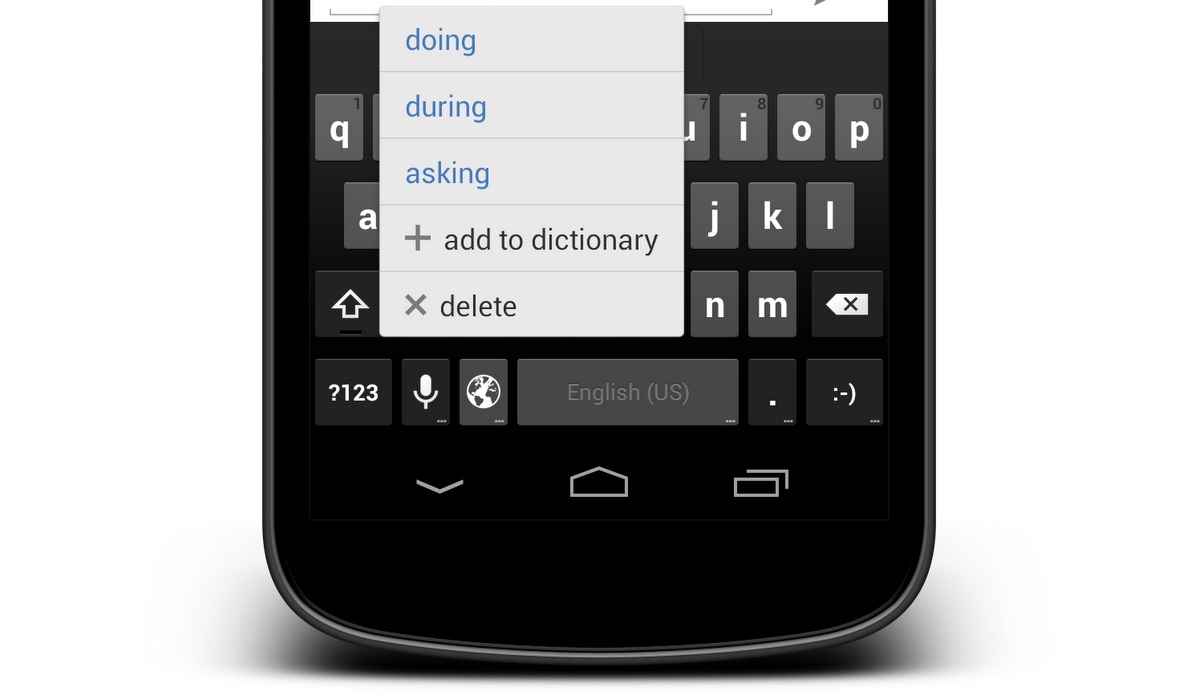
Let’s take a look at some of the ways to change the autocorrect settings if you’re using an Android smartphone:
Option One: Change the autocorrect Settings on Android using the settings menu
Almost all recent Android smartphones allow you to customize the autocorrect settings for each keyboard. If you have multiple keyboard apps installed, you can customize settings for each one separately.
Follow these steps:
- To activate or turn off autocorrect on your Android phone, go to System > Languages & Input . Languages and Input may be referred to by a different name on your device, such as Language and keyboard .
- Under Languages and Input , look for the Virtual Keyboard (or On-screen keyboard/Manage keyboards ) option. Android will typically list all the keyboard apps installed on your phone under the Virtual keyboard .
- Select the keyboard you wish to change the autocorrect settings for by tapping on it, whether it’s your normal keyboard or another one.
- Tap on the Text correction option to get the Auto-correction setting. Some keyboard programs may lack the Text correction option and instead display the Auto-correction setting. In any case, enable or disable it as desired, and you’re good to go.
Note : The auto-correction feature for Samsung phones is called Auto replace (for older generation Samsung devices) which can be found under Smart Typing . Newer ones call the Autocorrect feature “ Predictive text .”
Option Two: Change the Autocorrect settings on Android using the Keyboard
You can also access the keyboard settings to change the autocorrect settings on Android without having to navigate all the way through the Settings menu.
To open the keyboard settings, look for the gear icon on top of the keyboard and click on it. After entering the keyboard settings, select the option to enable or disable autocorrect.
You can also manually add new words for your keyboard to recognize under Dictionary , including any word that is not in a normal dictionary, such as your unique pet names or any of the many acronyms you may want to use.
Other alternatives are also available in the Text Correction section. For instance you can select the option to Block offensive words to avoid mistakenly sending anything you shouldn’t. The aesthetics of how auto-correction works are controlled by the Show suggestion strip and Next-word suggestions options. To make typing easier, you can also enable Auto-space after punctuation, Auto-capitalization , and Double-space full stop .
How to Change the Autocorrect Settings on iPhone and iPad
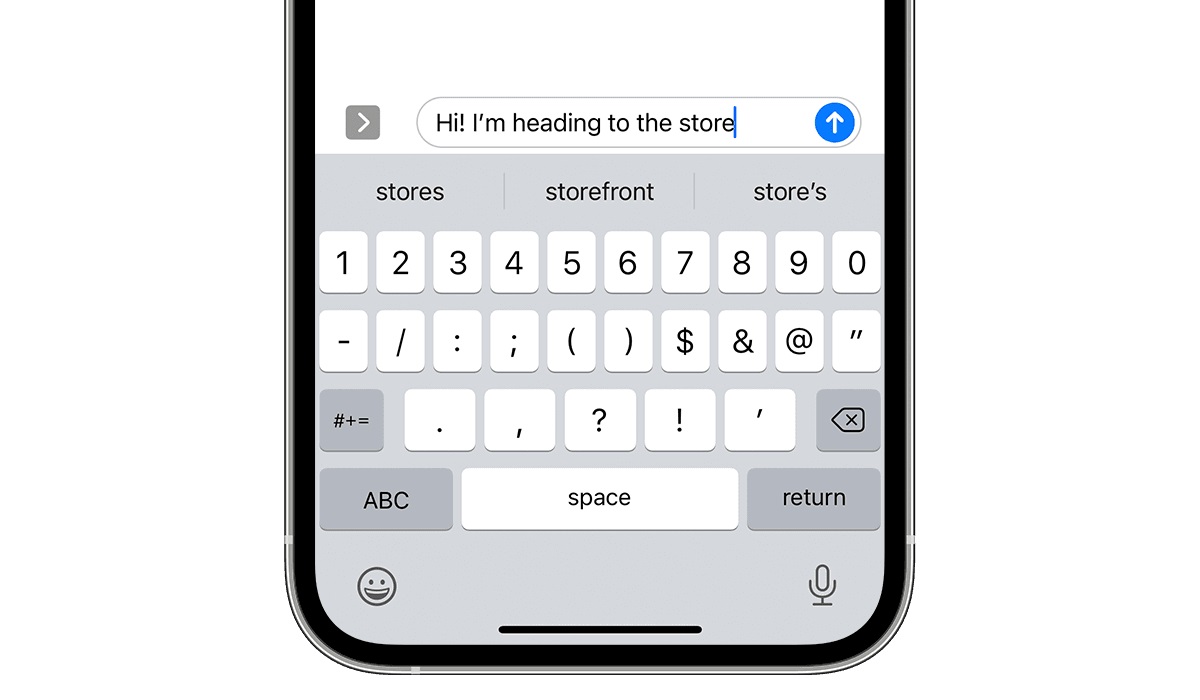
Autocorrect on iPhone
In Apple’s iOS settings, you can enable or disable autocorrect for the built-in keyboard. Third-party keyboards, on the other hand, require you to change the autocorrect settings by launching their app. For example, if you use Gboard as your primary keyboard, you’ll need to visit the Gboard app to change the autocorrect settings.
Option one: Change the Autocorrect settings on the iOS keyboard
- Navigate to the Settings menu.
- Select General > Keyboard .
- You may now toggle auto-correction on or off, but note that it’s usually on by default
Option two: Change the Autocorrect settings in Gboard or a Third-Party Keyboard.
- Launch Gboard or another keyboard application.
- Select Keyboard settings .
- Turn the auto-correction feature on or off
Improve the Dictionary by Adding Words or Phrases
If you don’t want to disable autocorrect on your iPhone, you can add words or phrases to the built-in dictionary instead.
- Navigate to Settings > General > Keyboard .
- Select Text Replacement
- Click the + (plus) icon and enter the desired words or phrases in the Phrase box.
- Click save. Once saved, the words or phrases will no longer be marked as inappropriate.
In summary, it’s pretty easy to change the autocorrect settings whether you’re using an Android or iOS device. Simply follow the above step-by-step guide carefully to get the best results.
- Don’t miss our mobile phone reviews .
- Join our WhatsApp Group , to be notified of the most important articles and deals,
- Follow us on Instagram , Facebook , Twitter , and YouTube .
Author:Joan Agie
Add MobilityArena as a preferred source on Google
iPhones are incredibly dependable devices, but even the finest devices may fail from time to time. One of the most feared issues is the “White Screen,” also known as the “White Screen of Death,” which keeps your iPhone frozen with just white light visible on the screen.
Fortunately, this isn’t as permanent as it might seem and you can easily fix a white screen on your iPhone by following a number of straightforward steps. In this article, we will look at what causes this issue and different solutions you can try to fix a white screen on your iPhone.
- What Causes an iPhone’s White Screen?
- How Can I Fix a White Screen on my iPhone? Disable iPhone’s Zoom Function Hard Restart Try out Recovery Mode and Restore From Backup
What Causes an iPhone’s White Screen?
Why does the white screen appear? There could be numerous reasons. The most common reasons are:
- A failed software update : A failed software update may result in a White Screen. When you try to upgrade the operating system on your iPhone, the update may fail and the screen may go blank, displaying nothing but white.
- A hardware issue : In some cases, the software is not to blame. A connection linking the iPhone’s motherboard to the screen may become loose or even break, resulting in the White Screen of Death on the iPhone. This is a hardware issue that might occur if the phone is dropped accidentally.
How Can I Fix a White Screen on my iPhone?
Whatever the source, let’s look at some possible remedies to fix a white screen on an iPhone.
Disable iPhone’s Zoom Function
Before trying any other solutions to fix a white screen on iPhone 11, 12, or 13, make sure you haven’t accidentally enabled the Zoom feature. It’s possible that you zoomed in on a file or image, giving the impression that something is wrong with your iPhone.
If this is the case, simply double-tap the screen with three fingers together to zoom out. Then go to Settings > Accessibility and turn off the zoom function. If this doesn’t work to fix the white screen, proceed to the other solutions.
Hard Restart
Restarting the phone usually suffices to fix a White screen on iPhones. However, if a standard restart is ineffective, then consider trying a hard reset, which is a more forceful restart. Additionally, this kind of reset increases memory space without erasing the iPhone’s data.
Check out the detailed methods below to fix a white screen on an iPhone by doing a hard reset:
For iPhone 8/X/XS/XR/11/12/13/14: Press and swiftly release the Volume up button, then press and quickly release the Volume down button. Next, press and hold the side button until the Apple Logo appears (ignore the power off slider) and then release it. Wait for your phone to restart afterward.
For iPhone 7 or 7s: Press and hold both the Volume down button and the Sleep / Wake buttons at the same time. Release both buttons when you see the Apple logo.
For iPhone 6s or iPhone SE (1st generation): Hold the Sleep / Wake and Home buttons down at once. When you see the Apple logo, release both buttons.
Try out Recovery Mode and Restore From Backup
If none of the options above work to fix a white screen on your iPhone, the next step is to boot the iPhone into recovery mode. You can use Recovery Mode to fix any software problems you might be having. It will allow you to reinstall iOS and restore backed-up data to your iPhone.
To fix a white screen on an iPhone through this method, you’ll need a computer with iTunes installed, and then you’ll need to do the following:
Step 1: If you’re using iTunes, ensure you have the most recent version.
Step 2: Launch Finder on a Mac running macOS Catalina. Next, launch iTunes on a Mac running macOS Mojave or earlier, or on a PC. If iTunes is already open, close and relaunch it.
Step 3 : Remain connected to your device and wait for the recovery mode screen to appear.
- For iPhone 8/X/11/12/13/14 :
Quickly press and release the Volume Up button. Press and release the Volume Down button quickly. Then, press and hold the side button until the recovery mode screen appears.
- For iPhone 7 and 7 Plus :
Hold the Volume Down and Top (or Side ) buttons down simultaneously. Press and hold until you the recovery mode screen shows up.
- For iPhone 6s or earlier:
Press down and hold the Home and Top (or Side ) key. Hold them down until the recovery mode screen is visible.
Step 4: Continue to hold the Side , Volume Down , or Home buttons until the iTunes logo appears. It indicates that your phone has entered recovery mode.
Step 5: A window will appear in iTunes, offering you the option to Update or Restore the phone. To resolve the issue, please click Update .
Step 6: Restore your device from a backup.
In conclusion , if you’ve attempted all these methods and still can’t fix a white screen on your iPhone, you’ve probably got a problem that needs a professional’s expertise. You should contact Apple to schedule a support appointment at your local Apple Store.
