Add MobilityArena as a preferred source on Google
With all the recent EV Subsidy Changes across the U.S. and Canada, shopping for an electric vehicle might feel a bit like decoding fine print. The incentives that once made EVs more affordable have shifted, leaving many drivers wondering how to get the best deal without draining their wallet. Don’t worry — you’ve got this. This guide breaks down everything you need to know about EV Subsidy Changes, helping you spot the real value amid the buzz. From understanding which models still qualify for benefits to learning how these EV Subsidy Changes affect long-term ownership costs, we’ll help you shop smarter, not harder. So plug in, stay informed, and get ready to roll out with confidence.
- What is it with EV Subsidy Changes, and What Does It Mean?
- Step 1: Check If Your Preferred EV Model Qualifies
- Step 2: Determine Your Driving Needs and Style
- Step 3: Consider Total Cost of Ownership
- Step 4: Size Up Charging Options
- Step 5: Test Drive and Get Tech-Savvy
- Step 6: Keep an Eye on New Models and Deals
- Conclusion

What is it with EV Subsidy Changes, and What Does It Mean?
Both the U.S. and Canada have recently revised their EV subsidies to encourage more sustainable vehicle adoption while tightening eligibility criteria. This means not all models qualify for the hefty tax credits or rebates you might have expected. So, while subsidies are still around, you’ve got to pick your ride smartly to maximize savings.
Step 1: Check If Your Preferred EV Model Qualifies
Start by verifying which EVs still qualify for federal tax credits in the U.S. or rebates in Canada. Manufacturer thresholds, battery sourcing, and final assembly rules can impact eligibility. Websites like the U.S. Department of Energy and Natural Resources Canada keep updated lists — bookmark them, study them, maybe even dream about them.
Step 2: Determine Your Driving Needs and Style
Are you an urban commuter zipping through city traffic, or a weekend adventurer logging hundreds of miles on highways? Your EV choice should fit your lifestyle. Compact EVs like the Chevy Bolt or Nissan Leaf might suit city folks, while longer-range models like Tesla’s Model Y or Ford Mustang Mach-E cater to road trippers.
Step 3: Consider Total Cost of Ownership
Sticker price isn’t everything — factor in insurance, maintenance, expected battery life, charging costs, and local incentives. An EV with a slightly higher upfront cost but longer range and better warranty might save more over time. Don’t forget to peek at the resale value, too.
Step 4: Size Up Charging Options
How easy is it to keep your EV juiced? If you have a home charger, do you have a dedicated parking spot? For others, proximity to public fast chargers and the availability of compatible charging networks are key. Check apps like PlugShare to scout chargers near home, work, or frequent destinations.
Step 5: Test Drive and Get Tech-Savvy
It’s not just about numbers — driving feel, tech features, infotainment, and advanced driver-assistance systems (ADAS) matter. Get hands-on with models you like. Bonus points if you nerd out on battery management systems and efficiency ratings.
Step 6: Keep an Eye on New Models and Deals
Conclusion
Choosing the right electric vehicle today means keeping an eye on how EV Subsidy Changes affect your options and budget. With governments updating incentives and qualifications more often than ever, staying informed is key. By tracking EV Subsidy Changes, comparing models wisely, and using smart tools to guide your decision, you can find the perfect EV that fits both your lifestyle and your finances. So, stay alert to EV Subsidy Changes — because understanding them could be the difference between a good deal and a great one.
Author:Ifeoluwa Adeleke
Add MobilityArena as a preferred source on Google
One of the biggest advantages — and occasional headaches — of driving an electric vehicle is figuring out where and how to charge it while you’re out and about. Whether you’re cruising across Canada’s scenic highways or darting through bustling U.S. streets, understanding the Fast-Charging Network can make all the difference. This guide will walk you through everything you need to know about using public chargers efficiently, so you can spend less time waiting and more time driving. From locating stations to maximizing your battery’s lifespan, you’ll get the tips and tricks to master the Fast-Charging Network with ease. So grab your charging cable and a sense of adventure — it’s time to tap into the Fast-Charging Network like a true EV pro.
- Understanding Fast-Charging Network: What’s the Big Deal?
- Step 1: Find the Right Charging Network
- Use Apps and Websites
- Know Your Connector
- Step 2: Plan Your Route Smartly
- Step 3: Understand Charging Costs and Payment
- Step 4: Master the Charging Process
- Step 5: Avoid Common Charging Mistakes
- Bonus Tips for Canadian and U.S. EV Drivers
- Conclusion
Understanding Fast-Charging Network: What’s the Big Deal?
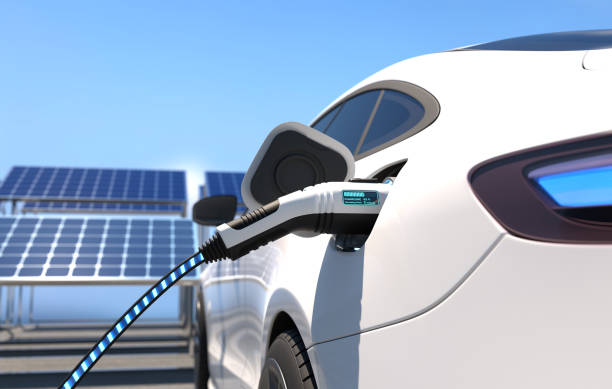
Fast chargers (DC Fast Chargers) can juice up your EV battery way quicker than the Level 2 chargers at home. Instead of hours, you’re looking at 20-40 minutes for a substantial charge — enough time to grab a coffee or snap some scenic photos on road trips.
Step 1: Find the Right Charging Network
Use Apps and Websites
- PlugShare: The go-to app that maps thousands of charging stations across North America, complete with user reviews, real-time availability, and connector types.
- ChargePoint: Great for locating public chargers worldwide, with detailed info on charging speeds and fees.
- Electrify America & Electrify Canada : These networks operate ultra-fast charging hubs specially designed for rapid highway charging. The app lets you reserve spots in advance.
- Tesla Supercharger Network: For Tesla owners stealing the show with their exclusive fast chargers.
Know Your Connector
EVs come with different charging connectors like CCS, CHAdeMO, and Tesla’s proprietary plug. Most networks list which connector types they support — no fun plugging into the wrong port.
Step 2: Plan Your Route Smartly
Before you hit the road, plot your journey using apps like Google Maps that now integrate EV charging stops. Plan your pit stops around places with cafes, food courts, or scenic views—because quick charging on an empty stomach is a recipe for hangry driving!
Step 3: Understand Charging Costs and Payment
Charging stations vary — some are free, some require membership, and others operate on pay-per-use or subscription models. Mobile apps usually handle payments, but it’s smart to have multiple apps installed for flexibility. Keep an RFID card handy if your preferred network supports it for faster access.
Step 4: Master the Charging Process
- Park and connect: Follow station instructions and securely plug in.
- Authenticate: Use the app, RFID card, or credit card to start charging.
- Monitor: Check charge status via app notifications, so you don’t overstay and get those dreaded idle fees.
- Unplug and be on your way!
Step 5: Avoid Common Charging Mistakes
- Trying to charge where your connector doesn’t fit — learn your EV’s charging port!
- Ignoring charging etiquette: don’t hog the charger once your battery is near full.
- Not having backup charging options when the station is full or offline — always have a Plan B!
Bonus Tips for Canadian and U.S. EV Drivers
- Canada tends to have fewer public fast chargers in remote areas — charge fully before long rural stretches.
- The U.S. offers dense networks along interstate highways but watch for network compatibility if you have a non-Tesla EV.
- Keep an eye out for new government-funded fast charging infrastructure projects rolling out in 2025 — they aim to fill in the gaps.
Conclusion
Getting the most out of your electric vehicle means knowing how to plug into the right Fast-Charging Network at the right time. With a little planning, the right apps, and a solid grasp of your EV’s charging needs, finding power on the go becomes second nature. Whether you’re cruising through busy city streets or taking a long weekend road trip, a reliable Fast-Charging Network keeps you moving with confidence. So plan ahead, stay charged, and let every stop on the Fast-Charging Network bring you one step closer to truly effortless EV travel.
