Add MobilityArena as a preferred source on Google
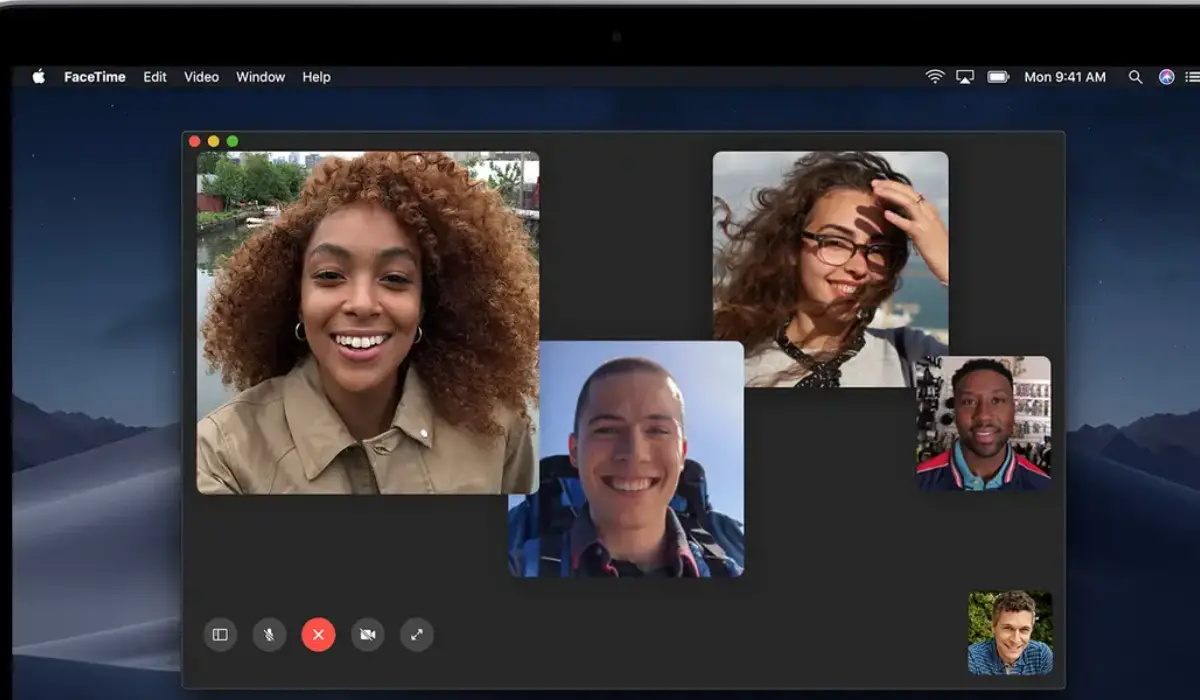
FaceTiming on macOS makes it easy to join meetings, communicate with friends, and receive phone conversations on your Mac. All you need is a Mac with your Apple ID signed in to take advantage of the app’s numerous features.
In this article, I’ll show you how to FaceTime on your Mac in different ways. Depending on the situation, you’ll find some of the options more convenient than others.
What Are the Different Ways to FaceTime on Your Mac?
I’m sure you know how to make FaceTime calls on your Mac, but did you realize there are different ways to do so? Without further ado, here are the several ways to FaceTime on your Mac.
Make a Hands-Free FaceTime Call with Siri
You can use Siri to make FaceTime calls once you’ve figured out how to use it on your Mac. Siri provides a hands-free way to FaceTime on your Mac, eliminating the need to touch your computer or switch apps to make a FaceTime call.
To FaceTime on your Mac with Siri, follow these steps:
- To begin, make sure Ask Siri is enabled in System Settings > Siri & Spotlight by toggling the Ask Siri button and choosing Enable .
- Ensure that the “ Hey Siri ” toggle is turned on as well.
- To begin a FaceTime video call with anyone in your contacts list, simply say, “ Hey Siri, FaceTime
.” - To start a FaceTime audio call instead, say, “ Hey Siri, place a FaceTime audio call to
.”
Please take note that if your iPhone is close by, telling Siri to “ call
Use The FaceTime App
On a Mac, the FaceTime app is the default way to use FaceTime. You’ll see the icon, a white camera in a rounded green square visible on the Dock.
When you open the app, you have two options to FaceTime on your Mac: one uses a meeting link, and the other involves calling your contacts.
- To create a link for a FaceTime meeting that you may share with others, choose the Create Link option
- Choose New FaceTime to select a saved contact or type in an email or mobile number.
You can either click FaceTime to start a FaceTime video call or click the dropdown arrow next to the FaceTime button to start a FaceTime audio call after choosing your desired contact from the New FaceTime window.
Use Your iPhone
You can switch calls between your Mac and iPhone as long as they’re both logged into your Apple ID and connected to the same Wi-Fi network. As an example, you might initiate or answer a call on your phone and then transfer it to your Mac—and vice versa.
Here’s how to go about this method to FaceTime on your Mac:
- On your iPhone, set up FaceTime, then dial a number.
- During the conversation, press the audio icon (a megaphone) to bring up a pop-up menu, then choose your Mac from the list.
- You can also choose the notification to shift the call to your Mac when it shows up on your Mac.
If for some reason FaceTime doesn’t work on your iPhone, check out this guide to fix it.
During an iMessage Conversation
Through iMessage, you can also start a FaceTime call with someone you are texting. This is an excellent option to FaceTime on your Mac because you can easily switch an existing iMessage conversation into a call.
To FaceTime on your Mac in this manner, follow the instructions below:
- While in a Messages chat, move your cursor to the menu bar and select conversation.
- Depending on your preferences, choose FaceTime Video or FaceTime Audio from the drop-down panel.
Using Shortcuts
Shortcuts are an excellent method to combine multiple custom actions into a single process on your Mac. Here’s how to set up a custom shortcut to FaceTime on your Mac with your favorite contacts using a single click:
- Open Spotlight ( Cmd + Space ), type Shortcuts , then press Return key.
- To create a new shortcut, click the plus ( + ) button in the toolbar of the Shortcut app.
- In the search bar on the right, type “ FaceTime ,” and then move the result into the page.
- In the Shortcuts action, select the Contact field and select the person you want to call.
- Then, press the FaceTime field and select Ask Each Time . The command should now change to Call Type .
- By clicking the Info ( i ) button on the right, choosing Details , and turning on the Pin in Menu Bar toggle, you can add your shortcut to the menu bar.
- Rename your shortcut by highlighting the shortcut’s name at the top of the window and then entering in a new name.
- The shortcut you just created and renamed will launch when you select it after clicking the Shortcuts icon in the menu bar.
You can FaceTime on your Mac with as many FaceTime shortcuts as you want using the instructions above. Feel free to use a bit of creativity when choosing your combination.
To conclude, there are different ways to FaceTime on your Mac, and you can sort through the suggestions above to see which one works best for you. And because it’s integrated into macOS, it’s absolutely free and more optimized than any third-party choice.
Author:Joan Agie
Add MobilityArena as a preferred source on Google
These are exciting times. In my lifetime, I have gone from dreaming about commercial space travel to witnessing the first of such flights happen. Though, none of the advanced propulsion systems that I read about as a teenager are in use yet, if I live long enough, perhaps I shall become a space tourist myself one day.
In the early years, it was a mad race between the United States’ NASA (National Aeronautics and Space Administration) and the Soviet Union’s space programme. And for a while, the Soviets kicked American butts badly, though the U.S. later turned the tables.
- The evolution of space travel
- Modern space travel: A tale of 3 billionaires
- Milestones in space travel
- The race for commercial space travel is hinged on one thing: Reusable Launch Vehicles
- Who is winning the race for commercial space travel?
The evolution of space travel
I am now in my way 50s and still find space travel fascinating. The players have changed a lot since the 1980s, though. Space travel has gone from being a competition between government agencies to a competition between private companies. The three leading (most visible) space travel companies today are SpaceX, Blue Origin, and Virgin Galactic. Let me tell you a bit about them.
Modern space travel: A tale of 3 billionaires
When you think of space travel, Blue Origins is likely not the first name that comes to mind. A name like NASA or SpaceX might come to mind first. While NASA was a true pioneer from as far back as the 1970s, they are a government agency. Today’s space race is now largely on the hands of private organisations.
SpaceX was founded in 2002 by American billionaire CEO of Tesla, Elon Musk.
Virgin Galactic was founded in 2004 by British billionaire, Richard Branson, who became the first billionaire to fly to space.
You might ask, Why are these three leading space travel companies owned by billionaires? Well, space exploration is highly capital intensive. In other words, it is extremely expensive and requires a certain amount of financial buffer that only billionaires (and governments) possess to pull off.
Milestones in space travel
Here is a quick timeline of how the dash for space has been till date.
On October 4, 1957, the Soviet Union made the first space flight when they launched the earth’s first artificial satellite, Sputnik I. It was unmanned.
In 1959, once again, the Soviets beat the U.S. to putting the first man-made object on the moon. This was an unmanned flight, as well.
And on April 12, 1961, Yuri Gagarin from the Soviet Union became the first human in space. His vehicle, Vostok 1 circled Earth at a speed of 27,400 kilometers per hour and completing one orbit around Earth in 108 minutes.
On July 20, 1969, American astronaut, Neil Armstrong, became the first human to set foot on the moon. The U.S. was in the lead, for the first time, in the race for space domination. They have kept that lead since then till date.
On April 28, 2001, Dennis Tito became the first space tourist after paying a whopping $20 million. He made a successful seven-day trip to the International Space Station (ISS). The original trip was supposed to be to the Soviet space station, Mir, but that station crashed to earth. The Soviets then flew him to the ISS instead, causing not a little discomfort internationally.
On June 21, 2004, a company called Scaled Composites, funded by Paul Allen, achieved the first entirely privately funded crewed flight to space. It can be argued that it was at this point that private commercial space travel was born. Scaled Composites and Virgin Galactic had a joint venture that the latter eventually bought out. Scaled Composites has been acquired by Northrop Grumman.
On the 11th of July 2021, billionaire Richard Branson made a successful sub-orbital spaceflight as member of the Virgin Galactic Unity 22 flight.
And on the 20th of July, 2021, billionaire Jeff Bezos made a successful sub-orbital spaceflight on Blue Origin’s NS-16. 2021 was the year of the billionaires in space, except that Elon Musk didn’t complete the list.
The race for commercial space travel is hinged on one thing: Reusable Launch Vehicles
Early space rockets were not reusable. During launch, the flight itself, and then re-entry to the atmosphere, huge parts of these vehicles burnt out because of the tremendous heat involved and so were discarded. In order for space travel to become much more affordable, space ships had to become like aeroplanes. They had to become reusable.
As the term suggests, a reusable launch vehicle (or reusable spaceship) is a space-going vessel that can be recovered and reused for another flight, thereby reducing the cost of space travel. NASA pioneered this with the Space Shuttle, a plane-like spaceship that could land back on earth after each trip and then be used again for subsequent space trips.
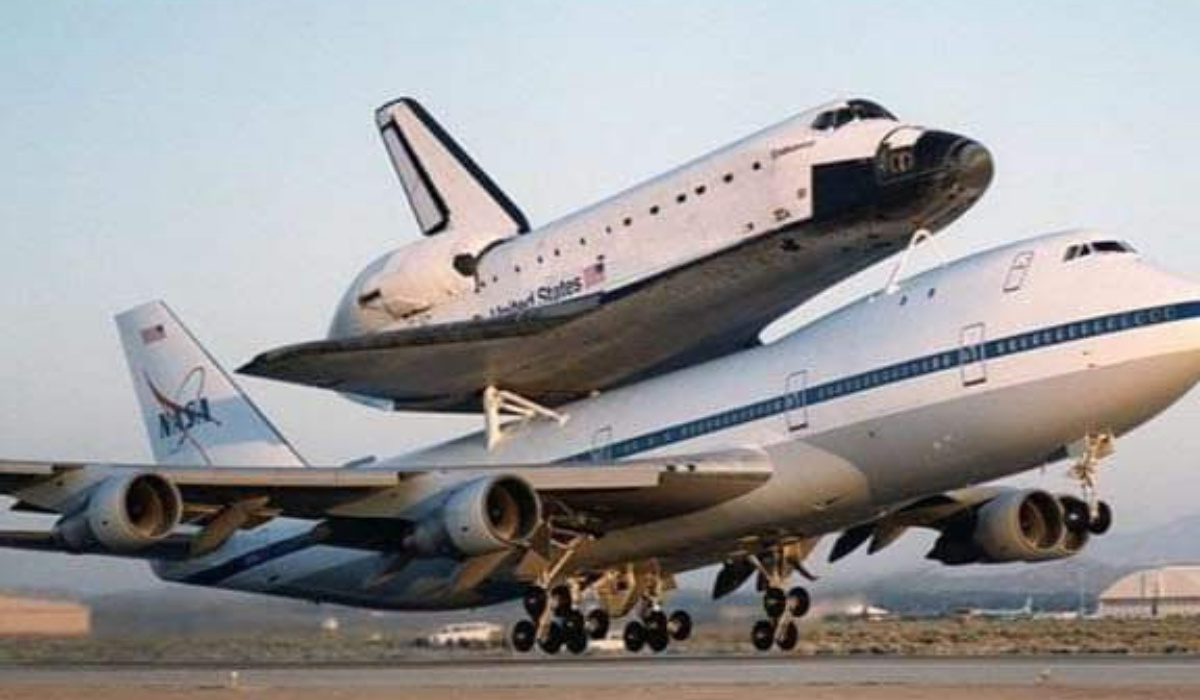
The Space Shuttle sits on top of a regular airplane for take-off
The Space Shuttle was retired by NASA in 2011. As a side note, I have visited the NASA space museum in Houston, Texas and seen the early space rockets as well as the Space Shuttle. Fabulous works of engineering they are. I have included below, photos of the different types of reusable space vehicles used by the three contenders for commercial space travel.
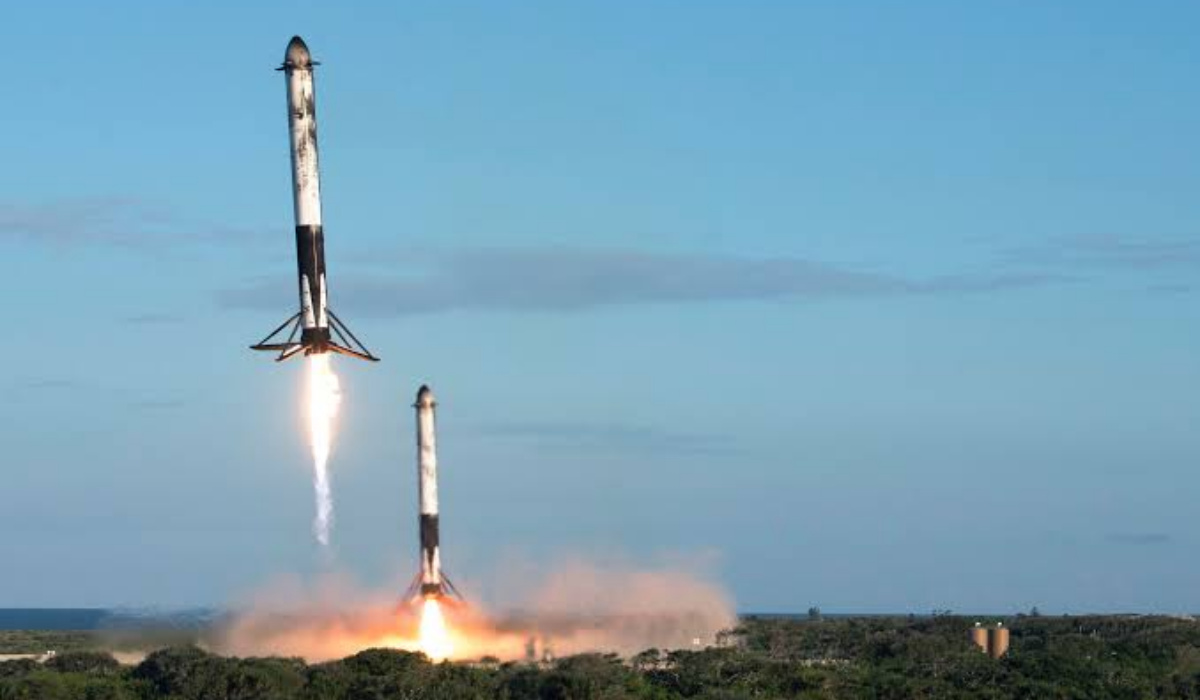
SpaceX’s Dragon Falcon rockets during a landing
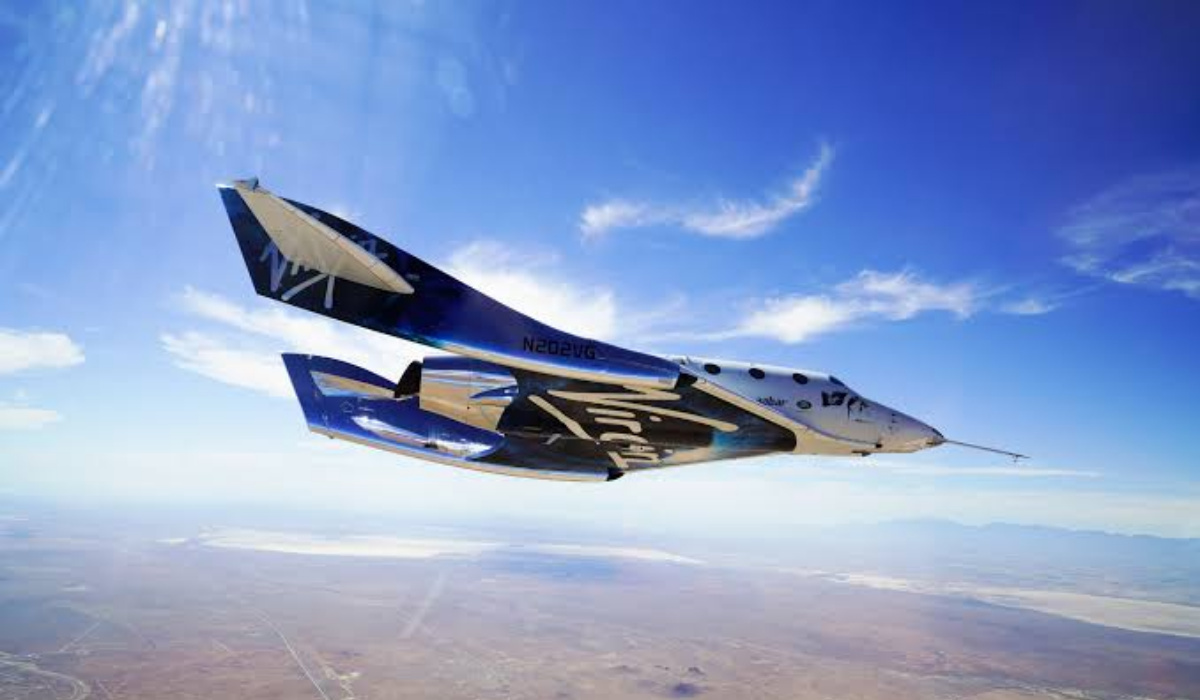
Virgin Galactic’s SpaceShipTwo
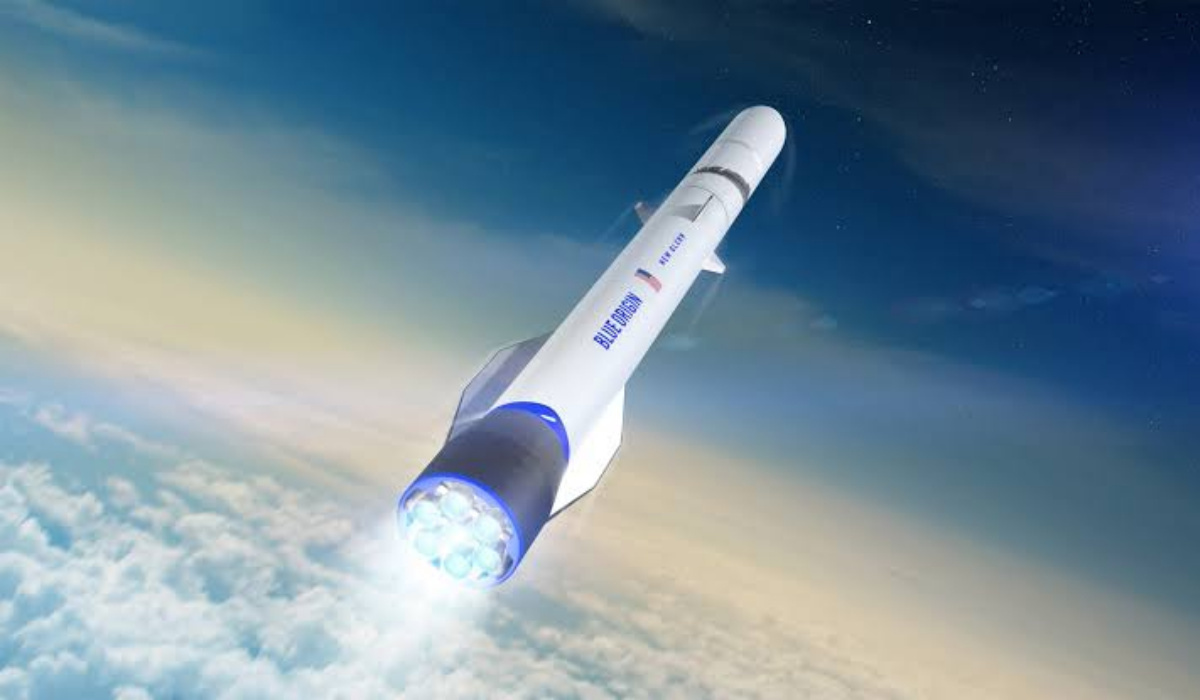
Blue Origin’s Shepard rocket
My favourite reusable rocket ship model at the moment is the one in use by Virgin Galactic. It is based on the Space Shuttle model, which means it consists of two separate vehicles – a carrier aircraft taking off from a regular runway with the smaller space-ship piggybacking on it before being released at high altitude to boost out to space. Both vehicles land like regular aircraft.
Who is winning the race for commercial space travel?
While Blue Origin and Virgin Galactic have taken civilians up into orbit below 100 km above planet Earth, SpaceX has flown civilians all the way to the International Space Station orbiting the earth at about 400 kilometres and even beyond that.
SpaceX has also flown more space missions than any of the other two. As a matter of fact, half of the thousands of satellites on orbit around the Earth were launched by SpaceX [1].
As it stands, SpaceX is leading the race for commercial space travel. How much does a seat in a space flight cost now? A trip with SpaceX cost $55,000,000 the last time I checked. In contrast, Virgin Galactic is offering its low orbit trips for much less – $450,000. Over 800 people have paid for a ticket. Virgin’s low orbit space trips are less exciting than what SpaceX offers, but price is a huge factor, and being so much more affordable means more space tourists will turn to Virgin first.
However it plays out, the age of commercial space travel is here, and it will only get more affordable and more exciting from this point. I can’t wait till an orbit around the Earth costs as little as an air ticket from California to London costs. Perhaps I might be able to fulfill my teenage dream of experiencing space flight. I have a few more decades ahead of me, after all. To infinity and beyond!
References
- Science News
Author:Mister Mobility
Digital Skills and Communication Coach | Mobile Phone Connoisseur since 2001 | Tech Blogging since 2004
