Add MobilityArena as a preferred source on Google
One of the biggest advantages — and occasional headaches — of driving an electric vehicle is figuring out where and how to charge it while you’re out and about. Whether you’re cruising across Canada’s scenic highways or darting through bustling U.S. streets, understanding the Fast-Charging Network can make all the difference. This guide will walk you through everything you need to know about using public chargers efficiently, so you can spend less time waiting and more time driving. From locating stations to maximizing your battery’s lifespan, you’ll get the tips and tricks to master the Fast-Charging Network with ease. So grab your charging cable and a sense of adventure — it’s time to tap into the Fast-Charging Network like a true EV pro.
- Understanding Fast-Charging Network: What’s the Big Deal?
- Step 1: Find the Right Charging Network
- Use Apps and Websites
- Know Your Connector
- Step 2: Plan Your Route Smartly
- Step 3: Understand Charging Costs and Payment
- Step 4: Master the Charging Process
- Step 5: Avoid Common Charging Mistakes
- Bonus Tips for Canadian and U.S. EV Drivers
- Conclusion
Understanding Fast-Charging Network: What’s the Big Deal?
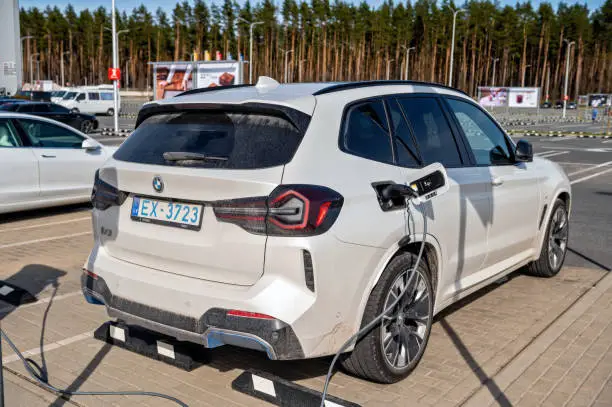
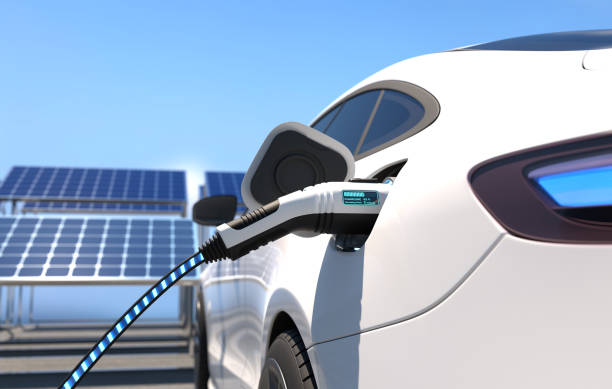
Fast chargers (DC Fast Chargers) can juice up your EV battery way quicker than the Level 2 chargers at home. Instead of hours, you’re looking at 20-40 minutes for a substantial charge — enough time to grab a coffee or snap some scenic photos on road trips.
Step 1: Find the Right Charging Network
Use Apps and Websites
- PlugShare: The go-to app that maps thousands of charging stations across North America, complete with user reviews, real-time availability, and connector types.
- ChargePoint: Great for locating public chargers worldwide, with detailed info on charging speeds and fees.
- Electrify America & Electrify Canada : These networks operate ultra-fast charging hubs specially designed for rapid highway charging. The app lets you reserve spots in advance.
- Tesla Supercharger Network: For Tesla owners stealing the show with their exclusive fast chargers.
Know Your Connector
EVs come with different charging connectors like CCS, CHAdeMO, and Tesla’s proprietary plug. Most networks list which connector types they support — no fun plugging into the wrong port.
Step 2: Plan Your Route Smartly
Before you hit the road, plot your journey using apps like Google Maps that now integrate EV charging stops. Plan your pit stops around places with cafes, food courts, or scenic views—because quick charging on an empty stomach is a recipe for hangry driving!
Step 3: Understand Charging Costs and Payment
Charging stations vary — some are free, some require membership, and others operate on pay-per-use or subscription models. Mobile apps usually handle payments, but it’s smart to have multiple apps installed for flexibility. Keep an RFID card handy if your preferred network supports it for faster access.
Step 4: Master the Charging Process
- Park and connect: Follow station instructions and securely plug in.
- Authenticate: Use the app, RFID card, or credit card to start charging.
- Monitor: Check charge status via app notifications, so you don’t overstay and get those dreaded idle fees.
- Unplug and be on your way!
Step 5: Avoid Common Charging Mistakes
- Trying to charge where your connector doesn’t fit — learn your EV’s charging port!
- Ignoring charging etiquette: don’t hog the charger once your battery is near full.
- Not having backup charging options when the station is full or offline — always have a Plan B!
Bonus Tips for Canadian and U.S. EV Drivers
- Canada tends to have fewer public fast chargers in remote areas — charge fully before long rural stretches.
- The U.S. offers dense networks along interstate highways but watch for network compatibility if you have a non-Tesla EV.
- Keep an eye out for new government-funded fast charging infrastructure projects rolling out in 2025 — they aim to fill in the gaps.
Conclusion
Getting the most out of your electric vehicle means knowing how to plug into the right Fast-Charging Network at the right time. With a little planning, the right apps, and a solid grasp of your EV’s charging needs, finding power on the go becomes second nature. Whether you’re cruising through busy city streets or taking a long weekend road trip, a reliable Fast-Charging Network keeps you moving with confidence. So plan ahead, stay charged, and let every stop on the Fast-Charging Network bring you one step closer to truly effortless EV travel.
Author:Ifeoluwa Adeleke
Add MobilityArena as a preferred source on Google
If you’ve recently joined the EV revolution — or you’re still deciding whether to make the switch (because, let’s be honest, who doesn’t love a quiet ride and skipping the gas station?) — one big question comes up: how do you set up a Home EV Charging Station that’s smart, affordable, and stress-free? Don’t worry, we’ve got you covered. This guide will walk you through everything you need to know about installing and maintaining a Home EV Charging Station, from choosing the right charger to managing your electricity costs like a pro. Whether you’re a seasoned EV driver or just getting started, setting up your Home EV Charging Station the right way means more convenience, more savings, and way fewer late-night charging worries. Ready to plug in and power up? Let’s get started!
- Why Set Up a Home EV Charging Station?
- Step 1: Know Your EV’s Charging Needs
- Step 2: Check Your Electrical Panel Capacity
- Step 3: Choose the Right Charger for Your Home and Budget
- Step 4: Installation – DIY or Pro?
- Step 5: Plan for Convenient Access and Weather Protection
- Step 6: Consider Rebates, Incentives, and Utility Programs
- Common Mistakes to Avoid
- Conclusion
Why Set Up a Home EV Charging Station?
Sure, public charging stations are popping up everywhere, but nothing beats the convenience of plugging in your EV in your own garage or driveway overnight. Home charging is not only more affordable but also faster and totally private — great for those midnight “charge and Netflix ” marathons.
Step 1: Know Your EV’s Charging Needs
First, check your EV’s charging compatibility. Most home chargers are Level 2 (240V), offering a sweet spot between speed and cost. For example, a Level 2 charger typically adds 25–30 miles of range per hour of charge — enough to wake up with a full battery!
Step 2: Check Your Electrical Panel Capacity
Before you jump into purchases, peek under the hood of your home’s electrical system (or call an electrician). Your panel needs to have enough capacity to handle the additional load safely. If your panel is already bursting at the seams, you may need a panel upgrade — think of it as giving your house a little workout to boost its power muscles.
Step 3: Choose the Right Charger for Your Home and Budget
Charging stations vary from basic models to smart chargers packed with Wi-Fi, scheduling, and energy monitoring. If you’re looking to keep costs low while still charging efficiently, consider a reputable no-frills Level 2 charger. Want to get fancy? Smart chargers let you optimize charging during off-peak electricity hours to save money and monitor electricity use via your phone.
Step 4: Installation – DIY or Pro?
If you’re handy with tools and electrical codes, you might attempt installation yourself (but beware the shock factor). Otherwise, hiring a certified electrician is worth every penny — they ensure everything’s safe, up to code, and works like a charm.
Step 5: Plan for Convenient Access and Weather Protection
Choose a charging spot that’s easily accessible, ideally shielded from rain or extreme temperatures. A weatherproof outdoor charger with a rugged, waterproof cable can save you from unplugging your EV with gloves in January — or sweltering in July.
Step 6: Consider Rebates, Incentives, and Utility Programs
Before swiping your card, check for local rebates or federal incentives for EV chargers and installations. Some power companies even offer time-of-use plans and free installation vouchers. This is like getting a discount on pizza — every slice counts!
Common Mistakes to Avoid
- Underestimating your electrical system’s capacity and skipping the panel check.
- Buying a charger incompatible with your EV ’s onboard charger specs.
- Ignoring rebates and incentives — hello, free money!
- Neglecting professional installation for complex wiring jobs.
Conclusion
Setting up your own Home EV Charging Station is easier than it might seem. With a bit of planning, the right tools, and possibly a helping hand from a qualified electrician, you can have a safe and efficient setup ready to power your ride. A Home EV Charging Station not only saves you time and money but also gives you the freedom to charge on your schedule. So go ahead — take that final step toward convenience and sustainability. Once your Home EV Charging Station is up and running, you’ll wonder how you ever managed without it.
