Add MobilityArena as a preferred source on Google
One thing to be aware of with applications is that not every app has a good design. There’ll certainly be a few duds among the almost 3 million apps in the Play Store and the many other ones you may sideload from other places. The bad thing here is that a lot of them use up RAM capacity very inefficiently.
Everybody suffers from poor memory management of apps at one point or the other. When just one app is using more memory than it requires, the entire system tends to get sluggish, regardless of whether you have a premium phone with 8+ GB of RAM or a cheap phone with 4 GB or less.

Fortunately, a fix that resolves this issue easily is already incorporated into the majority of Android devices. In this guide, we’ll show you how to identify these RAM-eating applications on your smartphone so you can get rid of them and get your phone running as it should.
How Do I Locate the Apps Consuming RAM on my Android Device?
There are different methods you can try to achieve this, and these typically depend on the Android device you own.
Take note of the methods we’ve described below:
Method 1: Locate Running Services on Android 6 or Later Devices
Your phone comes with a RAM manager preinstalled if it is running Android 6.0 or later. This menu, which is called Running Services, lists all the parts of apps that are operating continuously in the background.
To locate apps that use up the most RAM via this method:
You must first reveal Developer Options in order to utilize the built-in RAM management. Select “About phone” from the Settings menu, then press “Build number” seven times (Galaxy users have to click on “Software information” after “About Phone” to locate “Build number”). Whether at the far bottom of your Settings menu or below Settings -> System -> Advanced , you can locate Developer Options .
Select “Running services” in Developer Options after you’ve opened it. You should see a list of background services as well as a bar graph displaying the RAM use of the various apps. You probably don’t have a memory problem and the slowdown you’re experiencing is probably caused by something else if at least a third of your total RAM is free. If you fall below this line, on the other hand, you have discovered your issue.
Choose one app, you can work your way down the list starting with the worst consumer (which should be located at the top). You will see “Stop” or “Settings” depending on the app. While selecting “Settings” will take you to the matching “App details” page in Settings , where you can either delete or force stop the troublesome app, selecting “Stop” will just terminate the application.
Method 2: Check Memory Usage
In the Developer Options menu on some Android devices, there may be a “Memory” entry. This should help locate troublesome apps using up your RAM, so follow these steps if you’re using this method on your Android smartphone:
The menu may be accessed from the far bottom of your Settings menu or by going to Settings -> System -> Advanced after you have enabled Developer Options . Go to Developer Options and select “Memory” by scrolling down.
The RAM consumption of your phone will typically be displayed here. To view the average program usage for the last three hours, choose “Memory utilization.” By clicking the down arrow beside “3 hours,” you may change the time period.
If you’d prefer, you can also hit the menu icon in the top right corner and select “Sort by maximum usage.” To discover even more details about an app’s memory usage, click on it. Then, use this information to decide whether you want to delete the troublesome program.
Method 3: Employ Samsung Device Care on Samsung Galaxy Devices
Users of Samsung Galaxy devices have access to Device Care, another feature for identifying troublesome apps.
Follow these steps to use this method:
Your device’s available RAM may be found under Settings -> Device Care -> Memory.
Under the “Clean now” button, Samsung will propose apps that you are either not using or finding to be bothersome.
To clear space, though, you shouldn’t use this button because it doesn’t fix the issue. Instead, employ this data to either sleep or delete the aforementioned apps.
In summary , there’s no need to suffer through slow running on your Android smartphones. Just take advantage of the tips and instructions we’ve provided above to identify the most RAM-consuming apps on your device and uninstall them.
- Don’t miss our mobile phone reviews .
- Follow our news on Google News .
- Join our WhatsApp Group , to be notified of the most important articles and deals,
- Follow us on Instagram , Facebook , Twitter , and YouTube .
Author:Joan Agie
Add MobilityArena as a preferred source on Google
It’s not hard to imagine hackers or malicious software taking control of your smartphone to take videos, capture photographs, or listen in on conversations. However, fewer people will be concerned about this because Android 12 has a new privacy function that visually alerts you of potential intrusive surveillance.
In this guide, we’ll show you how to take advantage of this privacy function on Android 12 smartphones, and identify which apps are spying on you, as well as how to prevent their spying activities.
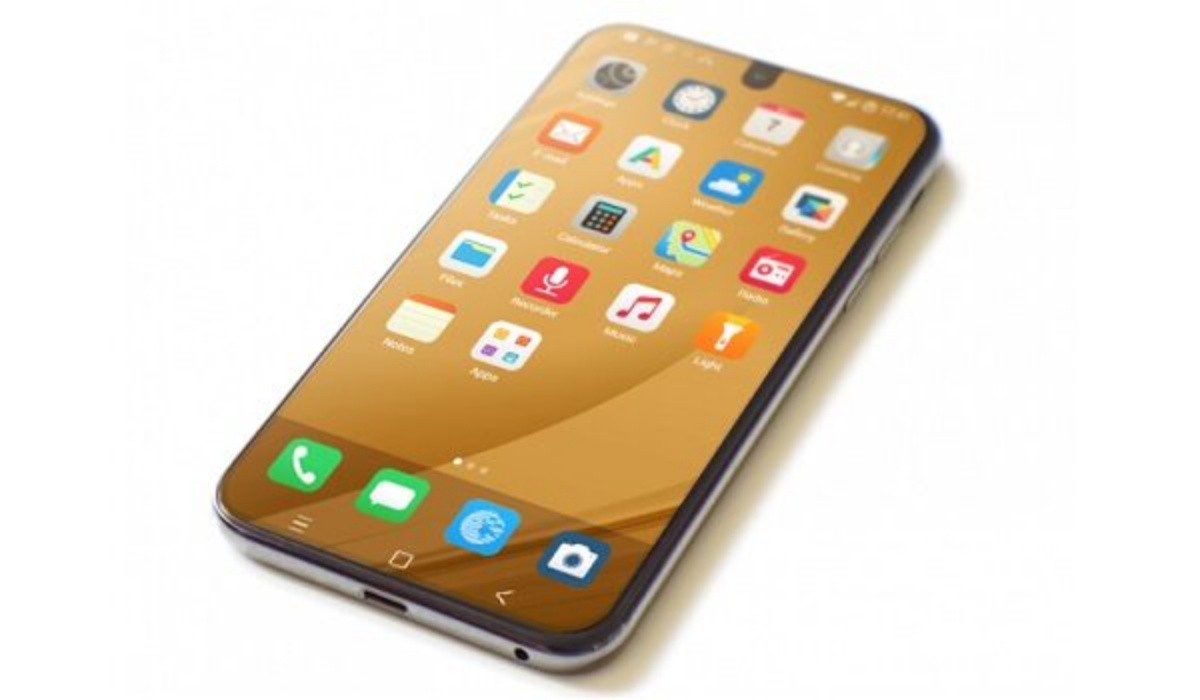
How Can I Tell If Any Apps Are Spying on Me?
These days, almost every device has a permissions manager, but they mainly serve to restrict access to device functionalities and block or terminate potentially harmful apps before it’s too late. However, what happens if you don’t check an app, or if it somehow finds a way to bypass your restrictions?
With the introduction of colored indicators in iOS 14, Apple intended to address this security issue. Whether intentionally or maliciously engaged, these visual alerts always indicate when the microphone is listening or the camera is open. Similar functionality is present in Android 12, which indicates that spyware’s days of going unnoticed are over.
All OEMs using Android 12 on their devices must use these privacy indicators. On the Samsung Galaxy model and Google Pixel smartphones, we’ll go over how to use these indicators, although other OEMs may implement some of the options differently.
Use the Camera/Mic Privacy Identifiers
A green bubble with a microphone or camera icon will typically appear in your status bar whenever one of your Android 12 apps use your camera or microphone. Before the green dot minimzes in the screen corner, you’ll see it for only a split second.
The green bubble and dot will be visible even if you run other apps over the one that is accessing your camera or microphone data. No matter what kind of smartphone you are using, Android 12 requires that.
By swiping your notifications open, you reveal the green icon once more. When you tap the icon, a dialog box appears identifying exactly which app is listening in or recording video. Tapping that alert opens the program’s permissions. These are just more criteria for OEMs for Android 12, so you can take advantage of them to identify spying activities.
Use the Privacy Dashboard Settings
A privacy dashboard is also part of Android 12’s features and allows users to view whether apps have recently accessed private data or device functionalities. On a Google Pixel device, go to Settings -> Privacy -> Privacy dashboard to access the dashboard. For other OEMs, it might be located somewhere else. For instance, on a Samsung Galaxy device, simply select Settings -> Privacy .
The chart and/or list will show anything used the previous day. Selecting the option to “See additional permissions” or “All permissions” for Galaxy models adds the other features to the list.
When you choose a recently used item, a timeline of all the programs that accessed it appears, letting you know exactly when each incident took place.
On a Galaxy model, tapping an app name in the timeline will open that app’s permissions (or provide a link to open all of the app’s permissions) for you. The “Manage permission” button at the bottom (or “See all applications with this permission” for Galaxy models) allows you to view all the apps that are permitted and prohibited from accessing the item, in this case, either the microphone or camera.
On a Google Pixel device, if you choose a feature from the main privacy dashboard page that hasn’t been used in the last 24 hours, it will also list all the apps that are and aren’t permitted access to it. On a Galaxy model, though, you should see the timeline.
If you want to see all of the background apps in the list, hit the vertical ellipse at the top and choose “Show system” or “Show system apps” from any page in the privacy dashboard. Although it’s unlikely, a malicious program could sneak into your device and run as a system app.
How to Disable Camera and Microphone AccessTo Prevent Spying
There are different ways to check or remove an app’s permissions, as we’ve already mentioned. Here are just a few possibilities on a Google Pixel model running stock Android 12. Note that it can be different on devices made by other OEMs.
Follow these steps:
Go to [ App Name ] -> Camera or Microphone -> Don’t Allow or Ask Every Time after tapping the privacy indicator.
If they have been used within the previous 24 hours, select “Camera” or “Microphone” from the privacy dashboard, then select [ App’s Name ] -> Camera or Microphone -> Don’t Allow or Ask every time .
From the privacy dashboard, select “See other permissions,” then select “ Camera or Microphone — [ App’s Name ] -> Don’t Allow .”
Go to [ App’s Name ] -> Permissions -> Camera or Microphone -> Don’t Allow or Ask every time after selecting “Apps” from Settings .
On the main screen or app drawer, long-press the desired app, then select App info > Permissions > Camera or Microphone > Don’t Allow or Ask Every Time .
To temporarily stop all apps from using your camera or microphone:
Go to Settings -> Privacy to disable “Microphone access” or “Camera access.”.
Drag and drop “Microphone” or “Camera” from the bottom area to the top of your Quick Settings after opening them, using the pencil icon to alter the layout. From this point forward, you can prevent access by opening your Quick Settings and then selecting “Camera” or “Microphone.”
In summary , you can guarantee increased protection from spying apps on your Android smartphone by taking advantage of the security feature included in Android 12 devices. The instructions we’ve provided in this guide will help you achieve this easily, so make sure to follow them correctly.
- Don’t miss our mobile phone reviews .
- Follow our news on Google News .
- Join our WhatsApp Group , to be notified of the most important articles and deals,
- Follow us on Instagram , Facebook , Twitter , and YouTube .
