Add MobilityArena as a preferred source on Google
When Android was first released, you could connect your smartphone to a computer and it would mount on its own. This meant that as soon as the USB connection was created, your computer’s internal storage would appear, and you could carry on with your tasks. However, that was altered in more recent iterations of Android to help with security.
Nowadays, when you connect your Android smartphone to a computer, it’s typically set to “No data transfer” by default. Then, before you get to transfer your files, you’ll see a notification on your status bar with a few options to choose from.
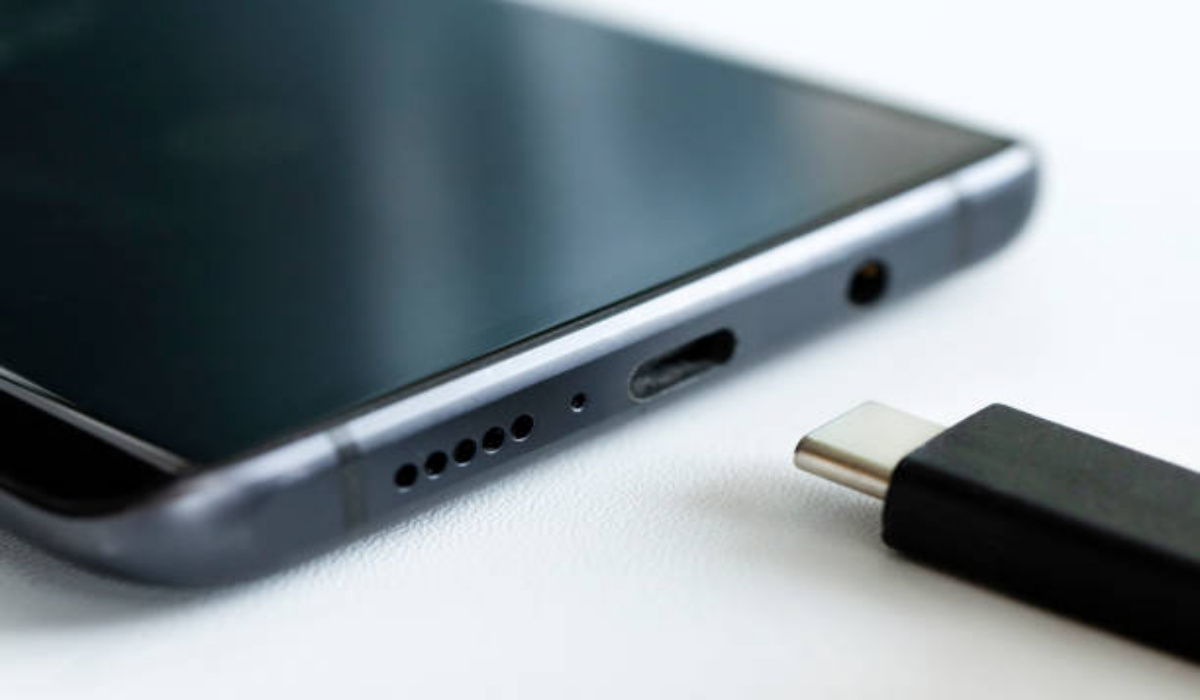
However, there’s a fast little trick you can perform if you would prefer to default to file transfer mode because you trust your computer with your smartphone’s data. We’ve provided the instructions you need to follow in this guide, so make sure to pay close attention.
How Do I Set USB Connections to File Transfer Mode By Default?
Achieving this on your Android smartphone is pretty easy as long as you’re equipped with the right instructions. The following steps will help you get this done easily.
Step 1: To set file transfer mode as your phone’s default mode for USB connections, you must first enable the system settings’ secret developer options. All Android phones follow the same procedure, but depending on the manufacturer, the placement of the settings may vary. Go to Settings -> About phone, scroll down, and quickly tap the “Build number” entry seven times.
The developer choices won’t be available until you enter your PIN or password if one has been set. You’ll then receive a notification that reads, “You are now a developer,” after doing that. You can go to the following stage now that everything is set.
The placement of the settings will differ slightly on a more recent Samsung phone, such as the Note 10 or Galaxy S10.
To do this on Note 10 devices:
- first, access the Settings menu by selecting “Settings” from the app drawer or by clicking the settings (gear) icon in the Quick Settings menu. This will enable developer mode. Select “Software information” on the next screen after selecting “About phone” at the very bottom of the page.
- Find the “Build number” option now, and quickly tap on it seven times. Your password, PIN, or gesture will then need to be entered.
- You will be returned to the previous page after confirming, where a toast message stating “Developer mode has been turned on” will appear.
To activate developer options on Galaxy S10 devices:
- Start by choosing “Settings” from the app drawer or hitting the gear symbol in the Quick Settings menu to access the main Settings menu (the menu will appear when you swipe downwards from the upper edge of any screen).
- Scroll to the menu button and choose “About phone” from there. Select “Software information” next.
- Tap “Build Number” seven times in quick succession as you scroll down. Your PIN, gesture, or password must be entered when requested. You’ll be taken back to the previous page after providing the necessary information, where a toast notification announcing that “Developer mode has been turned on” will appear.
Step 2: The new “Developer options” menu is now located at the very bottom of the user’s primary Settings screen, where it will be most accessible. If not, open Settings, select System, select Advanced, and then select “Developer options.”
Whatever method you used to get here, you can scroll about halfway down the page until you see the “Default USB configuration” area, and then tap it to advance to the following screen.
You should activate the “File transfer” or “Transferring files” option even if the current setting should be “No data transfer.” You can then leave the settings page and reconnect your Android phone to your computer after completing this. Once the USB connection has been established, it ought to automatically enter file transfer mode. You can now begin transferring your files.
In summary, the instructions above should help you easily set your USB connections on your Android smartphone to file transfer mode. Make sure to follow the instructions carefully to get it done easily.
- Don’t miss our mobile phone reviews .
- Follow our news on Google News .
- Join our WhatsApp Group , to be notified of the most important articles and deals,
- Follow us on Instagram , Facebook , Twitter , and YouTube .
Author:Joan Agie
Add MobilityArena as a preferred source on Google
The Samsung Galaxy A73 is a mid-range smartphone that was released on the 17th of March, 2022. It might be a mid-range smartphone but it offers lots of top-class features. But as amazing as some of these features are, there are a few problems that users have encountered while making use of their devices. Let’s take a look at them.
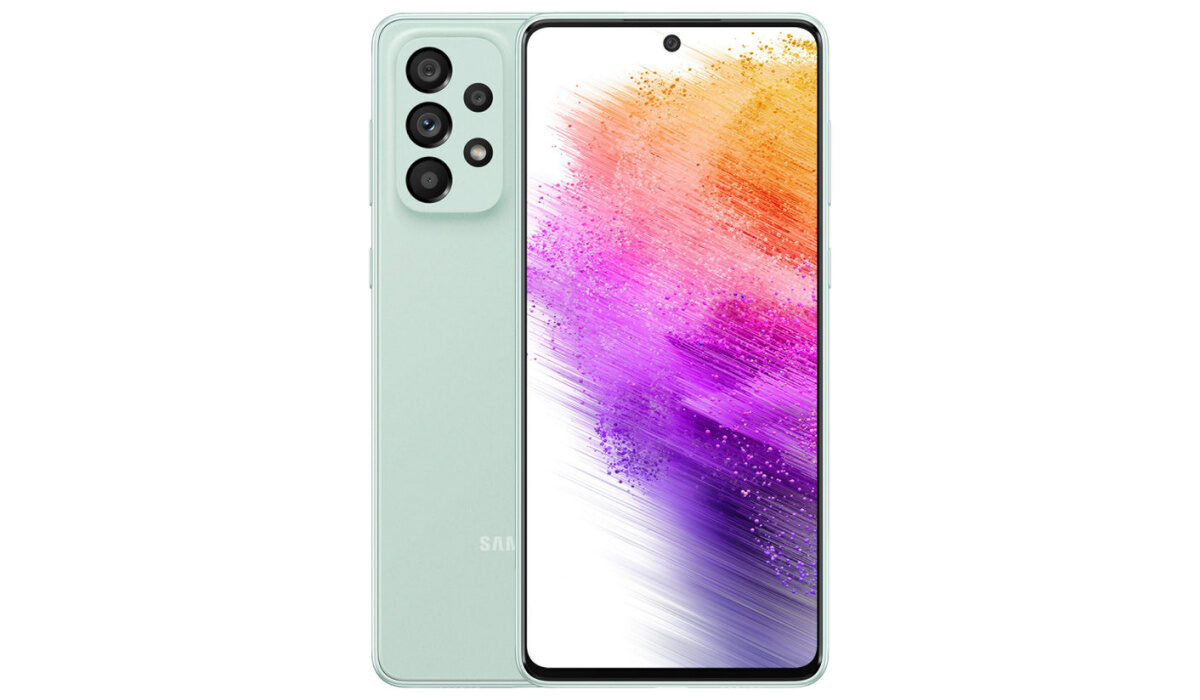
Samsung Galaxy A73 5G problem: Fast Battery drain
The most common and talked about of all the problems that the Samsung Galaxy A73 5G has, is the issue of how fast its battery life drains. As a matter of fact, It is the only issue users complain about. Here are some steps to follow to improve the battery life of your Samsung Galaxy A73 5G.
•It is Adjusting to your usage
.As far as the Samsung Galaxy A73 5G is concerned, some users believe that the reason why the battery life of the device seems to drain fast is that the smartphone is adapting and adjusting to what you use your phone for. This only applies if the phone has just been newly bought. Your phone will need some time to figure out what and what you use your phone for before it can properly optimize its battery usage.
• Antivirus and Cleaning Apps
Having apps like phone cleaner or other antivirus-based apps on your device can drain your battery at an alarming rate. They run in the background and drain your device’s battery life. Make sure to uninstall these apps.
• Screen Brightness
Screen brightness is a factor that most smartphone users are aware of but some still set the brightness bar so high and wonder why their phone battery is getting drained. It does not just drain your battery it heats your smartphone too, and that can cause it to ultimately lag. Set the brightness low to avoid these problems.
• Live Wallpapers
Live Wallpaper on your Samsung Galaxy A73 5G might be beautiful and captivating to look at, I mean it is a cool feature to have on any smartphone but it will drain your device’s battery power faster than a normal wallpaper would because the processors on the phone are being engaged and having to light up bright images. So, you might have to sacrifice your precious live wallpapers if you want your battery to last longer.
• Multiple Running Apps
Another reason a lot of people aren’t aware of is leaving multiple apps open and running on your Samsung Galaxy A73 5G. Honestly, it does not come to mind to clear them all up but they do drain the battery the longer you leave them. Clear all your apps on the app tab from time to time and how much smoother it is to run apps and canes.
• Connectivity settings
Put off all connectivity options like Wi-Fi, Bluetooth, GPS, and Hotspot when you are not using them. These options are core battery-draining features.
• Gaming
Gaming is another thing that can drain your Samsung Galaxy A73 5G’s battery at an alarming rate. If you want to play heavy games I advise you to restrict the number of hours you play if you want your battery to last off of a full charge.
Samsung Galaxy A73 5G problem: Overheating
Overheating is a common issue among smartphones that can leave you frustrated over time because other problems tend to spawn from it. And quite a few users have complained about overheating on the Samsung Galaxy A73 5G. The most common causes of overheating are the level of screen brightness on your device and constant/heavy use of your device’s processor.
Smartphone manufacturers usually roll out firmware updates to fix problems like this when it becomes rampant across different users and worsens in terms of how much damage it does to the device. So, be sure to look out for any updates on your Samsung Galaxy A73 5G. Here are some ways to fix or reduce overheating.
•If you are someone who plays a lot of games or games heavily, you might need to cut down on the amount of time you spend gaming, unless, no matter what you try to do your phone will always overheat because of the kind of games you are playing. A perfect example of a game like this is Call of duty: Mobile.
•Cleaner and Antivirus based apps cause serious overheating and lag when they are opened or activated. If you have any of these two on your Samsung Galaxy A73 5G, delete them.
•Leaving your Wi-Fi, Bluetooth, Hotspot, GPS, e.t.c. on for some time will cause overheating. Turn them off when you are not using them.
•Using your Samsung Galaxy A73 5G while charging will also cause it to overheat. Especially when you are playing games and charging. It is probably the worst combination you can attempt. Try as much as you can to let your phone charge before using it.
•If your phone is overheating while charging and you have fast charging enabled, that might be the problem. You can disable its settings.
•Making use of your phone while it is charging will also cause overheating, try as much as possible to wait till it has charged fully.
These are the most common problems users have complained about. Comment down below on any problem(s) that you might have and we will give you feedback.
- Don’t miss our mobile phone reviews .
- Follow our news on Google News .
- Join our WhatsApp Group , to be notified of the most important articles and deals,
- Follow us on Instagram , Facebook , Twitter , and YouTube .
Author:Flamez
Flamez loves basketball, art, gadgets and cars.
