Add MobilityArena as a preferred source on Google
Vehicle theft is a common occurrence that can happen to anyone. Losing a car to theft can be a stressful and frustrating experience, but the good news is that there are ways to increase the chances of recovering a stolen vehicle. One of the most effective ways to recover a stolen car is by using a vehicle tracker.
A vehicle tracker is a small device that can be installed in a car to monitor its location. The device uses GPS technology to track the car’s movements and sends real-time location data to a smartphone or computer. If a car equipped with a vehicle tracker is stolen, the owner can use the device to track the car’s location and alert the authorities. With the help of a vehicle tracker, the chances of recovering a stolen car increase significantly.
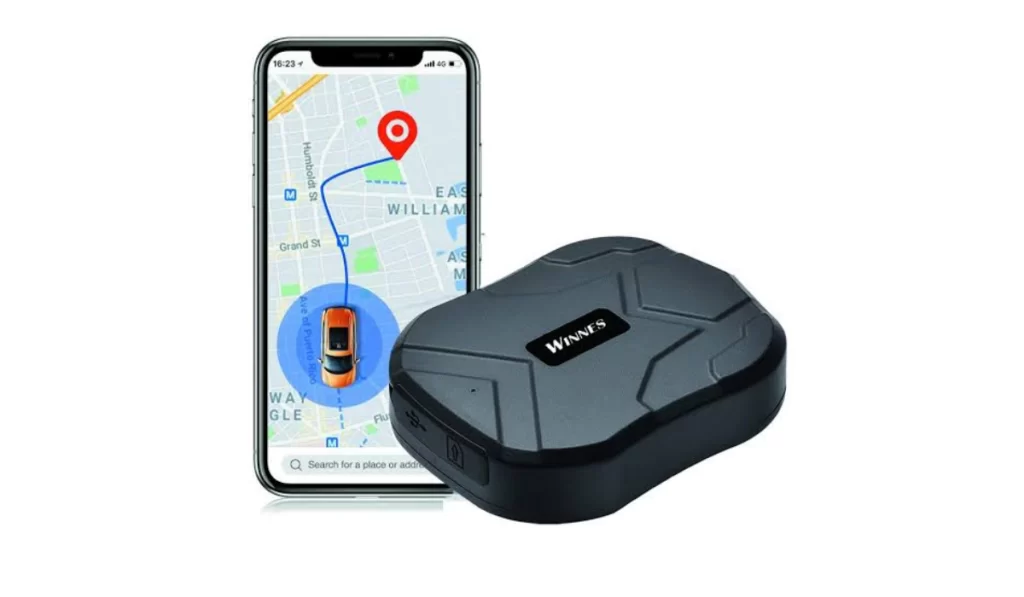
In this article, we will discuss how to recover a stolen car using a vehicle tracker. We will explore the different types of vehicle trackers available and how they work. We will also provide tips on how to choose the right vehicle tracker and how to use it effectively to recover a stolen car. Whether you are a victim of car theft or want to take proactive measures to protect your car, this article will provide you with the information you need to recover a stolen car using a vehicle tracker.
- Understanding Vehicle Theft
- Role of Law Enforcement
- Stolen Vehicle Recovery Systems
- GPS Tracking Technology
- Cellular and Bluetooth Technology
- Telematics and Vehicle Tracking Systems
- Activation and Notification Process
- Insurance and Discounts
- Other Applications of Tracking Technology Scooters and Electric Scooters Theft Recovery for Other Vehicles Child Safety Fleet Management
- Conclusion on using a vehicle tracker to recover a stolen car
Understanding Vehicle Theft
Vehicle theft is a common problem in the United States. According to the FBI, a motor vehicle is stolen every 40 seconds in the United States. Vehicle theft is a serious crime that can result in financial loss, inconvenience, and even danger to the owner.
Vehicle theft can occur for various reasons, including joyriding, transportation, resale, or parts. Thieves may target specific makes and models of vehicles, or they may simply steal any vehicle that is easy to steal.
To prevent vehicle theft, it is important to understand how it occurs. Thieves may use various methods to steal a vehicle, including:
- Breaking a window or lock to gain entry
- Using a duplicate key
- Hotwiring the ignition
- Towing the vehicle away
Vehicle owners can take steps to reduce the risk of vehicle theft, such as:
- Parking in well-lit areas
- Locking doors and windows
- Installing an alarm system or vehicle tracker
Vehicle trackers are one of the most effective ways to recover a stolen vehicle. A vehicle tracker is a telematics device that uses GPS technology to track the location of a vehicle. If a vehicle is stolen, the owner can use the tracker to locate the vehicle and notify the police.
Role of Law Enforcement
Law enforcement plays a crucial role in the recovery of stolen vehicles with the help of vehicle trackers. The first step in recovering a stolen car is to file a police report. Once a police report has been filed, the owner of the vehicle can contact the vehicle tracker provider to report the theft and provide the police with the location of the stolen vehicle.
Law enforcement agencies have access to a range of tools and technologies that can help them recover stolen vehicles quickly and safely. For example, many police departments use the StarChase system, which allows officers to track and recover stolen vehicles remotely. This system helps to minimize the risks and negative behaviors that are inherent in a stolen-vehicle traffic stop, such as high-speed chases and dangerous confrontations with suspects.
Another tool that law enforcement agencies use to recover stolen vehicles is the LoJack system. This system uses GPS technology to track the location of stolen vehicles and provides law enforcement with real-time updates on the vehicle’s whereabouts. When a vehicle equipped with LoJack is stolen, the first step is to have the vehicle’s owner alert local law enforcement. Once officers record the theft and provide the owner with a police report, the owner can contact the LoJack system to provide the location of the stolen vehicle.
Law enforcement agencies also work closely with vehicle tracker providers like OnStar to recover stolen vehicles. OnStar’s Stolen Vehicle Assistance service allows owners to report a stolen vehicle to law enforcement and provides real-time updates on the vehicle’s location. OnStar’s Advisors work with law enforcement to locate the stolen vehicle and provide updates on its whereabouts.

Stolen Vehicle Recovery Systems
Stolen vehicle recovery systems, also known as vehicle tracking systems, are telematics systems that allow owners to get their stolen vehicles back. These systems use GPS technology to track the location of a vehicle and provide real-time updates to the owner and law enforcement agencies.
There are several types of stolen vehicle recovery systems available in the market, including LoJack, OnStar, BMW Assist, and Lexus Enform. Each system has its own unique features and benefits, but they all work towards the same goal of recovering stolen vehicles.
LoJack is a stolen vehicle recovery system that has been in use for over 25 years. It is a radio frequency-based system that is installed in a hidden location in the vehicle. When a vehicle is reported stolen, the police can activate the LoJack system, which sends a signal to the stolen vehicle. The signal is then picked up by the police tracking units, which can track the stolen vehicle’s location.
OnStar is another popular stolen vehicle recovery system that is available in many General Motors vehicles. OnStar uses GPS technology to track the location of a stolen vehicle and provides real-time updates to the owner and law enforcement agencies. OnStar can also remotely disable the vehicle’s engine, making it harder for the thief to get away.
BMW Assist is a stolen vehicle recovery system that is available in BMW vehicles. It uses GPS technology to track the location of a stolen vehicle and provides real-time updates to the owner and law enforcement agencies. BMW Assist can also remotely disable the vehicle’s engine and lock the doors, making it harder for the thief to escape.
Lexus Enform is a stolen vehicle recovery system that is available in Lexus vehicles. It uses GPS technology to track the location of a stolen vehicle and provides real-time updates to the owner and law enforcement agencies. Lexus Enform can also remotely disable the vehicle’s engine and lock the doors, making it harder for the thief to escape.
Stolen vehicle recovery systems can be a valuable tool in recovering stolen vehicles. They can provide real-time updates on the location of the stolen vehicle, which can help law enforcement agencies recover the vehicle quickly. However, it is important to note that stolen vehicle recovery systems are not foolproof and may not always lead to the recovery of a stolen vehicle. It is always important to take additional measures to protect your vehicle, such as parking in well-lit areas and locking the doors.
GPS Tracking Technology
GPS tracking technology is a popular way to recover stolen cars. It involves installing a GPS device or tracker in the car, which allows the vehicle’s location to be tracked. Most GPS trackers are small and can be easily hidden in the car. They work by communicating with GPS satellites to determine the car’s location, which is then transmitted to a monitoring center.
One of the key benefits of GPS tracking technology is that it allows for real-time tracking of a vehicle’s location. This means that if a car is stolen, the owner can quickly determine its whereabouts and inform the police. GPS tracking technology can also be used to set up geofences, which are virtual boundaries that trigger an alert when a vehicle crosses them. This can be useful for fleet managers who want to monitor the location of their vehicles.
GPS tracking technology is not foolproof, however. Thieves may be able to locate and remove the GPS device from the car, rendering it useless. Additionally, GPS tracking technology can be expensive to install and maintain, and may require a monthly subscription fee.
Despite these drawbacks, GPS tracking technology is a reliable way to recover stolen cars. Many car manufacturers offer GPS tracking as a standard feature or as an optional add-on. There are also many third-party GPS tracking devices available on the market, ranging from basic models to advanced systems with features like real-time vehicle location and geofencing.
Cellular and Bluetooth Technology
Cellular and Bluetooth technology have revolutionized the way vehicle trackers work. With the help of these technologies, it is now possible to track a stolen car in real-time.
One of the most popular car tracking devices that use cellular technology is the Trak-4 GPS Tracker. This device provides real-time tracking and assistance, and the battery can last up to 12-18 months depending on the number of alerts set.
On the other hand, Bluetooth technology is used in tile trackers and Chipolo. These small devices can be attached to the car and connected to a smartphone via Bluetooth. In case of theft, the owner can track the vehicle’s location using the smartphone app.
However, it is important to note that Bluetooth technology has a limited range, and the tracker needs to be within range of the smartphone to work. In contrast, cellular technology works over long distances and is not limited by range.
Another advantage of using cellular technology is that it can be used to remotely disable the vehicle’s engine. This feature is particularly useful in case of theft, as it can prevent the thief from driving away with the car.
iPhone users can take advantage of the Find My app , which uses both Bluetooth and cellular technology to locate a lost or stolen iPhone. This app can also be used to locate other Apple devices, such as iPads and Macs.
Telematics and Vehicle Tracking Systems
Telematics systems are electronic devices that use sensors and GPS technology to monitor and track the location, movement, and behavior of vehicles in real-time. Vehicle tracking systems are a type of telematics system that enables the owner to track the location of their vehicle and monitor its movements remotely.
Vehicle tracking systems use GPS technology to determine the location of the vehicle and transmit this information to a central server. The server then processes this information and provides real-time updates to the owner, allowing them to monitor the vehicle’s movements and track its location.
In addition to GPS technology, vehicle tracking systems may also use other sensors to monitor the vehicle’s behavior and performance. For example, some systems may use sensors to detect when the vehicle is speeding, braking hard, or making sudden turns. This information can be used to alert the owner to potential problems with the vehicle or to monitor the behavior of drivers.
Vehicle tracking systems can be used for a variety of purposes, including theft recovery, fleet management, and driver behavior monitoring. For theft recovery, vehicle tracking systems can be used to locate stolen vehicles and provide law enforcement with real-time updates on the vehicle’s location. This can help to increase the chances of recovering the stolen vehicle and apprehending the thief.
Activation and Notification Process
Once a vehicle tracker has been installed, the owner needs to activate it and set up notifications to ensure that they are alerted if their vehicle is stolen. The activation process varies depending on the type of tracker used, but typically involves registering the device with the manufacturer and providing some basic information about the vehicle.
Once the tracker is activated, the owner can set up notifications to receive alerts if their vehicle is moved without their permission. These notifications can be sent via email, text message, or through a mobile app, depending on the tracking device used. It is important to ensure that notifications are set up correctly to ensure that the owner is alerted as soon as possible if their vehicle is stolen.
If the owner receives a notification that their vehicle has been moved without their permission, they should first check to see if the vehicle has been towed or if someone else has permission to use it. If they are certain that the vehicle has been stolen, they should contact the police immediately and provide them with the location information provided by the tracker.
Some vehicle trackers also have a “ring” feature, which allows the owner to remotely activate an alarm on their vehicle. This can be useful if the owner is in close proximity to the stolen vehicle and wants to alert others in the area to its presence. However, it is important to use this feature with caution, as it could potentially alert the thief to the fact that the vehicle is being tracked.
Insurance and Discounts
Installing a GPS tracker on your vehicle not only helps in recovering a stolen car but can also earn you discounts on your car insurance premiums. Several insurance companies offer discounts for using GPS trackers, as it increases the safety rating of your car. The amount of discount varies depending on the insurer and the state you live in.
According to the National Insurance Crime Bureau, a vehicle is stolen every 40 seconds in the United States . Having a GPS tracker installed on your car can help you recover your vehicle quickly in the event of theft. This added security measure can also lower the risk of your car being stolen, which can reduce your insurance premiums.
Some insurance companies may require you to use a specific GPS tracking device to be eligible for the discount. It is important to check with your insurance provider to see if they offer discounts and what type of GPS tracker is required.
It is also worth noting that while a GPS tracker can help lower your insurance premiums, it is not the only factor that insurers consider when calculating your premium. Other factors such as your driving record, age, and type of vehicle also play a role.
Other Applications of Tracking Technology
Vehicle tracking technology is not limited to just recovering stolen cars. It has a wide range of other applications as well. Here are some other ways in which tracking technology can be used:
Scooters and Electric Scooters
Scooters and electric scooters are becoming increasingly popular as a mode of transportation in urban areas. However, they are also vulnerable to theft. By installing a tracker on a scooter or electric scooter, owners can easily locate their vehicles if they are stolen. This can help to deter theft and increase the chances of recovery if theft does occur.
Theft Recovery for Other Vehicles
Tracking technology can be used to recover other types of vehicles as well, such as trucks and motorcycles. By installing a tracker on these vehicles, owners can easily locate them if they are stolen. This can help to deter theft and increase the chances of recovery if theft does occur.
Child Safety
Tracking technology can also be used to ensure the safety of children. For example, parents can install trackers on their children’s backpacks or clothing to keep track of their whereabouts. This can be especially useful for parents of young children who may wander off or get lost.
Fleet Management
Tracking technology can be used for fleet management as well. By installing trackers on trucks and other vehicles, fleet managers can keep track of their location and ensure that they are being used efficiently. This can help to reduce fuel costs and increase productivity.
Conclusion on using a vehicle tracker to recover a stolen car
A stolen vehicle recovery system can be a valuable tool in recovering a stolen car. These telematics systems use GPS technology to track the location of a stolen vehicle and alert the owner when it has been moved without permission. With a high recovery rate and fast recovery time, these systems can help owners retrieve their stolen vehicles quickly and with minimal damage.
When choosing a stolen vehicle recovery system, it’s important to consider factors such as cost, reliability, and ease of use. Some popular options include LoJack, Linxio, and other GPS-based systems. It’s also important to note that these systems are not foolproof and may not work in all situations. In some cases, thieves may be able to disable or remove the tracker, or the vehicle may be taken to a location where GPS signals cannot be received.
In addition to using a stolen vehicle recovery system, there are other steps owners can take to prevent car theft and increase the chances of recovery. These include:
- Locking doors and windows
- Parking in well-lit areas
- Installing an alarm system
- Not leaving valuables in the car
- Keeping a record of the car’s VIN number and other identifying information
By taking these precautions and using a stolen vehicle recovery system , owners can increase the chances of recovering their stolen car and minimizing the impact of theft. Alternatively, a Ghost Immobiliser makes it extremely for a parked car to be stolen at all in the first place.
Author:Mister Mobility
Digital Skills and Communication Coach | Mobile Phone Connoisseur since 2001 | Tech Blogging since 2004
Add MobilityArena as a preferred source on Google
Did you know it is possible to get free government phones in the United States? This program is often aimed at individuals who have limited financial resources or are enrolled in certain government assistance programs. It is a great option for those who are unable to afford a smartphone otherwise.
In this article, I’ll explore all you need to know about getting cell phones free from the government. I’ll cover the eligibility criteria for the Lifeline program and discuss the carriers that provide government cell phones at no cost. Whether you’re on a tight budget or in need of a free cellphone for important reasons, I have got you covered.
- How Can I Get Free Government Phones? How Do You Qualify For a Free Government Phone With Lifeline Assistance? How Do I Apply and Prove My Household Income to the Government? Carriers Eligible for Free Government Phones with Lifeline Assistance Free Plans through the Affordable Connectivity Program What Kind of Phone Can I Get? Low-Cost Alternatives To Free Government Phones
How Can I Get Free Government Phones?
The US government has this amazing program called Lifeline Assistance . Its main aim is to reduce the cost of phone and internet services for those who are eligible. This is an option that makes it much easier for you to manage your cell phone bill.
It’s important to note that these programs primarily help individuals who are already enrolled in government assistance programs and have an income below the federal poverty level. By offering free government phones, these programs ensure that individuals facing financial challenges can still stay connected.
How Do You Qualify For a Free Government Phone With Lifeline Assistance?
To qualify for a free government phone, you typically need to meet certain eligibility criteria, such as participating in government assistance programs. To be eligible for Lifeline Assistance, your annual income must be equal to or below 135% of the Federal Poverty Guidelines .
For instance, if you’re the only person in your household and you want to qualify for a free government phone, you’ll need to demonstrate that your income is less than $12,760 per year. Each additional person in your household increases the income limit by $4,480. So, the more individuals you have in your household, the easier it becomes to meet the requirements for a free government cell phone and an affordable cell phone plan.
Alternatively, you have to currently enrolled in any of the government programs listed below:
- Supplemental Nutrition Assistance Program (SNAP), formerly known as Food Stamps
- Supplemental Security Income (SSI)
- Medicaid
- Federal Public Housing Assistance (FPHA)
- Tribal-specific programs: Bureau of Indian Affairs General Assistance Tribal Temporary Assistance for Needy Families (Tribal TANF) Food Distribution Program on Indian Reservations (FDPIR) Assistance for Needy Families on Indian Reservations (TTANF) Head Start Veterans and Survivors Pension Benefit
You are entitled to a free cell phone and an affordable cell phone plan if any of the above situations apply to you, your child, or one of your dependents.
How Do I Apply and Prove My Household Income to the Government?
To apply and prove your household income, you may need to provide documents such as pay stubs, a W-2 form, or a letter from the government agency you’re enrolled in. The process of applying for free cell phone service is fortunately quite straightforward. All you need to do is visit the website of a cell phone company participating in the program.
For instance, if you’re interested in Assurance Wireless , you’ll find a prominent “ Apply Now ” button on their website. Simply follow the instructions provided, and you’ll quickly discover if you qualify for a cell phone and plan.
Each program may have specific requirements, so it’s best to contact the Lifeline Assistance program or the specific carriers for detailed instructions on how to apply and what documents are needed. They’ll be able to guide you through the application process.
Carriers Eligible for Free Government Phones with Lifeline Assistance
Here are the carriers currently eligible for the Lifeline Assistance program: Remember, each carrier may serve specific states, so it’s best to check which states they are available in.
- Assist Wireless
- Assurance Wireless
- Cintex Wireless
- Copper Valley Wireless
- Easy Wireless
- enTouch Wireless
- FeelSafe Wireless
- GCI
- Infiniti Mobile
- Life Wireless
- NewPhone Wireless
- Q Link Wireless
- Safelink Wireless
- SafetyNet Wireless
- Sprocket Wireless
- StandUp Wireless
- Tag Mobile
- Tempo Communications
- Terracom Wireless
- TruConnect
- True Wireless
Also, it’s worth mentioning that many cell phone providers that are part of the Lifeline program also participate in the Affordable Connectivity Program . This program allows you to purchase a cell phone or tablet at a discounted price.
Just to clarify, the Affordable Connectivity Program (ACP) is a separate government program that offers a discount on internet or wireless service. While it doesn’t provide assistance in purchasing phones, some carriers do offer free devices with their eligible plans. If you qualify for the Lifeline program, you’re automatically eligible for the ACP as well. The ACP gives a $30/month discount on eligible phone and internet plans, but remember that the discount is limited to one service per household. So, you can choose either a discounted phone plan or a discounted internet plan.
Free Plans through the Affordable Connectivity Program
Through the Affordable Connectivity Program, some of the most well-known carriers offer low-cost or free plans. However, it’s important to note that not all carriers offer completely free plans through the ACP. Some carriers do offer free plans, while others may require you to pay the difference if you select a plan that costs more than $30/month. Regardless of the carrier, you’ll need to apply for the program and provide proof of approval from the federal government.
Here are four well-known carriers that have free plan options available through the ACP benefits:
- Gen Mobile : They offer an Unlimited Talk, Text & 7GB Data plan.
- Twigby : Their plan includes Unlimited Talk, Text & 8GB of Data.
- Boost Mobile : They provide an Unlimited 5G/4G LTE Data, Talk, and text plan.
- Red Pocket : They have a $30 Monthly Plan.
What Kind of Phone Can I Get?
When you apply for Lifeline Assistance, you won’t know the specific phone options until you’re approved. However, most of the carriers that participate in the program offer a good variety of phones. Unfortunately, you won’t find the latest iPhone or Android models, but there are still plenty of affordable or even free smartphones available.
For instance, Assurance Wireless has a public cell phone lineup that includes phones like the Alcatel Dawn and the Kyocera Hydro REACH. And there are other options like the ANS Artia, Hot Pepper Chilaca, Moto G Plus, and REVVL4 Plus.
Low-Cost AlternativesToFree Government Phones
If you don’t meet the requirements for a free government phone, you can consider buying an affordable smartphone instead. Samsung and Apple offer budget-friendly options, and you might also find older models of Galaxies and iPhones for free when switching to certain carriers. It’s worth exploring these options to find the best deal for you.
To sum up, if you meet the eligibility criteria, you can get cell phones free from the government through programs like Lifeline Assistance. Various carriers participating in the program offer free or low-cost smartphones. Remember to check the specific requirements and availability in your state. So, here’s to staying connected without breaking the bank. If you’re in need of more tips like this, feel free to peruse this category .
