Add MobilityArena as a preferred source on Google
If you’ve recently joined the EV revolution — or you’re still deciding whether to make the switch (because, let’s be honest, who doesn’t love a quiet ride and skipping the gas station?) — one big question comes up: how do you set up a Home EV Charging Station that’s smart, affordable, and stress-free? Don’t worry, we’ve got you covered. This guide will walk you through everything you need to know about installing and maintaining a Home EV Charging Station, from choosing the right charger to managing your electricity costs like a pro. Whether you’re a seasoned EV driver or just getting started, setting up your Home EV Charging Station the right way means more convenience, more savings, and way fewer late-night charging worries. Ready to plug in and power up? Let’s get started!
- Why Set Up a Home EV Charging Station?
- Step 1: Know Your EV’s Charging Needs
- Step 2: Check Your Electrical Panel Capacity
- Step 3: Choose the Right Charger for Your Home and Budget
- Step 4: Installation – DIY or Pro?
- Step 5: Plan for Convenient Access and Weather Protection
- Step 6: Consider Rebates, Incentives, and Utility Programs
- Common Mistakes to Avoid
- Conclusion
Why Set Up a Home EV Charging Station?
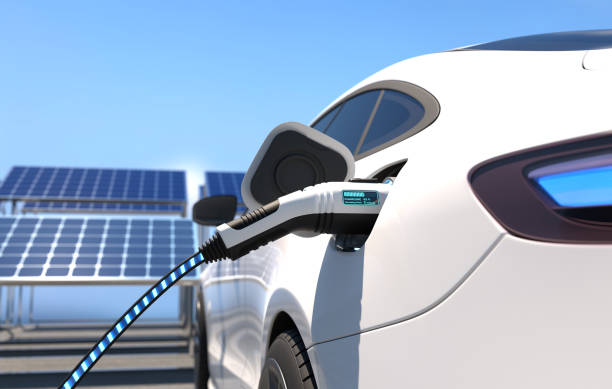
Sure, public charging stations are popping up everywhere, but nothing beats the convenience of plugging in your EV in your own garage or driveway overnight. Home charging is not only more affordable but also faster and totally private — great for those midnight “charge and Netflix ” marathons.
Step 1: Know Your EV’s Charging Needs
First, check your EV’s charging compatibility. Most home chargers are Level 2 (240V), offering a sweet spot between speed and cost. For example, a Level 2 charger typically adds 25–30 miles of range per hour of charge — enough to wake up with a full battery!
Step 2: Check Your Electrical Panel Capacity
Before you jump into purchases, peek under the hood of your home’s electrical system (or call an electrician). Your panel needs to have enough capacity to handle the additional load safely. If your panel is already bursting at the seams, you may need a panel upgrade — think of it as giving your house a little workout to boost its power muscles.
Step 3: Choose the Right Charger for Your Home and Budget
Charging stations vary from basic models to smart chargers packed with Wi-Fi, scheduling, and energy monitoring. If you’re looking to keep costs low while still charging efficiently, consider a reputable no-frills Level 2 charger. Want to get fancy? Smart chargers let you optimize charging during off-peak electricity hours to save money and monitor electricity use via your phone.
Step 4: Installation – DIY or Pro?
If you’re handy with tools and electrical codes, you might attempt installation yourself (but beware the shock factor). Otherwise, hiring a certified electrician is worth every penny — they ensure everything’s safe, up to code, and works like a charm.
Step 5: Plan for Convenient Access and Weather Protection
Choose a charging spot that’s easily accessible, ideally shielded from rain or extreme temperatures. A weatherproof outdoor charger with a rugged, waterproof cable can save you from unplugging your EV with gloves in January — or sweltering in July.
Step 6: Consider Rebates, Incentives, and Utility Programs
Before swiping your card, check for local rebates or federal incentives for EV chargers and installations. Some power companies even offer time-of-use plans and free installation vouchers. This is like getting a discount on pizza — every slice counts!
Common Mistakes to Avoid
- Underestimating your electrical system’s capacity and skipping the panel check.
- Buying a charger incompatible with your EV ’s onboard charger specs.
- Ignoring rebates and incentives — hello, free money!
- Neglecting professional installation for complex wiring jobs.
Conclusion
Setting up your own Home EV Charging Station is easier than it might seem. With a bit of planning, the right tools, and possibly a helping hand from a qualified electrician, you can have a safe and efficient setup ready to power your ride. A Home EV Charging Station not only saves you time and money but also gives you the freedom to charge on your schedule. So go ahead — take that final step toward convenience and sustainability. Once your Home EV Charging Station is up and running, you’ll wonder how you ever managed without it.
Author:Ifeoluwa Adeleke
Add MobilityArena as a preferred source on Google
Apple is known generally to use fixed aperture cameras for its iPhones. On the other hand, Android devices include variable aperture lenses in their design. Now it seems Apple is willing to try something different and take a switch. According to ET News , an industry supply source has confirmed that the iPhone 18 lineup will use variable aperture cameras for a change.

Reports suggest that Sunny Optical is the primary supplier of variable aperture lenses to Apple. The company is ready to spice things up with the next iPhones to launch in 2026 — iPhone 18 Pro and 18 Pro Max. Variable aperture means clearer shots. The camera will be able to adjust the opening that controls light, mimicking the human eye and delivering quality pictures. Like always, this wouldn’t be the first time of rumours of a variable aperture camera, but Apple may see the end of it this time in the iPhone 18 lineup.
Regarding the size and design, the iPhone 18 Pro and 18 Pro Max will likely adopt the same pattern as the iPhone 17 series. Rumours suggest they will feature a transparent design on the back. Apple isn’t the only one planning to include a variable aperture camera; Samsung will likely do the same for the Galaxy S26 Ultra.
Author:Obiajulum Ndubuisi
Obiajulum is a tech enthusiast passionate about writing. When she isn’t writing about gadgets, she will probably be playing badminton, watching a movie, or surfing the internet.
