Add MobilityArena as a preferred source on Google
It does not matter what type of personal transport mobility you use – an internal combustion engine (ICE) vehicle, an electric vehicle (BEV), a hybrid , an e-bike , a motorcycle, or a scooter, tires are the high ranking when it comes to safety and good performance. Which is why you need to know for sure when tires need to be replaced.
I am a car lover, so my primary experience has been with cars, but the principles and tell-tale signs of tire wear and tear are the same even if what you have is a bicycle or motorcycle. How to tell when tires need to be replaced is an exact science across the board of road vehicles.
- Too many punctures or flats
- Check your tires for wear and tear
- Check for the date of manufacture
- What kind of usage are your tires subjected to?
Too many punctures or flats

In my twenty-something years of driving, I have come to know that the easiest way to tell that your tires have become bad and should be replaced immediately is when you get to that point where you are getting punctures or your tires go flat often. If you are having to fix a puncture or flat every other week, that tire is weak and ready to die on you.
You shouldn’t change only that problematic tire either; all the other tires that you purchased at the same time as that one should be replaced. They are all due for a change, and it is best to buy your tires at the same time. Where that isn’t possible for cash reasons, change them two by two. Replace the two in front at the same time, and replace the two at the back at the same time.
But you should not wait till your tires start acting up this way before knowing they are due for replacement. Below, I share a few other ways to tell when tires need to be replaced.
Check your tires for wear and tear

Your tires need to be replaced when the threads start wearing out
Get down and take a close look at each tire. Are the ridges and grooves intact or are they wearing out and becoming smoother or bald? What of bulges and cracks? Are there bits and pieces starting to chip off? If there are, these are all tell-tale signs that a tire needs replacing.
- Park in a Well-lit Area : Choose a location with sufficient lighting, preferably outdoors, to examine your tires properly.
- Check for Uneven Wear : Inspect the tread surface of each tire for signs of uneven wear patterns. Look for excessive wear on one side, the center, or specific areas of the tread. Uneven wear may indicate misalignment, improper tire inflation, or suspension issues.
- Examine Tread Depth : Measure the tire tread depth using a tread depth gauge or the popular “penny test.” Insert a penny into the tread groove with Lincoln’s head upside down. If the tread doesn’t reach the top of Lincoln’s head, it’s time to replace the tire.
- Look for Signs of Tread Wear Indicators : Modern tires have built-in tread wear indicators in the form of small raised bars between the tread grooves. If these bars become level with the tread surface, it signifies that the tire has reached its wear limit and should be replaced.
- Inspect for Cracks or Cuts : Carefully examine the sidewalls and tread areas for any visible cracks, cuts, bulges, or punctures. These can weaken the tire’s structure and increase the risk of tire failure.
- Check Valve Stems : Inspect the valve stems for signs of damage or leakage. Ensure they have secure caps to protect against dust and debris.
- Look for Embedded Objects : Scan the tire surfaces for any foreign objects like nails, screws, or stones lodged in the tread. These can lead to punctures or slow leaks.
- Repeat all the Above for All Tires : Perform the same inspection process for each tire on your vehicle, as tire conditions may vary.
Check for the date of manufacture
The date of manufacture of your tires matter, because they begin to deteriorate after a certain number of years, even if you use them sparingly. A tire’s integrity, and consequently your safety, is at risk after six years from the date of manufacture. This is why it is important to check the date of manufacture of tires at the point of purchase. For example, if a tire is five years old already at the time of purchase, though you are buying it brand new, it has only one more year of operational integrity.
To check the date of manufacture of tires, have a close look at the imprints on the sidewall of the tire and follow these steps:
- Locate the DOT Code : Look for a series of alphanumeric characters on the sidewall of the tire. The DOT code is typically placed towards the edge of the sidewall, near the wheel rim. The DOT code provides information about the tire’s production date.
- Identify the DOT Symbol : The DOT code usually starts with the letters “DOT” followed by a series of numbers and letters.
- Read the Last Four Digits : The last four digits of the DOT code represent the tire’s manufacturing date. The first two digits indicate the week of production (ranging from 01 to 52), and the last two digits represent the year of production. For example, if the last four digits are “0204,” as seen in the image below, it means the tire was manufactured in the 2nd week of 2004. Important : Note that some tire manufacturers do not include a preceding DOT before the string of codes; in such cases you will find the four digits indicating date of manufacture circled in an oval shape.
- Determine the Age of the Tire : Calculate the age of the tire based on the manufacturing date. Subtract the production year from the current year to determine the tire’s age. Keep in mind that tire age is counted from the week it was manufactured.
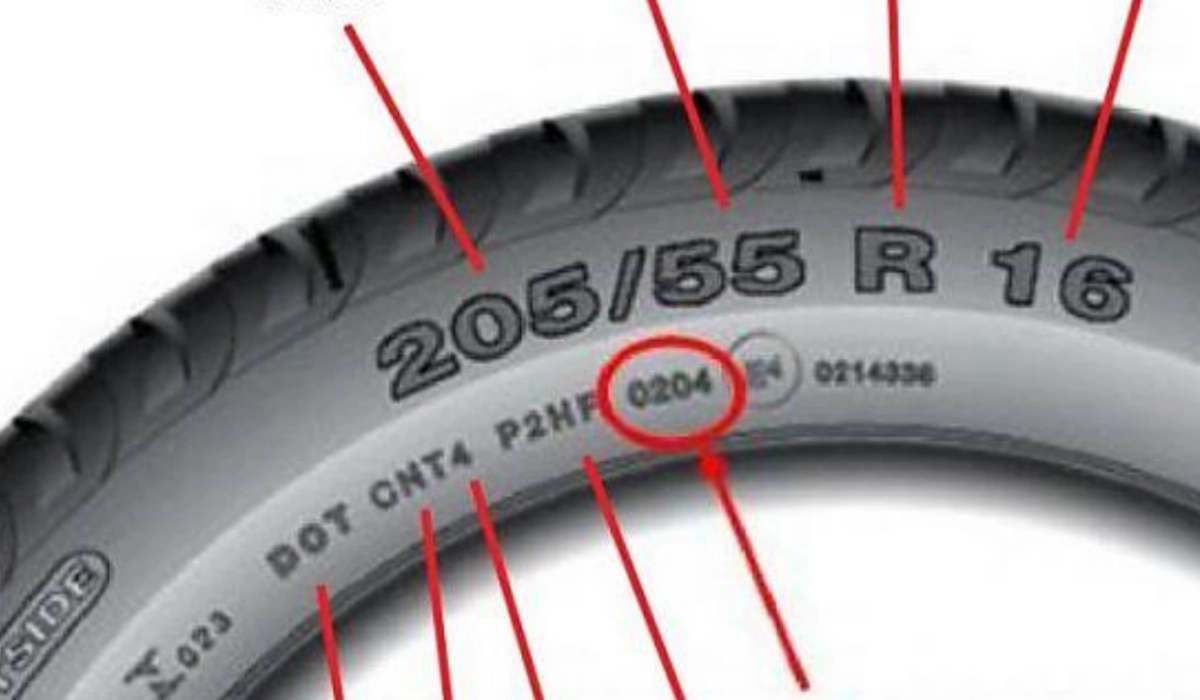
The year of manufacture is circled in this image.
What kind of usage are your tires subjected to?
If you drive longer distances and more often, your tires will wear out faster than the person who works from home and only drives out twice a week. If you drive over uneven surfaces, bad roads, and rough terrain, your tires will wear out faster than if you drive on only smooth roads. Bear all these in mind in thinking of when to change your tires. To put it simpler, more intense use means your tires need to be replaced more often. This is similar to an engine oil change: the more intense and often you drive a vehicle, the more often it will need an oil change.
If any of the above factors explained in this article apply to your tires, it is time to replace them. Do so as soon as possible to keep yourself and other road users safe. Happy motoring.
Author:Mister Mobility
Digital Skills and Communication Coach | Mobile Phone Connoisseur since 2001 | Tech Blogging since 2004
Add MobilityArena as a preferred source on Google
A wireless car charger is a must-have accessory for anyone who spends a lot of time on the road. These chargers allow you to charge your phone without the hassle of cords or adapters, making it easier than ever to stay connected or navigate while you’re on the go. With so many options available, it can be tough to know which one to choose.
In this guide, I’ll be sharing the best wireless car chargers available in 2023 to help you find the perfect one for your needs. I’ll cover everything from charging speed and compatibility to ease of use. So, let’s get started and find the wireless car charger that’s right for you!
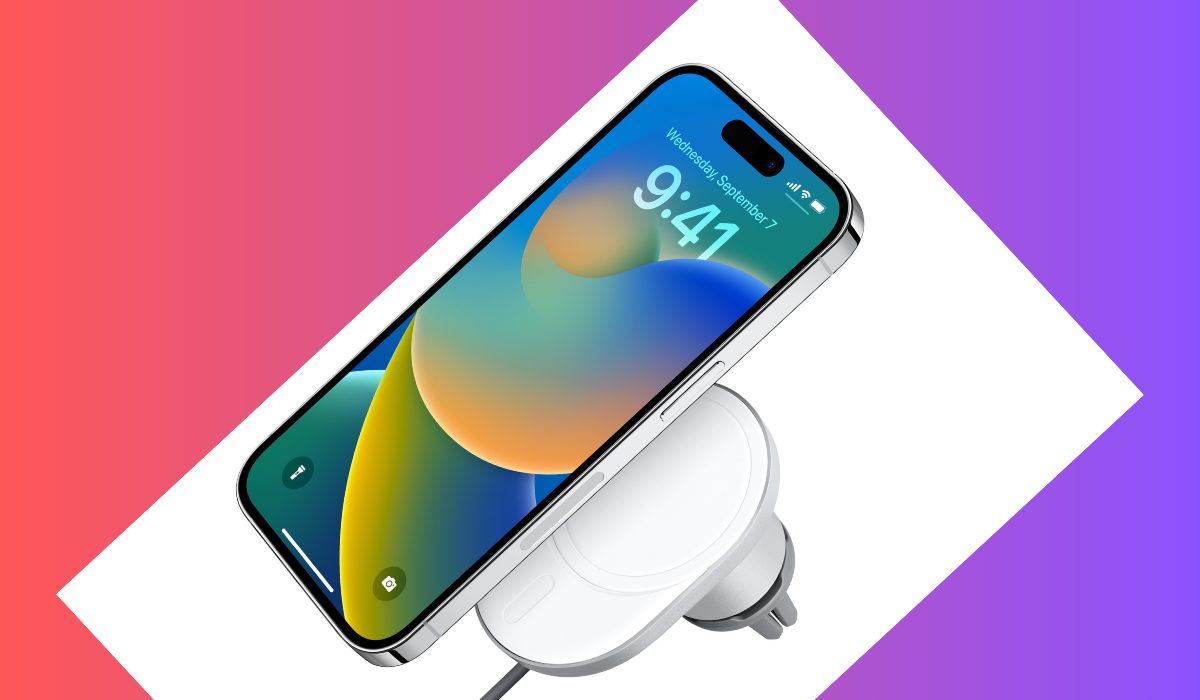
- What Are The Best Wireless Car Chargers in 2023? iOttie Auto Sense ESR HaloLock ZeeHoo Doodbi iOttie Velox Magnetic
What Are TheBest Wireless Car Chargers in 2023?
When you’re driving, getting a low-battery notification on your smartphone can be stressful, especially if you’re relying on it for navigation. Smartphones have become essential tools for music, navigation, and communication, but they can quickly run out of battery during long commutes. To avoid this problem, it’s a good idea to use wireless car chargers. With it, you can enjoy all the benefits of your smartphone without worrying about losing power. That being said, below are some of the best wireless car chargers in 2023
iOttie Auto Sense
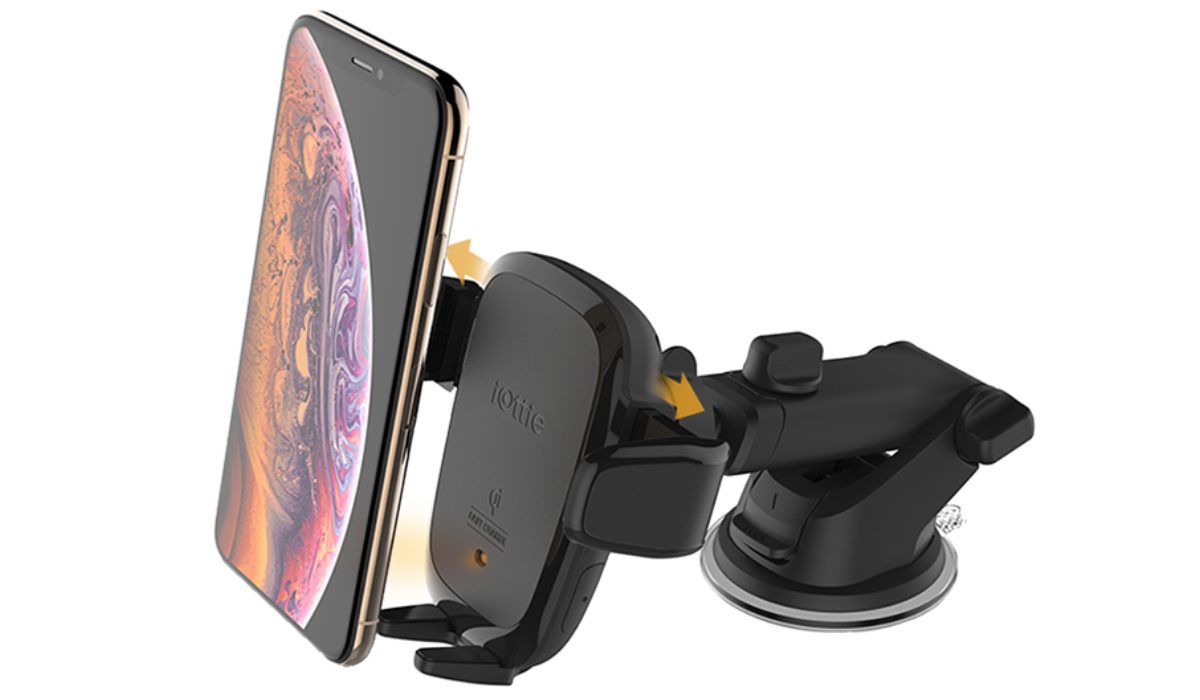
Both pocket-friendly and larger devices can fit easily into the iOttie Auto Sense , which makes it one of the most adjustable car charging mounts. It automatically widens its claw grip to suit smartphones of all sizes. There are two feet on the bottom for convenient alignment with the coils of the charger. The charger rotates and supports use in both landscape and portrait modes. It comes in several variations, which include an AC vent, dashboard, windshield, and cup holder.
Its arm can be easily moved while driving and varies in length from 5 to 8 inches. Even with an Otterbox case that is quite thick, the iOttie is strong and powerful enough to charge. It supports fast wireless charging at 7.5 watts for iPhones and 10 watts for Android devices. It also has a two-year warranty and a long micro-USB charging cable. Despite the fact that it uses microUSB rather than USB-C, it is still one of the best wireless car charging alternatives available.
ESR HaloLock
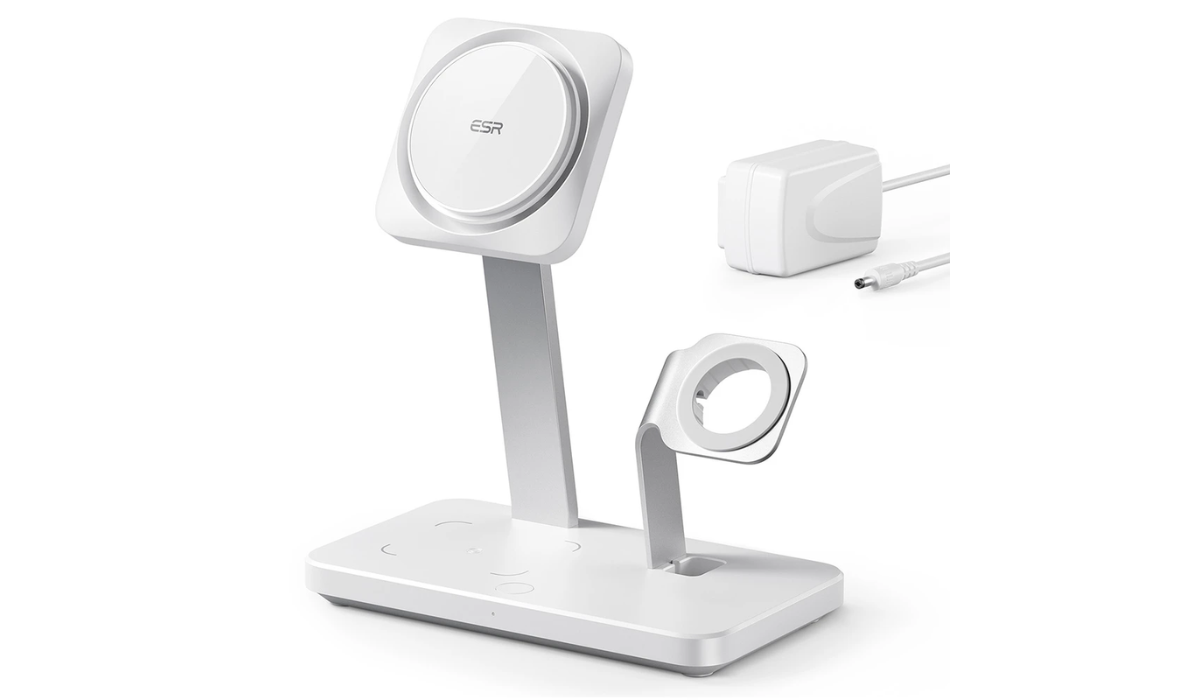
The ESR HaloLock charger is another great option, especially for iPhone users who have MagSafe technology. This charger is easy to use and doesn’t require any adhesive magnets or case attachments. You can choose from two options: one that sticks to your car’s air conditioning vent and another that uses a suction mount for your dashboard or windshield.
The HaloLock wireless car mount is designed to hold the latest iPhone model in place magnetically. It can charge devices quickly using up to 18 watts of power and can manage heat efficiently. The charger has a powerful ring of magnets that ensures your phone stays secure, even on bumpy roads. Although it delivers only half the power of Apple’s official MagSafe charger , it’s still worth buying because it’s affordable and durable.
ZeeHoo
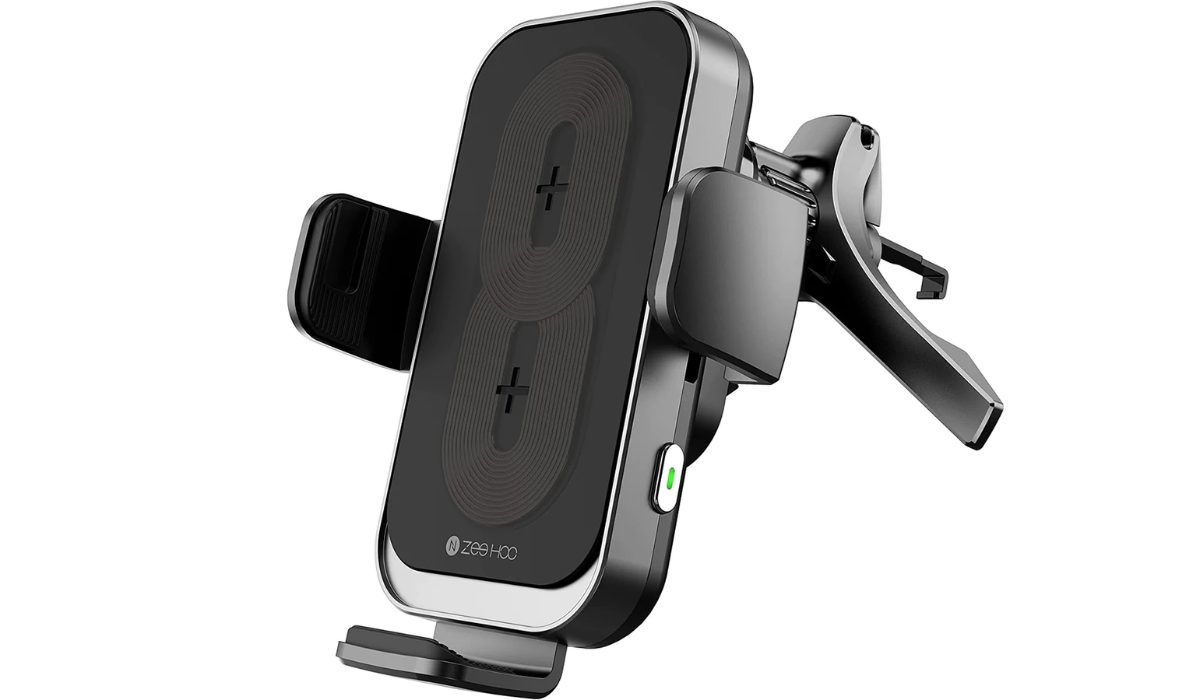
The ZeeHoo is a low-cost charger with an auto-opening clamp that will fit almost any smartphone. Android users can charge at up to 15 watts (among the quickest wireless car charger speeds). It includes a USB-C cord and a strong suction cup for mounting to your car’s air vent, windshield, or dashboard. This charger is compatible with iPhones and has a charging capacity of up to 7.5 watts. The upgraded version costs $20 less than the original iOttie but does not come with a cigarette lighter adapter.
Additionally, it has an auto-sensing telescopic arm that enables fast charging of Qi-enabled devices, including smartphones. The suction cup and USB-C cable that come with the charger enable 360-degree rotation for a clear view of your smartphone’s display. The pivoting ball offers quick charging of up to 10W and Qi compatibility, as well as easy adjustment to almost any angle. The wireless car mount is easy to insert, as dropping the phone into the holder locks the clamps in place without any hassle with cables or placement. All in all, it’s one of the best options you’ll find for wireless charging purposes.
Doodbi
Doodbi ‘s wireless car charger is an excellent choice for those who need to charge their phone while driving. It’s compatible with practically any phone model and can charge your phone quickly, up to 15 W, depending on the charging cable you select. To use the wireless car mount, bring your phone close to the device, and the mount’s sensors will detect nearby phones and release clips to accept them.
The charger firmly holds most phone models and protective cases, eliminating the need to remove your case before charging. Although the grips can block the volume or power buttons on some phone models, overall, this wireless car charger is the best for fast charging and is compatible with most phone models.
iOttie Velox Magnetic
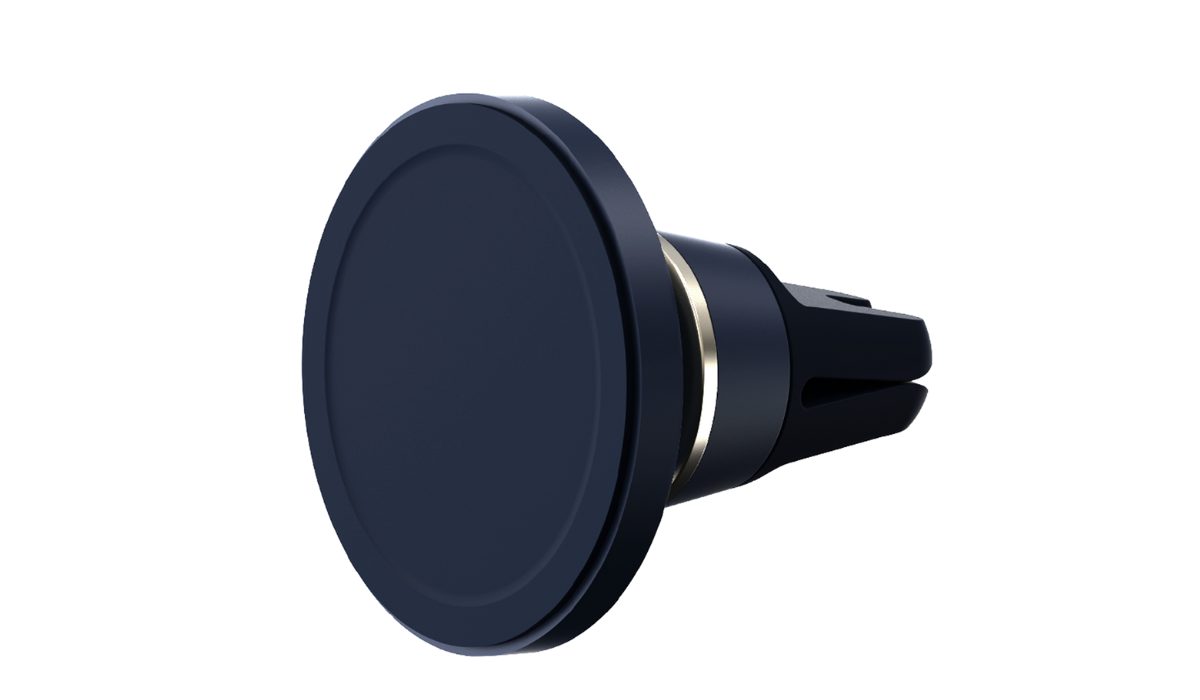
The iOttie Velox charger employs a circular array of seven powerful magnets, resulting in a more streamlined and user-friendly wireless charging experience than previous chargers. It has a telescoping arm and a suction-cup mount for simple attachment on dashboards or windshields. The soft silicone cover protects iPhones from scratches, and the sturdy suction cup ensures secure charging.
The charger, which is designed for iPhone 12, 13, and 14, produces half the power of Apple’s certified MagSafe charger. Although a 12-volt USB-C power adapter is included, the USB cable is not removable, and it’s quite expensive. Fortunately, iOttie offers a 2-year warranty on the charger.
To sum up, wireless car chargers are a convenient way to keep your phone charged while driving. There are many options available on the market, each with its own unique features and capabilities. This guide has covered the best options available using useful criteria such as compatibility with phone models, charging speed, and ease of use. So, feel free to select the option that works best for you. Also, don’t forget to check out other useful buying recommendations in this category .
