Add MobilityArena as a preferred source on Google
Keeping your Samsung Smart TV updated is crucial to ensuring that you have access to the latest features and improvements. Updating your TV will enhance your viewing experience with better performance, new apps, and an improved user interface. Because just like with smartphone devices. outdated software can cause your TV to slow down, apps to crash, and even create security vulnerabilities.
In this article, I’ll show you step-by-step instructions on how to update a Samsung Smart TV, regardless of the model you have. You’ll learn different ways to get the latest version of your TV software, and how to update apps on Samsung Smart TV. So, follow me on this journey to keep your TV updated to enjoy the latest features and improvements.
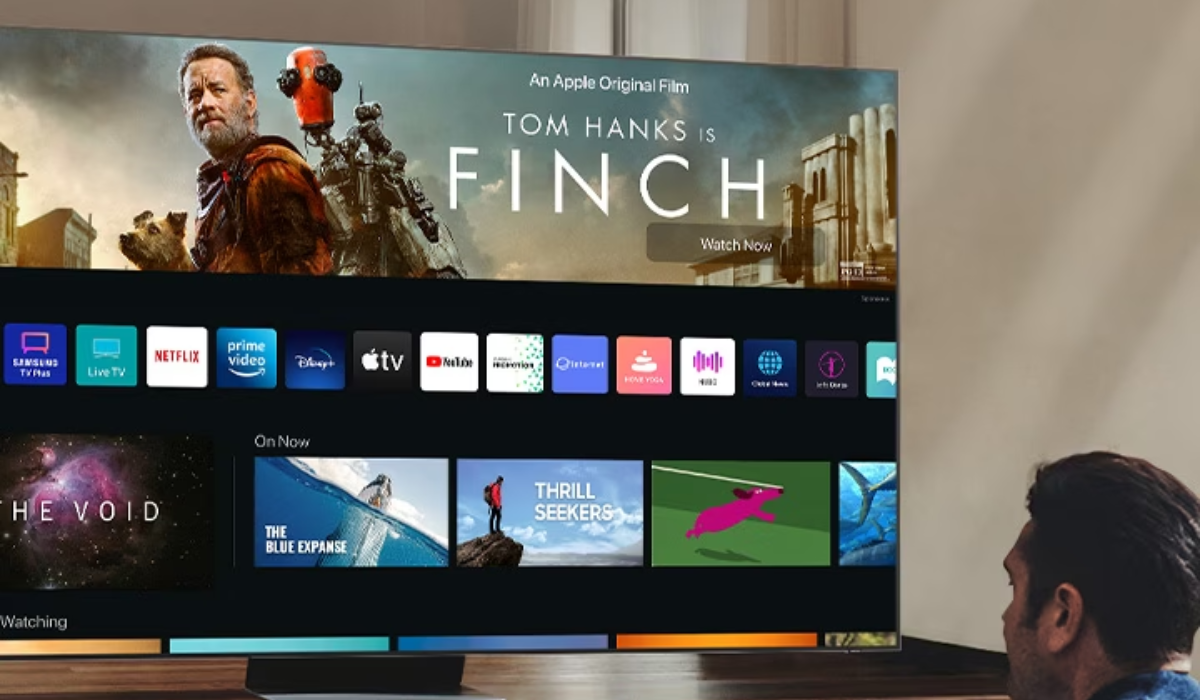
- How To Update A Samsung Smart TV Set Your TV to Automatically Update Update Samsung TV Manually Via Internet Update Samsung Smart TV Manually Using USB
- How to Update Apps on Samsung Smart TV
How To Update A Samsung Smart TV
So updating your Samsung Smart TV software is important for optimal features and smooth operation. To complete the update process for your Samsung Smart TV seamlessly, you’ll just need to follow a few simple steps.
Set Your TV to Automatically Update
Setting your Samsung smart TV to automatically update is the simplest way to ensure it gets the latest updates. The Samsung OS, like your phone, computer, or tablet, searches for updates whenever you switch on the TV or at specified intervals, depending on the configuration. That way, you won’t have to worry about keeping them up to date. Here is how to update your Samsung Smart TV automatically:
- Go to the Menu
- Navigate to Settings .
- Select Support .
- Choose Software Update .
- Click on Auto Update and turn it on.
Whenever your TV detects a new update and you turn it on, before you can watch anything on it or use the TV’s other features, it will first download and install the update. Depending on the nature of the update, this could take several minutes. Also, if you choose Auto Update and an update becomes available while you are watching TV, the update will download and install in the background so the entire process will be complete the next time you turn on the TV.
Update Samsung TV Manually Via Internet
You can also manually enable firmware/software updates if your television is connected to the Internet. Here’s how to update your Samsung Smart TV manually over the Internet:
- Use your TV remote to navigate to the Menu .
- Choose Settings .
- From there, choose Support .
- Select Software Update .
- Select Update Now to download and install new updates.
Updates generally take a few minutes, so don’t turn off your TV until the update is finished. Once the update is complete, your TV will restart automatically. If there are no new updates available, press OK to exit the Settings menu and continue using your TV as usual.
Update Samsung Smart TV Manually Using USB
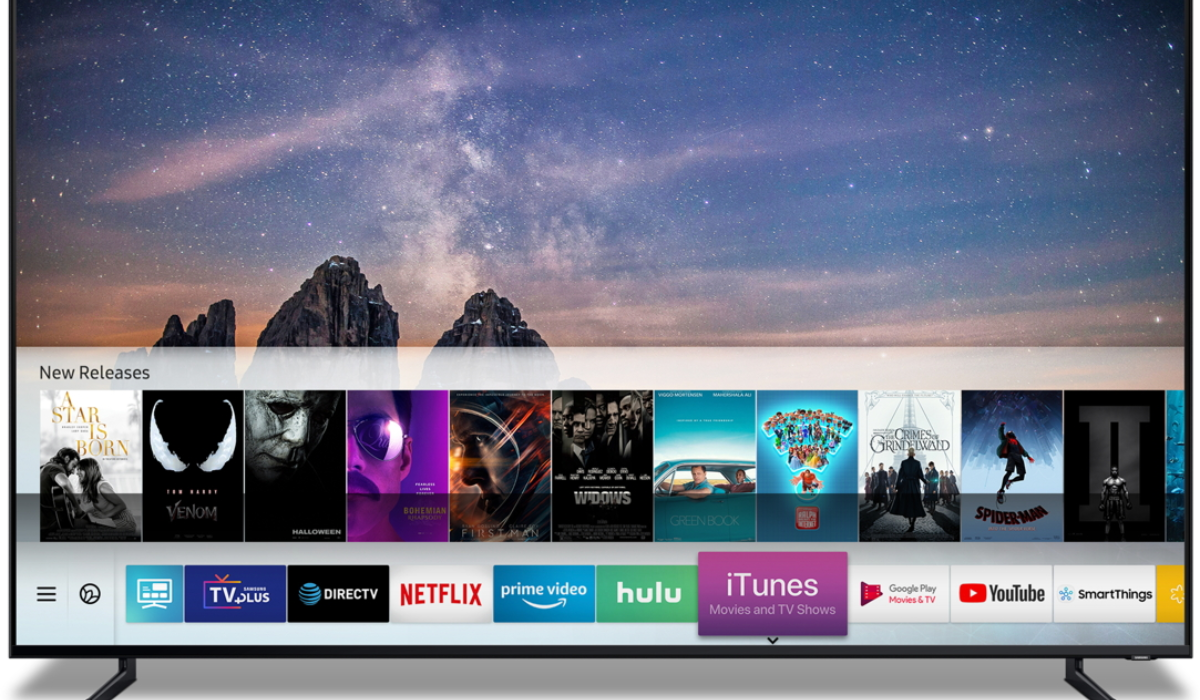
If your TV isn’t connected to the Internet or you prefer to install software/firmware updates locally, you can do so through USB; it’s straightforward enough, although it does take some time. To use this method, first download the update to your PC or laptop; follow the steps below:
- Navigate to the Samsung online support site .
- You can either select your Product category and then search for your Smart TV or monitor , or you can search for your model number to go to the support website for your specific model.
- Find the firmware file for your device under Downloads on the support website.
- If you discover numerous firmware versions, install the most recent one.
- To download the compressed file, click the Download button next to the firmware version.
- Locate the file and unzip it after the download is complete. Usually, there is just one folder within, although there could be more files.
- All of the files contained in the zip file should be copied or moved to a USB flash drive; don’t put them inside other folders. The TV or monitor won’t recognize the software folders if you put them inside a folder on the USB flash drive.
- Insert the USB drive containing the software upgrade into your device’s USB port.
- Using the remote on your device, go to Menu , choose Settings , and finally click Support . Click Software Update , choose Update Now , and when prompted, click Yes .
- The USB drive will be scanned by your device for the update files.
- Follow the on-screen instructions to install the updated software.
Updates via this process typically take a few minutes, so don’t turn off the TV until the update is complete. Once this happens, the TV will automatically restart.
How to Update Apps on Samsung Smart TV
To continue using the Samsung apps on your Smart TV, you’ll also have to make sure you have the most recent versions. Each app has its own structure, so this update is different from updating the TV’s system software or firmware.
Setting the TV to update your apps automatically is the simplest method. Here’s how to set Samsung TV apps to automatically update.
- On your TV remote, press the Smart Hub or Home button (models differ based on TV).
- Choose Apps from the menu.
- Select My Apps , then Options , from the menu that appears.
- Enable the Auto Update option.
If you’re using the manual option, when you select an individual app, you’ll be notified if an update is available. To begin the update process, follow any additional notifications or prompts.
When the update is finished, the app will launch, and you will be able to use it.
To sum up, updating your Samsung Smart TV is a quick and easy process that can be done in just a few steps. By following these tips, you’ll be able to get the most out of your TV and stay up-to-date with the latest features. If you’d like more useful Samsung tips, be sure to check out this category .
Author:Joan Agie
Add MobilityArena as a preferred source on Google
Ever found yourself staring at a mountain of tasks with an incredibly tight deadline? You’re not alone. Every day, countless college students struggle to manage their multitude of responsibilities, trying to balance academics, work, and their social life. It’s the quintessential college dilemma, one that often has you looking up a college essay writing service at three in the morning.
While it is a sure way to deal with the workload, you could also use the alternative route. A method that not only allowed you to manage your responsibilities more efficiently but also gave you time for yourself? Thanks to the advent of mobile apps, specifically designed for time management, this seemingly impossible feat can become a reality. These apps are rapidly gaining traction among the student community due to their convenience, ease of use, and practical application. And if you look closely, you might even discover some of them serve academic needs, such as a reliable app.

Image Source:Unsplash.
- The Significance of Time Management in College
- Overview of Time Management Apps
- Best Time Management Apps for College Students
- How to Maximize the Use of Time Management Apps Understanding the App’s Features Regular Use and Updates Task Prioritization Effective Use of Reminders Integration with Other Apps Set Realistic Expectations
- Conclusion
The Significance of Time Management in College
In the hectic environment of college, time management is akin to a secret weapon that can spell the difference between success and stress. Students are constantly juggling multiple facets of their lives – from challenging coursework and part-time jobs to extracurricular activities and personal commitments. The real difficulty lies in effectively managing all these tasks without burning out.
Here’s why good time management is crucial in college:
- It significantly reduces stress and anxiety, which are often the results of last-minute cramming or rushing to complete assignments.
- It positively impacts your academic performance as you’ll have enough time to thoroughly review and revise your coursework.
- It instills a sense of control over your life, enhancing your confidence and self-esteem, and giving you room to explore other interests or opportunities.
Overview of Time Management Apps
Imagine having a personal assistant that helps you organize your tasks, keep track of deadlines, and reminds you when it’s time to start working on your next assignment. That’s essentially what a time management app does. With the plethora of apps available on various platforms, the challenge lies in choosing one that fits your lifestyle and caters to your needs.
For example, a dedicated writing app, like EssayPro, offers assistance beyond mere assignment scheduling. It aids in honing your writing skills through grammar checks, spell checks, plagiarism detection, and a slew of other features aimed at improving your writing style. Thus, with a single app, you can manage your academic deadlines and simultaneously enhance your writing abilities.
Best Time Management Apps for College Students
Navigating the vast ocean of time management apps can be daunting due to the sheer number of options available. To make the process easier, we’ve compiled a list of the most popular apps among college students, each with its unique advantages.
- My Study Life
Designed with students in mind, My Study Life is a comprehensive app that helps manage every aspect of academic life. From timetables to task managers and exam/assignment reminders, this app keeps track of your academic commitments and alerts you in advance about impending deadlines. The easy-to-use interface and synchronization feature that enables you to access your data across devices make it a favorite among college students.
- Todoist
If you’re a fan of to-do lists, Todoist is the app for you. It allows you to create task lists, prioritize them based on their urgency, and set deadlines. You can also create sub-tasks, making it easier to manage complex assignments. The added benefit of being able to access your lists across multiple devices makes Todoist a handy tool in your time management arsenal.
- Toggl
For those who wonder where their time goes, Toggl provides the answer. It tracks how much time you’re spending on different activities, helping you identify where you might be wasting time and where you can improve your productivity. With detailed reports, it enables you to visualize your time distribution and understand your work patterns.
- Evernote
Evernote is the Swiss Army Knife of productivity apps. It allows you to take notes, create checklists, set reminders, and even save online articles for later reading. The app synchronizes across devices, ensuring your information is always at your fingertips.
- EssayPro App
The EssayPro App is more than just a writing assistant. While it does provide tools for improving your writing proficiency, it also assists in managing your assignment deadlines and offers real-time writing assistance. Its multifaceted approach towards academic improvement makes it an invaluable tool for any college student.

How to Maximize the Use of Time Management Apps
Integrating time management apps into your college routine can be a game-changer, but just like any other tool, the efficacy lies in how you use them. If you’re new to these applications or haven’t been seeing the desired results, the problem might not be with the tool but how you’re using it. In this section, we’ll delve into strategies to maximize the use of time management apps, ensuring they become your reliable allies in the battle against procrastination and disorganization.
Understanding the App’s Features
Before you start depending on an app to manage your time, it’s crucial to familiarize yourself with its features. Each app, be it My Study Life, Todoist, Toggl, Evernote, or the EssayPro App, has unique attributes that distinguish it from others. For example, Toggl specializes in time-tracking, providing detailed reports on where you’re spending your time, while the EssayPro App offers writing assistance along with assignment management features.
Regular Use and Updates
Consistency is key when using time management apps. Regular use not only helps you adapt to the new tool but also ensures the app stays current and in sync with your schedule. It’s a good idea to start your day by reviewing your tasks in the app and updating it with any new assignments or commitments.
Additionally, set aside a few minutes at the end of the day to reflect on what you’ve accomplished and what needs to be pushed to the next day. This routine keeps you aware of your schedule and helps cultivate a habit of planning and reflection.
Task Prioritization
An important aspect of time management is knowing which tasks need your immediate attention. Not all tasks are created equal – some are more critical or urgent than others. Prioritizing helps you focus your energy on what matters most, reducing the stress of feeling overwhelmed.
Most time management apps offer a way to prioritize tasks. You can often assign labels or sort tasks based on their urgency or importance. This feature not only keeps your most pressing tasks at the forefront but also provides a visual representation of your task list, making it easier to manage.
Effective Use of Reminders
The reminder feature is one of the most valuable aspects of a time management app. It acts as your personal alarm, ensuring that important tasks don’t fall through the cracks. However, to use reminders effectively, it’s important not to overdo them. Too many reminders can desensitize you to them, making you more likely to ignore or dismiss them.
The best way to use reminders is to set them for your most important tasks or those with strict deadlines. Additionally, give yourself enough lead time. A reminder set for an assignment due in 15 minutes isn’t as helpful as one set a day or two in advance.
Integration with Other Apps
Most time management apps offer integration with other apps, allowing you to streamline your productivity efforts. This could mean syncing your Google Calendar with Todoist, or integrating Toggl with your preferred project management tool.
This integration ensures that all your tasks are in one place, reducing the need to switch between apps. Additionally, it allows for automatic updates across platforms, ensuring all your tools are up-to-date.
Set Realistic Expectations
Time management apps are tools designed to assist you, but they aren’t magic solutions that will automatically make you more productive. Setting realistic expectations is vital to avoid disappointment.
Understand that these apps aid in organization and planning, but the actual execution of tasks is up to you. They can notify you of an impending deadline, but they won’t complete the task for you. They can track where your time is going, but they can’t stop you from spending hours on social media.
In other words, time management apps enhance your efforts, but they require your active engagement and commitment to be effective.
Conclusion
Using a time management app effectively is a combination of understanding its features, regular use, task prioritization, effective use of reminders, integration with other apps, and setting realistic expectations. By leveraging these strategies, you can ensure that your chosen app serves as a valuable tool in your pursuit of productivity and efficient time management. Like any other tool, the value you get out of it depends on how well you use it, so invest time in learning and regular use. With the right approach, your time management app can become your most trusted ally in navigating the exciting yet challenging landscape of college life.
