Add MobilityArena as a preferred source on Google
If your speakers are not producing any sound, it might be because the correct audio driver isn’t installed. If this is the case, then it’s time to update your sound drivers, especially if you also experience audio problems, such as crackling music or missing sound effects in games, or if your Windows computer is entirely silent.
Even for seasoned computer users, manually updating your audio drivers can be time-consuming and hectic. As a result, we’ve provided different methods in this easy guide with step-by-step directions to aid you.
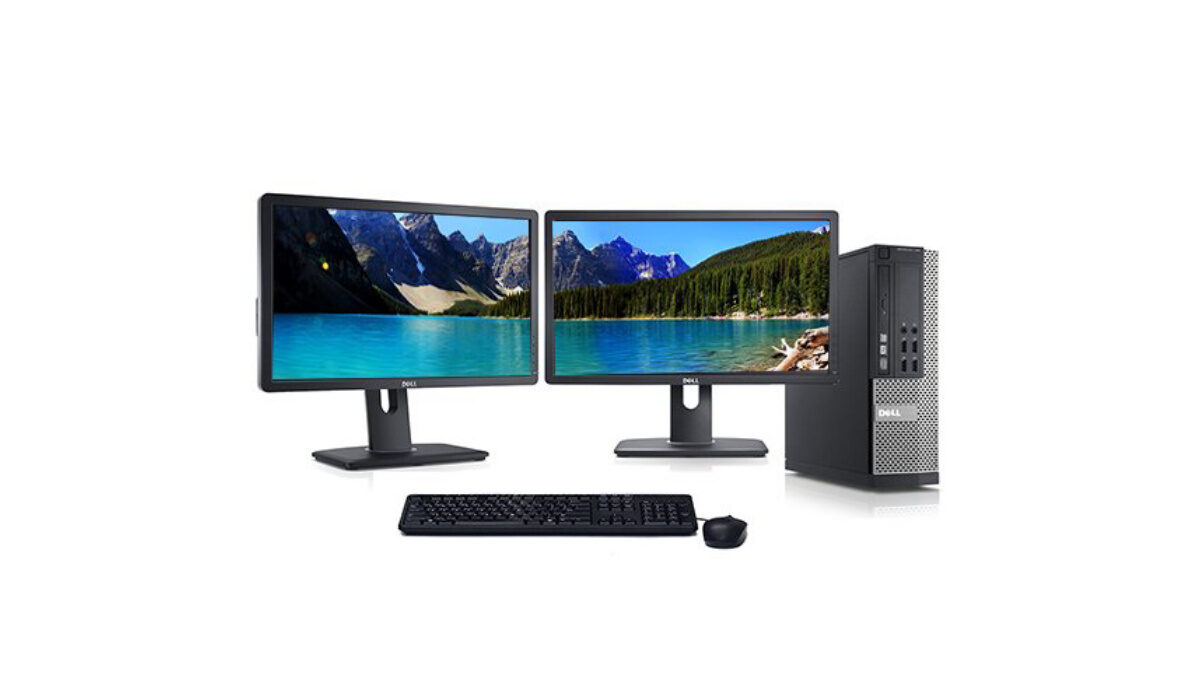
So, keep reading to discover how to update audio drivers on Windows in this article. You’ll learn how to update your sound drivers instantly, automatically, or with special tools on your Windows device.
Updating Sound Drivers Automatically
Using driver updating software makes the process of updating your drivers quite simple. You wouldn’t need to search the internet for drivers or their INF files this way; even the best of geeks find that exhausting.
Using specialized software is a much easier solution. In fact, there are several programs that can help to simplify the procedure and eliminate all the effort because trying to update drivers manually can be extremely annoying.
One such specialized program is Avast Driver Updater, which thoroughly examines your computer, quickly identifies new or updated drivers for you, and, if you choose, keeps them updated automatically. To ensure that your drivers are updated fast and reliably, it examines the compatibility of more than 5 million drivers from more than 1,300 of the most well-known brands.
Using Windows Updates to Update Sound Drivers
Many legitimate and approved drivers are available through Windows Update. The sound chip or card in your computer should function properly even though these drivers typically aren’t the most recent.
Through their integrated Windows Update service, Windows 7 and Windows 10 both provide audio drivers. Here is how to use Windows Update to search for sound drivers on Windows 7:
● Select Control Panel from the Start menu by clicking on it.
● Windows Update and System and Security should be selected next.
● Select the option to Check for Updates .
● Watch for the outcome. Whether in the main view or the category for optional updates, search for audio drivers.
● Choose “Install” from the menu. That’s all you need to do!
On Windows 10 devices:
● Choose Settings by clicking the Start button in the bottom left corner.
● Click Windows Update & Security after that. Updates can be checked here.
● When any audio drivers are discovered, they will be automatically installed.
Using Device Manager to Update Audio Drivers
You’re good to go if Windows Update discovered files that needed updating and you can hear music and audio properly now. If the sound is still not working, Windows Update most likely failed to locate the correct driver.
You will have to actively search for them in such situations. Generally speaking, this means you’ll need to look for sound drivers on your device. Using Device Manager, we’ll demonstrate how to accomplish this on devices that run Windows 7 and Windows 10.
On Windows 7 devices:
● Select Properties after you right-click on Computer . Toggle the Device Manager option.
● Find the name of your sound card under Audio , Video , and Game Controller .
● You’ll need to click the name of your audio card twice. The Driver tab should then be selected. Afterward select Update Driver .
● Choose the “Search Automatically” option to check for driver software updates. Repeat these procedures and choose “Browse my computer for driver software” if that doesn’t turn up anything.
● The driver software must first be downloaded before installation. From the manufacturer’s website, you should typically be able to do this easily.
● Sometimes there will be no installer included with the driver. If so, keep track of where you obtained it (it might be in your Downloads folder, for instance) and extract that folder. Select “Let me pick from a list of available drivers on my computer” in the Update Driver Software popup.
● Click Browse after selecting Have Disk . Go to the folder where the new driver is located. You must search for files with the “.inf” extension since these files include all the data required for updating drivers.
● To install the driver, click Next . You should get a notice that says “Windows has successfully updated your Drivers” after a short while.
On Windows 10 devices:
● Device Manager can be found by typing it into the Start menu. In the search results, select the Device Manager entry.
● Look for game controllers, video, and audio equipment. Windows will display the hardware connected to the audio chip in your machine.
● To access the Driver tab, double-click the audio entry. At this point, select the Update Driver option.
● Choose “Search automatically” to check for driver software updates.
● Return to Update Driver and choose “Browse my computer for driver software” if the Windows search provides no results
● Keep in mind that you must first obtain the driver software from the manufacturer’s website before you can install it.
● An installer might come with the driver that you download. If not, locate the driver file (it almost always ends in “.inf”) in your Downloads directory and extract it. Next, select the “Let me pick from a list of available drivers on my computer” option from the Update Drivers dialog box.
● Click Browse after selecting Have Disk . Go to the location where the driver you just downloaded is located. These files will typically contain all the data required for updating drivers.
● To install the driver, click Next . You should get a notification saying “Windows has successfully updated your drivers” after a short while.
Summarily , any of the methods we’ve described above should help you update your sound drivers easily and enjoy better audio on your Windows device. Just ensure that you follow the instructions correctly.
We also advise that you recommend this article to any of your loved ones who is looking for a similar fix for their Windows device.
- Don’t miss our mobile phone reviews .
- Follow our news on Google News .
- Join our WhatsApp Group , to be notified of the most important articles and deals,
- Follow us on Instagram , Facebook , Twitter , and YouTube .
Author:Joan Agie
Add MobilityArena as a preferred source on Google
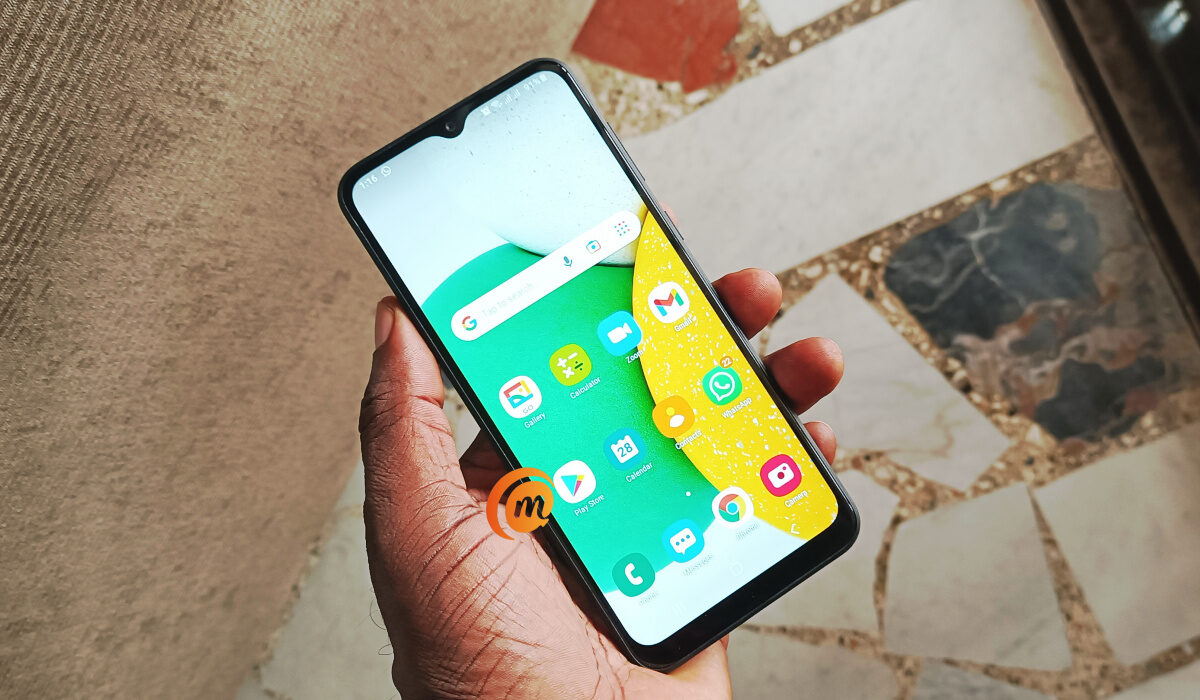
To record calls from your Samsung, you don’t need to download anything; simply follow a few simple steps. Don’t worry, you’re not the only one who has wanted to record calls from their Samsung. Samsung smartphones include features that allow users to record calls, but few people know how to use them. As a result, in this blog post, we will show you how to record calls on a Samsung phone.
Have you ever wanted to record some important phone calls on your Samsung smartphone? You’ve come to the right place. You’ll be surprised at how simple the process is once you figure out how it’s done. To learn how to record calls on your Samsung, you just have to follow the steps below.
- To Record Calls On A Samsung Phone
- How To Record WhatsApp Voice and Video Call
- Recording WhatsApp voice calls with Cube ACR
- Recording WhatsApp Video Call
To Record Calls On A Samsung Phone
- First, open the Phone app on your Samsung.
- Then tap the three-dot menu in the top right corner.
- Next, go to Settings.
- Look for the Record calls option, it’s under the spam protection feature.
- Finally, you activate the feature by clicking allow.
That’s it! That is all you need to do to enable the call recording feature on your Samsung. As shown above, it is a simple process. However, there are a few things to keep in mind when recording phone calls.
If you don’t see this option, open the phone app and confirm that you want to use this feature as the default. If you have done all of this and still do not see the option to record calls, Samsung may have disabled this functionality in your country for legal reasons. If this is your situation, the only thing you can do is look into whether call recording is legal in your country or speak with a Samsung representative directly.
When you enable this feature, a call recording interface appears, from which you can begin a recording or schedule automatic recordings. This option has three modes:
- All calls,
- Call unsaved numbers and,
- Call specific numbers.
Keep in mind, however, that automatic individual call recordings can be combined with any of the other behaviors. Similarly, if your device does not ring, you will always have the option to review the settings.
Fortunately, you don’t need to install any third-party apps to record calls on your Samsung smartphone. Furthermore, the recorder works even when the battery-saving mode is enabled, which could be very useful when you need to record something but your phone’s battery is running low.
However, if your Samsung does not support this feature for whatever reason, you will need to download an app to record calls on Android. Although there are many on Google Play, we recommend ACR Call Recorder because it is effective and simple to use. This tool will automatically record your calls and save them in the app itself, so you never have to worry about anything again.
How To Record WhatsApp Voice and Video Call
According to Business of Apps data, approximately 55 million video calls are made through WhatsApp every day, totaling approximately 2,000 million minutes of duration per day. Because of this, WhatsApp is not only the most popular instant messaging app in the world, but it is also one of the platforms preferred by users for chatting with family and friends.
However, WhatsApp calls are not without flaws. There are missing features that could be helpful to everyday users. One of them is the ability to record calls, which has unfortunately yet to appear in the application. Fortunately, we can capture the calls we make through WhatsApp using third-party tools.
Recording WhatsApp voice calls with Cube ACR
Even though Google appears to be putting more and more obstacles in the way of call recording app developers, the vast majority of them can be used to record voice calls on WhatsApp without issue. Cube ACR is one of the most popular, with over 5 million installations on Google Play and a rating of 4.7 stars out of 4.
Although the app was designed to record traditional voice calls (those made over a mobile network), Cube ACR also allows you to record audio from calls made via a variety of apps, including Skype, Line, and, of course, WhatsApp.
All you have to do is download the app and then select which apps you want to record the audio from — in this case, WhatsApp. It will also be possible to enable automatic recording, which will eliminate the need to start recording manually every time a call is made.
Recording WhatsApp Video Call
When it comes to recording video calls, the process is simplified since all you have to do is use one of the many Android apps that allow you to record the screen, as well as the audio captured by the device’s microphone.
MNML Screen Recorder, a very simple application that allows us to capture the device’s screen as well as the external audio, was chosen in this case due to its ease of use and the fact that it is completely free.
To record WhatsApp calls with this app, you must start the screen recording just before entering the call. Fortunately, the app allows you to add a shortcut to the system’s quick settings panel, allowing you to start recording with a single touch.
Furthermore, for MNML Screen Recorder to record the voices of the other members of the video call (remember that WhatsApp allows you to add up to 4 participants), it is recommended that the volume of the device be turned up high enough so that the microphone can capture the audio. As you can see, even though it is not a direct option in the application, recording WhatsApp calls and video calls is not difficult. These solutions will also work in the vast majority of Facebook-compatible messaging and communication apps.
Author:Moses Udah
Creative, teacher, web content writer, copywriter, and student.
