Add MobilityArena as a preferred source on Google
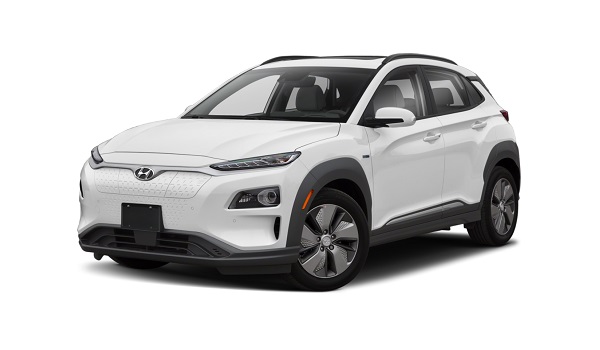
Hyundai Kona Electric is an EV version of the regular Hyundai Kona compact SUV, swapping the latter’s petrol engine for an electric engine. It is a front-wheel drive (FWD) vehicle.
It exists in three battery pack options: a 39.2kWh variant, a 64KWh variant, and a 150kW variant. Regardless of the battery variant you select, the Kona EV uses a 201HP electric motor.
- Hyundai Kona Electric Models
- How fast does the Hyundai Kona Electric charge?
- How fast is Hyundai Kona Electric?
- What is the driving range of the Hyundai Kona EV?
- Other Hyundai Kona Electric Specs
- How much is Hyundai Kona Electric?
Hyundai Kona Electric Models
- Kona EV SEL FWD – 39.2kWh battery pack
- Kona EV Limited FWD – 64KWh battery pack
- Kona EV Ultimate FWD – 150kW battery pack
How fast does the Hyundai Kona Electric charge?
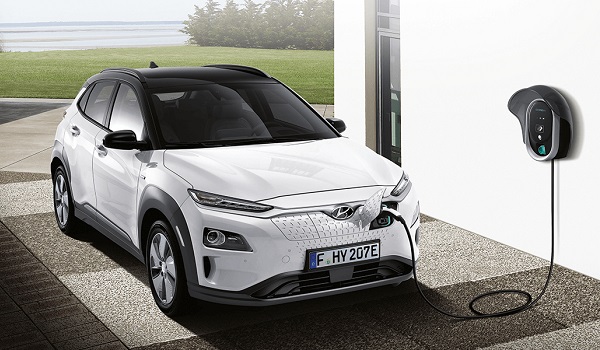
Using a 100kWh DC charger or a 50kwh DC fast charger at a charging station, both the 39.2kWh and 64kWh battery cariants can can be fully charged from 10% to 100% per cent in about an hour.
The 64kWh variant does the same in roughly one hour and 15 minutes.
If you want to charge it at home from the mains, you will need to keep your Hyundai Electric Kona plugged in for at least 17 hours to go from 10% to a full charge.
How fast is Hyundai Kona Electric?
Hyundai says the Kona EV Limited and Ultimate have a top speed of 104 mph (167 km/hour) and accelerates from 0 to 100 km/hour in 7.6 seconds.
The more basic SEL 39 kWh trim has a slightly lower top speed of 96.3 mph (155 km/hour).
What is the driving range of the Hyundai Kona EV?
The manufacturer says that the 64kWh variant will go 279 miles (or 449 kilometres) on a fully charged battery. Real life figures will vary depending on driving conditions, including how fast you go. This a solid performance though, as it is one of the longest ranges available in this class of vehicles.
The Hyundai Kona Electric SEL trim with a 39 kWh battery pack has a shorter range, understandably, of 176 miles (289 km).
Other Hyundai Kona Electric Specs
Across all different trims, the Hyundai Electric Kona SUV includes a touchscreen infotainment system that is compatible with both Android Auto and Apple CarPlay. There is Bluetooth connectivity, as well as USB ports.
In addition, it offers Blind-spot Monitoring, Automated Emergency Braking, Lane Keeping Assist, Lane Departure Warning, and other asisted driving features.
You will also be able to remotely start and stop the charging of the car via the Bluelink app. That is possible only if you left it connected to a chrger though. If not, you are out of luck and have to go plug in the car first.
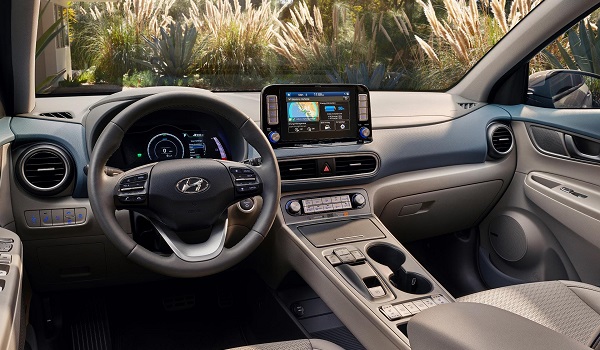
The Hyundai Kona Electric Limited trim adds leather upholstery, auto-dimming rearview mirror, LED exterior lighting, automatic high-beam headlamps, and a wireless smartphone-charging pad.
If you opt for the Kona EV Ultimate trim, you can connect multiple devices to the builtin infotainment system. It is also the only variant that has adaptive cruise control and pedestrian-detection technology.
How much is Hyundai Kona Electric?
There are models available from 2019, 2020, and 2021. The 2019 model was the original. The car gained bigger navigational displays and battery warmers in the 2020 model. The 2020 and 2021 models are the same, as Hyundai made no changes.
Prices start from $38,045 for the Kona EV SEL trim, $43,185 for the Kona EV Limited trim, and $46,785 for the Hyundai Kona Electric Ultimate trim.
The Kona EV is available in different countries and regions around the world, including the United States of America, Canada, United Kingdom, Europe, Nigeria, India.
Author:MobileChic
That motivated, gadget-loving geeky chic who tries to stay on top of things. Unapologetic iFan.
Add MobilityArena as a preferred source on Google
I used to be a lover of the smartphone stylus, that pen-like tool used to stab at and scribble on touchscreens. My first was the Ericsson R380 . I also owned a Motorola A008 . Fast forward to 2021 and I am no longer a champion of the stylus. As far as I am concerned, the stylus is dead. This afternoon, my friend and fellow blogger, Habeeb , buzzed me to ask if I knew why Infinix had stopped shipping their Note series with a stylus.
To be honest, I hadn’t thought of it until he asked the question. But thinking of it, it is clear to me that a lot of people did not want it. And the numbers do not lie about that. There is no significant demand for a stylus on modern smartphones. If a lot of people did not want the smartphone stylus or pen, what was the point of incurring and slapping on the extra costs?
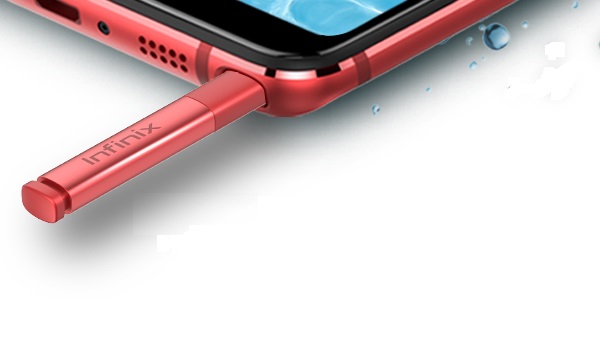
Is the smartphone stylus dead? Mister Mobility believes it is.
There is a very narrow use-case scenario for a stylus with a modern smartphone – artistic creatives. Not a lot of people are artists. And so, they do not need a smartphone stylus. Habeeb further went on to asked me if I would buy a phone that has the option of a stylus, like the Galaxy S21 Ultra. My answer was a definite no, and I will tell you why. You see, a long time ago, I came to the conclusion that I no longer need a stylus.
A smartphone stylus offered improved text entry back in the days when phones mainly had alphanumeric keyboards. And so, when devices like the Ericsson 380 and Motorola Accompli showed up, those of us who needed to do a lot of text entry on our mobile devices gravitated to them.
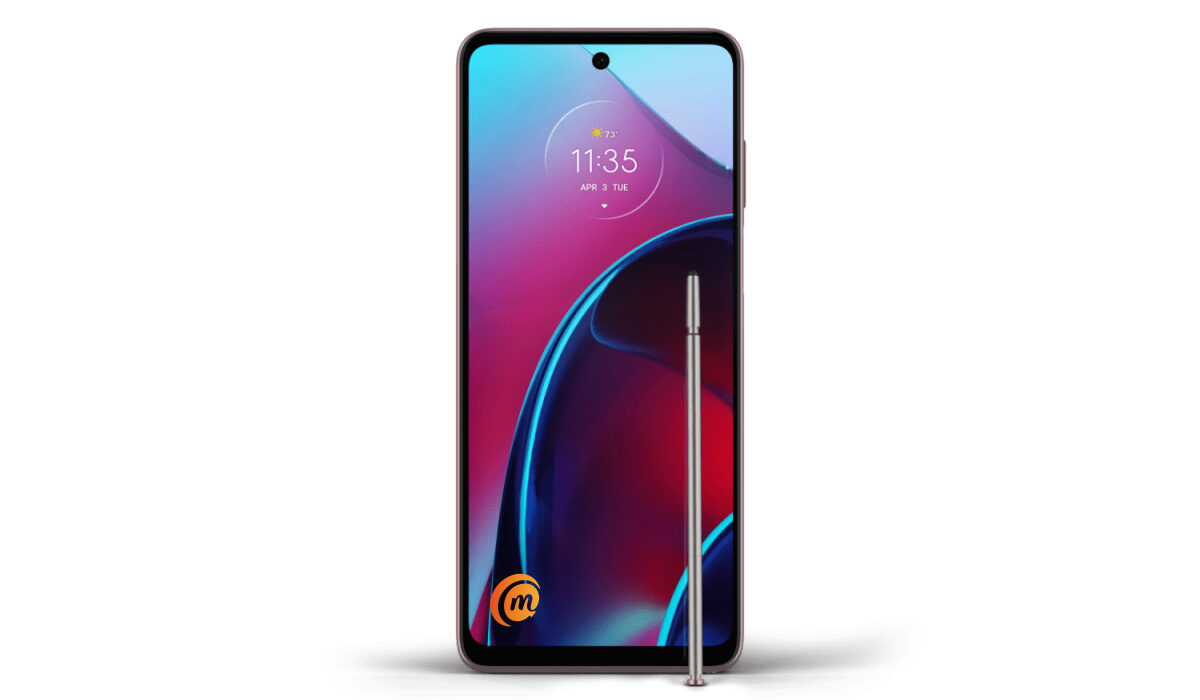
Motorola Moto G with a smartphone stylus
Why The Smartphone Stylus Is No Longer Needed On Phones
The smartphone stylus and the old school resistive touchscreens met that need for easier text entry back then. The resistive touchscreens in use then did not support the use of fingers. Following after the R380 and A008, touchscreens with stylus became more popular and we saw models like Sony Ericsson P800 , P900 and others take centre stage in the smartphone world.
Once QWERTY keyboards showed up, the value proposition for a smartphone stylus dropped. And with the arrival of capacitive touchscreen phones that supported the use of fingers, that value proposition nosedived even further. Samsung is the last standing champion of the stylus pen on smartphones. People may look at the sales of the Galaxy Note series and say that is proof that there is still huge demand for the stylus. And they would be wrong.
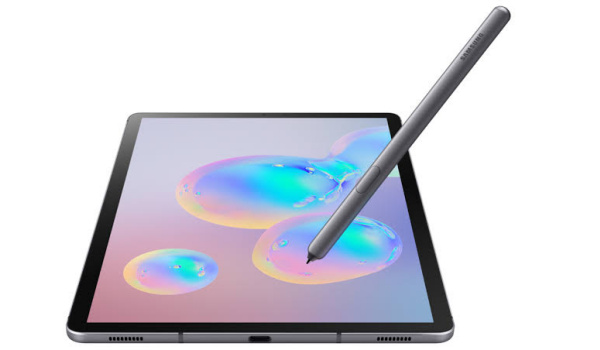
Samsung Galaxy Tab S6 5G with a smartphone stylus
It is so far from the truth. The Galaxy Note series is proof that there is a huge demand for powerful.smartphones. Samsung’s Galaxy Note phones are some of the most powerful – and they just happen to come with a stylus. Samsung could do away with the smartphone stylus and their Galaxy Note (now discontinued and replaced by the Galaxy S21 Ultra ) would still sell like hot cake.
The smartphone stylus as a phone accessory is dead. It has largely outlived its usefulness in today’s world. It will remain in use by a few artistic people who use tablets and iPads for creative purposes. People like artists, designers, and the like. But beyond that, the smartphone stylus is dead to the rest of the mobile world.
- Don’t miss our mobile phone reviews .
- Join our WhatsApp Group , to be notified of the most important articles and deals,
- Follow us on Instagram , Facebook , Twitter , and YouTube .
Author:Mister Mobility
Digital Skills and Communication Coach | Mobile Phone Connoisseur since 2001 | Tech Blogging since 2004
