Add MobilityArena as a preferred source on Google
The Kia EV6 has garnered significant attention for its stylish design, impressive performance , and advanced technology in the electric vehicle market. However, as with any new model, users have reported several challenges. From issues with charging compatibility to concerns about driver assistance features and limited cargo space, many users have expressed their frustrations. Additionally, problems such as inconsistent infotainment system performance and visibility challenges have also been noted. Addressing these complaints is essential for maximizing your enjoyment of this innovative electric vehicle. By implementing practical solutions, you can navigate these challenges effectively and make the most of your Kia EV6 ownership experience. Let’s explore some common complaints associated with the Kia EV6 as I provide practical solutions to enhance your ownership experience.

- Charging Issues
- Limited Cargo Space
- Sleep Mode Issues
- Driver Assistance Features
- Infotainment System Usability
- Visibility Concerns
- Conclusion
Charging Issues
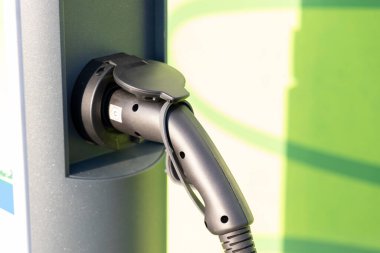
Many users have reported problems with charging, including difficulties with home chargers and public charging stations. Complaints range from the vehicle not charging at all to interruptions during charging sessions. Follow these simple steps to resolve the issue:
- Check Compatibility: Ensure that your home charger is compatible with the Kia EV6 and meets the recommended specifications.
- Use High-Quality Cables: Invest in high-quality charging cables to avoid connection issues.
- Software Updates: Regularly check for software updates from Kia that may address charging-related bugs.
- Visit a Dealership: If problems persist, schedule an appointment with your dealership to diagnose any potential hardware issues.
Limited Cargo Space
Some owners of the have expressed dissatisfaction with the cargo space, feeling it does not meet their needs compared to other electric SUVs. I recommend you do the following:
- Utilize Roof Racks: Consider adding a roof rack or cargo box for additional storage capacity during trips.
- Organizational Accessories: Use storage bins or organizers to maximize the available space and keep items secure.
Sleep Mode Issues

A peculiar complaint among EV6 owners is the so-called “sleep mode,” where the vehicle fails to engage drive mode despite all systems appearing operational. Follow these recommendations to get this issue resolved:
- Lock and Unlock: If you encounter this issue, try locking the car and waiting for a few minutes before unlocking it again to reset the system.
- Battery Reset: As a last resort, disconnecting the 12V battery can reset the system, but this should only be done if necessary.
Driver Assistance Features

Some users of the Kia EV6 have reported that certain driver assistance features, such as collision intervention systems, can be overly sensitive or erratic. Applying these simple solutions will get it resolved:
- Adjust Settings: Familiarize yourself with the settings for driver assistance features and adjust their sensitivity according to your preferences.
- Disable When Necessary: If a feature is causing frustration, consider disabling it temporarily until you feel comfortable using it again.
Infotainment System Usability
Users have mentioned that the infotainment system can be slow to respond or unintuitive at times, which can detract from the overall driving experience. These simple recommendations will help get over it:
- Regular Updates: Ensure your infotainment system is updated regularly to improve performance and user interface.
- Familiarization: Spend time learning how to navigate the system while parked to increase efficiency while driving.
Visibility Concerns
- Use Parking Sensors and Cameras: Rely on parking sensors and rearview cameras when navigating tight spaces.
- Adjust Mirrors Properly: Ensure side mirrors are adjusted correctly to minimize blind spots.
Conclusion
The Kia EV6 is an impressive electric vehicle that offers a blend of performance, technology, and style. While some users have encountered challenges, many of these issues can be addressed through practical solutions and adjustments. By implementing these strategies, you can enhance your overall experience with the EV6 and enjoy all that this innovative electric vehicle has to offer. As electric vehicles continue to evolve, manufacturers like Kia are committed to improving their products based on user feedback. Staying informed about updates and features will ensure your Kia EV6 remains a reliable and enjoyable choice for your electric driving needs. If persistent issues arise, don’t hesitate to reach out to Kia customer support for further assistance or potential solutions tailored to your specific concerns.
Author:Ifeoluwa Adeleke
Add MobilityArena as a preferred source on Google
Digital trust was one of the major discussions at the Annual Meeting of Federal, Provincial and Territorial Ministers of Canada on the 17th of September, 2024. This shows you how highly important it is. Digital trust and cyber-security is even a proposed 6 weeks course for visionary leaders at the London Business School , to happen between Feb. 24 to April 11th of 2025. This means one thing, it is becoming a major concern in the global system. Imagine this: You’re sitting in your favorite coffee shop, sipping a latte while scrolling through your phone. You casually enter your credit card details to order a new pair of shoes online. But as you do, a nagging thought crosses your mind—how secure is this transaction? Will my information be safe? This scenario highlights the critical importance of digital trust in our increasingly interconnected world. It is no longer just a buzzword; it’s the foundation upon which our online interactions are built. It encompasses the confidence users have in the security, privacy, and integrity of their digital experiences. Let me show you what digital trust means, why it matters, and how organizations can foster it to create a safer online environment for everyone.

- What is Digital Trust?
- Why Does Digital Trust Matter?
- How Can Organizations Foster Digital Trust?
- Conclusion
What is Digital Trust?

At its core, digital trust refers to the confidence that individuals and organizations have in the security and reliability of digital systems. It involves several key components:
- Identity Verification: Ensuring that users are who they claim to be is paramount. This includes robust identity management practices that prevent unauthorized access and protect sensitive information.
- Data Privacy: Users want assurance that their personal information will be handled with care and respect. Organizations must adhere to regulations like GDPR, ensuring transparency and accountability in data handling.
- Secure Communication: Encryption and secure protocols are essential for protecting data during transmission. This prevents eavesdropping and tampering, ensuring that conversations remain confidential.
- Risk Mitigation: Understanding potential threats and having strategies in place to address them builds trust. When users know that an organization is proactive about security, they are more likely to engage with it.
- Transparency: Open communication about how data is used and protected fosters trust. Organizations should be clear about their policies and practices, allowing users to make informed decisions.
Why Does Digital Trust Matter?

In today’s digital landscape, where cyber threats are rampant, establishing digital trust is more important than ever. Here’s why:
- User Confidence: When users feel secure, they’re more likely to engage with services, share personal information, and make purchases online.
- Competitive Advantage: Organizations that prioritize digital trust can differentiate themselves from competitors. Trustworthy brands attract loyal customers who value security.
- Regulatory Compliance: With increasing regulations surrounding data protection, maintaining digital trust helps organizations comply with legal requirements and avoid penalties.
- Reputation Management: A single data breach can tarnish an organization’s reputation for years. By building digital trust, companies can mitigate the impact of potential incidents.
How Can Organizations Foster Digital Trust?

Building digital trust requires a multifaceted approach. Here are some practical steps organizations can take:
- Implement Strong Identity Management: Use multi-factor authentication (MFA) to add an extra layer of security when users log in. This ensures that even if passwords are compromised, unauthorized access is still prevented.
- Prioritize Data Privacy: Clearly communicate privacy policies and ensure compliance with relevant regulations. Allow users to control their data preferences and provide options for opting out of data sharing.
- Enhance Security Measures: Regularly update software and systems to protect against vulnerabilities. Conduct security audits to identify potential weaknesses and address them proactively.
- Educate Users: Provide resources that educate users about online safety practices, such as recognizing phishing attempts or creating strong passwords.
- Be Transparent: Share information about security measures taken to protect user data. Transparency builds confidence and reassures users that their information is safe.
- Engage with Users: Create channels for user feedback regarding security concerns or experiences. Listening to user input helps organizations improve their practices and build stronger relationships.
Conclusion
As we navigate an increasingly digital world, the importance of digital trust cannot be overstated. It’s not just about securing transactions; it’s about fostering relationships built on confidence and reliability. By implementing robust security measures, prioritizing data privacy, and maintaining transparency, organizations can build a solid foundation of digital trust that empowers users to engage confidently in the online realm. So next time you enter your credit card information or share personal details online, remember that behind every secure transaction lies a commitment to building trust—a commitment that benefits us all in this interconnected digital landscape.
