Add MobilityArena as a preferred source on Google
Think about you gliding through downtown traffic in a compact, quiet ride that turns heads — not because it’s flashy, but because it’s smart. You cruise past SUVs stuck in gridlock, slip into parking spots they could only dream of fitting into, and do it all without burning a drop of fuel. That’s the everyday experience of drivers embracing low-speed electric vehicles (LSVs). These zippy little cars, which look like a modern twist on a golf cart, are becoming a go-to option for city dwellers in the U.S. Inspired by the growing popularity of micro-EVs in Europe and Asia, low-speed electric vehicles are gaining serious traction stateside as people look for cleaner, simpler ways to get around. With no engine noise, no tailpipe emissions, and minimal parking hassle, it’s easy to see why low-speed electric vehicles are making waves. They’re not just a trend — they’re a smarter, more sustainable way to navigate urban life.

- What Exactly Are Low-Speed Electric Vehicles?
- Why Are LSVs Suddenly Everywhere?
- From Europe and Asia to American Streets: The LSV Trend Goes Global
- Who’s Driving LSVs? (Spoiler: It’s Not Just Retirees)
- Tech Features: Not Just Cute—They’re Smart
- The Catch: Challenges and Opportunities
- Conclusion
What Exactly AreLow-Speed Electric Vehicles?
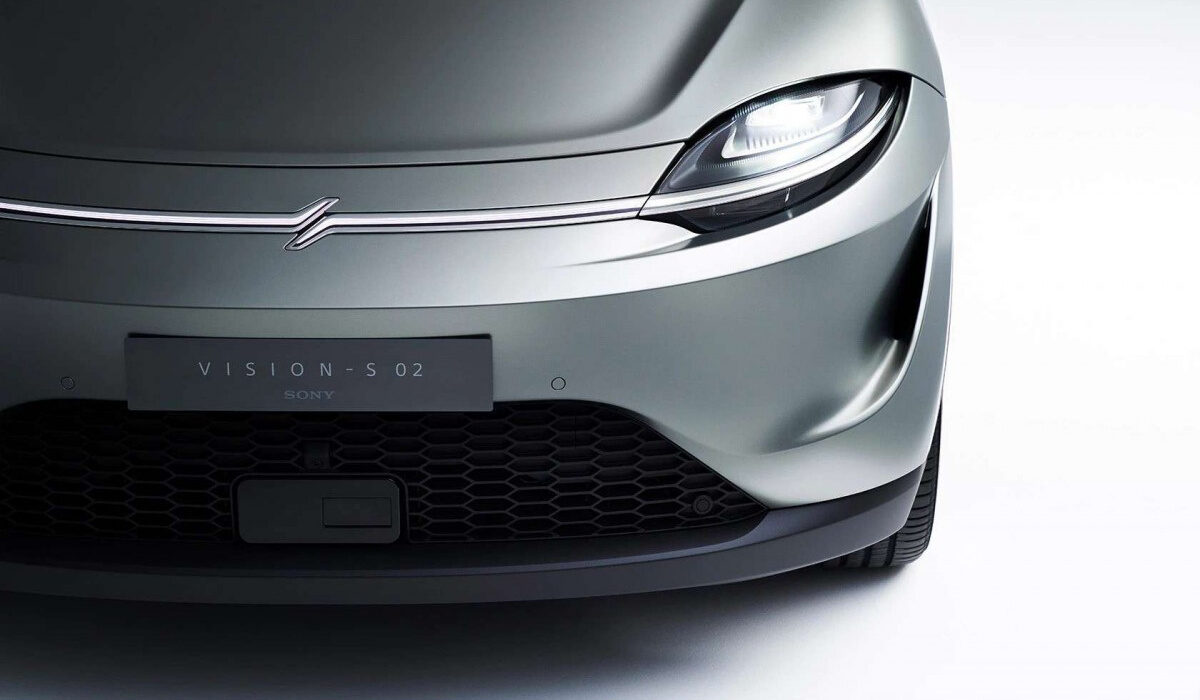
Let’s get the basics out of the way. LSVs, or Low-Speed Electric Vehicles, are compact, battery-powered cars designed to travel at modest speeds—typically topping out at 25 mph (about 40 km/h). Unlike your average golf cart, these little dynamos are street-legal on roads with speed limits up to 35 mph and come equipped with essential safety features: seat belts, headlights, mirrors, and turn signals. Think of them as the ultimate city car for short hops, errands, or campus commutes—without the guilt trip from your eco-conscious friends.
Why Are LSVs Suddenly Everywhere?
Urban congestion is getting worse, and let’s face it, nobody enjoys circling the block for parking or sitting in bumper-to-bumper traffic. LSVs offer a practical, cost-effective solution for quick-distance commuting in crowded city environments. Their small size means they’re a breeze to maneuver and park, and their zero-emission operation makes them a darling of city planners and sustainability advocates alike.
Governments are also sweetening the deal with subsidies and incentives to encourage adoption, hoping to reduce urban pollution and make city life a little more breathable. And with urban populations booming, these pint-sized EVs are becoming the go-to for anyone who wants to get around efficiently without contributing to the smog.
From Europe and Asia to American Streets: The LSV Trend Goes Global
The U.S. is catching up to a trend that’s already electrified Europe and Asia. In Europe, micro-EVs (or NEVs—Neighborhood Electric Vehicles ) have become a staple, especially among younger drivers and families looking for affordable, practical transportation. With aggressive electrification policies and bans on new gasoline cars looming, European cities are seeing a surge in these compact EVs. In China, micro-EVs began as a rural phenomenon but quickly found a home in urban centers, thanks to their low cost and ease of use.
Now, U.S. cities are seeing a similar boom. American manufacturers and importers have refined their LSVs to meet strict safety and performance standards, making them more appealing and accessible than ever. Demand is rising, and orders for these vehicles have nearly doubled in the U.S. over the past year.
Who’s Driving LSVs? (Spoiler: It’s Not Just Retirees)
Sure, LSVs are a hit in retirement communities and college campuses—where their low speed and easy handling are perfect for short trips. But the appeal is much broader:
- Urban dwellers love the maneuverability and parking ease.
- Eco-conscious commuters appreciate the zero emissions.
- Delivery services are exploring LSVs for last-mile logistics.
- Parents in Europe are buying them for teens who need a safe, affordable way to get to school.
Tech Features: Not Just Cute—They’re Smart
Today’s LSVs are more than just basic runabouts. Manufacturers are integrating GPS, IoT connectivity, and smart safety systems to enhance comfort and user experience. As battery technology improves, we’re seeing longer ranges and faster charging, making LSVs even more practical for daily use.
The Catch: Challenges and Opportunities
Of course, LSVs aren’t perfect. Their limited speed and range mean they’re best for short trips, and charging infrastructure—especially in some U.S. cities—still needs work. But with advances in battery tech and growing investment in urban charging stations, these hurdles are shrinking fast.
Conclusion
If you’re a tech enthusiast fed up with the daily grind of traffic and noise, Low-Speed Electric Vehicles might be exactly what you’ve been waiting for. These compact, efficient rides aren’t just some futuristic trend—they’re a real, practical answer to urban congestion. With lower emissions, lower costs, and a much smaller footprint, Low-Speed Electric Vehicles are already changing the way people move through cities across the globe. So whether you’re commuting to work, running errands, or just cruising around the neighborhood, Low-Speed Electric Vehicles make city living a whole lot cleaner, quieter, and more enjoyable.
Author:Ifeoluwa Adeleke
Add MobilityArena as a preferred source on Google
If you’ve been thinking about making the switch to an electric vehicle, now might be the perfect time. Electric car lease deals in June are turning heads, with prices that feel like a throwback to the good ol’ days. Whether you’re looking for a budget-friendly commuter car or just want to reduce your carbon footprint without breaking the bank, this month’s offers are seriously hard to ignore. One of the standout electric car lease deals in June is the Kia Niro EV, available for as low as $129 per month. Yep, you read that right—$129. Deals like this are making EVs more accessible than ever, especially for drivers who want a modern ride without the hefty upfront cost. But before you sign on the dotted line, it’s worth keeping an eye on the bigger picture. New tariffs and the potential rollback of federal EV tax credits could impact pricing and availability soon. So while electric car lease deals in June are hotter than ever, they might not last much longer. Bottom line? If an EV is on your wishlist, now’s a great time to explore your options and take advantage of these limited-time offers while they’re still around.

- The Scoop on Electric Car Lease Deals in June
- Why Are These Deals So Good (And Will They Last)?
- The Tariff and Tax Credit Tango: What It Means for You
- Conclusion
The Scoop on Electric Car Lease Deals in June

Kia Niro EV Wind — $129/month (with $3,999 due at signing) This is not a drill. The Kia Niro EV Wind is currently the cheapest EV lease deal in America. For just $129 a month over 24 months, you get a solid commuter EV that’s perfect if you have a cozy spot to plug in overnight. It’s not the fastest charger on the block, but hey, Rome wasn’t built in a day, and neither was the perfect EV charger. Hyundai IONIQ 6 SE Standard Range — $169/month (with $3,999 due at signing) If you want something a bit sleeker with a futuristic vibe, the Hyundai IONIQ 6 is a steal at $169 per month for 24 months. Bonus: Hyundai throws in a $400 complimentary charger (installation not included—because, of course, there’s always a catch). Tesla Model 3 — $349/month (with $0 to $1,044 due at signing depending on the deal) Tesla’s iconic Model 3 is still holding strong with a lease deal around $349/month for 24 months. Not the cheapest, but considering it’s a Tesla, that’s a pretty sweet deal. Plus, with a $7,500 incentive included, it’s a tempting option for those who want to roll in style and tech. Nissan Ariya — $129/month (with $4,409 due at signing in some regions) The Nissan Ariya SUV got a significant price cut recently, making it another contender for budget-conscious EV lovers. In places like Southern California, you can snag it for $129/month over 36 months, with loyalty bonuses for current Nissan or Infiniti owners.
Why Are These Deals So Good (And Will They Last)?
Automakers are eager to move inventory, especially with tariffs and tax credit uncertainties looming over the EV market. That means more incentives and better lease deals for you, the savvy shopper. But here’s the kicker: tariffs on imported vehicles and components—think batteries and semiconductors—are driving up production costs. This often translates into higher lease payments down the road. So, while you’re enjoying these wallet-friendly deals now, there’s a chance that tariffs could make EV leases less affordable in the near future. Plus, there’s chatter about potential cancellations or reductions of federal EV tax credits, which currently offer up to $7,500 for qualifying new EVs. Losing or shrinking these credits could sting your wallet harder than a summer sunburn.
The Tariff and Tax Credit Tango: What It Means for You
- Tariffs on EV Components: The U.S. has slapped tariffs on imported batteries and parts, which are crucial for EVs. This bumps up costs for manufacturers and leasing companies, who then pass those costs on to consumers through higher lease payments.
- Tax Credit Uncertainty: The federal EV tax credit is a big deal—up to $7,500 off. But political debates and budget considerations might put this credit in jeopardy. If it disappears or shrinks, expect lease deals to get less attractive since manufacturers often factor these credits into their pricing strategies.
- Supply Chain Snarls: Tariffs can cause delays in vehicle deliveries, which means your dream EV might take longer to get to your driveway. Not exactly the instant gratification we tech geeks love.
Conclusion
If you’re thinking about making the switch to electric without going all in on a purchase, now’s a great time to test the waters. Electric car lease deals in June are looking especially attractive—like the Kia Niro EV at just $129/month, which feels like stumbling on a hidden gem. It’s affordable, practical, and lets you enjoy the EV experience with minimal commitment. That said, stay informed. Electric car lease deals in June might look different depending on how tariffs and tax incentives shake out, so timing could be everything. Still, if you’re ready to plug in and go, electric car lease deals in June offer one of the most accessible entry points into the EV world.
