Add MobilityArena as a preferred source on Google
Video game fans are very persistent people. If they want something, they will let you know. Real gamers know for sure that playing Game Karma is a pleasure. Believe it or not, the Mario Party series has a lot of fans these days. As a rule, these are people who grew up during the Nintendo 64 and for whom there is nothing dearer than the angular polygons of the 64-bit era.
For this reason, we still want to return to the frankly outdated Mario Kart 64 and fondly remember the original Mario Party. Although scary, they had a magic that dozens of sequels could not convey. And finally, what everyone seemed to be asking for happened: a de facto remake of those very first games authored by Hudson Soft. But what came of it?
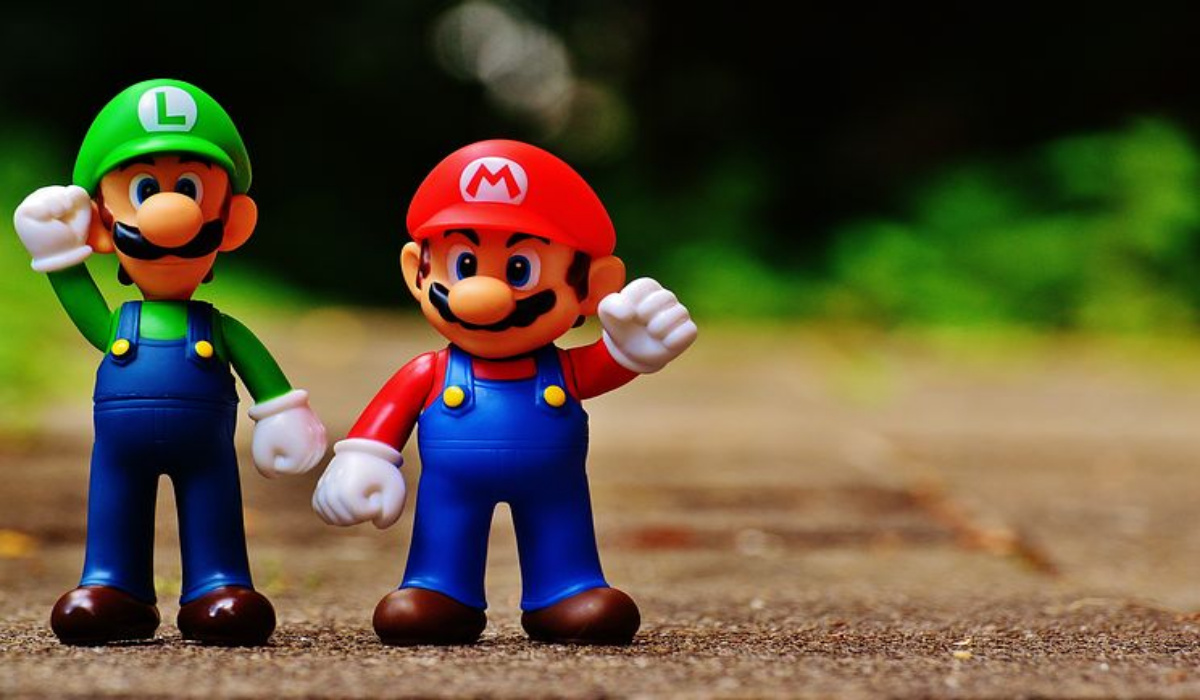
Favorite Mario Party game
Everyone has their favorite Mario Party game, as well as their least favorite. Fans of this seemingly very casual series are actually surprisingly aggressive, and they can be understood: each new part should take them back to their childhood when everything was better and clearer. But NDcube did not set itself such a task: for which each new part was a chance to squeeze the maximum out of the console and show all its features.
Mario Party 8 used motion controls, while Mario Party 10 made the most of the screen controller. But these gimmicks have long become boring to many — people asked to return to the roots, and this is exactly what happened with the release of Mario Party Superstars. No more experiments.
Whether you like this move or not, everyone decides for themselves. Nintendo did exactly what everyone asked of it — rewound twenty years and returned everything as it was, along the way canceling dozens of changes that have occurred in recent years. And if the old ones are happy, the relatively new players will be surprised. There are no more unique dice for each character or support heroes. Many mechanics that complicated the very essence of the game have disappeared. In every sense, Mario Party Superstars is a step backward. But what a regression is for someone, for others, it is a long-awaited nirvana.
Mario Party Superstars
Mario Party Superstars offers five original boards from the first three games to choose from. Each of them is almost unrecognizable thanks to a graphical upgrade, and it’s nice to look at them. And in this sense, the novelty is one of the most beautiful releases on the platform, with bright and saturated colors and a lot of little things.
As for the gameplay, it is as simple and concise as possible. The developers have either removed all the unpopular innovations of recent years or made them disabled. Don’t like bonus stars after playing? Disable them. Do you want to limit the time of the game so that one session does not take you an hour and a half? Set the required number of moves. You can even select minigames from the N64 or GameCube era only or filter them by type. Considering how rarely Nintendo gives us something to customize — this variety of settings cannot but rejoice.
Author:Content Partner
Add MobilityArena as a preferred source on Google
Due to incorrect settings, glitches in the software, or hardware issues, your iPhone may stop ringing out loud when you get calls or texts. This is a problem because it may cause you to unintentionally miss crucial family and professional calls, which is never ideal.
If this is an issue you’re currently experiencing, there’s no cause for alarm. In this guide, we’ll discuss a few potential causes for your iPhone not ringing out loud. We’ll also walk you through the solutions to fix this issue and get your device to ring properly again.
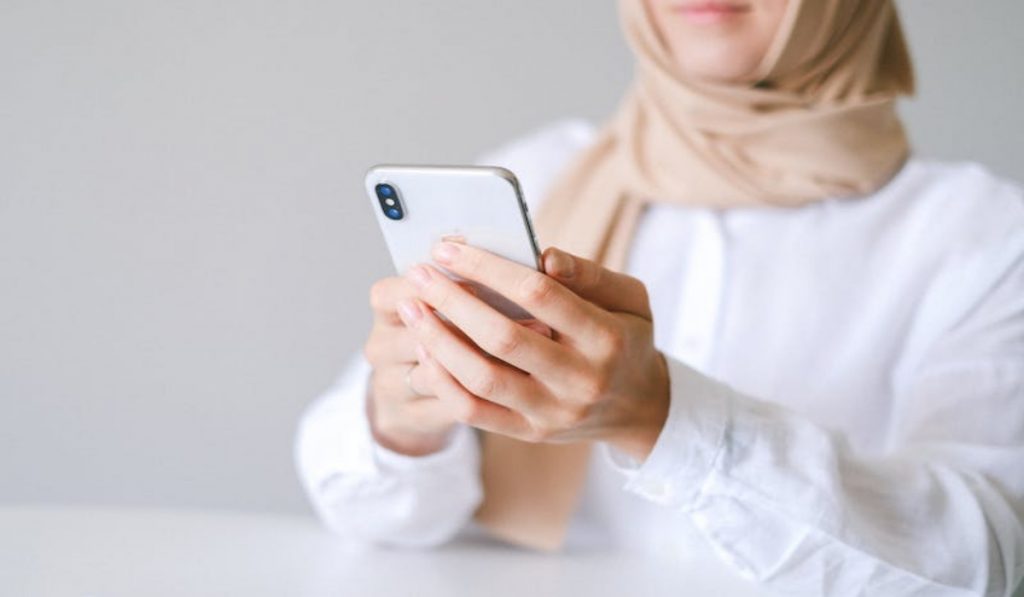
Why Is My iPhone Not Ringing Out Loud During Incoming Calls?
Generally, you can rule out hardware failure as the cause of your iPhone’s silence if it hasn’t been physically damaged by a severe fall or another incident. Play some music on YouTube or any other music app to be sure. To turn up the volume on your device, press the Volume Up button on the side. You shouldn’t be concerned if you hear any sounds, which means the speaker is working just fine. You might need to repair the iPhone speaker otherwise.
Once you’re certain that the speaker is functioning, then it’s time to look to improper settings or temporary software issues as the most likely causes for your iPhone not ringing. This could mean you’ve placed the phone in Do Not Disturb or Silent Mode, the ring volume is too low, you’ve blocked incoming calls from unfamiliar numbers, or more. All of these issues will be resolved by the solutions we’ve recommended below.
How Do I Fix My iPhone So It Rings Out During Incoming Calls?
If you’ve confirmed that your speaker is working fine, then you can try one of the fixes below:
Fix iPhone Not Ringing Out: Disable Silent Mode
When you get a call while your iPhone is in vibrate-only mode, it won’t ring. You need to set your phone back to ring mode by flipping the Ring/Silent switch toward the screen in order to correct this. You’ll find this switch on the top left of your iPhone, above the volume up and down buttons.
The slider is usually closer to your phone’s screen while it is in ring mode. It will display an orange strip when it’s in silent mode. Sometimes, you may flip this switch by mistake, so always ensure to check this setting first if you’re not hearing your phone ring out during incoming calls.
Fix iPhone Not Ringing Out: Disable Do Not Disturb
iPhone calls, texts, and app notifications are usually silenced and the vibration is turned off by the Do Not Disturb function. Your iPhone won’t ring for incoming calls if you’ve unintentionally turned Do Not Disturb on.
Open the Control Center and check to see if the crescent moon icon shows purple and if its box is lit up to confirm this. Do Not Disturb mode is on when the icon is purple, so you’ll need to tap this box to make it inactive. Now whenever you receive a call, you should hear the ringtone. The same holds true for your iPhone’s Work and Personal Focus settings.
Fix iPhone Not Ringing Out: Disconnect Any Connected Bluetooth Audio Devices
Your incoming call ringtone may play through your AirPods instead of the phone speaker if you leave such wireless audio devices connected to your iPhone. This typically occurs with earphones from other brands that don’t recognize when you’re wearing them.
By using the Control Center and clicking the Bluetooth icon, you may turn off all wireless devices. Go to Settings > Bluetooth to individually disconnect devices. Incoming calls should begin to play through your iPhone’s speakers after you unplug your Bluetooth devices.
Fix iPhone Not Ringing Out: Increase the Ringtone Volume
Sometimes, you may hear the ringtone but it’ll sound really faint. If you turn up the ring volume, you can remedy this in a flash. This is how to do it:
- Select Sounds & Haptics from the Settings menu. This feature is known as Sounds on earlier iPhone models.
- Move the slider for Ringer and Alerts to the right. Your ringtone will be louder the further to the right it is.
Additionally, you might wish to disable the Change with Buttons function. By doing this, you can avoid accidentally turning down the ringtone volume with the physical volume controls. The volume controls will only adjust the volume for media when this option is off, not your ringtone.
Fix iPhone Not Ringing Out: Disable the “Turn Off Unknown Callers” Feature
The Silence Unknown Callers function on iPhones running iOS 13 and later mutes all incoming calls from callers who aren’t in your contact list. Additionally, it blocks calls from individuals you have never contacted or whose numbers you’ve never received (via call, text, or email).
With this setting turned on, you might not hear the incoming ringtone if someone like a delivery person or distant relative calls you. If you decide to disable the setting, follow these steps:
- Click Phone in the Settings app.
- Turn off Silence Unknown Callers from the following screen by tapping it if it reads On beside it.
In summary , these actions can help you restore your iPhone to a normal ring during incoming calls. You could also consider restarting your device or double-checking in case you’ve blocked the caller. These are other issues that could be causing your phone not to ring out loud.
