Add MobilityArena as a preferred source on Google
The Moto G Stylus 5G (2024) has made a name for itself as a budget-friendly smartphone, boasting a sleek design, vibrant display, and a built-in stylus. With its impressive features and affordability, it appeals to a wide range of users. However, many users have reported experiencing performance lag, which can significantly detract from the overall user experience. This lag can manifest during everyday tasks, making the device feel less responsive than expected. In this article, we will delve into the common causes of performance lag in the Moto G Stylus 5G and provide practical solutions to enhance your device’s performance. By understanding these issues and implementing the suggested fixes, you can enjoy a smoother experience and make the most out of your Moto G Stylus 5G. Let’s explore these challenges and their effective solutions together
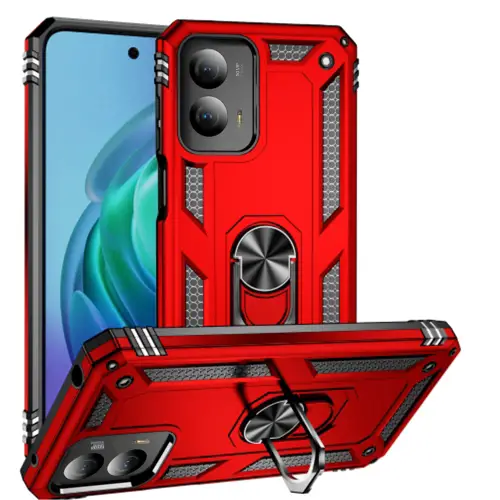
- Common Causes of Performance Lag Outdated Processor Background Apps Consuming Resources Insufficient Storage Space Software Bugs and Updates
- Conclusion
Common Causes of Performance Lag
Outdated Processor

The Moto G Stylus 5G (2024) is equipped with the Snapdragon 6 Gen 1 chipset, which, while capable, is considered slightly outdated compared to newer processors available in the market. Users may notice sluggishness when launching apps or multitasking, especially with resource-intensive applications. Optimisation will really help. Simply apply the following solutions:
- Optimise App Settings: For resource-intensive apps like games or photo editing software, reduce graphic settings to improve performance. This can help alleviate some strain on the processor.
- Limit Heavy Usage: Avoid running multiple demanding applications simultaneously. Close apps that are not in use to free up processing power.
Background Apps Consuming Resources
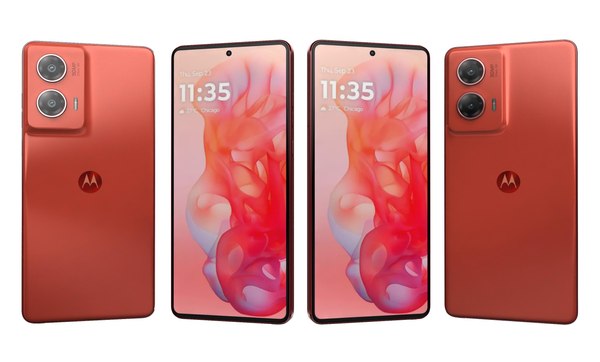
Many apps running in the background of the Moto G Stylus 5G can consume system resources, leading to performance degradation. The device may freeze or slow down when switching between apps or performing simple tasks. I recommend the following:
- Close Unused Apps Regularly: Use the recent apps button to close any applications that are not currently needed. This can help free up RAM and improve responsiveness.
- Enable Battery Saver Mode: Activating battery saver mode can limit background activity and reduce resource consumption. Go to Settings > Battery > Battery Saver, and toggle it on.
Insufficient Storage Space

If the internal storage is nearly full, it can affect the device’s performance, causing lag and slow response times. Users may experience delays when opening apps or accessing files. To maximise your storage space, I recommend the following:
- Delete Unnecessary Files and Apps: Regularly review your installed applications and files. Uninstall apps you no longer use and delete photos or videos that are not needed.
- Use Cloud Storage Options: Consider using cloud services like Google Drive or Dropbox to offload files from your device, freeing up valuable internal storage space.
Software Bugs and Updates

Computer bug, failure or error of software and hardware concept, miniature red ladybug on black computer motherboard PCB with soldering, programmer can debug to search for cause of error.
Software bugs or incomplete updates can lead to performance issues that impact the overall functionality of the device. Users may encounter unexpected crashes or slowdowns after a software update. I recommend the following to get this issue resolved:
- Check for Software Updates Regularly: Ensure your device is running the latest software version by navigating to Settings > System > System Updates. Updates often include bug fixes that can improve performance.
- Perform a Factory Reset if Necessary: If performance issues persist despite updates, consider performing a factory reset. Before doing so, back up important data by going to Settings > System > Reset Options > Erase All Data (Factory Reset).
Conclusion
The Moto G Stylus 5G (2024) offers an appealing combination of features for budget-conscious consumers; however, performance lag can be a frustrating issue for users. By addressing common causes such as an outdated processor, background app management, insufficient storage space, and software bugs with practical solutions, you can significantly enhance your experience with this device. Implementing these strategies—optimising app settings, managing background processes, freeing up storage space, and ensuring your software is up-to-date—will help you make the most out of your Moto G Stylus 5G. Embrace these tips to enjoy smoother performance and a more enjoyable user experience!
Author:Ifeoluwa Adeleke
Add MobilityArena as a preferred source on Google
The Pico 4 has emerged as a popular choice in the virtual reality (VR) market, offering an impressive combination of features, including high-resolution displays and a lightweight design. With its ability to deliver immersive experiences, it appeals to both casual users and dedicated gamers. However, like any technology, it comes with its share of challenges that users may encounter. Some common issues include connectivity problems, audio glitches, and visual artifacts that can detract from the overall experience. In this article, we will discuss these issues and provide practical solutions to enhance your VR experience. By addressing these challenges effectively, you can ensure that your Pico 4 performs optimally and allows you to fully enjoy the captivating world of virtual reality. Let’s explore these common problems and their corresponding solutions!
- Common Issues with the Pico 4 Visual Artifacts and Screen Door Effect Comfort and Fit Issues Audio Quality Concerns Software Bugs After Updates
- Conclusion
Common Issues with the Pico 4
Visual Artifacts and Screen Door Effect
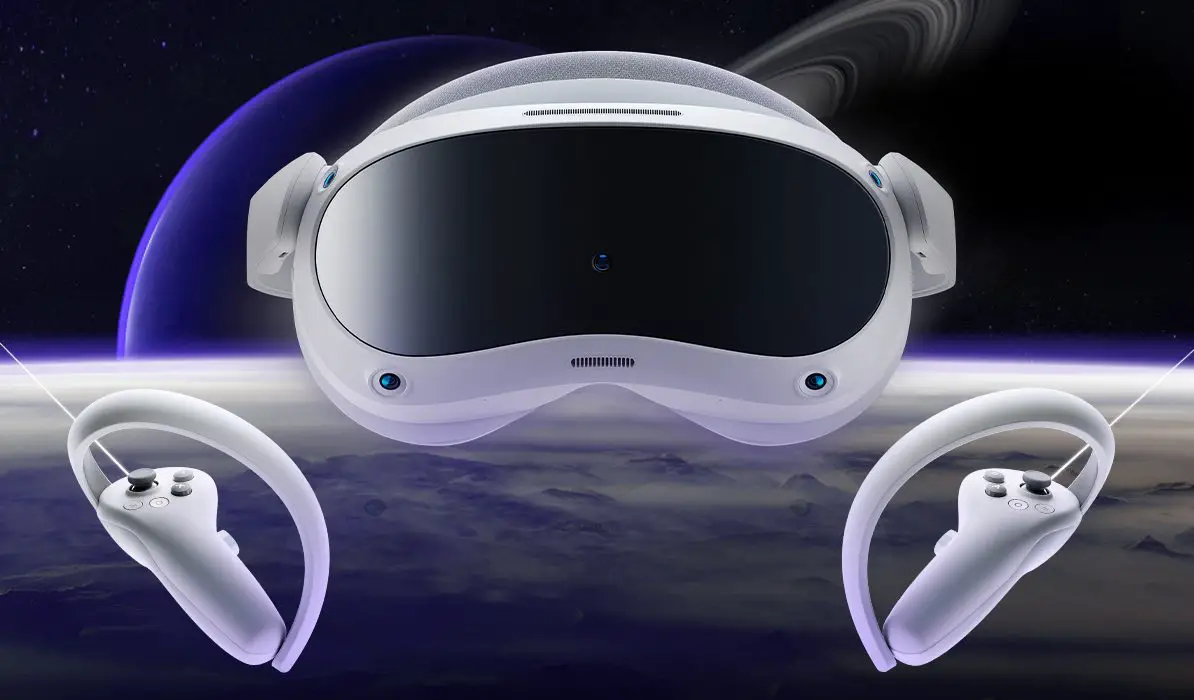
Many users have reported experiencing visual artifacts such as ghosting, smearing, and a noticeable screen door effect, which can detract from immersion. Users may see irregular patterns or “bubbles” in the pixel grid, making the image appear less clear and vibrant. To resolve the visual artifacts and door effect, I recommend the following:
- Adjust Display Settings: Navigate to the display settings in your Pico 4 and experiment with different resolution and refresh rate settings to find an optimal configuration that minimises visual artifacts.
- Use Software Updates: Ensure that your device is running the latest firmware, as updates often include fixes for graphical issues. Go to Settings > System > Software Update to check for updates.
Comfort and Fit Issues
The design of the Pico 4 has received criticism for its comfort level. The head strap may not provide a secure fit for all users, leading to discomfort during extended use. Users may experience instability during quick head movements or pressure points on their forehead. I recommend the following:
- Invest in Third-Party Straps: Consider purchasing a third-party head strap designed for better comfort and fit. Look for adjustable straps that can accommodate different head shapes.
- Modify the Face Cushion: If discomfort persists, consider replacing the face cushion with a softer material that better conforms to your face shape, reducing pressure points.
Audio Quality Concerns

While the Pico 4 features integrated speakers, some users find the audio quality lacking, with occasional distortion or insufficient volume levels. Sound may feel distant or unclear, impacting the overall immersive experience. Make use of the following to get this resolved:
- Use External Headphones: For a more immersive audio experience, connect high-quality headphones via Bluetooth or USB-C. This can significantly improve sound clarity compared to built-in speakers.
- Adjust Audio Settings: Check audio settings within the VR environment to ensure that volume levels are appropriately set and that any equalizer options are optimized for your preferences.
Software Bugs After Updates

Users have reported issues following software updates, including problems with app compatibility and performance lags. Apps may crash unexpectedly or display duplicated images when moving the headset. Apply the following solutions below:
- Reinstall Problematic Apps: If specific apps are causing issues post-update, try uninstalling and then reinstalling them to resolve compatibility problems.
- Limit Frame Rate in Streaming Applications: For users experiencing image duplication or lag while using streaming applications like Virtual Desktop, limiting the frame rate to a lower setting (e.g., 72 fps) can stabilise performance.
Conclusion
The Pico 4 offers an exciting entry into the world of virtual reality with its impressive features and affordability. While users may encounter common issues such as visual artifacts, comfort concerns, audio quality problems, and software bugs, many of these challenges can be effectively addressed with practical solutions. By adjusting display settings, investing in comfort accessories, enhancing audio experiences with external headphones, and managing software updates carefully, you can significantly improve your overall experience with the Pico 4. Embrace these strategies to fully enjoy all that this innovative VR headset has to offer!
