Add MobilityArena as a preferred source on Google
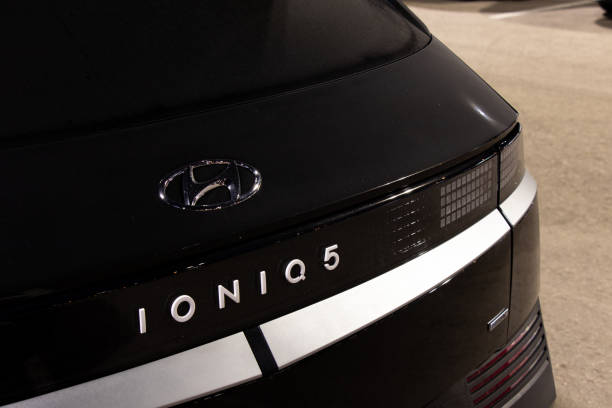
The Hyundai Ioniq 5 has made waves in the electric vehicle (EV) market with its striking design, impressive range, and advanced technology. As more drivers embrace this innovative vehicle, it’s essential to discuss not only its standout features but also the common issues that some owners have reported. In this article, we’ll delve into the typical problems faced by Ioniq 5 users and offer practical solutions to enhance your driving experience.
- The Allure of the Hyundai Ioniq 5
- Common Issues Reported by Owners Charging Difficulties Rear Visibility Concerns Infotainment System Glitches Noise Issues 12-Volt Battery Problems Charging Port Overheating
- Embracing Solutions
- Conclusion
The Allure of the Hyundai Ioniq 5
The Ioniq 5 is a game-changer in the EV landscape. With its spacious interior, rapid charging capabilities, and cutting-edge technology, it has quickly become a favorite among eco-conscious consumers. However, like any new vehicle model, it’s not without its quirks.
Common Issues Reported by Owners
Charging Difficulties
Many users of Hyundai Ioniq 5 have reported issues with charging speeds, particularly in colder weather. Some drivers have experienced their charging rate dropping significantly, making it challenging to fully recharge their vehicles. To resolve this: To mitigate charging issues in cold weather, it’s advisable to precondition the battery before charging. This can be done by setting a destination in the navigation system that includes a charging station. Additionally, using a Level 2 home charger can help maintain more consistent charging speeds.
Rear Visibility Concerns
A notable complaint is the lack of a rear windshield wiper, which can lead to poor visibility during inclement weather. Drivers have noted that dirt and water accumulate quickly on the rear glass. To get this resolved: While there’s no retrofit available for older models, keeping a microfiber cloth handy for quick clean-ups can help maintain visibility. For those considering a purchase, opting for the 2025 model will include this long-awaited feature.
Infotainment System Glitches
Owners have reported issues with the infotainment system freezing or malfunctioning, impacting navigation and audio controls. To get this resolved: Regular software updates from Hyundai can address many of these glitches. It’s essential to check for updates frequently and consider performing a manual reset of the system if problems persist.
Noise Issues
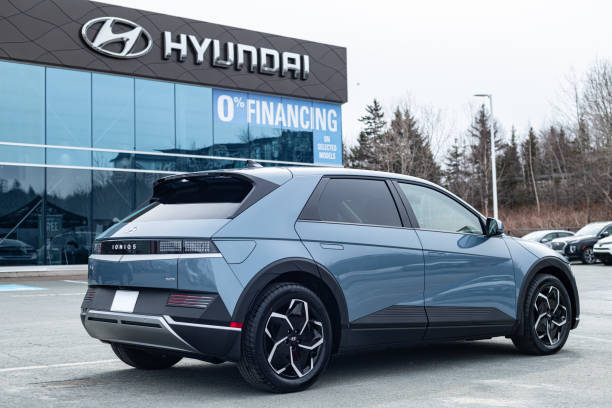
Some drivers of the Hyundai Ioniq 5 have experienced rattling noises from the rear liftgate or other parts of the vehicle while driving over uneven surfaces. To get this resolved: If you encounter this issue, visiting your dealership for a technical service bulletin (TSB) repair can resolve it. Many owners have successfully had rubber bump stops replaced or adjusted to eliminate these noises.
12-Volt Battery Problems
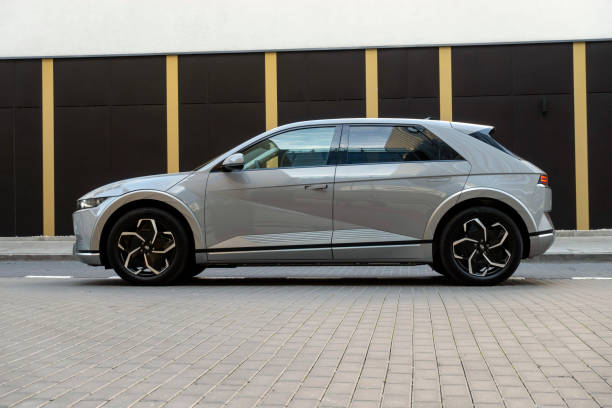
A recurring issue reported by several users of the Hyundai Ioniq 5 is that the 12-volt battery may die unexpectedly, especially when parked with low traction battery levels. To get this resolved: To prevent this issue, always ensure that your traction battery is sufficiently charged before parking for extended periods. Installing a battery monitor can also help track the health of your 12-volt battery.
Charging Port Overheating
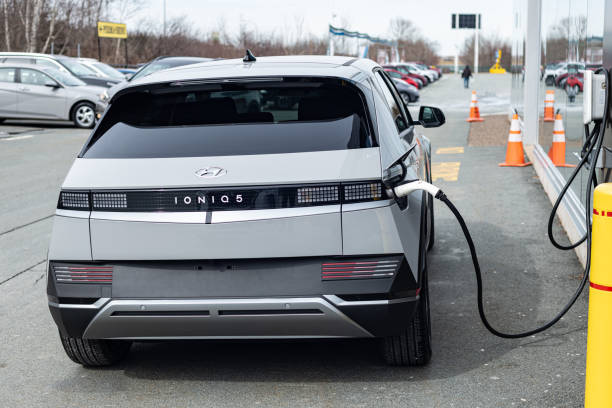
Some owners have reported that their charging ports overheat during use, leading to reduced charging speeds or complete failure. To get this resolved: If you experience overheating issues, it’s advisable to reduce the charge rate on your home charger to prevent damage. Consulting with your dealer about potential fixes or replacements for faulty components is also recommended.
Embracing Solutions
While these common issues may seem daunting at first glance, many Hyundai Ioniq 5 owners have found effective solutions through community forums and dealership support. Engaging with fellow drivers can provide valuable insights into troubleshooting and maintaining your vehicle.
Conclusion
The Hyundai Ioniq 5 represents a significant step forward in electric mobility, combining innovative technology with eco-friendly driving. However, like any new vehicle model, it comes with its share of challenges. By understanding these common issues and implementing practical solutions, you can enhance your ownership experience and enjoy everything this remarkable EV has to offer. As you navigate your journey with the Ioniq 5, remember that staying informed and proactive is key to making the most of your electric vehicle experience. Whether you’re commuting through city streets or embarking on a weekend adventure, embracing these solutions will ensure that you drive confidently into the future of sustainable transportation!
Author:Ifeoluwa Adeleke
Add MobilityArena as a preferred source on Google
Fast charging electric vehicles are no longer a distant dream but a reality for many drivers today. As electric vehicles (EVs) continue to gain traction in the U.S. market, one of the most significant advancements driving their popularity is fast charging technology. Imagine being able to recharge your EV in the time it takes to grab a coffee or run a quick errand — this is now a reality. Fast charging stations, strategically located along highways and urban areas, are making it easier than ever to keep your vehicle powered up and ready to go. In this article, we’ll explore the fast charging electric vehicles available in the U.S., how they work, and what makes them a game-changer for electric vehicle enthusiasts. With the growing network of fast chargers and advancements in battery technology, the convenience and practicality of owning an EV are reaching new heights. Let’s dive into the world of fast charging and discover how it is transforming the landscape of electric mobility!
- The Rise of Fast Charging Technology
- How Does Fast Charging Work?
- Benefits of Fast Charging
- Fast Charging Electric Vehicles Available in the U.S. Tesla Model 3 Ford Mustang Mach-E Chevrolet Bolt EUV Hyundai Ioniq 5 Porsche Taycan
- The Future of Fast Charging
- Conclusion
The Rise of Fast Charging Technology
Fast charging refers to the ability to recharge an electric vehicle’s battery significantly quicker than traditional methods. While standard charging can take several hours, fast chargers utilize direct current (DC) to deliver high power levels, allowing drivers to recharge their vehicles in as little as 20-30 minutes. This advancement addresses one of the biggest concerns for potential EV buyers: range anxiety — the fear of running out of battery without a charging station nearby. Let’s get into more details about fast charging electric vehicles.
How Does Fast Charging Work?
Fast charging stations bypass the vehicle’s onboard charger, connecting directly to the battery with DC power. This method not only speeds up the charging process but also includes sophisticated communication between the EV and the charger to optimize charging rates and prevent overheating. Many fast chargers are equipped with cooling systems that maintain safe operating temperatures during high-speed charging sessions. This is really a safe one for fast charging electric vehicles.
Benefits of Fast Charging
- Reduced Charging Time: Fast chargers can add hundreds of miles of range in under an hour, making long road trips much more feasible.
- Convenience: Strategically placed fast chargers at highways, shopping centers, and urban locations allow drivers to quickly charge while going about their daily activities.
- Enhanced Adoption: With shorter charging times, EVs become more practical for consumers, encouraging a shift from gasoline-powered vehicles and contributing to lower carbon emissions.
- Optimized Fleet Operations: For commercial fleets and ride-sharing services, fast charging minimizes downtime and maximizes vehicle usage, making electric fleets more cost-effective.
Fast Charging Electric Vehicles Available in the U.S.
Tesla Model 3
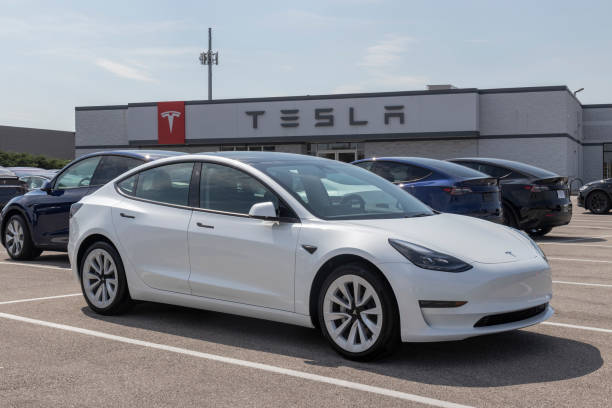
- Charging Capability: Compatible with Tesla’s Supercharger network, which offers ultra-fast charging speeds up to 250 kW.
- Range: Approximately 267 miles on a full charge.
- Why It’s Popular: Tesla’s extensive Supercharger network makes it easy for drivers to find fast charging stations across the country.
Ford Mustang Mach-E
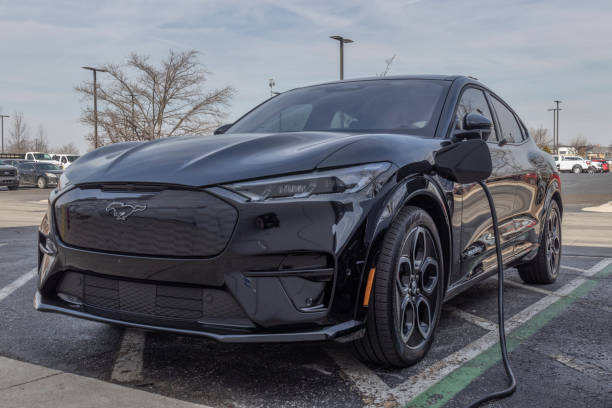
- Charging Capability: Supports DC fast charging with a maximum output of 150 kW.
- Range: Up to 300 miles depending on the configuration.
- Why It’s Popular: The Mach-E combines performance with practicality, appealing to both traditional Ford fans and new EV buyers.
Chevrolet Bolt EUV
- Charging Capability: Offers DC fast charging capabilities up to 100 kW.
- Range: Approximately 247 miles on a full charge.
- Why It’s Popular: The Bolt EUV provides an affordable entry point into the EV market with solid range and features.
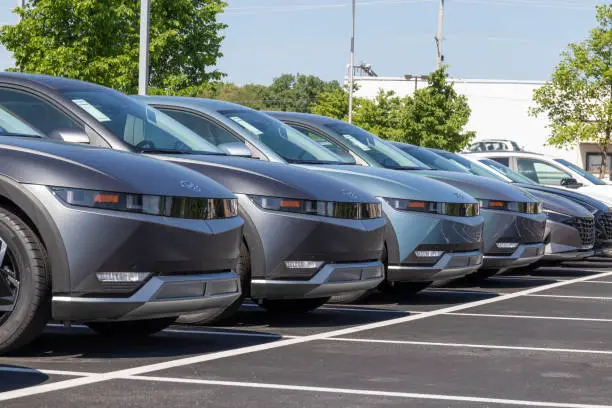
Hyundai Ioniq 5
- Charging Capability: Supports ultra-fast charging at rates up to 350 kW.
- Range: Up to 303 miles on a single charge.
- Why It’s Popular: With its futuristic design and spacious interior, the Ioniq 5 stands out as both stylish and functional.
Porsche Taycan
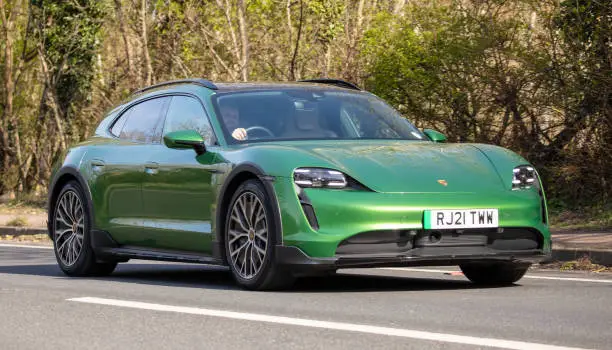
- Charging Capability: Can charge at speeds up to 270 kW using DC fast chargers.
- Range: Approximately 227 miles depending on the model.
- Why It’s Popular: Known for its performance and luxury features, the Taycan appeals to those looking for a high-end electric sports car experience.
The Future of Fast Charging
As technology continues to evolve, we can expect even faster charging solutions on the horizon. Companies are developing ultra-fast chargers capable of delivering over 500 kW of power as well as fast charging electric vehicles, which could reduce charging times to mere minutes. Additionally, advancements in battery technology — such as solid-state batteries — promise to enhance energy density and reduce overall charging times further. Moreover, collaborations among automakers are paving the way for more extensive charging networks that will include compatibility with various vehicle models. For instance, several major brands have announced plans to adopt Tesla’s North American Charging Standard (NACS), expanding access to Tesla’s robust Supercharger network for non-Tesla vehicles. Fast charging electric vehicles are taking over.
Conclusion
Fast charging technology is revolutionizing the electric vehicle landscape in the U.S., making EV ownership more practical and appealing than ever before. With an expanding network of fast chargers and a growing selection of vehicles equipped for rapid recharging, consumers can feel confident about transitioning from traditional gasoline-powered cars to electric alternatives. As we look ahead, it’s clear that fast charging electric vehicles will play a crucial role in shaping the future of transportation — one where convenience meets sustainability. Whether you’re considering your first electric vehicle or looking to upgrade, picking from a variety of fast charging electric vehicles will be a good decision that aligns with your lifestyle and values. So gear up for an electrifying journey ahead!
