Add MobilityArena as a preferred source on Google
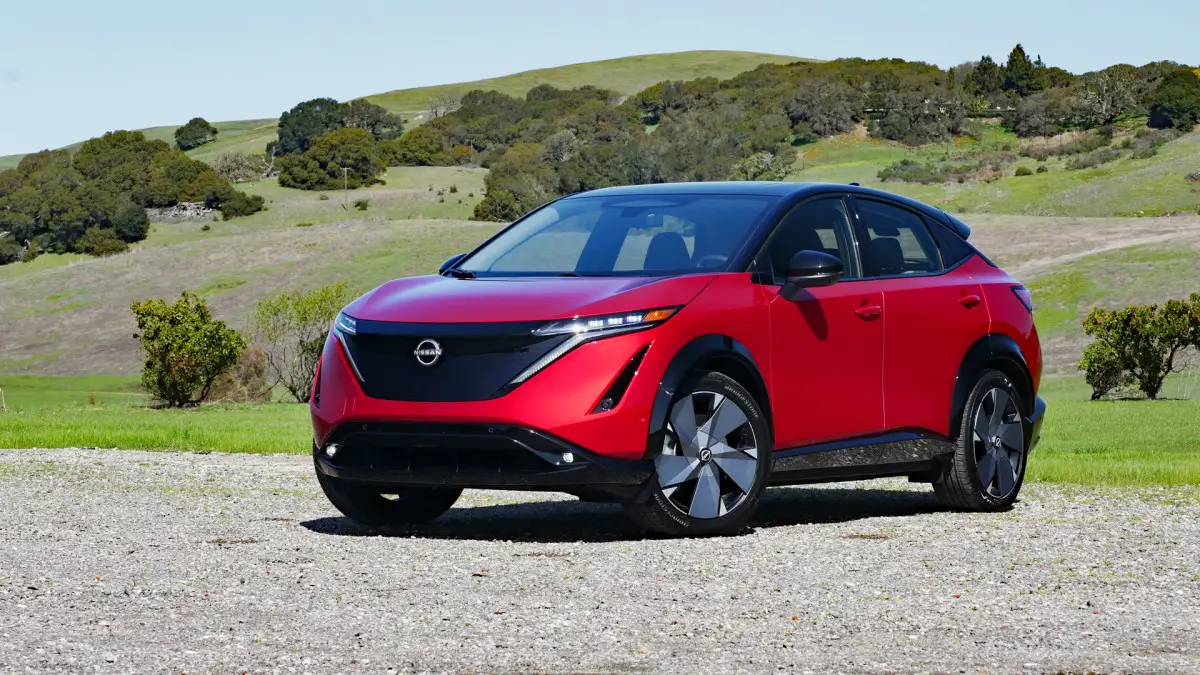
The Nissan Ariya EV is a groundbreaking all-electric SUV that combines advanced technology with an appealing design. However, some users have expressed concerns regarding its limited driving range, which can affect long-distance travel and overall satisfaction. With varying ranges based on battery size and driving conditions, understanding the factors that influence range is essential. Additionally, real-world performance may differ from manufacturer claims, leading to further apprehension among potential buyers. Implementing effective solutions can enhance your experience. By addressing these issues proactively, you can maximize the Ariya EV’s capabilities and enjoy a more fulfilling electric vehicle experience. Whether you’re commuting daily or planning a road trip, understanding how to optimize your driving range will help you get the most out of this innovative SUV. Let’s dive into the details and discover how to tackle these range-related challenges effectively!
- Common Causes of Limited Driving Range and Solutions Battery Capacity Variations Driving Conditions Temperature Effects Use of HVAC System Regenerative Braking Utilization Route Planning Conclusion
Common Causes of Limited Driving Range and Solutions
Battery Capacity Variations

The Nissan Ariya EV comes with two battery options: a 63 kWh battery with an estimated range of up to 304 miles (489 km) and a larger 87 kWh battery, which may offer a higher range but varies based on driving conditions. I recommend the following:
- Choose the Right Battery: If you frequently drive long distances, consider opting for the larger 87 kWh battery version, which provides more usable energy.
- Monitor Battery Usage: Use the NissanConnect app to track your energy consumption and plan your trips accordingly.
Driving Conditions
Real-world driving conditions significantly impact the Ariya EV’s range. Factors such as speed, terrain, and weather can cause fluctuations in battery performance. You should consider the following:
- Adjust Driving Habits: Maintain a steady speed, preferably below 65 mph, to maximize efficiency. Avoid rapid acceleration and hard braking.
- Utilize Eco Mode: Engage Eco Mode to optimize power consumption during drives, enhancing overall range.
Temperature Effects

Extreme temperatures can adversely affect battery performance of the Ariya EV. Cold weather can reduce the effective range by up to 30-40 miles due to increased energy demand for heating. I recommend the following:
- Precondition Your Vehicle: Use the remote climate control feature to precondition your Ariya while it’s still plugged in, minimizing battery drain.
- Park Smartly: Whenever possible, park in a garage or shaded area to mitigate temperature extremes.
Use of HVAC System
The heating, ventilation, and air conditioning (HVAC) system draws power from the battery, impacting driving range when used extensively. These solutions will help resolve the issue:
- Optimize HVAC Settings: Instead of blasting heat or AC, use seat heaters or ventilated seats to maintain comfort without draining the battery.
- Schedule Climate Control: Schedule climate control before you start driving while still connected to a charger.
Regenerative Braking Utilization
The effectiveness of regenerative braking can vary based on driving style and conditions, impacting how much energy is recaptured during braking. I recommend the following:
- Engage Regenerative Braking Features: Use features like e-Pedal to maximize regenerative braking during city driving.
- Practice Smooth Driving Techniques: Gradually slow down instead of sudden stops to enhance energy recovery.
Route Planning

Not planning routes with charging stations can lead to anxiety about running out of charge during long trips. I recommend the following:
- Use the EV Trip Planner Feature: Leverage Nissan’s trip planner to find charging stations along your route and ensure you have enough charge for your journey.
- Plan for Charging Stops: Factor in charging times during longer trips to avoid running low on battery.
Conclusion
While the limited driving range of the Nissan Ariya EV can be a concern for potential buyers and current owners alike, understanding its causes and implementing effective solutions can greatly enhance your experience. By choosing the right battery capacity, adjusting driving habits, managing temperature effects, optimizing HVAC usage, utilizing regenerative braking effectively, and planning routes strategically, you can maximize your Nissan Ariya EV’s range. Embrace these strategies as opportunities to optimize your electric vehicle experience. With a little attention and planning, you’ll find that navigating any range-related challenges becomes much more manageable, allowing you to fully enjoy all that the innovative Nissan Ariya EV has to offer!
Author:Ifeoluwa Adeleke
Add MobilityArena as a preferred source on Google
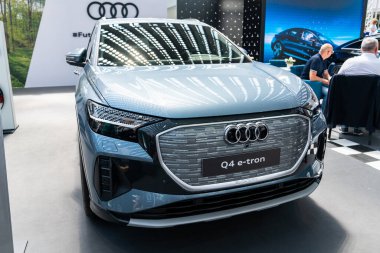
The Audi Q4 e-tron is an innovative all-electric SUV that showcases Audi’s commitment to sustainability and advanced technology. However, some users have reported charging difficulties that can hinder the overall ownership experience. Issues such as charging system faults, slow charging speeds, and compatibility problems with public charging stations can be frustrating. Additionally, the learning curve associated with electric vehicle (EV) charging infrastructure may also contribute to user anxiety. By understanding these challenges and implementing effective strategies, you can maximize your Audi Q4 e-tron’s capabilities and enjoy a more satisfying ownership experience. Whether you’re commuting daily or embarking on a road trip, addressing these charging issues will help you make the most of this remarkable electric vehicle. Let’s dive into the details and discover how to tackle these challenges effectively!
- Common Charging Difficulties and Solutions Charging System Faults Incompatibility with Certain Chargers Slow Charging Speeds Charging Schedule Issues Battery Management System Limitations Connector Issues
- Conclusion
Common Charging Difficulties and Solutions
Charging System Faults
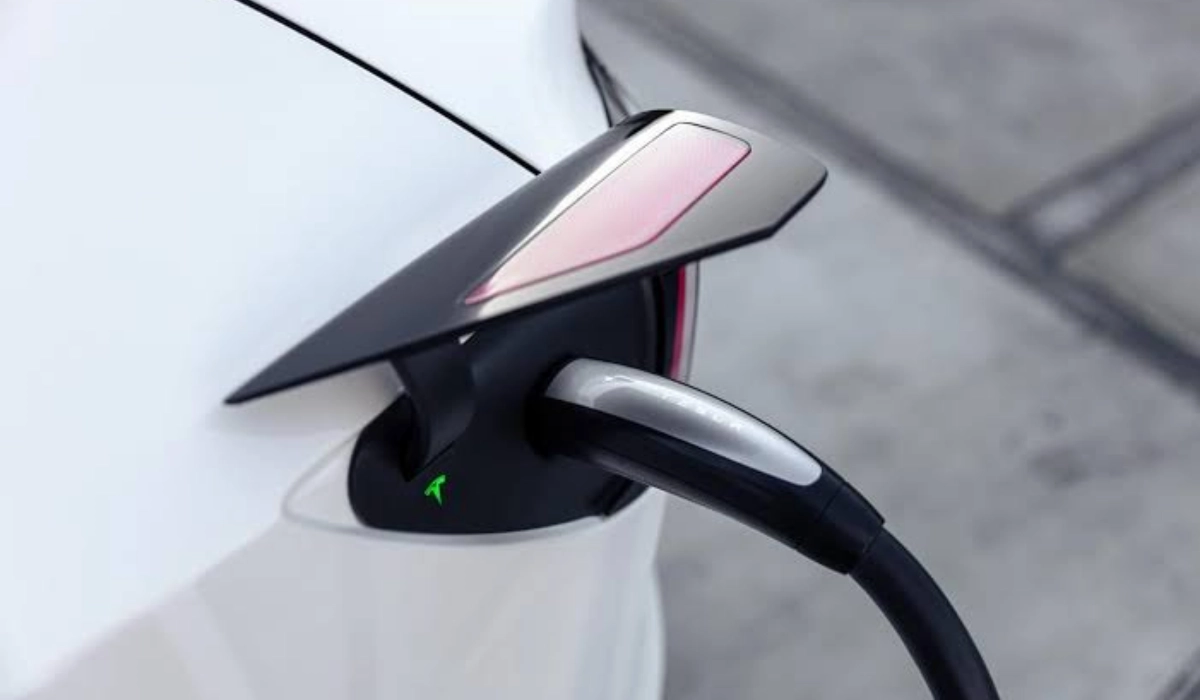
Many users have encountered “Charging System Fault” messages when attempting to charge their Audi Q4 e-tron at public charging stations. This can result in the inability to charge the vehicle and may require waiting for the system to reset or using emergency release mechanisms to disconnect the charger. I recommend the following:
- Wait for Reset: If you receive a fault message, try waiting for a few minutes before attempting to unplug the charger. This allows the system time to reset.
- Use Emergency Release: Familiarize yourself with the emergency release procedure in your owner’s manual, which can help you disconnect the charger if needed.
Incompatibility with Certain Chargers
Some users have reported issues when trying to charge at specific public charging stations, particularly older or less common models, leading to failed connections or slow charging speeds. I recommend the following:
- Check Compatibility: Before using a public charger, verify that it is compatible with the Audi Q4 e-tron. Use apps like PlugShare or ChargePoint to find verified chargers.
- Try Different Stations: If one station fails, don’t hesitate to try another nearby station. Different networks may have varying levels of reliability.
Slow Charging Speeds
Users have noted that their Audi Q4 e-tron often charges slower than expected, especially at home or with certain public chargers. This can be frustrating when trying to quickly top-up the battery during a short-stop. The following will help:
- Use High-Power Chargers: Whenever possible, use DC fast chargers that provide higher power outputs (up to 130 kW) for quicker charging times.
- Precondition Battery: Before arriving at a charging station, consider preconditioning your battery by driving it for a while or using the preconditioning feature if available. This can help optimize charging speed.
Charging Schedule Issues
Some users have experienced problems with scheduled charging not starting as intended, leading to missed opportunities for off-peak electricity rates or fully charged batteries when needed. I recommend the following:
- Review Settings in the App: Check your Audi app settings to ensure that scheduled charging is properly configured and not set for an incorrect time.
- Manual Override: If scheduled charging fails, manually initiate charging through the app or directly from the vehicle.
Battery Management System Limitations
The battery management system may limit charging speeds of the Audi Q4 e-tron based on various factors such as battery temperature or state of charge (SOC), which could lead to slower-than-expected charging times. I recommend the following to get this resolved:
- Monitor Battery Temperature: If possible, avoid extreme temperatures when charging; park in shaded areas during hot weather and avoid cold exposure.
- Charge from Lower SOC Levels: For optimal fast charging performance, try to charge your vehicle when it’s around 20% SOC rather than waiting until it’s nearly empty.
Connector Issues
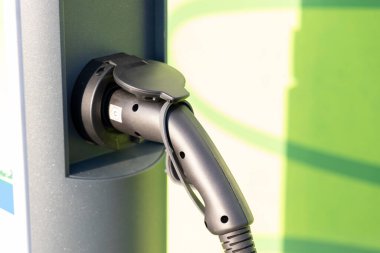
Users have reported problems related to CCS connectors not seating properly, leading to interrupted charging sessions or failure to initiate charging altogether. The following solutions will help:
- Ensure Proper Connection: When plugging in the charger, make sure it is fully seated by gently lifting up on the cable while inserting it into the vehicle’s port.
- Inspect Connectors Regularly: Check both your vehicle’s port and the charger’s connector for any debris or damage that could affect connectivity.
Conclusion
While charging difficulties with the Audi Q4 e-tron can be frustrating, understanding these common issues and implementing effective solutions can significantly enhance your electric vehicle experience. By addressing charging system faults, ensuring compatibility with chargers, optimizing charging speeds, managing scheduling settings, monitoring battery conditions, and ensuring proper connector usage, you can enjoy a smoother and more reliable ownership experience. Embrace these strategies as opportunities to optimize your Audi Q4 e-tron’s performance and convenience. With a little attention and proactive measures, you’ll find that navigating any charging challenges becomes much more manageable, allowing you to fully appreciate all that this remarkable electric SUV has to offer!
