Add MobilityArena as a preferred source on Google
If you pay attention to smartphone camera features and specs, you will have heard phrases like optical zoom, digital zoom, hybrid zoom, telephoto camera, periscope camera, and the like. It is easy to get confused about all those terms, but don’t worry, I am here to break them down so you understand them easily.
So, this article is about zoom and the different ways it happens. That’s the foundation. What does it mean to zoom? It means to make an item or object appear closer or further away in an image. If you zoom, you get a closer look at the object. Zooming in narrows down the focus of the image. If you zoom out, the object appears to be farther off and you capture a wider area.
What is optical zoom? Optical zoom involves a physical camera lens movement, which changes the apparent closeness of the image subject by increasing the focal length. To zoom in, the lens moves away from the image sensor, and the scene is magnified. It is useful to think of digital zoom as photo-processing software built into your camera.
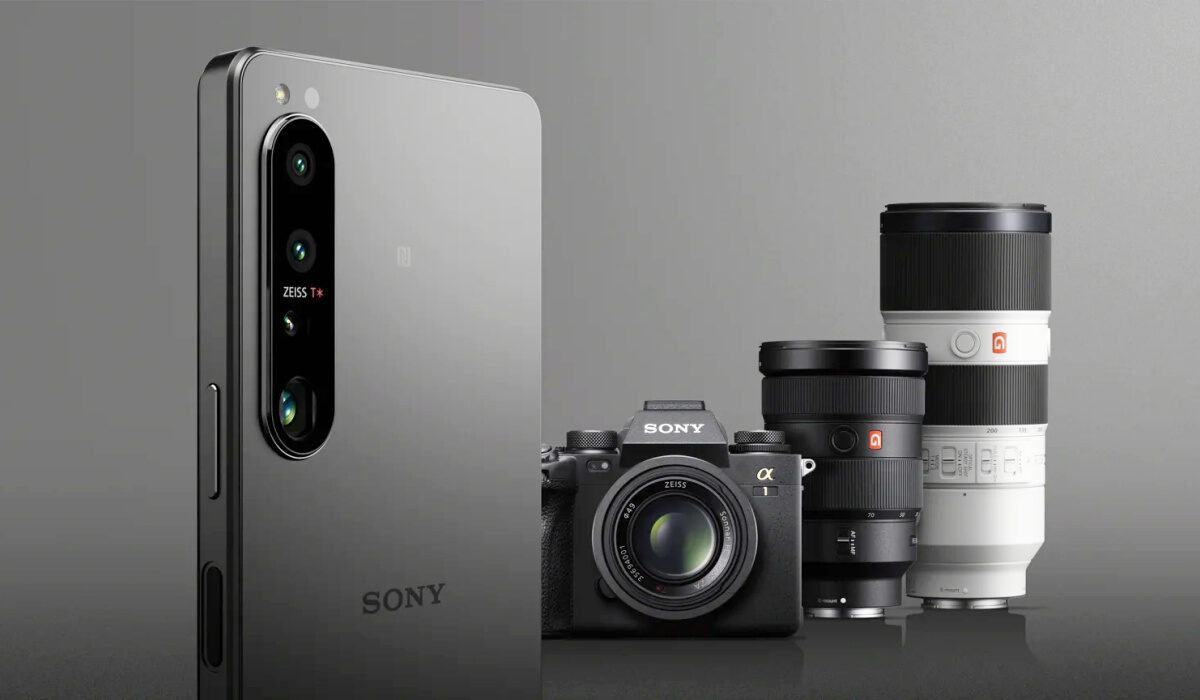
- Optical Zoom and Digital Zoom are two different ways to do the same thing
- Which is better?
- What of hybrid zoom? Is hybrid zoom better than optical zoom? Does optical zoom lose quality? How does a phone optical zoom work? What is the best kind of zoom? What is a periscope camera? Which is better optical zoom or digital zoom? What is optical zoom on a phone?
Optical Zoom and Digital Zoom are two different ways to do the same thing
Optical zoom uses a physical magnifying lens to zoom in. Remember what a magnifying glass from physics class? When you hold one in front of you to view an object, the object appears closer. Now, imagine a small magnifying glass in your camera phone for zooming. That is how optical zoom works. The magnifying lens is also called an optical lens.
Digital zoom, on the other hand, does not require a physical magnifying glass. Instead, it works by using software to achieve the magnification. Really? Can software do that? Yes; it can. Actually, the zoom in most camera phones is done with software, especially at the low end. What you have in those phones is digital zoom.
One big difference is that while digital zoom results in some loss of image quality, optical zoom preserves the quality of the image, and so produces better results. Digital zoom is just software manipulating images to produce magnification. Because real physical magnifying or optical lenses are expensive, optically zoom is found in higher end smartphones.
Which is better?
In summary, a camera phone with an optical lens/zoom is better. Where image magnification is important to you and you can afford it, get a smartphone with an optical lens camera.
What of hybrid zoom?
As the name implies, hybrid zoom is a combination of optical and digital zoom to extend the magnifying range of the camera. If the optical lens in a camera can only do 10x magnification, hybrid zoom can mix it with digital zoom to produce 50x zoom. The results will be better than what digital zoom alone can produce, but not as good as what optical alone can produce.
Let’s do a recap of the key points:
Is hybrid zoom better than optical zoom?
Hybrid camera zoom is a newer concept used in smartphones. It uses a combination of optical and digital zoom. As such, hybrid zoom produces slightly worse images than the optical lens produces on its own.
Does optical zoom lose quality?
The great advantage and benefit of an optical lens is that it does not affect the pixels of the captured image, and therefore maintains the same image quality at all focal lengths.
How does a phone optical zoom work?
Optical zoom uses a physical magnifying lens to get you a much closer-up view of a scene than you can see with your eyes. Digital zoom relies on software to get a similar effect.
What is the best kind of zoom?
Optical produces the best images. However, it is possible that in the future, hybrid zoom will take this spot from optical, as software processing improves.
What is a periscope camera?
A periscope lens or camera is one that uses mirrors. Read up about periscope lenses .
Which is better optical zoom or digital zoom?
Optical lenses produce much better zoom. When it comes to zooming, optical is better than digital.
What is optical zoom on a phone?
In regular camera, optical lenses work by moving to produce magnification. Because smartphones are small to maximise space, optical lenses used in phones do not have any moving parts.
Author:Mister Mobility
Digital Skills and Communication Coach | Mobile Phone Connoisseur since 2001 | Tech Blogging since 2004
Add MobilityArena as a preferred source on Google
2023 is looking to be the year that Apple abandons their proprietary Lightning port and embrace the industry standard for data transfer and charging. Popular analyst at TF International Securities, Ming-Chi Kuo, says that the iPhone 15 will have USB-C. This will be the first time an iPhone will have USB-C. Below are his words, as published on his Twitter handle.
My latest survey indicates that 2H23 new iPhone will abandon Lightning port and switch to USB-C port. USB-C could improve iPhone’s transfer and charging speed in hardware designs, but the final spec details still depend on iOS support. It’s expected to see existing USB-C-related suppliers of Apple’s ecosystem (e.g., IC controller, connector) become the market’s focus in the next 1-2 years, thanks to vast orders from iPhones and accessories’ adoption of USB-C ports. source
This is good news, assuming that it happens. The switch to USB-C by Apple is long overdue, considering the benefits. For one, iPhone users can use any available USB-C cable for charging their devices. It won’t matter what smartphone brand you use; you will never be far away from a compatible cable.
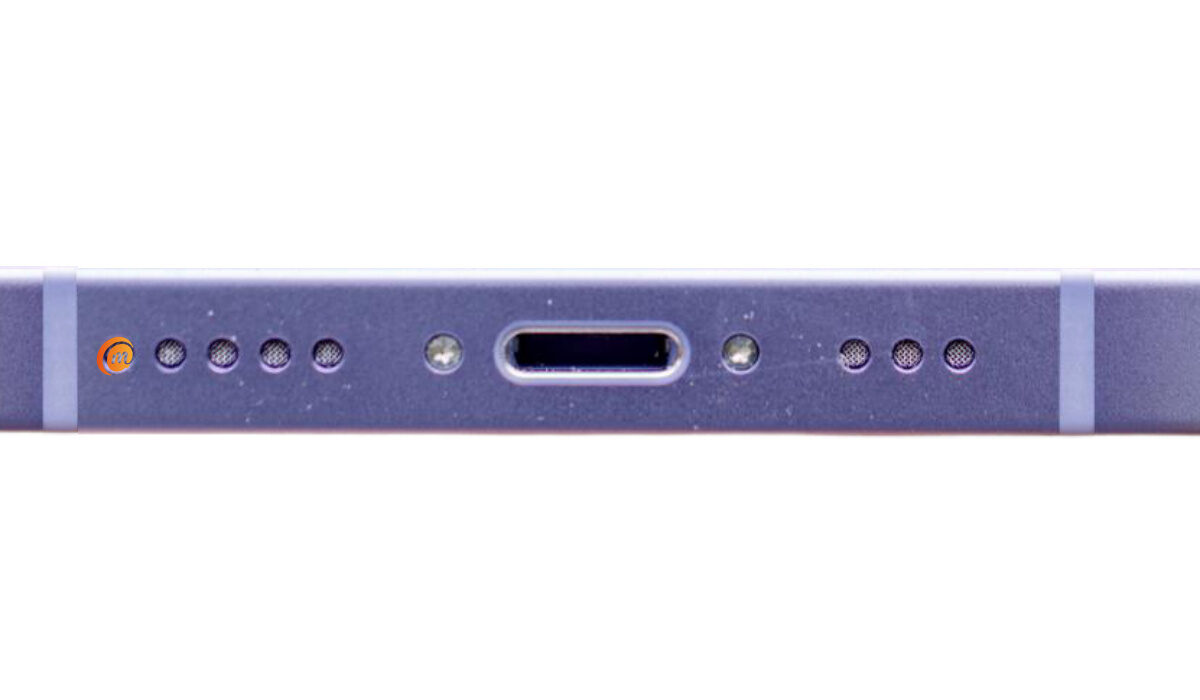
iPhone 15 will have USB-C, says an industry analyst
Why do iPhones not use USB-C? In addition to being used by everyone else, USB-C port offers faster charging at the same voltage and greater data transfer capacity than Lightning port. Does anyone know exactly why Apple has stuck with Lightning port for this long? With USB-C, perhaps Apple iPhones can now enjoy much faster charging than the present speeds they enjoy.
Does iPhone have USB-C port?
From the very first iPhone up till the current iPhone 13, Apple has not included USB-C in the iPhone range. iPhones use what is called a Lightning Port.
Will iPhone 14 have USB-C?
Information available says that the iPhone 14 range will have Lightning Port, and not USB-C.
Will iPhone 15 have USB-C?
Rumours from industry sources say that the iPhone 15 will be the first iPhone model to have USB-C.
Update: Bloomberg reports that Apple is now testing iPhones with USB-C. An excerpt:
Apple Inc. is testing future iPhone models that replace the current Lightning charging port with the more prevalent USB-C connector, according to people with knowledge of the situation, a move that could help the company conform with looming European regulations. In addition to testing models with a USB-C port in recent months, Apple is working on an adapter that would let future iPhones work with accessories designed for the current Lightning connector, said the people, who asked not to be identified because the matter is private. If the company proceeds with the change, it wouldn’t occur until 2023 at the earliest. Apple is planning to retain the Lightning connector for this year’s new models. Source
- Don’t miss our reviews .
- Follow our news on Google News .
- Join our WhatsApp Group , to be notified of the most important articles and deals,
- Follow us on Instagram , Facebook , Twitter , and YouTube .
Author:Mister Mobility
Digital Skills and Communication Coach | Mobile Phone Connoisseur since 2001 | Tech Blogging since 2004
