Add MobilityArena as a preferred source on Google
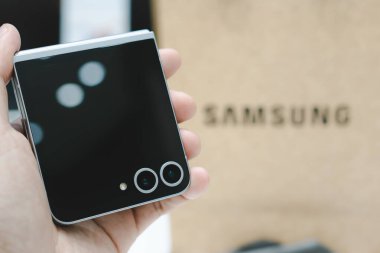
The Samsung Galaxy Z Flip 6 has garnered attention for its innovative design and impressive features, but users have reported several challenges that can affect the overall performance and experience. From charging issues to unresponsive screens, these problems can be frustrating. Fret not, there are practical solutions to help you navigate these challenges and get the most out of your device and I put them together for you in this article.
- Charging Problems with Samsung Galaxy Z Flip 6
- Unresponsive Inner Screen
- Delayed Notifications
- Performance Issues
- Conclusion
Charging Problems with Samsung Galaxy Z Flip 6
Many users have experienced issues with their Z Flip 6 not charging properly, particularly when closed. Some report that the phone only charges wirelessly or when opened, leaving them frustrated and unable to use their device effectively. The Solutions to this problem are highlighted below:
- Check the Charging Cable and Port: Ensure that your USB-C cable is in good condition and that there is no debris in the charging port. Clean it gently if needed.
- Test with Different Chargers: Try using a different charger or plugging it into a computer to see if the issue persists.
- Soft Reset: Perform a soft reset by holding down the power and volume down buttons until the device restarts. This can help resolve minor software glitches affecting charging.
- Contact Support: If issues continue, reach out to Samsung support for warranty repair, as many users have had success with this approach after experiencing similar problems.
Unresponsive Inner Screen
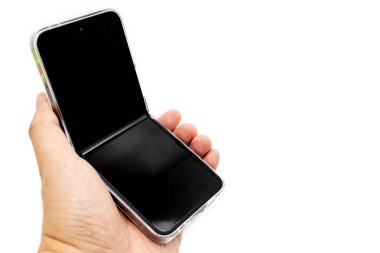
Another common complaint is the inner screen becoming unresponsive or displaying a black screen after updates. This can render the phone nearly unusable, as users have reported that touch inputs are still recognized despite the display being off. Below are the solutions to solve this issue:
- Force Restart: Try a forced restart by holding down the power and volume down buttons until the device reboots.
- Wipe Cache Partition: Boot into recovery mode and wipe the cache partition to clear any temporary files that may be causing software glitches.
- Seek Repair: If the problem persists, contacting Samsung support for a repair is often necessary, as it may indicate a hardware issue.
Delayed Notifications

Users have reported significant delays in receiving notifications for messages and apps due to battery optimization settings that put infrequently used apps into deep sleep mode. Follow these steps to solve it:
- Adjust Battery Settings: Go to Settings > Battery and Device Care > Battery > Background Usage Limits, and check if any apps are set to “Sleeping” or “Deep Sleeping.” Remove them from these lists if necessary.
- Clear App Cache: For specific apps experiencing delays, navigate to Settings > Apps > (app name) > Storage, and tap “Clear Cache.”
- Check Sync Settings: Ensure that email clients or messaging apps are set to sync at appropriate intervals to avoid delays in notifications.
Performance Issues

Some users have noticed lagging performance or slow app loading times, which can detract from the overall experience of using the Z Flip 6. These checks can help solve this performance glitch:
- Software Updates: Regularly check for software updates under Settings > Software Update, as these often include performance improvements.
- Change Performance Profile: Adjust your performance profile by going to Settings > Battery and Device Care > Performance Profile, and select “Light” mode for better efficiency.
- Factory Reset: If persistent issues occur, consider performing a factory reset as a last resort. Ensure you back up important data before proceeding.
Conclusion
While the Samsung Galaxy Z Flip 6 offers an exciting foldable experience, it is essential to address these common challenges proactively. By following these practical solutions for charging problems, unresponsive screens, delayed notifications, and performance issues, you can enhance your user experience significantly. If problems persist despite troubleshooting efforts, don’t hesitate to reach out to Samsung support for further assistance. With these tips in hand, you’ll be well-equipped to enjoy everything your Galaxy Z Flip 6 has to offer!
Author:Ifeoluwa Adeleke
Add MobilityArena as a preferred source on Google
Have you thought about walking into a factory where Robotics and Automation alongside human effort work side by side, seamlessly collaborating to produce goods faster and more efficiently than ever before? This is not a scene from a sci-fi movie; it’s the reality of today’s workplaces, and it’s only getting better. The trends in robotics and automation are set to redefine how we think about work, productivity, and even our daily lives. The earlier we get along the better. Stay glued to this article as I take you on a journey into the world of endless possibilities brought to us by Robotics and Automation.
- The Rise of Collaborative Robots
- Hyper-Automation
- AI Integration: Smarter Robots
- The Human Touch: Enhancing Employee Experience
- A Glimpse into the Future
- Conclusion
The Rise of Collaborative Robots
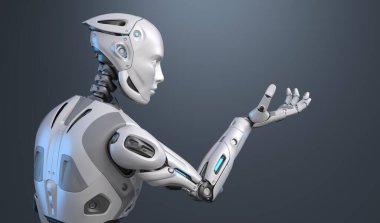
Once upon a time, the idea of robots taking over jobs sparked fear and skepticism. However, the narrative has shifted dramatically. Enter collaborative robots, or cobots, designed to work alongside humans rather than replace them. These friendly machines are equipped with advanced sensors and AI capabilities that allow them to understand their environment and respond in real-time. Take for instance, in manufacturing settings, cobots can handle heavy lifting or perform repetitive tasks, freeing human workers to focus on more complex and creative responsibilities, allowing them to focus on cognitive tasks rather than physical labor. Jamie Mottershead, a technical director at Renovotec, emphasizes this shift: “Businesses will continue to increase investment in AMR (autonomous mobile robot) solutions in 2024.” With the flexibility and scalability that these robots provide, companies can achieve continuous improvement while enhancing worker safety.
Hyper-Automation

As we welcome and embrace more advanced technologies in our world of today, the concept of hyper-automation is gaining traction. This term refers to the integration of various automation technologies — like RPA (Robotic Process Automation), AI, and machine learning — to automate complex business processes from end to end. According to industry experts, hyper-automation is projected to grow at an astounding rate of over 55% annually, that’s massive. For businesses and organizations, it means they can streamline operations significantly, reduce human error, and increase output. Imagine a logistics company where robots automatically sort packages while AI predicts delivery times based on real-time traffic data, did I hear you ‘Fantastic’!. This level of efficiency not only boosts productivity but also enhances customer satisfaction.
AI Integration: Smarter Robots
The synergy between robotics and artificial intelligence is another game-changer. As AI continues to evolve, it empowers robots to make smarter and more intelligent decisions on their own. For instance, generative AI allows robots to learn from past experiences and adapt their actions accordingly. This capability is crucial in environments like healthcare, where accurate precision is vital. The International Federation of Robotics notes that the stock of operational robots worldwide reached a record of about 3.9 million units in 2022. With advancements in AI, these robots are becoming more autonomous, capable of performing tasks that once required human intervention. The Future is HERE!
The Human Touch: Enhancing Employee Experience
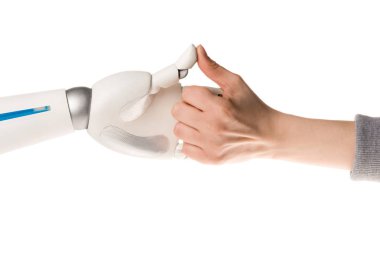
Despite technological advancements, one thing remains clear: human-centricity is highly essential. As automation takes over mundane tasks, workers can devote their time to higher-value activities that require critical thinking and creativity. This shift not only enhances job satisfaction but also fosters a culture of innovation within organizations and businesses. As we are familiarizing ourselves with these technologies, we should expect more intuitive RPA interfaces that empower non-technical users to design and manage automation workflows easily. This democratization of technology encourages innovation across all levels of an organization.
A Glimpse into the Future
As we look ahead, the landscape of robotics and automation is brimming with potential. From mobile manipulators that automate material handling tasks in complex environments to digital twins that optimize performance through virtual simulations, these are endless possibilities. Also, as companies adopt Robotics-as-a-Service (RaaS) models, smaller businesses can access cutting-edge technologies without hefty upfront investments. This accessibility will drive further innovation and integration across various sectors.
Conclusion
The future of work is being shaped by robotics and automation in ways we could only dream of a few years ago. As these technologies continue to evolve and integrate into our daily operations, they promise not just increased efficiency but also a more collaborative workplace where humans and machines work together towards common goals. So the next time you hear about robots taking over jobs, remember this: they’re not here to replace us, rather, they’re here to enhance our capabilities and help us thrive in an increasingly complex world. The revolution is not just about automation; it’s about collaboration — making our lives easier while pushing the boundaries of what we can achieve together.
