Add MobilityArena as a preferred source on Google
OnePlus has announced the OnePlus 10T on August 7, 2022, and along with it, the much awaited OxygenOS 13 custom user interface. According to the company, OxygenOS 13 will come with Android 13, be first seen on the OnePlus 10 Pro with an Open Beta release soon, and later be made available to existing OnePlus smartphones down the road. What changes does OxygenOS 13 bring to the table? It turns out that, contrary to a February 2022 announcement that the user interface would return to near stock Android, OxygenOS 13 actually took the next bus further out of town away from it.
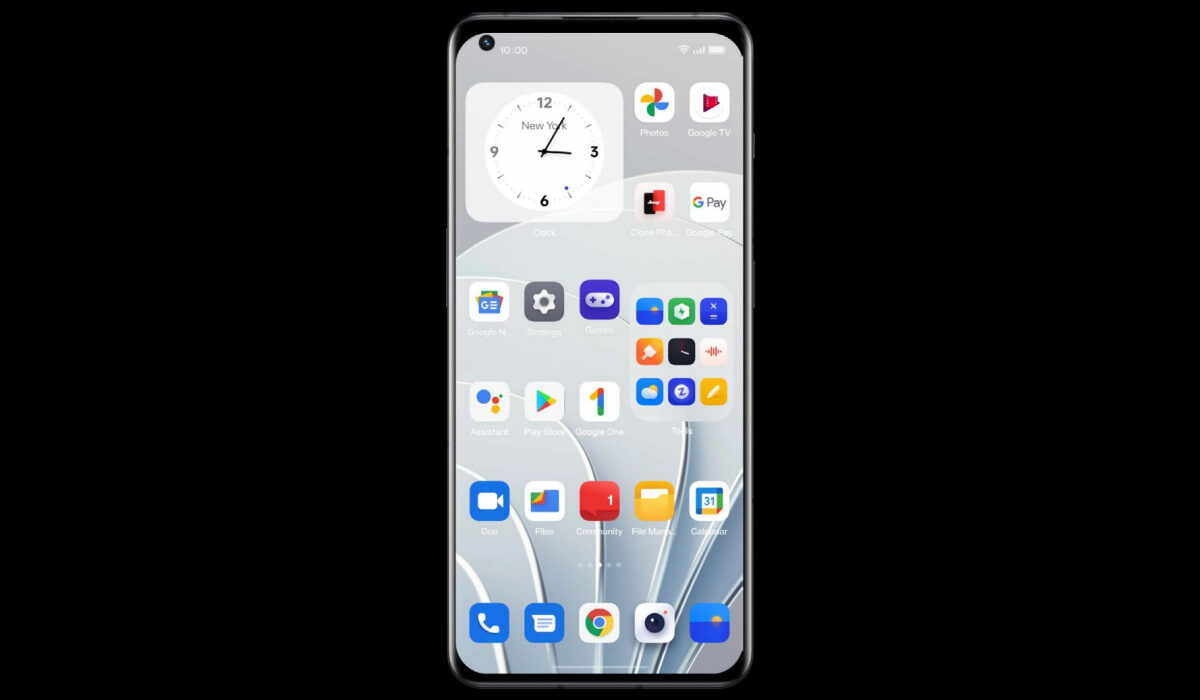
OxygenOS 13 home screen
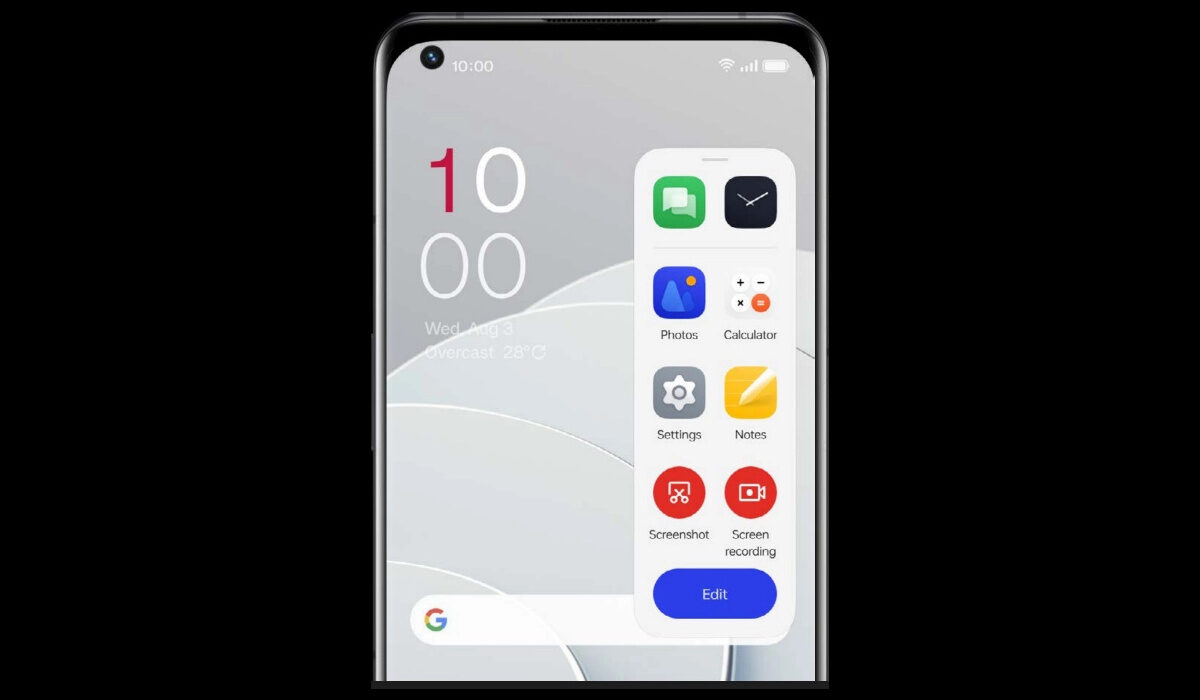
OxygenOS 13 widgets
Dear mobilistas, this does not look anything like what long-time OnePlus users were looking forward to. This actually looks lore like ColorOS. For clarity, I have reproduced the February 2022 announcement of a return to near stock Android experience.
The February 2022 announcement of a return to near stock Android experience
In big news, OnePlus has announced that OxygenOS 13 will be a near stock Android experience. In other words, the company has backtracked on their misadventure of changing the appearance of their custom user interface to that of OPPO’s ColorOS. The announcement was made in the official OnePlus forums by Pete Lau, founder of the company.
It was a bad idea from the get-go, considering that the user interface was one of the key distinguishing features of OnePlus devices and a major attraction for the brand. You don’t throw that kind of edge away just like that. You can read the official announcement below.
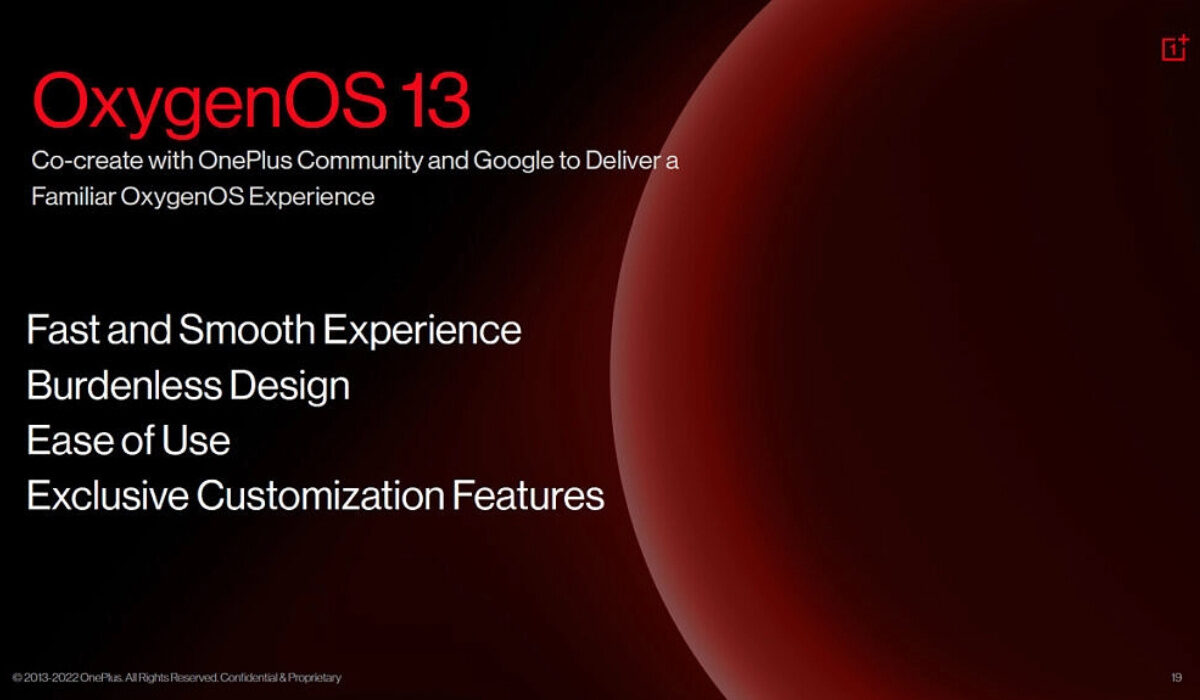
Back in September, we announced the codebase for both OxygenOS and ColorOS would merge with the goal of creating one unified and upgraded operating system for both brands globally. While OxygenOS and ColorOS will continue to be developed on the same codebase – to allow for faster updates and better build quality – OxygenOS and ColorOS will remain independent brand properties. This new course was taken in accordance with feedback from our Community – we understand users of OxygenOS and ColorOS want each operating system to remain separate from each other with their own distinct properties. Our software philosophy for OxygenOS has always been to offer users a light and clean experience that is close to stock Android and oriented towards usage globally. With OxygenOS 13, we want to deliver an experience that long-time OnePlus users will be familiar with while ensuring it upholds hallmarks of OxygenOS, like a fast and smooth experience, burdenless design, and ease of use. OxygenOS 13 will retain its unique visual design and a range of exclusive customization features. – Pete Lau ( source )
OxygenOS 12 is a rebadged version of ColorOS 12, and there was an uproar in the OnePlus community over that. I was not the only person who was excited when this announcement was made back in February 2022. Now, I don’t even know how to react to this new look that OxygenOS 13 has. One thing is clear, though: this does not look like anything that long-time OnePlus users are familiar with. It does live up to the promise that “OxygenOS 13 will retain its unique visual design”.
In brief, while both ColorOS and OxygenOS would continue to share underlying code, they would retain their distinct visual differences. That would be good enough, and everyone would happy. There was jubilation in the OnePlus community over this news. Personally, I had been looking forward to experiencing OxygenOS before the OPPO-OnePlus merger announcement last year. I promptly lost a huge chunk of interest. With this backtracking, once again, I was looking forward to experiencing OxygenOS this year. And I did get my first OnePlus smartphone.
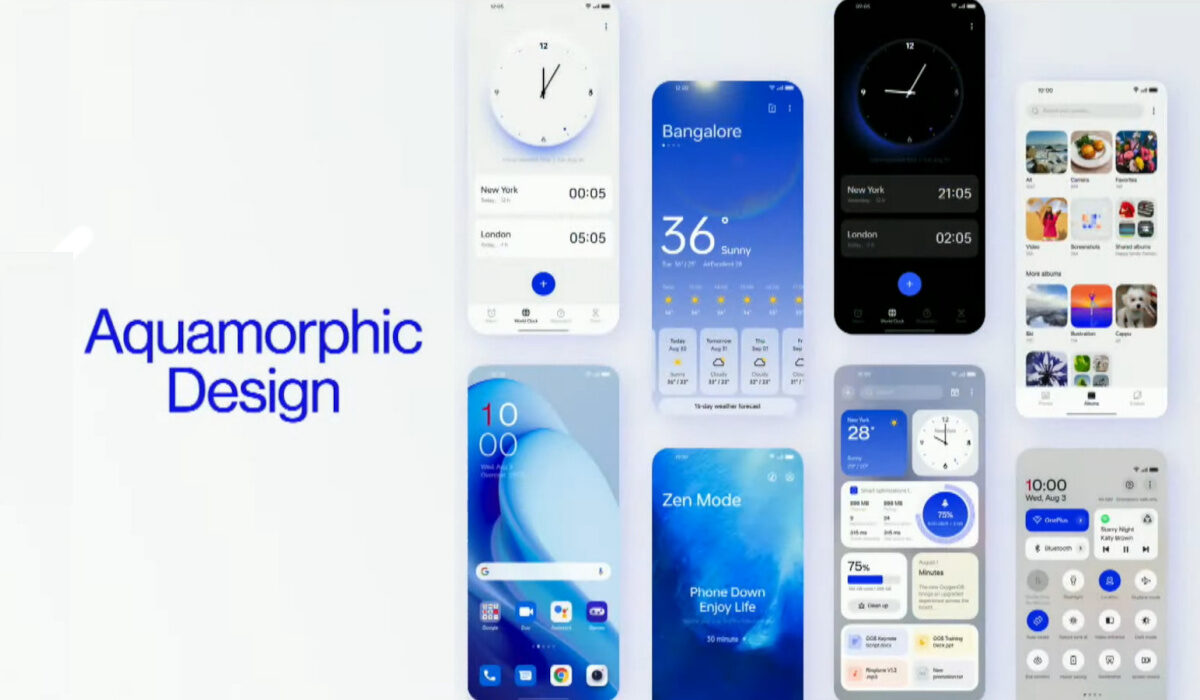
The new Aquamorphic Design
But this new look of OxygenOS 13 leaves me stumped. This isn’t a return to the look and feel that long-time OnePlus users loved and swore by. It looks like, Google Pixel phones are the last resort of those of us who want that clean, stock experience. Nokia is releasing under-powered smartphones, and Motorola is not providing timely software updates. It is now Google Pixel or nothing, and even that brand is still producing phones that can boil water during use.
OxygenOS 13 Update schedule
Here is the list of OnePlus phones that will receive OxygenOS 13:
- OnePlus 10 Pro
- OnePlus 10T
- OnePlus 8
- OnePlus 8 Pro
- OnePlus 8T
- OnePlus 9
- OnePlus 9 Pro
- OnePlus 9R
- OnePlus 9RT
- OnePlus 10R
- OnePlus Nord 2
- OnePlus Nord 2T
- OnePlus Nord CE
- OnePlus Nord CE 2 5G
- OnePlus Nord CE 2 Lite
No specific timeline has been given yet for the release of the update to these phones. While this new user interface is not what many of us were probably expecting, it just might turn out to be something we will all come to love. In any case, it is interesting to see OxygenOS transit from red to blue.
August 12, 2022 Update : After seeing some early hands-on reviews of OxygenOS 13 after the beta release to the OnePlus 10 Pro, and seeing how they confirm my sentiments here, I am finally done with my love and craving for OxygenOS and OnePlus phones. I wish OnePlus all the best.
Author:Mister Mobility
Digital Skills and Communication Coach | Mobile Phone Connoisseur since 2001 | Tech Blogging since 2004
Add MobilityArena as a preferred source on Google
What is fast charging in mobile phones? As the name implies, it is any type of high-speed battery-charging system implemented in a mobile phone to reduce the time it takes to fill up the battery. With regular charging, sometimes it takes a whole of three hours to charge up a phone fully. High-speed charging solutions cut that time down dramatically.
There are different solutions in the market, with many manufacturers often developing their own proprietary system and going by a unique brand name. But whatever the specifics of these solutions, they all work by a broad principle. Note also that apart from the custom solutions by each brand, there are industry standard charging solutions that some brands have adopted.
- How Fast Charging Works
- Different Fast Charging Technologies from different phone makers Quick Charge by Qualcomm MediaTek Pump Express USB Power Delivery Charging in Samsung Phones Charging in Google Pixel Phones Charging in iPhones SuperVOOC by OPPO FlashCharge by Infinix HyperCharge by Xiaomi
- Questions & Answers Are fast charging cables different? Can fast charging damage your battery? Can fast charging damage iPhone? How long should fast charging take? Is fast charging worth it? Which iPhones support fast charging? Why does fast charging heat up phone?
How Fast Charging Works
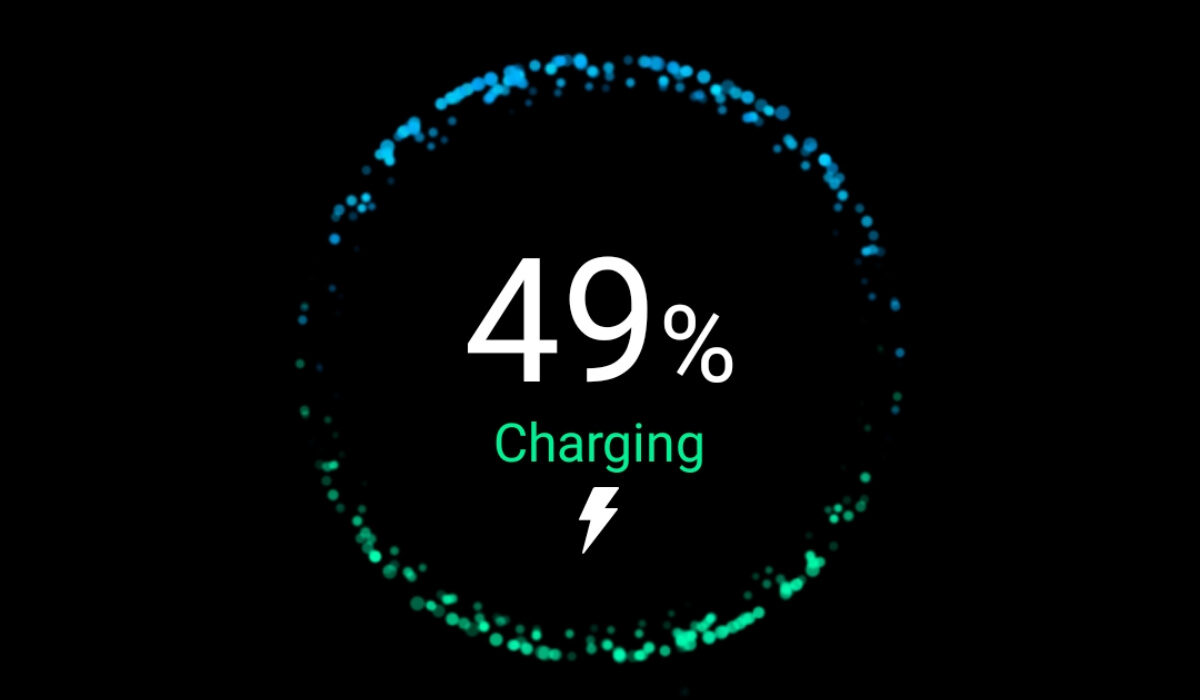
Fast charging in mobile phones works by pumping extra electrical charges into the phone, usually in two phases. The first phase happens between 0 and 80%, approximately, and happens much faster than the second phase.
The second phase is slower for safety reasons, because it is a critical period when the battery already has a lot of charge and is less stable. This means, accidents can happen if charging continues at the initial speed, so designers build the charging solution to slow down here. That is why your phone takes much longer to go from 80% battery to 100% than you’d like. But it is for your safety.
That is also the reason why some phones stop charging at 80% under certain conditions e.g. if the weather is hot. The in-built fail-safe system cuts off charging to keep the phone cool and stable.
Different Fast Charging Technologies from different phone makers
There are different proprietary fast charging systems by different phone brands and they are not generally compatible with one another. For example, a fast charger from Samsung may not be fully compatible with one from Google Pixel. Let’s explore the different types.
Quick Charge by Qualcomm
Qualcomm’s fast charging solution is called Quick Charge. The latest iteration, Quick Charge 5.0 tops up compatible devices from 0-100% in 15 minutes. Any phone brand can license this solution for use in their products that are powered by a compatible Snapdragon chipset.
MediaTek Pump Express
Pump Express is MediaTek’s answer to Qualcomm’s Quick Charge. It is specific to smartphones powered by a compatible MediaTek chipset.
USB Power Delivery
USB Power Delivery is an industry standard charging protocol designed for both cellphones and laptops. If your phone has a USB-C port and supports USB-PD, you are not limited to using your phone’s fast charger but can also use compatible 3rd party chargers to top up your battery quickly.
USB Power Delivery 3.0 is capable of delivering up to 100W charge, though most cellphone brands have not maxed it out to its fullest capacity yet. While your smartphone does not need this much power, laptops and other devices do. Remember, we mentioned earlier that this is an industry-wide quick charging solution for USB devices, whether they are phones, tablets, laptops, etc. Samsung has utilized USB-PD 3.0 to deliver 45W in the S24 Ultra.
In addition to their proprietary charging solutions, many phone makers include USB Power Delivery support in their devices, such that any phone from another brand that supports PD can take advantage of its fast charging capabilities.
Charging in Samsung Phones
Samsung does not have a proprietary charging solution. Instead it uses an available industry solution called USB Power Delivery (discussed above). Most mid-range and premium flagship Samsung smartphones have a mere 25W charging based on PD. The company’s fastest charging solution is a 45W charger that can do 0-70% charge in 30 minutes, as seen in the Galaxy S24 Ultra . This charging system is based on Power Delivery 3.0.
Charging in Google Pixel Phones
Like Samsung, Google Pixel phones do not have a proprietary charging solution and also uses the universal Power Delivery technology.
Charging in iPhones
Third time is a charm, because rather than develop a proprietary charging solution, Apple also simply uses USB Power Delivery. The iPhone 16 Pro Max uses PD 2.0 which charges the battery up to 50% in 30 minutes.
if you ever were bothered that Samsung phones, iPhones, and Pixel phones have the slowest charging speeds in the industry, you now know that it is because they use USB Power Delivery. Of course, for some reason, they are not squeezing out the fastest possible speeds out of it. So, the ball still stops at their desks.
And yes, you can charge your iPhone with a Samsung charger and enjoy fast charging speeds (see my video on the subject ), thanks to the Power Delivery standard that both brands use.
SuperVOOC by OPPO
OPPO’s charging solution is called SuperVOOC. Their 150W SuperVOOC solution charges a 4,500mAh battery from 0-50% in just 5 minutes, and 0-100% in just 15 minutes, while their new 240W SuperVOOC solution does 0-100% in a mere 9 minutes.
FlashCharge by Infinix
Infinix ‘ s fast charging solution is called FlashCharge. The company’s 160W charger has demonstrated taking the phone battery from 0% to 100% in 10 minutes.
HyperCharge by Xiaomi
Xiaomi’s charging technology is branded HyperCharge. The 120W HyperCharge charger takes about 20 minutes to fill up a battery.
Questions & Answers
Are fast charging cables different?
As far as the connecting ports are concerned, they are no different from regular charging cables. But on the inside, the components and design may differ.
Can fast charging damage your battery?
The problem with fast charging is the amount of heat generated, which is bad for the battery. However, speedy charging solutions have fail-safe systems built in to terminate the charging should heat like up. So you have nothing to worry about.
Can fast charging damage iPhone?
Fail-safe systems exist to protect your Apple iPhone when fast charging.
How long should fast charging take?
It depends on which solution you are using. For example, 18W takes over an hour to go from 0-100%. 33W takes less than an hour. 65W takes about 30 minutes. 120W solutions do it in about 15 minutes.
Is fast charging worth it?
Definitely. We live in a fast-paced world and no-one wants to spend two or three hours charging their smartphones. The convenience of being able to top up your cell phone battery in a few minutes is definitely worth it.
Which iPhones support fast charging?
All models from iPhone 8 support 15W fast charging and above.
Why does fast charging heat up phone?
Speeding up charging in a phone works by pushing in more electrical charges than usual to shorten the charging time, applying extra stress on the battery, and so causing discharge of heat.
Author:Mister Mobility
Digital Skills and Communication Coach | Mobile Phone Connoisseur since 2001 | Tech Blogging since 2004
