Add MobilityArena as a preferred source on Google
Monitoring phones used to be expensive and difficult to accomplish, but nowadays, it is easier and cheaper for any interested person to carry out. Which is why it is good to have an idea of what to look out for to know if your phone is being tracked.
This has made it much easier for malevolent individuals to trace your phone. Anyone can get access to different confidential details about you due to this, including the last time you used social media apps or your browsing history.
Now, if you’re like most people, we’re sure you don’t want your personal information to be used without your permission. This is why we’ve provided this guide, to show you ways to verify your suspicions when you suspect that someone is monitoring your phone against your consent.
Discovering Unwanted Apps on your Phone
If you suddenly discover certain apps on your phone that you did not download, there’s a chance that your phone has been tampered with. This unwelcome app may be an espionage program that is posing as another app.
If you discover any such apps, make sure to uninstall and delete them immediately from your device.
Faster Battery Drain
If you notice that the battery percentage on your cellphone is depleting more quickly than usual, there are two possibilities: it’s either your battery needs to be replaced or a secret spy program is monitoring your device’s data in the background.
It is possible that your phone is being tracked if it drains in a few hours despite having a battery health of 95 to 100 percent. However, if the battery health is at 80 percent or lower, it shouldn’t be shocking if it completely drains by the middle of the day.
The procedures for checking battery health are the same for both iPhones and some Android phones that have this functionality. However, it’s listed under Battery Usage on Android devices rather than Battery Health .
Remember that a rapidly depleting battery may not by itself be a significant indicator of the presence of spyware. That being said, there is a chance that you are being tracked if it also occurs in conjunction with the other indications we’ve described.
Strange Background Noises during Calls
Your phone may be tapped if you detect any differences in the content of your calls and discussions. If you also detect strange sounds during your calls, or see extra words or characters in your texts, or contacts showing up on your blacklist despite the absence of any action on your part to trigger this, these are all telltale signs.
You might also discover messages that were sent without your awareness because some spy software can also remotely transmit texts and chats from your phone.
Photos, recordings, and internet searches that you don’t recall performing are other warning flags to look out for.
Inexplicable Performance Deterioration
Mobile devices will inevitably slow down with time, especially if you don’t periodically remove unused apps, clear caches, and keep internal storage levels at a healthy level.
But if you consistently perform all of these things and still have unexpected lagging, touchscreen sluggishness, and prolonged boot-up and shutdown times, it can be because your phone is being tracked using unwanted spy software that is active in the background.
Spy software can consume a significant amount of your device’s processing power. It can cause your phone to overheat and rapidly deplete the battery in addition to leaving less processing capacity for other typical tasks, which leads to sluggish performance.
Unauthorized Activities
There’s probably an app operating in the background if your phone restarts unexpectedly, lights up even while not in use, and produces odd sounds or messages during calls or text messages are a few examples. Even the notification for the microphone or location could appear.
Some surveillance apps require a phone restart to install updates or implement setting changes. As a result, if your phone reboots on its own without being instructed to do so, it may be a clear indication that an app is starting the request in the background.
If your phone lights up even when you’re not using it, the same applies. This should only occur if your phone has sent you any notifications, such as calls, texts, or critical system alerts, that demand your immediate attention.
When you turn on your screen and discover that there is no justification for it to be lit up, spying activities may have been what caused the reaction.
Other ways by which you can tell if your phone is being monitored include:
- Abnormally increased data drainage
- Uncharacteristic overheating
- Noticing root permissions that you didn’t enable
What to Do if your Device is Being Tracked
If, at this point, you’ve confirmed that your device is being tracked via a combination of some or all the methods we’ve described above, there are some steps you can take to fix it:
- Reset your device: Your phone will be reset to factory settings if you perform a factory reset, commonly referred to as a master reset. It removes all of the old data, settings, and applications from the device. Therefore, you can remove the surveillance program as well.
- Update your gadget: You can do this after you’ve done a hard factory reset; you’ll be able to access any latest extra security features to secure your device from spyware
- Locate the spying application and remove it.
- Install a virus scanner: There are various trusted ones available online, install one as an extra protection for your device to detect
- Use a screen lock, password, PIN, or fingerprint to secure your phone.
Besides doing all these, it’ll also be beneficial to consult a trusted expert to find out ways to secure your device from further intrusions and monitoring.
Summarily , it’s never a good idea to leave your personal information susceptible to monitoring and privacy invasion. As such, you’ll benefit from the instructions we’ve provided in this guide if you think your device is being monitored.
If you’ve found this article helpful, don’t forget to recommend it to your friends and loved ones so that they can also benefit from it.
- Don’t miss our mobile phone reviews .
- Follow our news on Google News .
- Join our WhatsApp Group , to be notified of the most important articles and deals,
- Follow us on Instagram , Facebook , Twitter , and YouTube .
Author:Joan Agie
Add MobilityArena as a preferred source on Google
Apple has been known to provide frequent upgrades for iPhone devices. There are often a few incremental updates made to the OS during the year in addition to at least one major upgrade, which is typically used to resolve problems and enhance security.
You can make sure that your iPhone device benefits from Apple’s regular upgrades by updating its software whenever there’s a new one available. If this is a process you’re not so familiar with, we’ve provided this guide to instruct you on the process of upgrading your iPhone’s software to iOS 15, and to subsequent versions.
Updating your iPhone’s Software Automatically
Allowing your device to handle iPhone upgrades is the simplest (and safest) solution.
Here’s how to check if your iPhone is prepared for an automated update:
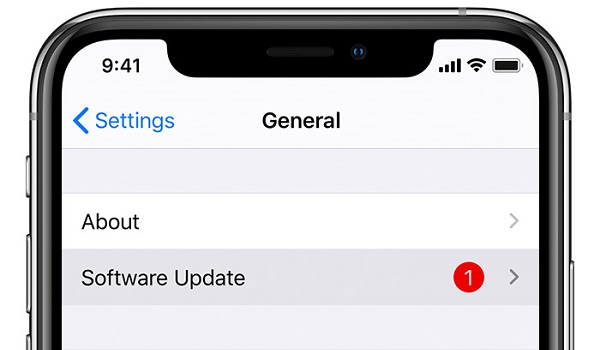
- Open Settings and select General .
- Tap Software Update on the General page.
- Tap Automatic Updates on the Software Update page.
- Make sure the Download iOS Updates and Install iOS Updates buttons are both activated by swiping them to the right, making them green, in order to have the iPhone carry everything out automatically.
When you turn both settings on, your iPhone will download the update files to the device and then automatically install them while it is charging and locked throughout the course of the next night.
You can also choose to disable Install iOS Updates while keeping Download iOS Updates enabled. The update will download to the phone if you do this and wait for you to manually install it.
Update your iPhone’s Software Manually
You can manage updates yourself if you like, or if the phone isn’t updating automatically for whatever reason.
- Tap General after opening the Settings app.
- Tap Software Update on the General page. Your phone will confirm if there’s an update available.
- Click on the Download and Install option to install any updates that are available. Accept the terms and conditions, then wait for your phone to download the update.
- To finish the update, press Install at the end.
What to Do if your iPhone’s Software Does Not Update
Under normal circumstances, you should be able to update your device’s software following the instructions we’ve provided above. However, you should try these troubleshooting techniques if your iPhone won’t update, whether manually or automatically.
Verify your Device’s Compatibility
For the iPhone 6S and later devices, the iPhone SE (first and second generation), and the iPod Touch 7th generation, the most recent iOS software upgrade, iOS 15, should typically be accessible.
You’re out of luck if you’re still utilizing an iPhone 5S or an earlier model, so if the software update to iOS 15 hasn’t been working, now you know the reason.
Create sufficient storage space on your device
Approximately 3.24 GB of storage space will be required for iOS 15, but you’ll need more to install it. In order to download and install the update, your phone must have a total of around 5GB of free space.
Launch the Settings app, touch General , then choose iPhone Storage to find out how much free space is currently available on your phone. On the iPhone Capacity page, the top of the page will display your available storage.
You will need to make room on your iPhone if you don’t have enough free space. You won’t be able to update it successfully otherwise.
Charge your battery and connect to stable internet
The smallest issues can occasionally prevent an iOS upgrade. A strong, dependable WiFi connection is required, and your iPhone must have at least 50% battery life left.
Update your device at home or at work, where you are sure to have consistent WiFi, for the best possible results. Additionally, before beginning the update, make sure to dock or charge your phone.
Update your iPhone with a PC or Mac
Rarely, you may encounter a bug and discover that your iPhone is unable to install an update, either manual or automatically. You can install it from a PC or a Mac if that occurs.
- Connect your iPhone to your PC.
- Launch iTunes on your PC. Open Finder on your Mac (if that’s what you’re using) and choose the name of your phone from the sidebar.
- Click Continue if a message appears on the computer requesting permission to access your iPhone. On your iPhone, click on Trust .
- In iTunes, select Library , and then, on the left side of the toolbar, select the iPhone icon. Click General in the Finder.
- Select Check for Updat e by clicking on it.
- Click Download and Update if an update is available. For however long it takes for an update, make sure to keep your phone connected to the computer.
In summary , your iPhone device can benefit a lot from regular software updates. This guide will put you through the different ways to successfully update your software, and what to do in case the update is not successful.
We hope this guide has been helpful so don’t forget to recommend it to your friends and loved ones.
- Don’t miss our mobile phone reviews .
- Follow our news on Google News .
- Join our WhatsApp Group , to be notified of the most important articles and deals,
- Follow us on Instagram , Facebook , Twitter , and YouTube .
